The hardware of the game console is relatively simple, without complex sensors.
LCD:
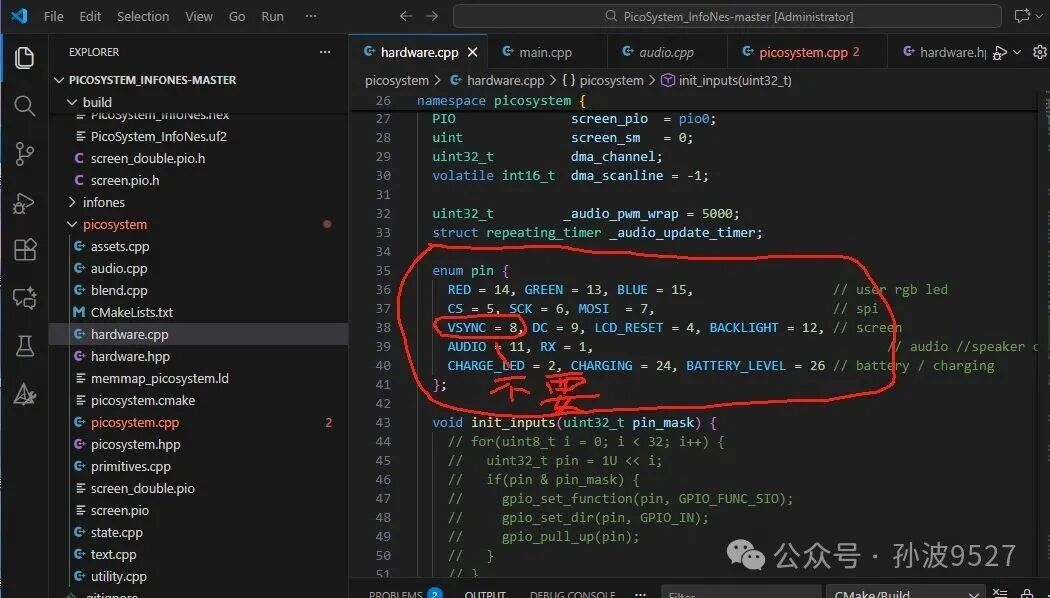
The connection of the SPI interface, besides VCC and GND, includes MOSI (SDA), SCK (SCL), DC, and CS, which correspond to the pins of the ST7789.
This project clones picosystem-infones, where picosystem is an open-source mini operating system that runs the FC emulator. It costs 58 euros abroad, which is too expensive.
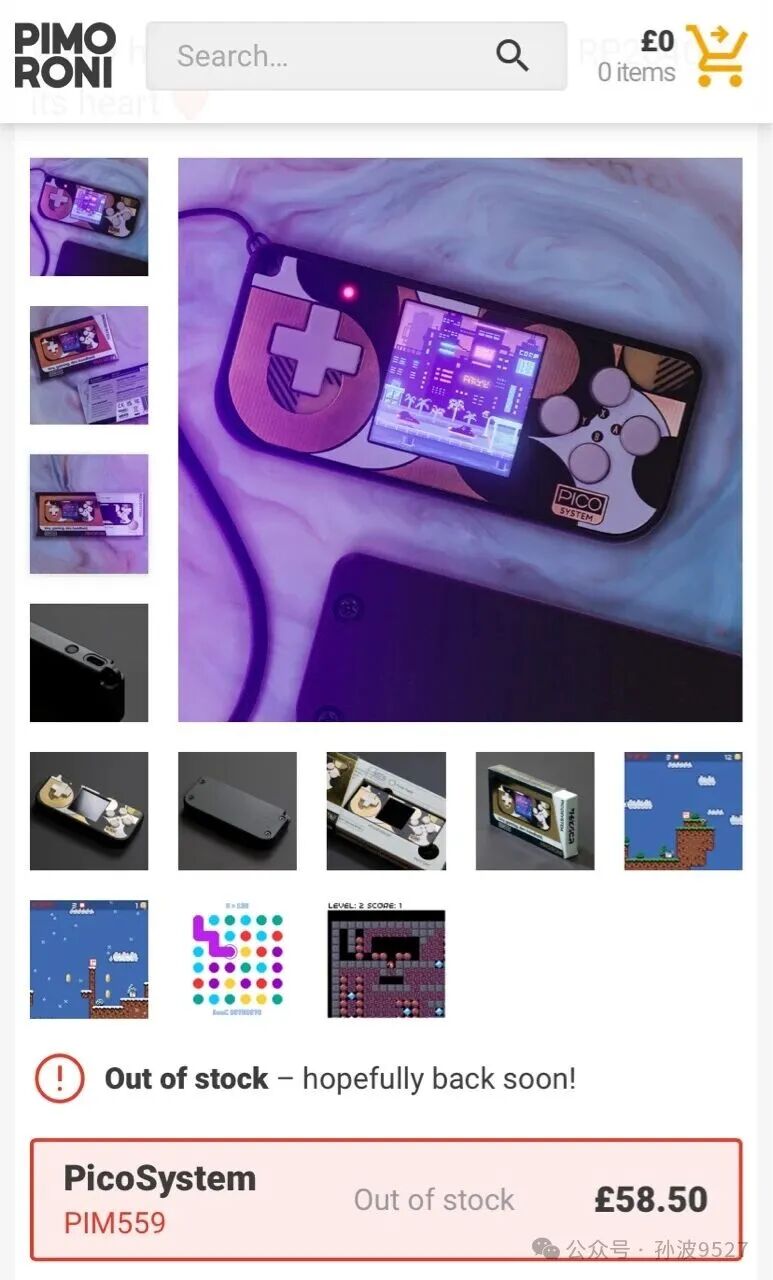
It is a clone, but both the hardware and software have a “dirty hack” comment.
Although I cannot correctly understand the meaning of this phrase, it always indicates trouble.
The first issue is VSYNC, which means vertical synchronization. I searched the entire Taobao and couldn’t find an LCD with this pin. I suspected that a special chip might provide this function. After seeing the annotation “tear,” I thought I would try ignoring it, as I have many SPI LCDs that have not shown screen tearing. I will modify the software later.
It is best to connect the BLE pin directly to VCC first, because the system defaults to reading from RAM save, and the newly flashed program is 0, which results in a black screen. This problem troubled me for at least three hours.
The audio connection is as shown in the figure, and it is barely acceptable.
The audio pin connects to the positive terminal, and the other terminal of the buzzer or speaker connects to GND. Another option is to add an 8-ohm, 1-watt speaker, connecting the positive terminal to the RX pin and the negative terminal to ground. According to the author, the sound quality will be better, but I have not tested the effect yet.
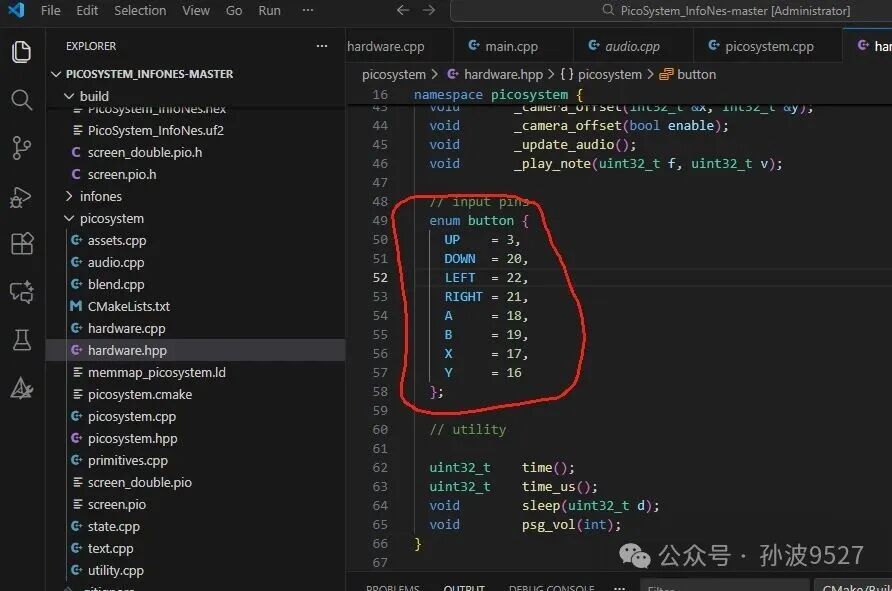
Regarding the buttons, the UP key has been modified; it was originally pin 23, which could not be found on the development board, so it was changed to pin 3. I am not sure if it is a problem with the SDK version or if the dirty hack requires significant changes in the software. Still, it follows the diagonal connection, with one pin connected to the corresponding IO and the other pin connected to GND.