Trump’s Shift: A Looser Stance on H200 Chips? NVIDIA Rushes to China, Chinese Chips Are No Longer Soft Targets
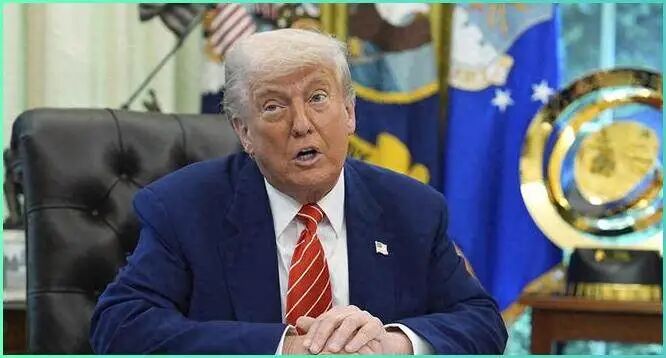
Trump has really changed his stance this time!!
Before anyone could react, he suddenly hinted that the U.S. needs to reconsider its chip ban on China, even specifically mentioning the H200 chip, softening his tone on whether NVIDIA can sell it and how.
NVIDIA has also been making moves, with CEO Jensen Huang flying to China to participate in various events, changing the atmosphere significantly..
This matter… is not just an ordinary business negotiation; the underlying issues are quite complex.
01/ Loosening of Chip Ban? The Reasons Behind Trump’s “Change of Heart”
To put it simply, this move is quite unexpected. Just recently, he was still shouting about the “China threat,” and now he is starting to soften, discussing whether the H200 chip can be sold.
Hasn’t Trump always taken a hardline approach? Why is he suddenly being “friendly”?Could it be that the U.S. is struggling to cope?
Think about it, U.S. chip companies have been complaining for the past two years; if NVIDIA completely loses the Chinese market, how much will they lose?
Intel and AMD are also anxiously watching; can they not be worried?
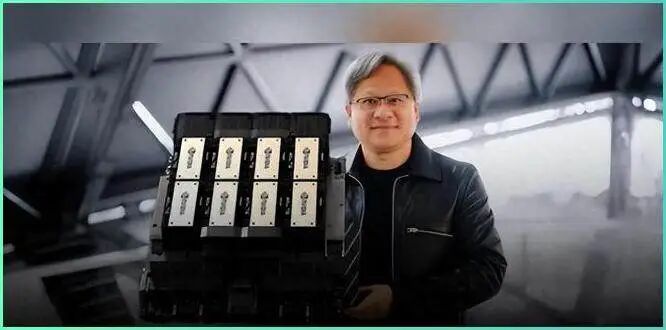
The key is that Trump’s softening is a direct reflection of the pressure from U.S. capital and the industrial chain..
The H200 chip is essentially the “ceiling” of AI computing power; what good is it to have stockpiles if it can’t be sold to China?
Recently, the market value of U.S. chip manufacturers evaporated by hundreds of billions of dollars, driving investors crazy.
If this continues, it is likely that the “friendship boat will capsize”;
02/ NVIDIA’s Urgency to Enter China: What’s Behind It?
NVIDIA CEO Jensen Huang just said in the U.S. that he “hopes to cooperate with China,” and then he appeared at a booth in Shanghai..
There were many Chinese partners on site, and the atmosphere was livelier than in previous years.
Friends, why is NVIDIA in such a hurry now? To put it bluntly, this kind of scene has really not been seen before…
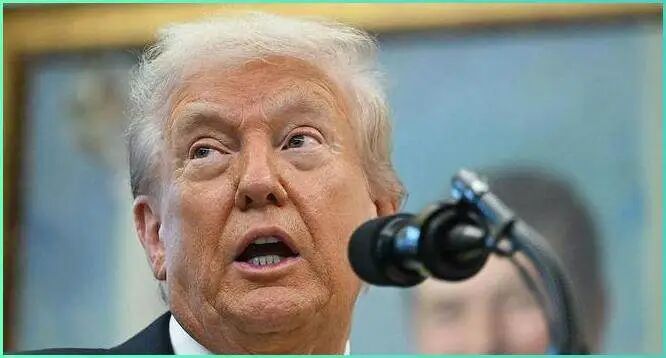
To put it simply, NVIDIA’s urgency to come to China is not really backed by solid confidence.
One H200 chip has long been targeted by domestic AI manufacturers; the U.S. ban has directly led to a “shortage” in the Chinese market.
The problem is, domestic alternatives are not to be underestimated; Huawei’s Ascend chips have seen a surge in supply in recent months, with companies like Baidu, Alibaba, and ByteDance all using them.
If this drags on, NVIDIA will truly be “marginalized”..
Therefore, it is understandable that Huang is anxious; after all, the demand for AI chips in the Chinese market exceeds 2 million units per year. Who wouldn’t want to make that money?!
03/ Chinese Chips Are Not Soft Targets; No One Can Squeeze Them
In the past two years, everyone has been saying that Chinese chips are being constrained, but the reality is? The speed of domestic alternatives is quite astonishing, with companies like Sugon and Cambricon releasing new products almost every quarter..
Take AI training cards as an example; Huawei’s Ascend 910B’s computing power can already compete with NVIDIA’s A100. Although it still lags behind in ecosystem compatibility, being “usable and affordable” is already impressive;
The more critical point is that once domestic application demand increases, domestic chip manufacturers can survive, and as their scale grows, their technology will catch up faster..
This is not just talk; Baidu has recently been using domestic chips for AI large model training.
To put it bluntly, if the U.S. wants to block and constrain us, we will just do it ourselves; no one can treat Chinese chips as soft targets forever;
04/ Chip Game: Who Holds the Stronger Cards?
With that said, the question arises: Trump has softened, NVIDIA is anxious, and Chinese chips are becoming tougher; who will ultimately come out on top?
In fact, the chip industry is fundamentally a competition of comprehensive national strength and market size.
The U.S. has technology and ecosystem, which gives it a clear short-term advantage, but China has the largest market size in the world, with supportive policies, capital, and engineers.
As long as China is not completely choked off, domestic chips will definitely have the opportunity to “overtake on a bend”..
The key in the coming years will be who can withstand the pressure, who can endure, and who will gain the final say;
There is no doubt that the chip game will become increasingly intense, but Chinese chips are no longer the “soft targets” they used to be..
Who knows what the future holds, but one thing is certain:“Chinese chips are not soft targets; no one can squeeze them at will!”