Major developments in the Chinese chip industry have emerged! An urgent meeting was held at the White House late at night, with foreign media reporting that the good times for Western giants are coming to an end!
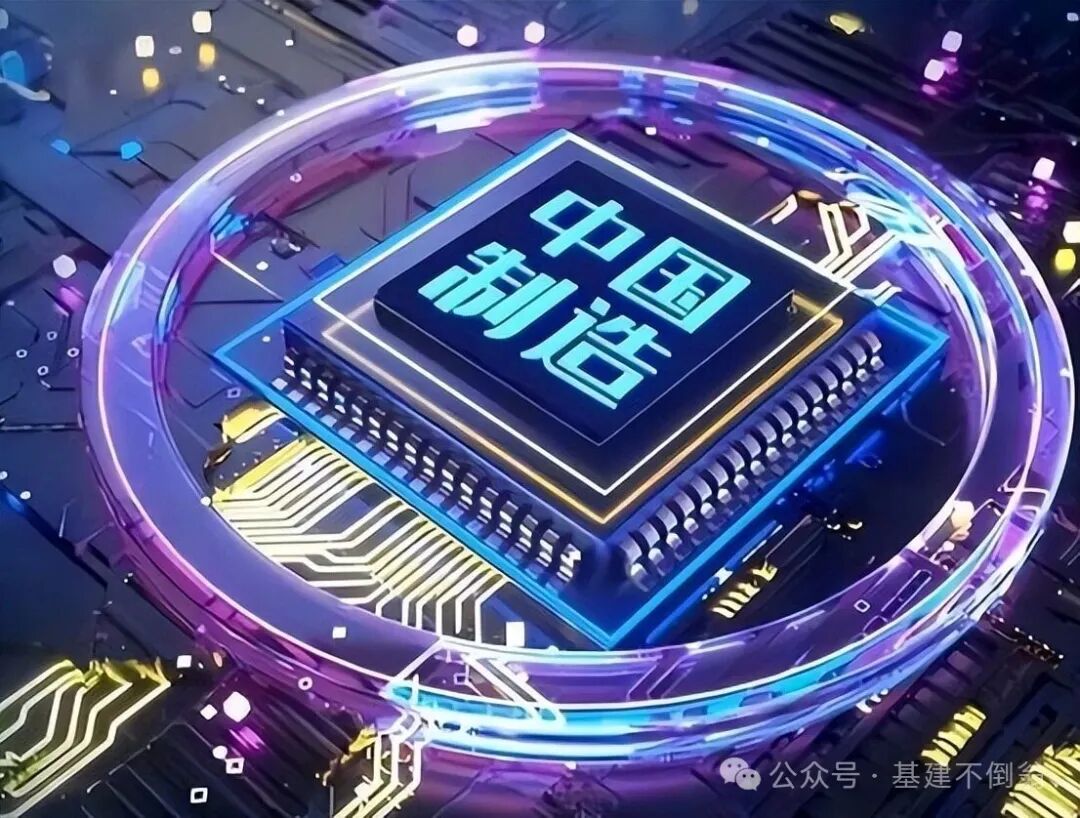
In the ubiquitous electronics markets, the myriad of mobile phones, computers, and smart devices all rely on a small chip at their core. Not long ago, this “industrial staple” was almost entirely dependent on imports, with high prices and the constant risk of supply disruptions.
However, the tide has turned—Chinese chips are breaking monopolies at an astonishing speed, with some predicting that chip prices will drop to “cabbage prices” in the future! What has happened behind this reversal?
Ten years ago, China’s chip imports reached $227 billion, with a domestic self-sufficiency rate of less than 10%. A series of sanctions have been imposed, from restrictions on the export of high-end chips to China to a comprehensive ban on the application of Chinese chips in various global fields. These actions clearly reflect the intention of the U.S. to lock China into the low end of the industrial chain. Ironically, this suppression has become the best “catalyst”.
The Huawei Ascend 910 chip has emerged, directly competing with NVIDIA’s high-end products; SMIC has made breakthroughs in advanced processes; domestic EDA software, photolithography machines, oscilloscopes, and other “bottleneck” areas are being tackled one by one.
With China’s chip self-sufficiency rate soaring from just 10% to 34%, and expected to reach 82% by 2027, a semiconductor wave is sweeping across the country!
“The rise of Chinese chips has made Western giants uneasy,” admitted a semiconductor analyst. NVIDIA CEO Jensen Huang publicly complained that export controls to China are a failure! Four years ago, NVIDIA held a 95% market share in China, which has now halved to 50%.
More dramatically, the U.S. once banned the sale of the H20 chip designed specifically for China, resulting in NVIDIA’s inventory backlog and a market value evaporation of $160 billion, ultimately forcing them to lift the ban. However, the H20’s performance is only one-third of its flagship chip, and this “crippled version” product is no longer accepted in the Chinese market.
The gradual explosion of domestic chips not only reflects our significant progress in technological breakthroughs but also highlights our active efforts and explorations in building an ecosystem for domestic chips.
Huawei’s HarmonyOS computers are fully self-controlled from chips to systems; the Ascend chip has already incubated over 40 large models; domestic GPU manufacturers showcased their strengths at the AI conference.
Even China, once jokingly referred to as a “testing ground”, is now taking the lead in advanced packaging and Chiplet new tracks. At the Bay Area Chip Show, long lines formed in front of domestic semiconductor equipment, with investors stating, “We have finally waited for domestic photolithography machines!”
As prices continue to drop, the market’s competitive atmosphere is quietly spreading, with many consumers starting to compare products frantically. In the past, a high-end AI chip could cost tens of thousands of dollars, but domestic chips are quickly capturing the market with their cost-performance advantages.
Not only does Huawei’s Ascend 910B outperform the H20 in certain performance metrics by several percentage points, but its price is also astonishingly low; simultaneously, domestic oscilloscopes have already surpassed 90GHz bandwidth, costing nearly half of similar foreign products. Industry insiders predict, “Once China achieves large-scale production, chip prices could be halved again, ending the era of easy profits for Western giants!”
This reversal is backed by China’s institutional advantages in “concentrating efforts to accomplish major tasks” and the perfect combination of market forces.
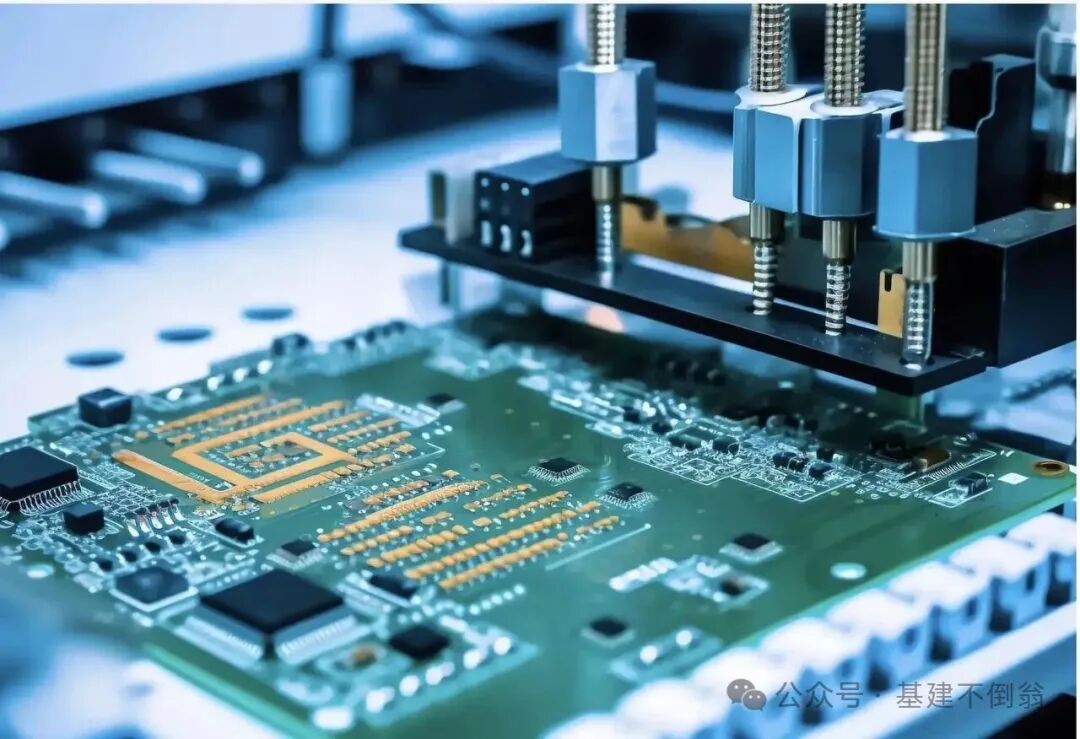
On the policy level, semiconductors have been included in the core of the “14th Five-Year Plan”, with intensive financial, talent, and technology policies being introduced; on the enterprise level, companies like Huawei, SMIC, and New Kylai are tackling hard problems; on the market level, China has the world’s largest chip demand market, sufficient to support technological iteration. As foreign media commented, “China innovates amidst conflict and demand; the greater the risk, the faster the breakthroughs.”
Of course, domestic chips still have key areas to overcome. EUV photolithography machines remain a challenge, high-end processes rely on overseas technology, and ecosystem construction is still in its early stages. But the trend is irreversible: the more the U.S. blocks, the more autonomous China becomes.
From “two bombs and one satellite” to manned spaceflight, from 5G to quantum computing, the Chinese have an inherent philosophy of “growing in adversity”. The chip war is not only a race in technology but also a struggle for discourse power about the future. This time, China will not back down.