 The design of intelligent robots is a creative process that seeks the best balance between aesthetics, functionality, technology, cost, and user experience.The ultimate goal is not to create a cold machine, but to build a trustworthy, reliable, and even lovable “partner”.01
-Design Principles-
Functionality Visibility The design must clearly suggest the robot’s functions and how to operate it.For example:
A robotic vacuum’s low, smooth shape clearly indicates to users that it operates on the floor.
The joint design of a robotic arm allows users to intuitively understand its range of motion and flexibility.
The storage compartment of a delivery robot should have a clear opening mechanism (such as light indicators or automatic doors) to inform users how to retrieve and place items.
Emotional Design Intelligent robots differ from traditional tools; they need to coexist with humans.Their form design must consider the emotional responses they evoke.
Bionic Design Drawing inspiration from human or animal features (such as the gentle eyes and curves of the Pepper robot) can enhance affinity and reduce the coldness and fear associated with technology (i.e., avoiding the “uncanny valley” theory).
Minimalism Many household robots adopt simple geometric shapes (like the cylindrical Amazon Astro), conveying a sense of technology, reliability, and neutrality.
Brand DNA The design language of the robot should align with the brand’s tone.For example, Boston Dynamics’ robots exhibit a strong sense of technology and engineering aesthetics, while UBTECH’s Walker robot leans more towards a friendly and practical home service image.
02
-Case Studies-
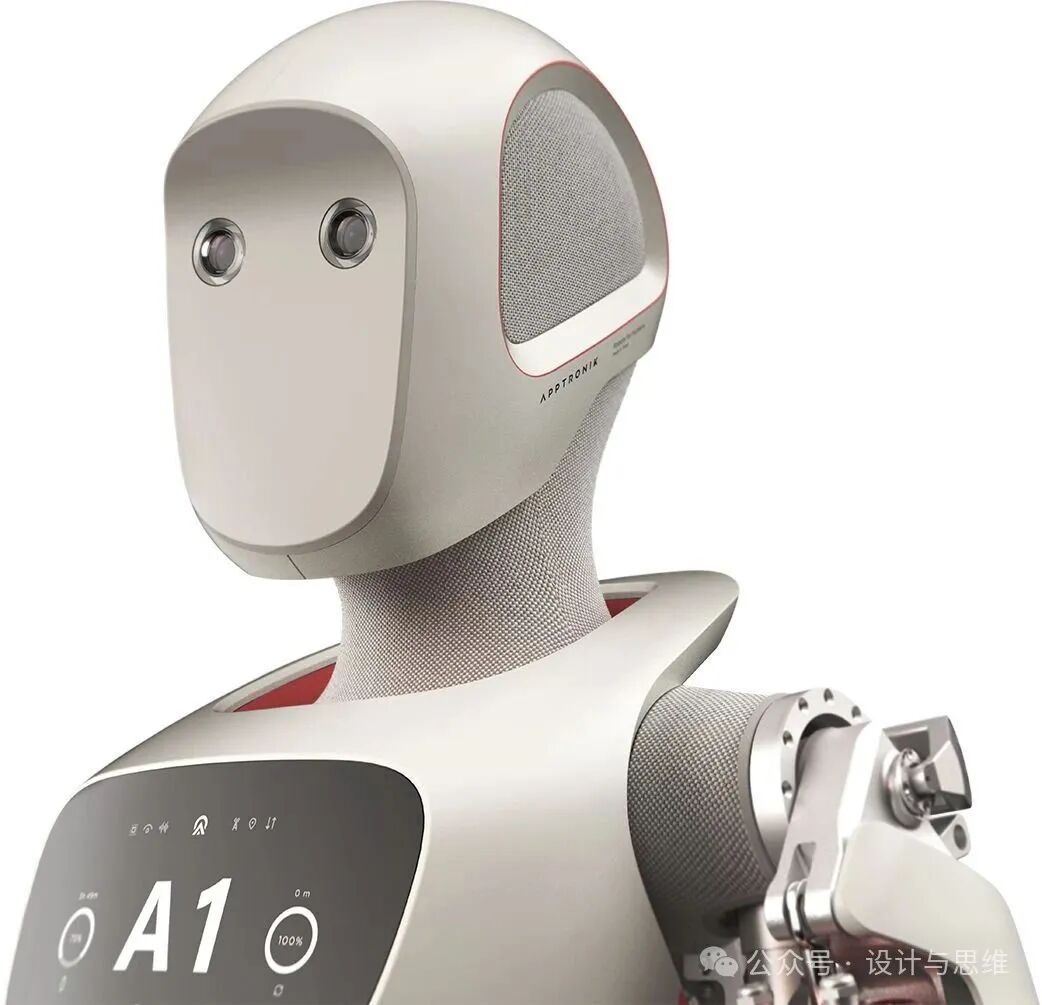
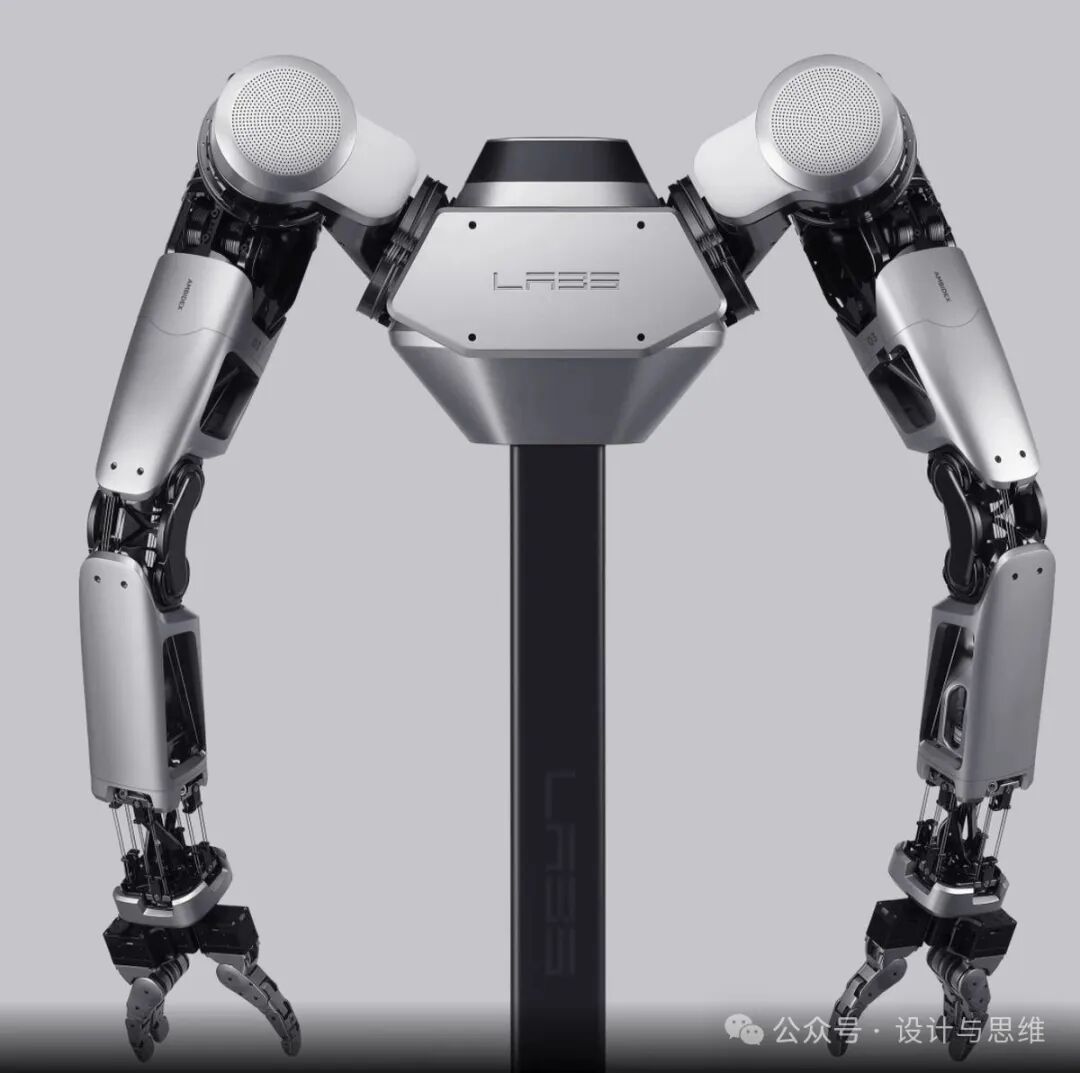
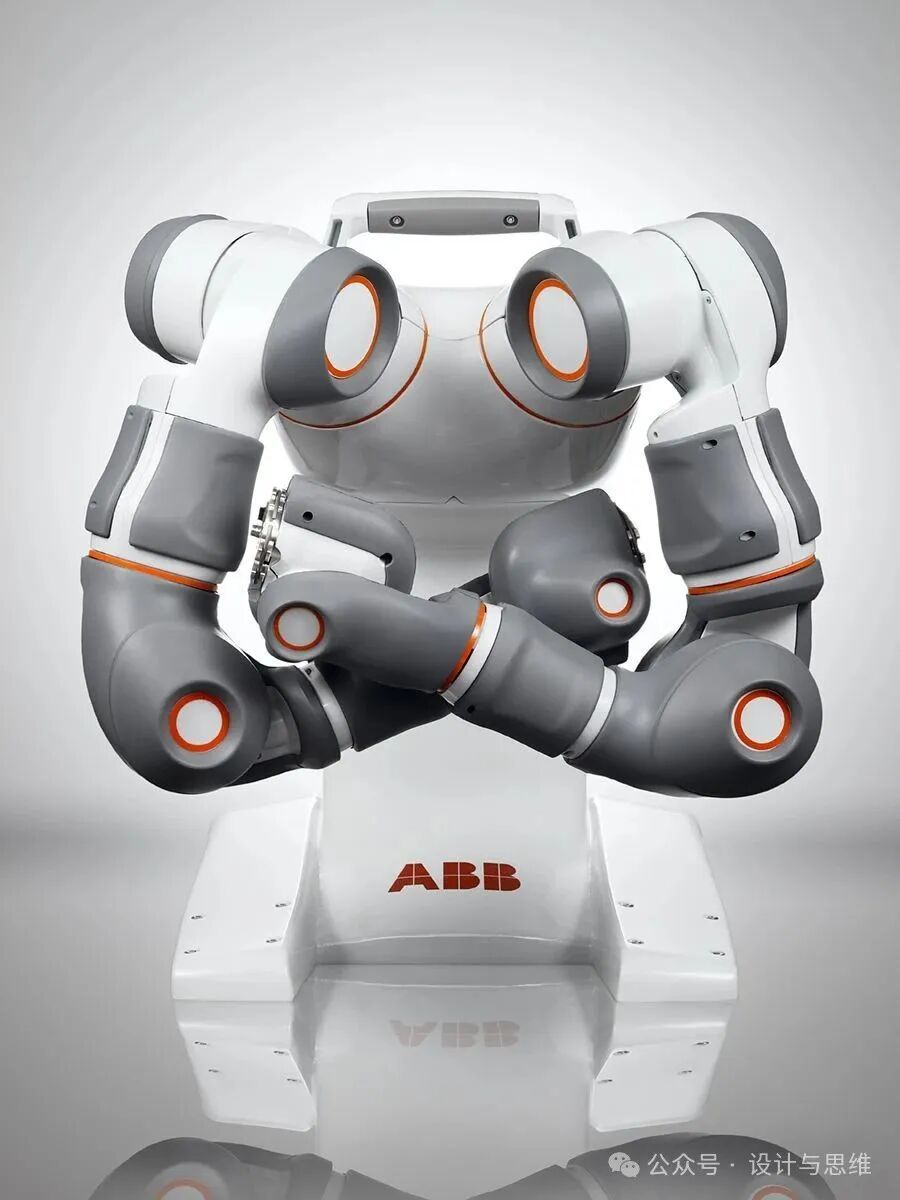
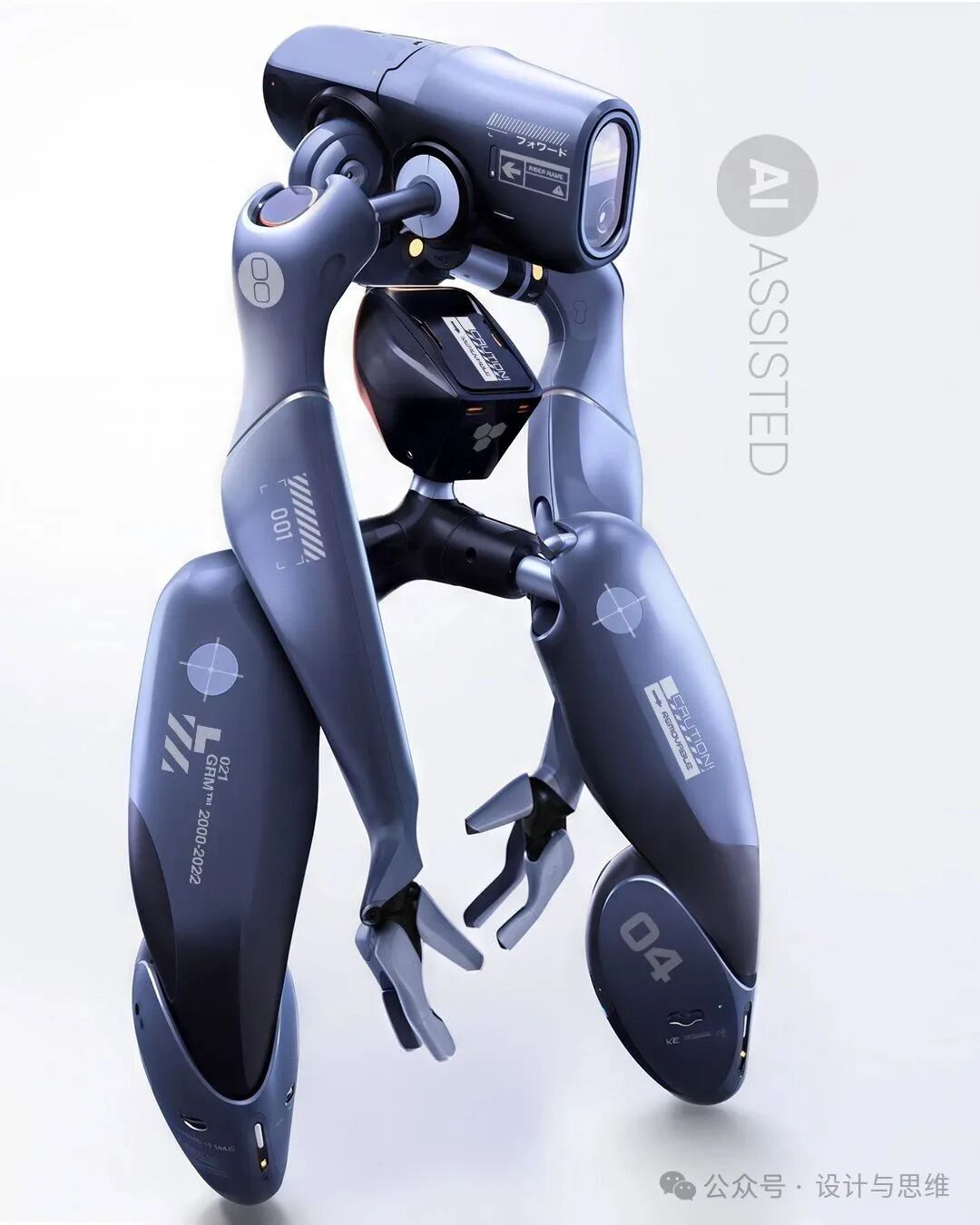
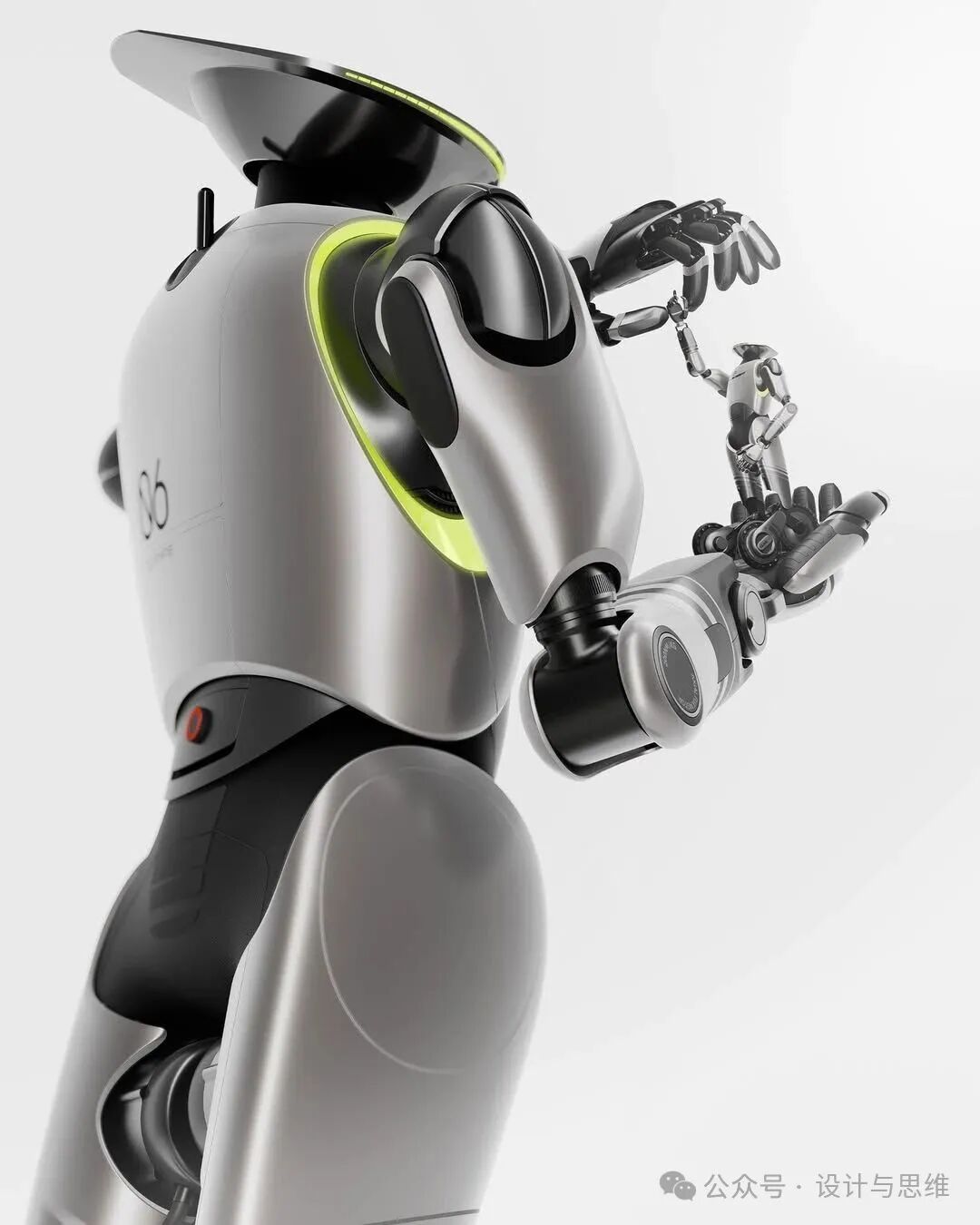
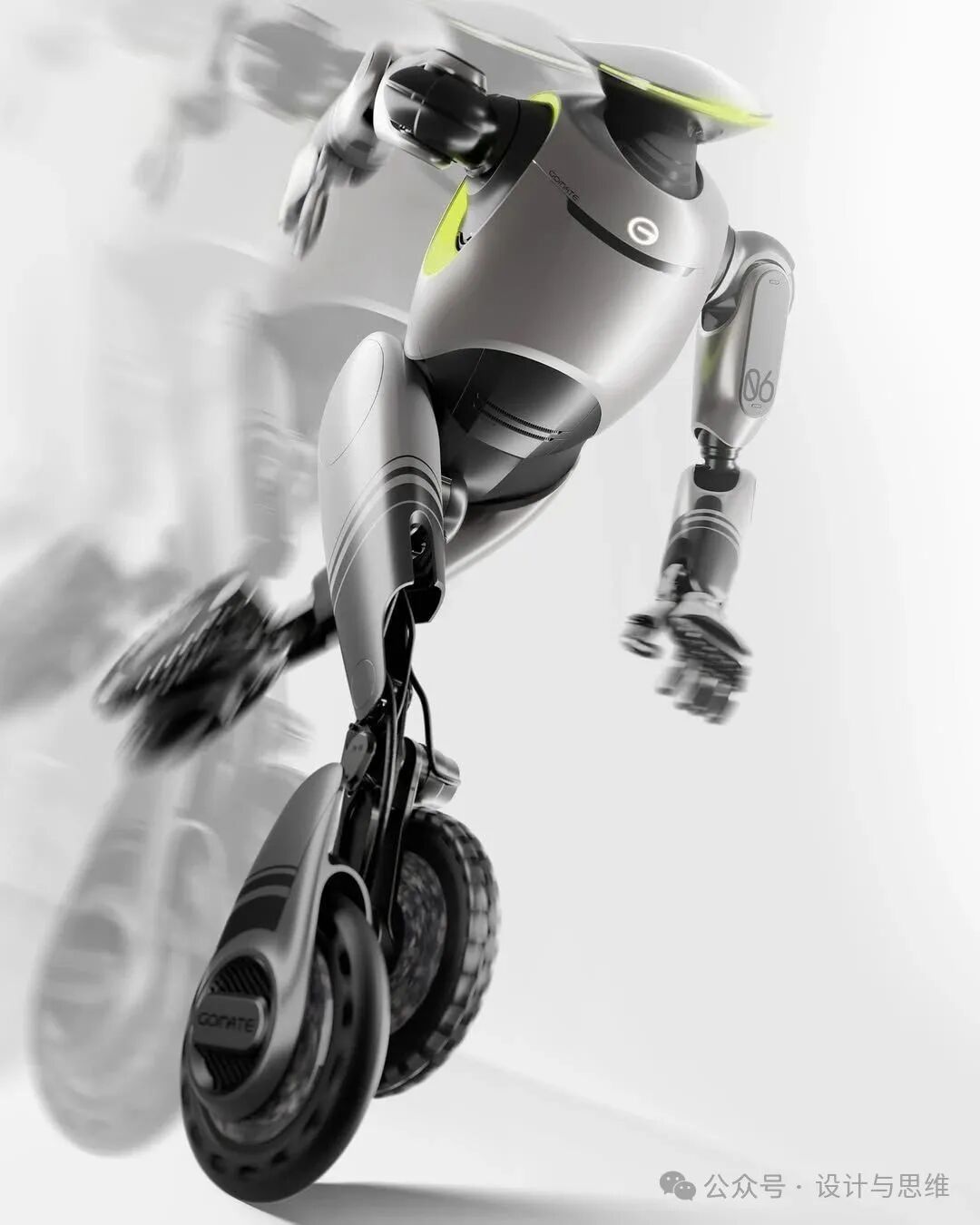
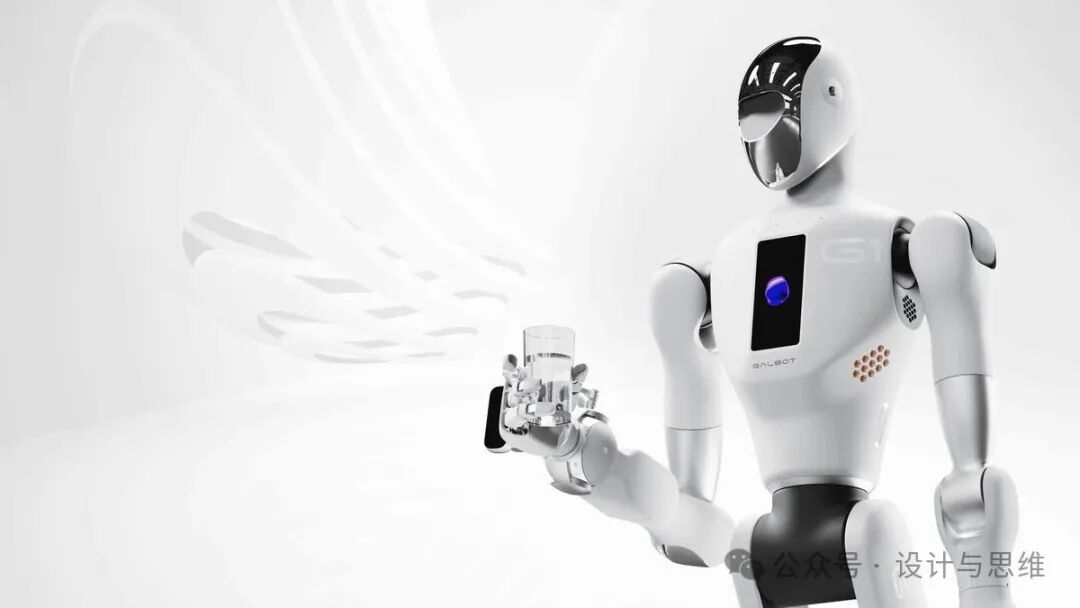
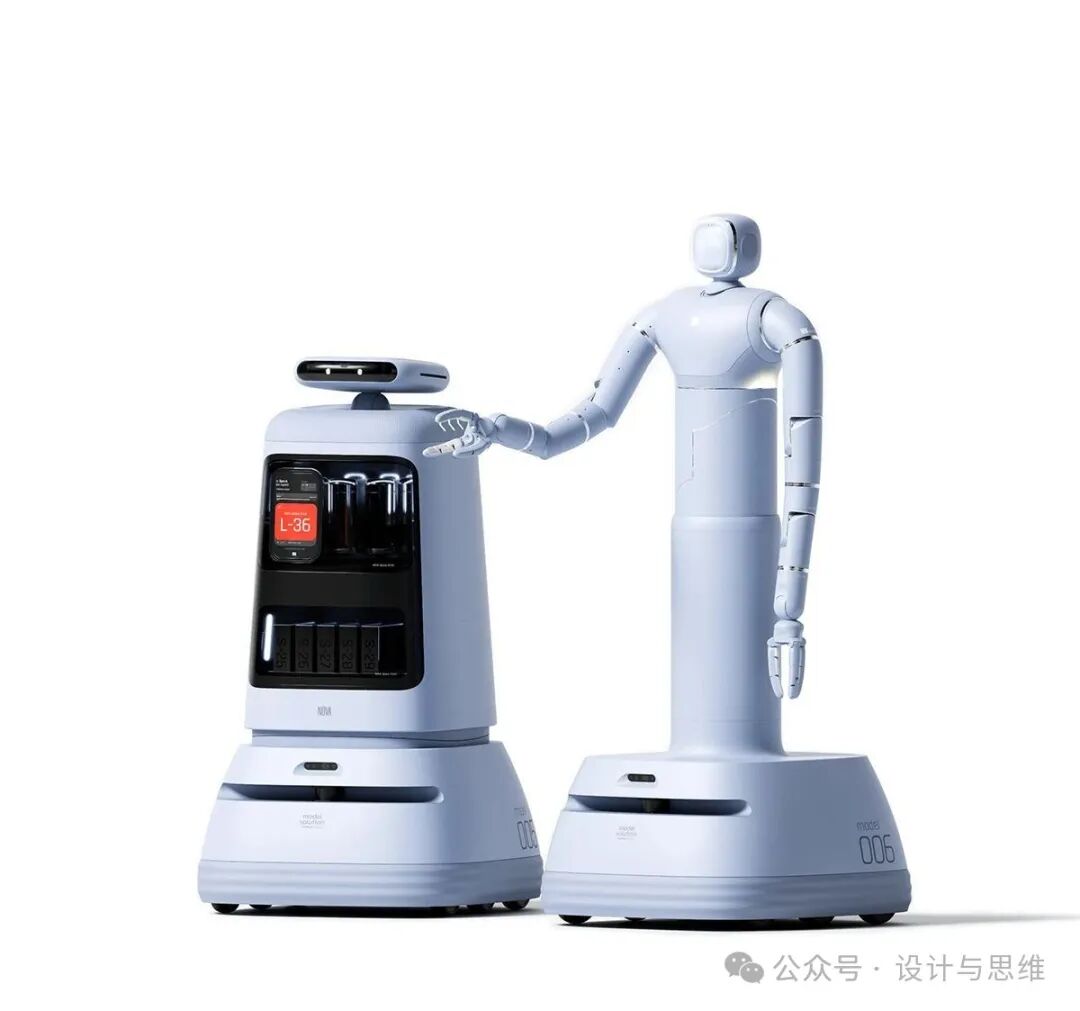
-Ergonomics –
This ensures that robots coexist harmoniously with humans on a physical level.
Safety design is the baseline,including:
Physical Safety Rounded corners, soft material wrapping, force feedback sensing (automatic stop before collision), joint movement speed limits, etc.
Data Security Privacy design (such as physical camera covers), data encryption, etc., which also need to be reflected in the hardware form to build user trust.
Scale and Spatial Relationship The robot’s size must fit its working environment.Industrial robots require a large working radius and load capacity, while household robots must be compact enough to navigate between furniture.
Operating Interface If there are physical buttons or touch screens, their position, size, and tactile feedback must conform to human operating habits.
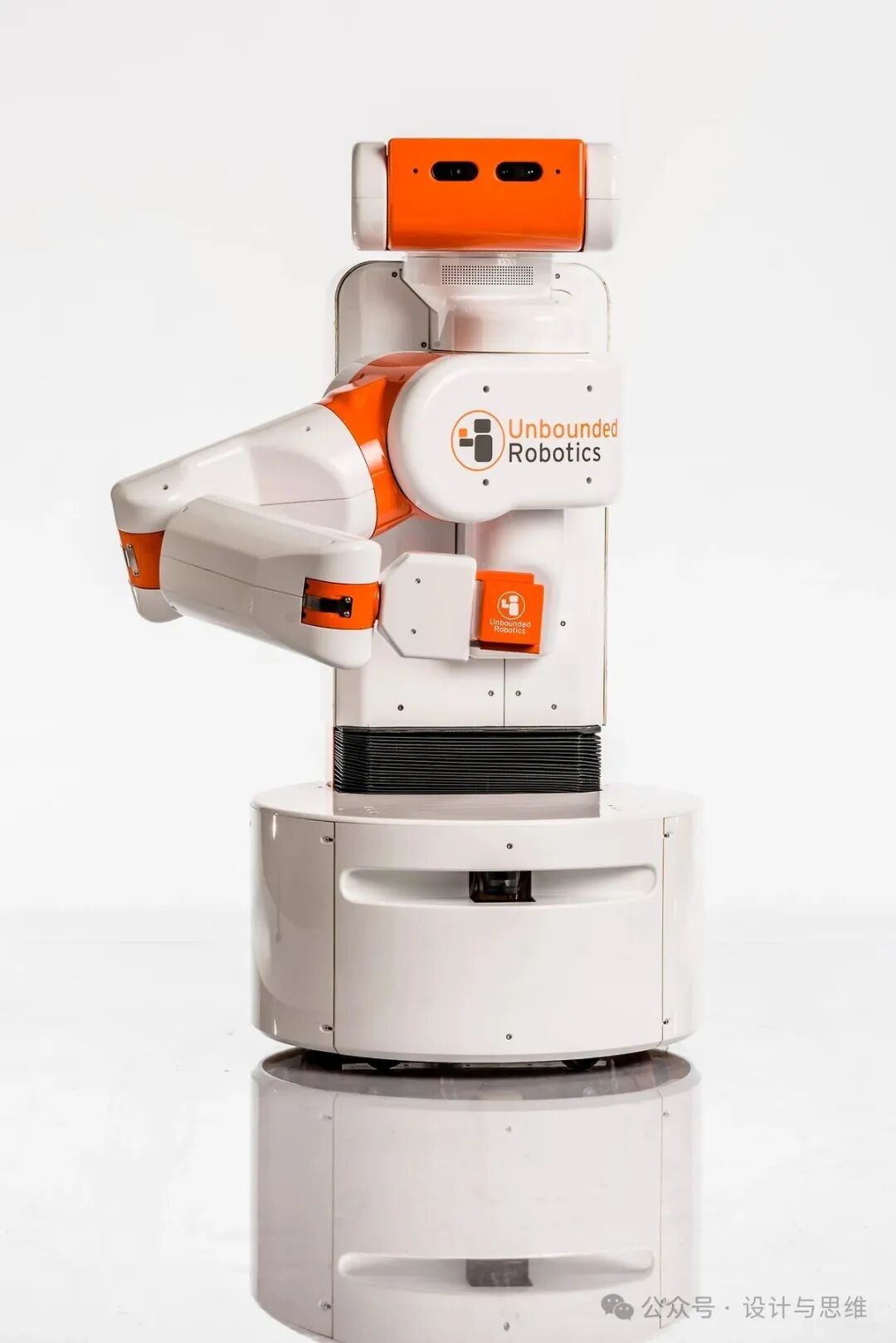
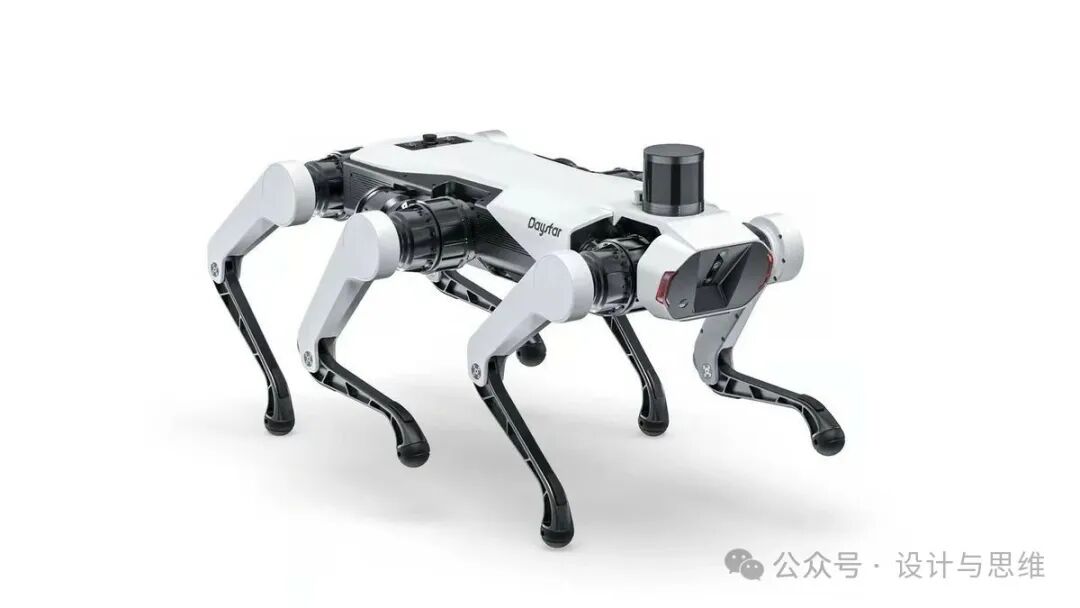
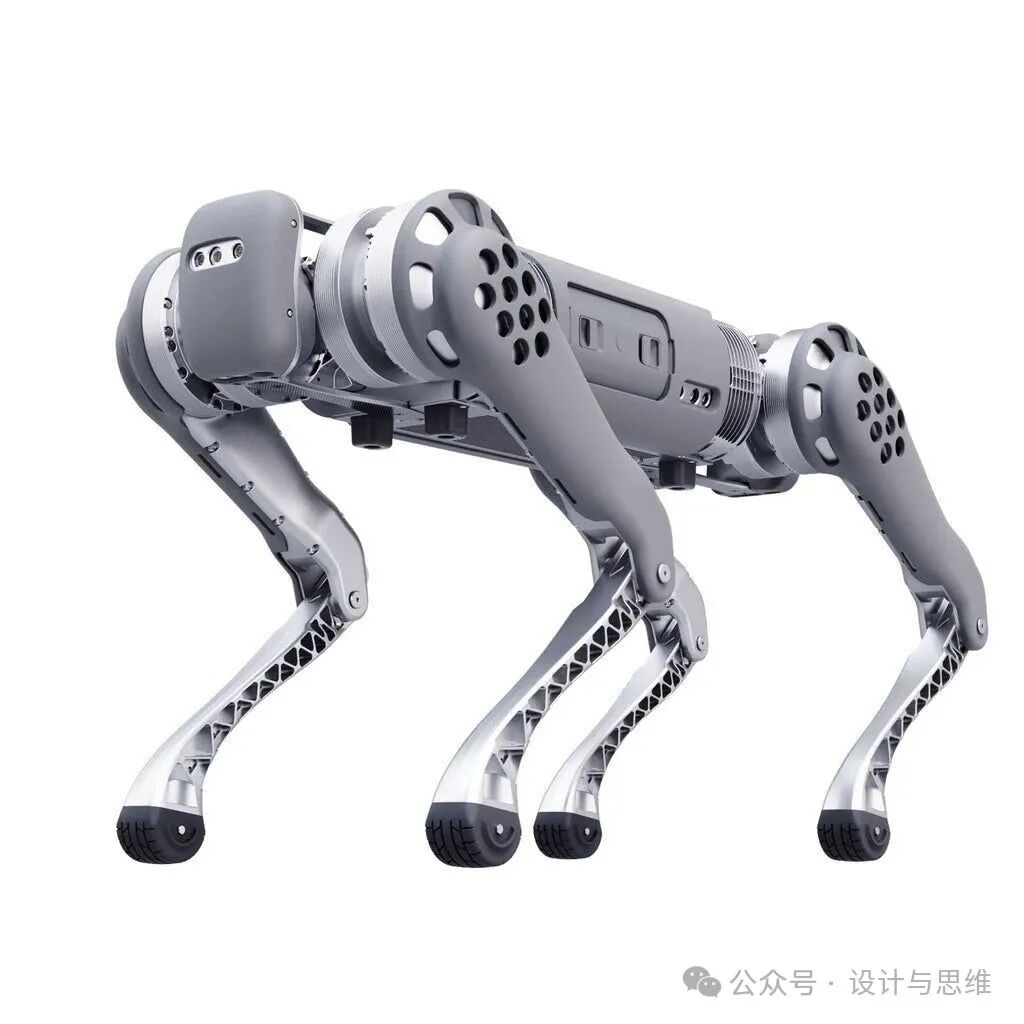
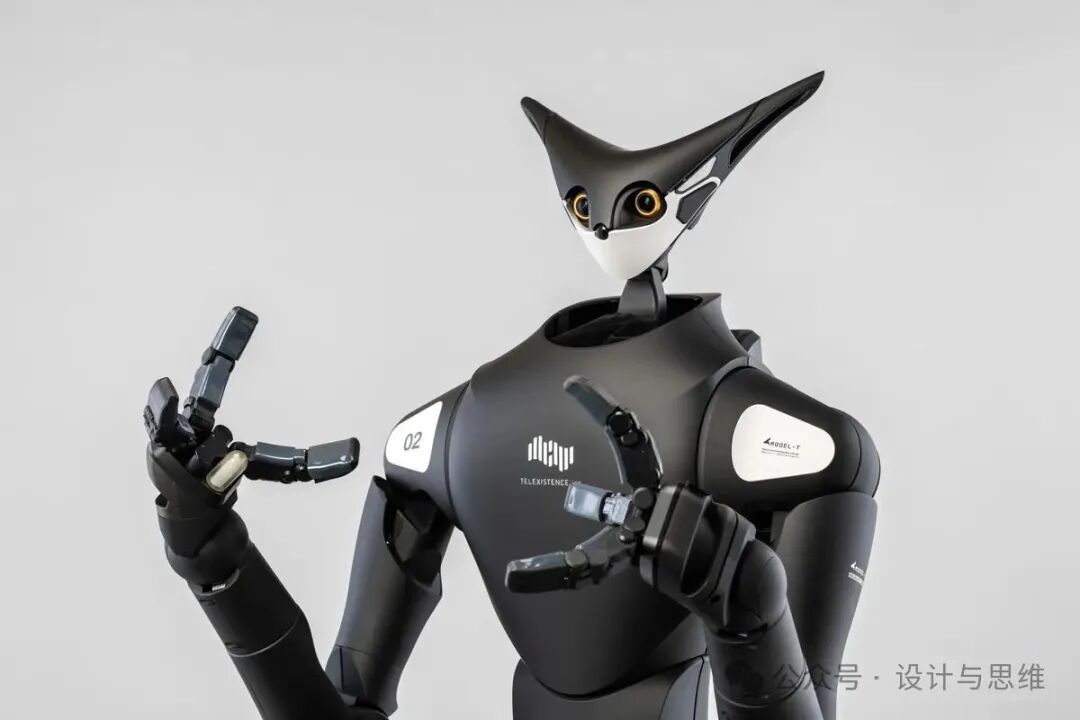
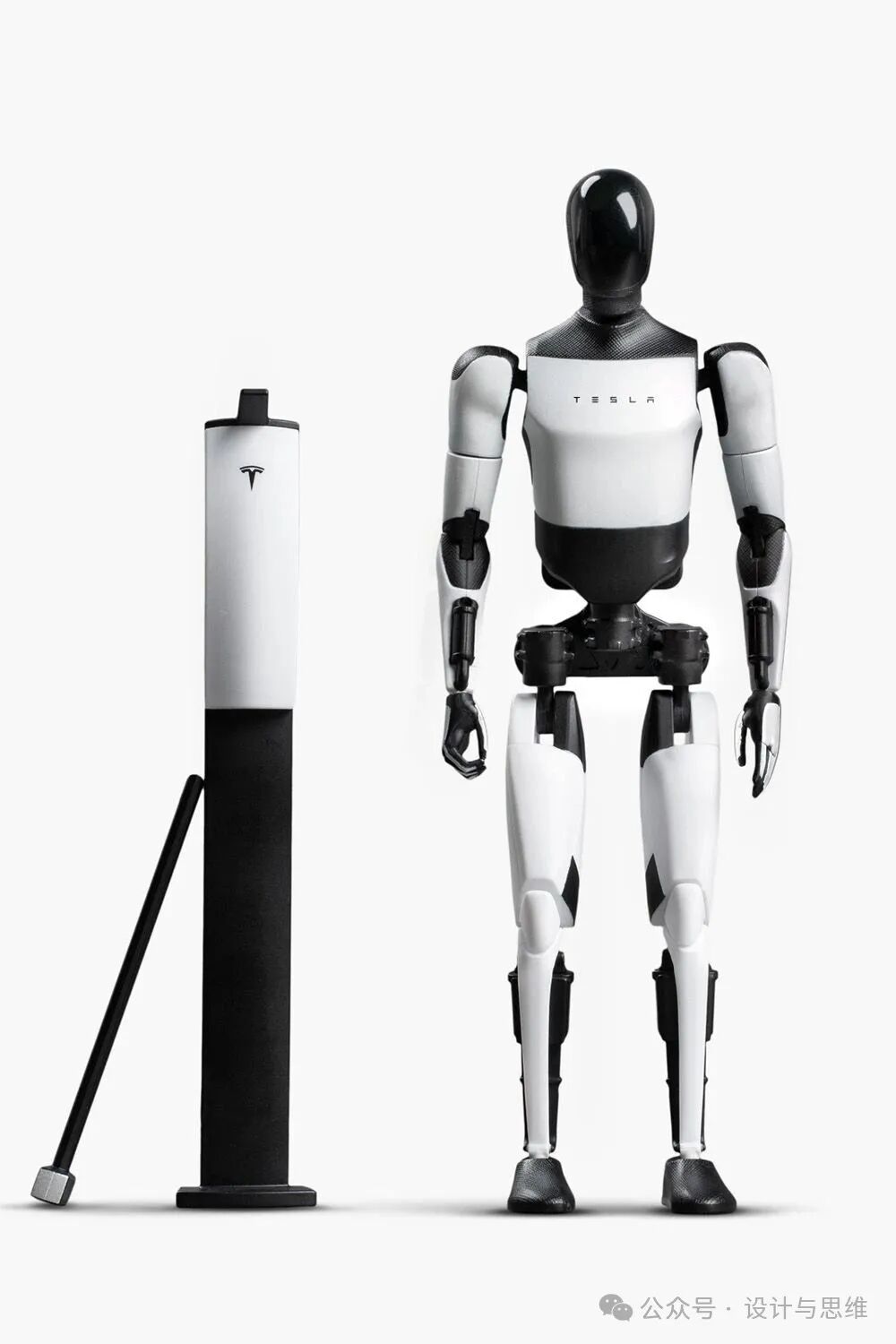
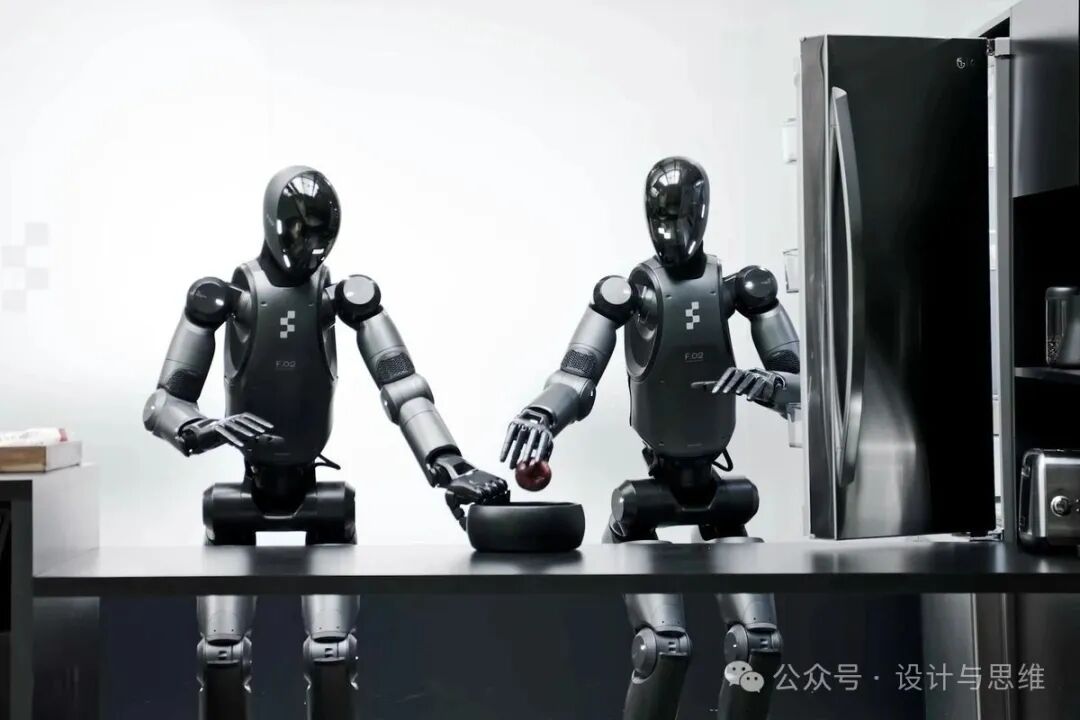
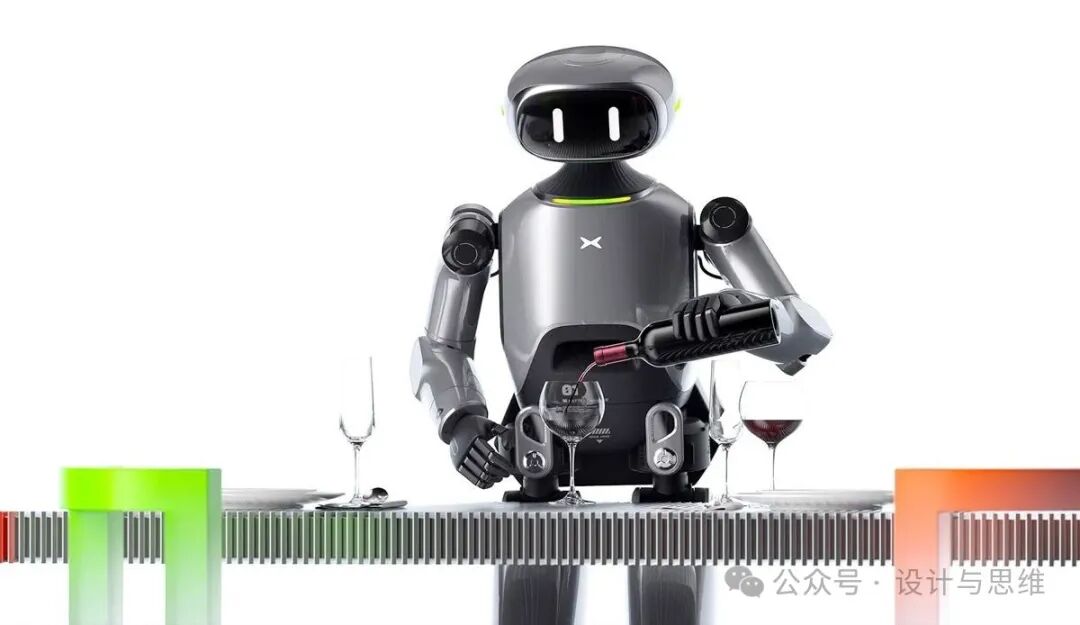
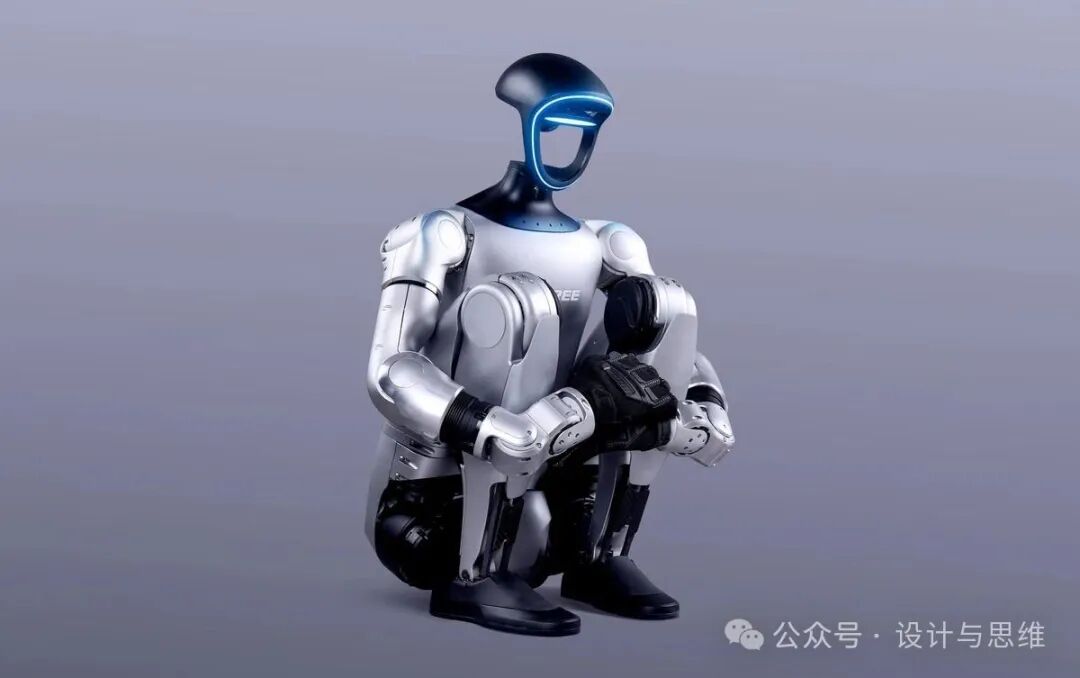
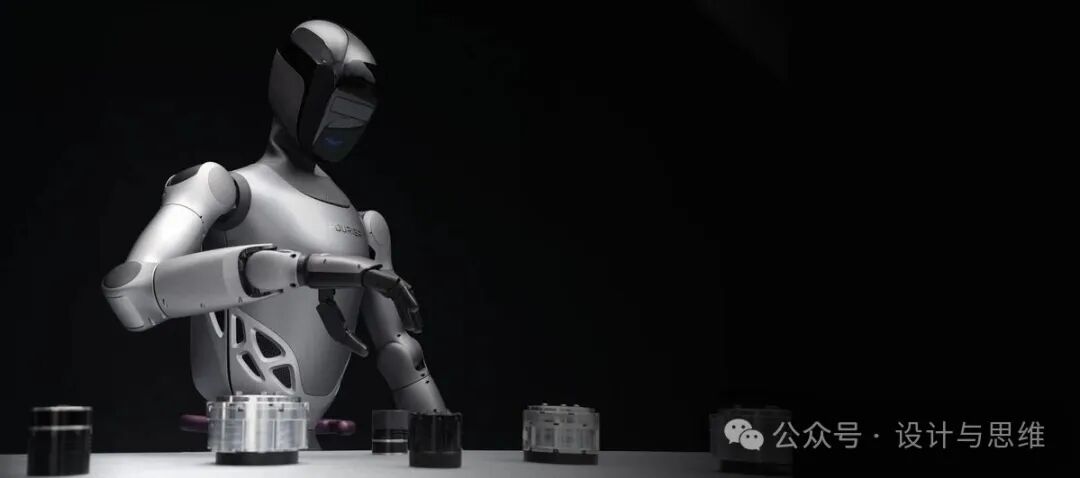
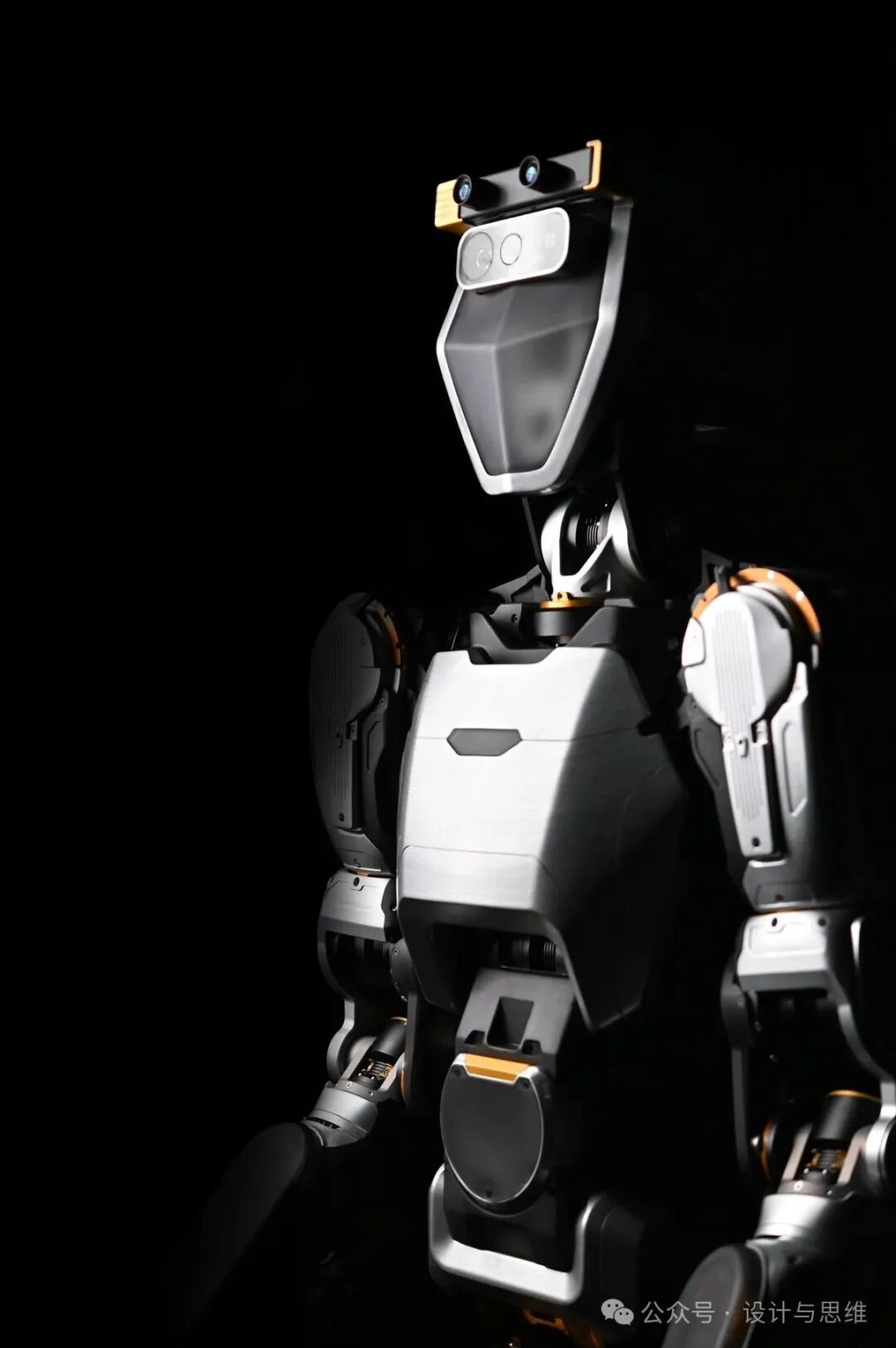
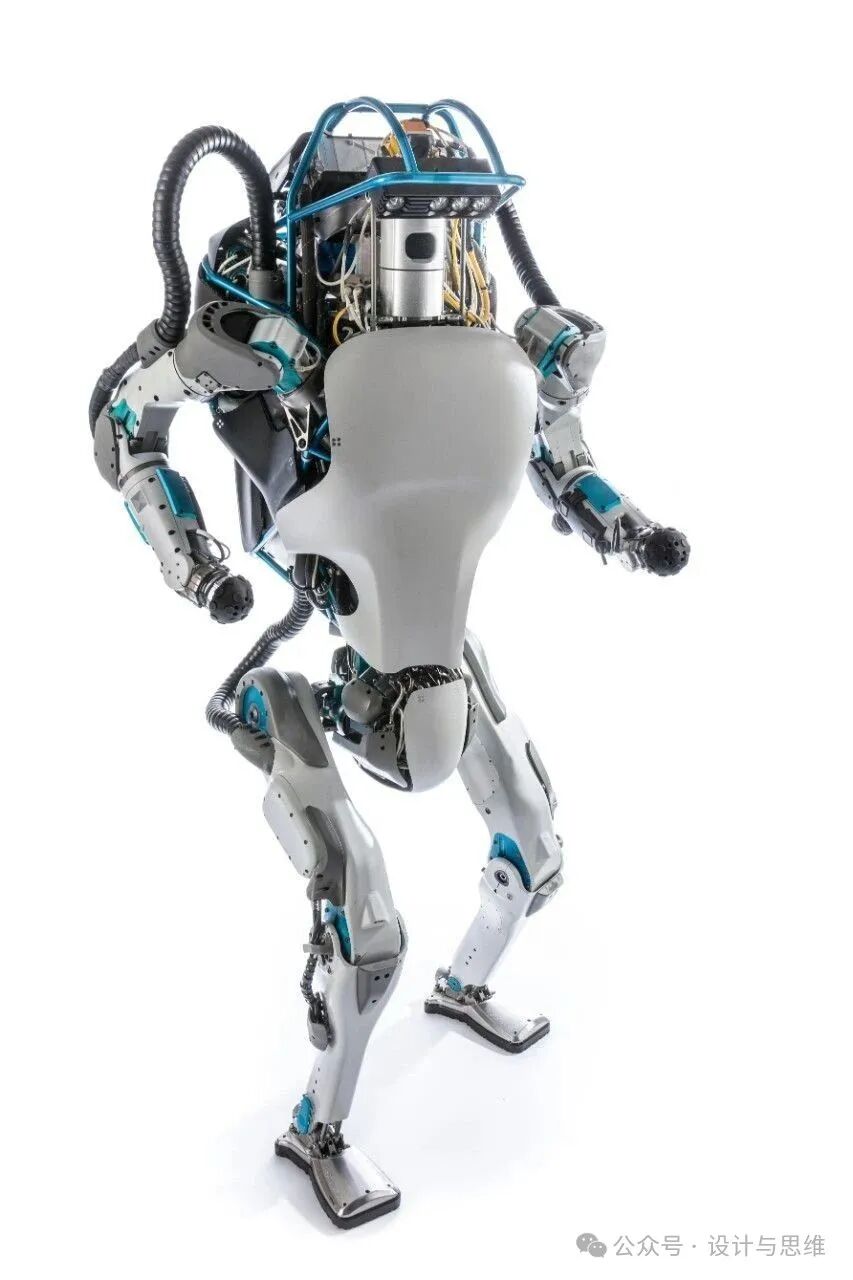
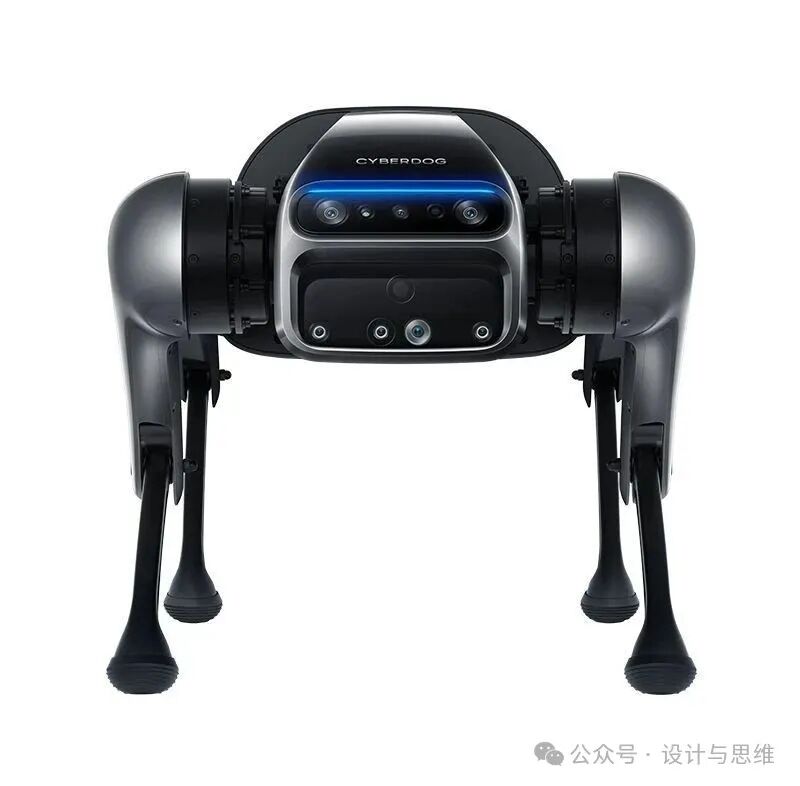
Image Source: Internet | Not for commercial use | Contact for removal
Feel free to leave comments and discuss in the comment section~
Highlights Recap
 【Design Reference】Product “Pivot” Design – Experience the Wisdom of Rotation!【Design Reference】How to Design a Simple Yet Not Simple Shape? Deeseek Teaches You the Right Solution!【Design Reference】Product Texture Design: Ingenious Craftsmanship to Create a Unique Brand Identity!
-Welcome Design Collaboration, Please Leave a Message in the Background-

Exciting Sharing | Cutting-Edge Information | Set as“Starred”!
Welcome to follow, like, and view ↓ ↓ ↓