Understand this article, and you won’t be confused by vendor promotions anymore.
Friends who are considering changing their phones or TVs recently must have been confused by these terms: LCD, OLED, and the newly released Mini LED and Micro LED. Vendors promote each technology as the best; how should one choose?
Today, we will clarify everything.
LCD: The Veteran Technology
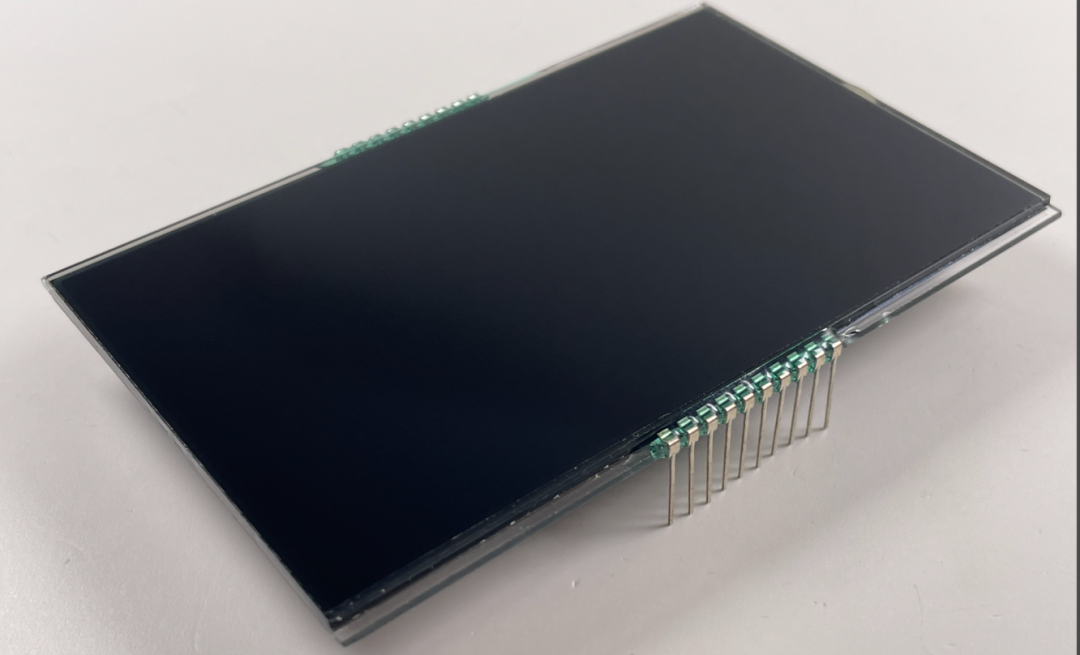
If we compare screen display to watching a movie, then LCD is likecontrolling light with blinds.
Behind the LCD screen is a whole backlight layer, like a large lightbox that is always on. The liquid crystal layer in front acts like blinds, controlling the light that passes through to display images.
The advantages of LCD are quite practical:
-
Affordable price: Mature technology with low costs
-
Long lifespan: No aging issues, it’s normal to use for five to eight years
-
Eye-friendly: DC dimming without flicker, suitable for long-term use
However, its shortcomings are also quite obvious:
-
Black is not pure enough, often appearing gray
-
Screen thickness cannot be reduced
-
Relatively high power consumption
If you have a limited budget or are buying for elderly family members or children, LCD is still a reliable choice.
OLED: The Star of Picture Quality
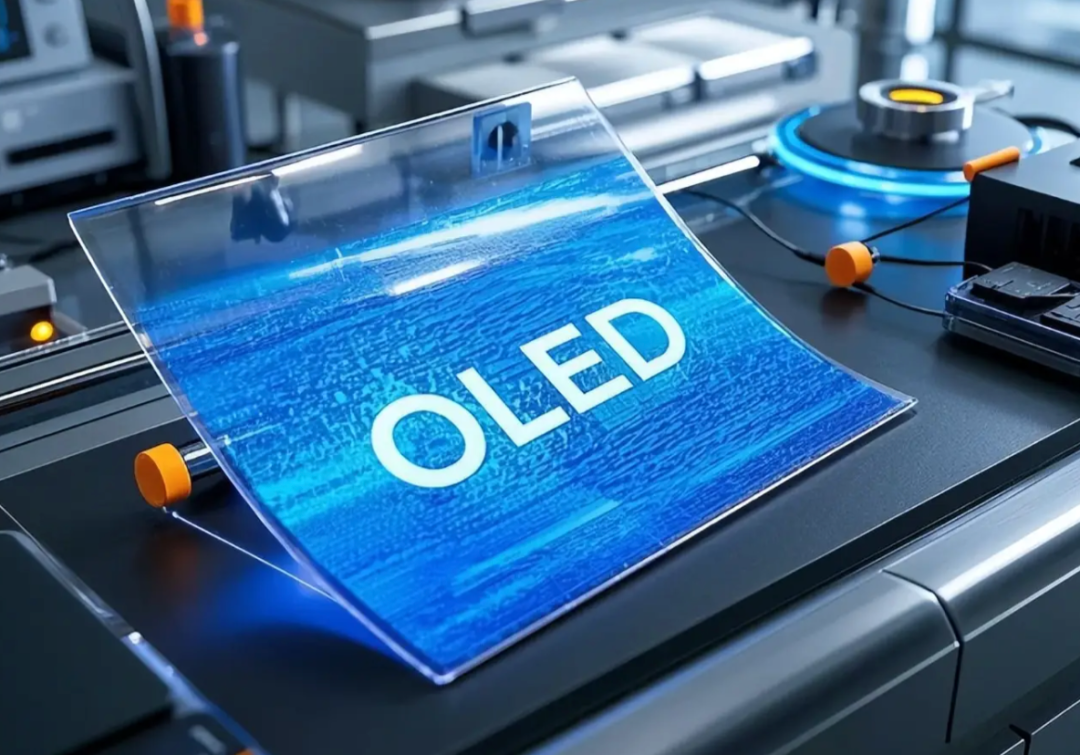
OLED is a completely different technology—each pixel is an independently switchable small light.
It does not require a backlight layer; each pixel emits its own light. When displaying black, the pixels are turned off directly, achieving pure black.
The charm of OLED lies in:
-
Extreme contrast: Pure black, vibrant colors
-
Ultra-thin and flexible: Can be made into curved or foldable screens
-
Extremely fast response: Almost no motion blur when playing games or watching sports
However, OLED also has its troubles:
-
Burn-in risk: Long-term display of static images can leave ghosting
-
Higher price: Good things are naturally not cheap
-
Eye strain at low brightness: Some models use low-frequency PWM dimming that can tire the eyes
For users pursuing picture quality and design, OLED will not disappoint.
💎 Mini LED: The “Fully Upgraded Version” of LCD
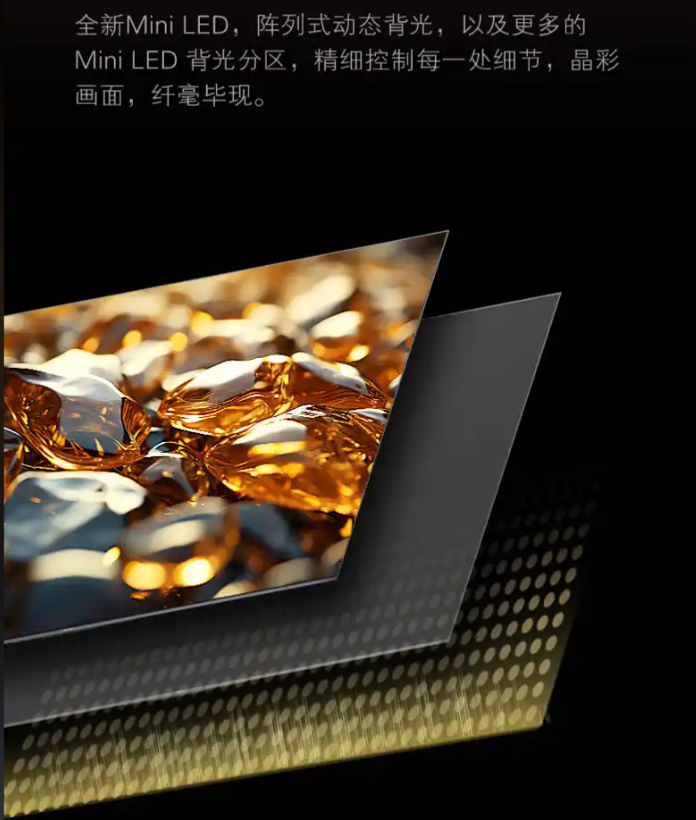
Mini LED is essentially anenhanced version of LCD, which can be seen as a major overhaul of the “flashlight”. It uses thousands of tiny LED beads to form a backlight array and divides the screen intohundreds or even thousands of independently controlled lighting zones.
-
Advantages: It inherits thelong lifespan and no burn-in risk of LCD. At the same time, through precise local dimming, it can light up the LEDs accurately where brightness is needed and completely turn off in dark areas, achievingextremely high contrast and brightness, with picture quality rivaling OLED, even surpassing it inpeak brightness.
-
Shortcomings: Since it still uses backlight through the liquid crystal layer for imaging, in extreme dark scenes (like white subtitles on a black background), there may be slighthalo effects.
💡 Is it suitable for you?If you wantpicture quality close to OLED, while also requiringhigh brightness (like watching TV in a bright living room), and are concerned about burn-in risk, Mini LED is currently a very balanced and wise choice.
🚀 Micro LED: The “Future King” That Everyone Awaits
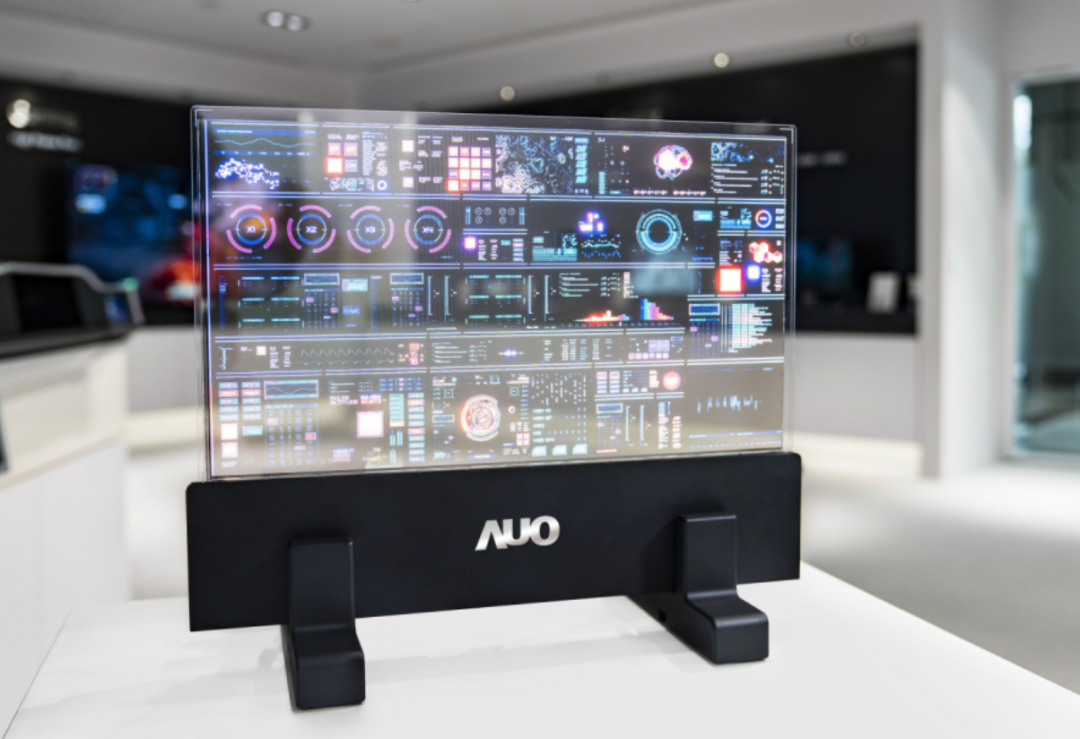
Micro LED is seen by many as the “ultimate form” of display technology. It is likea combination of OLED and LED technology: like OLED, each pixel canemit its own light; but it usesinorganic LED materials, with sizes reduced to the micron level.
-
Advantages:
-
Ultimate combination: Theoretically combines all advantages—infinite contrast and pixel-level dimming of OLED; brightness and color far exceeding OLED; longevity surpassing LCD, andcompletely no burn-in risk.
-
Modular seamless splicing: Can achievetruly borderlessdisplay effects, allowing for the creation of screens of any size through module splicing, such as huge video walls.
-
Challenges: The biggest obstacle currently iscost and mass production technology. Precisely “placing” millions of micron-level LED chips onto a substrate (mass transfer technology) is extremely difficult, with low yield rates, leading toextremely high prices, currently mainly used for commercial displays and in the homes of top wealthy individuals.
How to Choose? No More Confusion After Reading This
-
Want cost-effectiveness: ChooseLCD, it’s affordable and durable
-
Want the best picture quality: ChooseOLED, for an ultimate visual experience
-
Want a balanced experience: ChooseMini LED, balancing brightness and lifespan
-
Not short on budget: Wait forMicro LED to become mainstream
In fact, there is no perfect screen, only the choice that suits you best. Understand your needs and budget, and you can find the most suitable one.
What type of screen are you using? How is your experience? Feel free to share your usage experience in the comments!