In modern industrial production, six-dimensional force sensors are important devices widely used in the automotive industry, aerospace, and medical equipment across both industrial and civilian fields. Especially in the robotics sector, where the technical and operational challenges are significant, they are crucial for the robotics supply chain and other intelligent assembly aspects. Therefore, the Ministry of Industry and Information Technology has included six-dimensional force sensors in the category of core components for key development.
A force sensor is a device that perceives and measures force, capable of measuring the weight of an object. Depending on the measurement dimensions, force sensors can be classified into one to six-dimensional force sensors.
A weighing sensor is a one-dimensional force sensor because it can only measure the gravitational force perpendicular to the ground. If a sensor can only measure force or torque in three dimensions, it is a three-dimensional force sensor. A six-dimensional force sensor, also known as a six-degree-of-freedom force sensor, can measure the forces and torques acting on an object in three directions. The sensor typically consists of load details, elastic elements, strain gauges, and signal processing circuits, with its main principle relying on strain measurement technology. By measuring the strain caused by the forces acting on the internal elastic elements of the object, it uses different principles such as piezoresistive, strain gauge, capacitive, and magnetic to measure the magnitude and direction of the force, and then converts the measurement results into readable data output. Through precise measurement and accurate analysis, six-dimensional force sensors can monitor the force conditions of objects in real-time and provide timely feedback.
Six-dimensional force sensors are the highest dimensional force sensors, capable of providing the most comprehensive force perception information. They have many unique characteristics, which are key factors in their popularity, including high precision and high sensitivity, allowing them to easily detect small changes in force to meet various application needs. Additionally, six-dimensional force sensors feature rapid response times, enabling real-time data recording and transmission, allowing users to receive feedback and make adjustments promptly. Furthermore, six-dimensional force sensors are durable and reliable, suitable for working in various harsh environments.
The Development History of Six-Dimensional Force Sensors
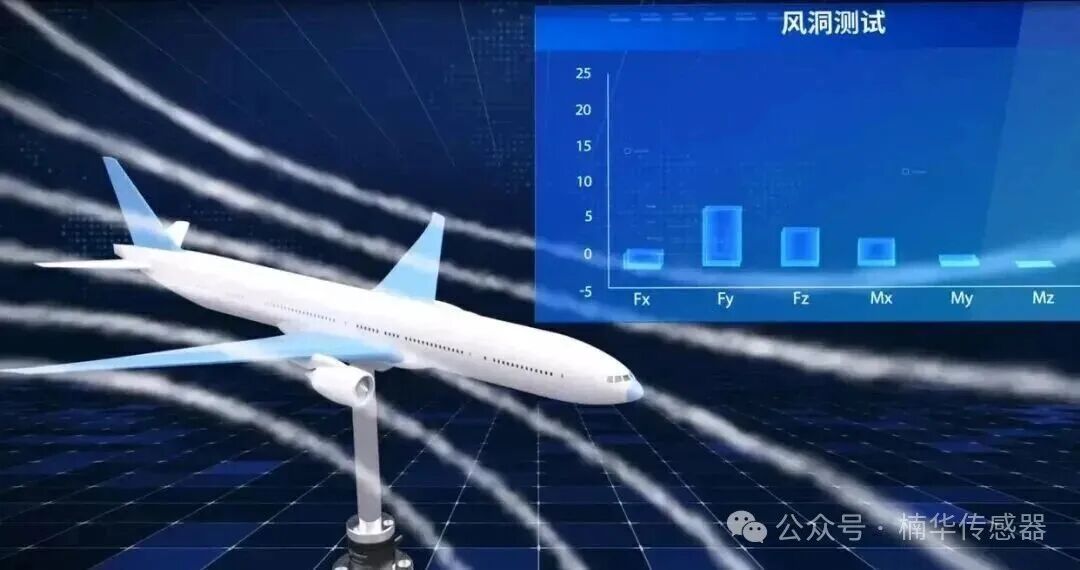
The demand for six-dimensional measurement originated from the aerospace vehicle research field (Figure 1), where six-dimensional force sensors installed inside aircraft are used to measure the aerodynamic characteristics of the aircraft, including lift, drag, lateral force, pitch moment, yaw moment, and roll moment (Figure 2). Orthogonal three-directional forces and three-directional moments are measured simultaneously, necessitating the use of six-dimensional force sensors.
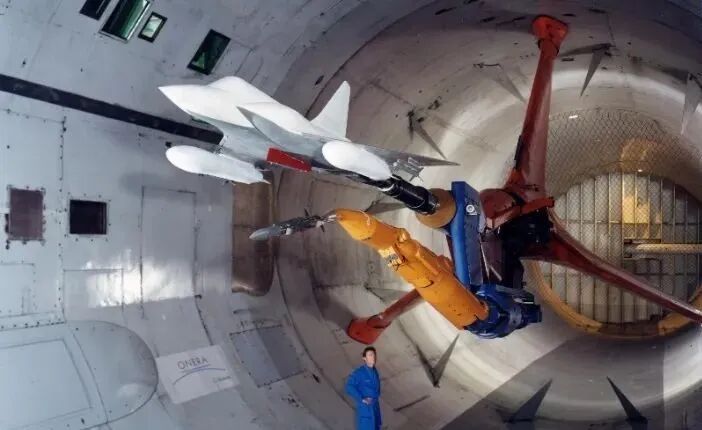
Figure 1: Aerodynamic Measurement Experiment of Aircraft
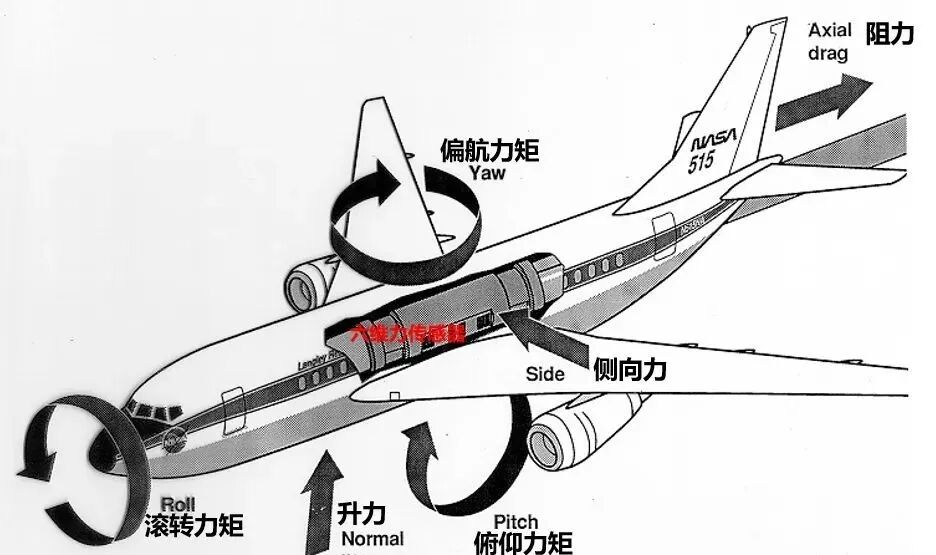
Figure 2: Simultaneous Measurement of Lift/Drag/Lateral Force and Pitch/Yaw/Roll Moments
The earliest six-dimensional force measurements did not use sensors but rather complex large mechanical devices (Figure 3) with intricate principles and manufacturing processes.
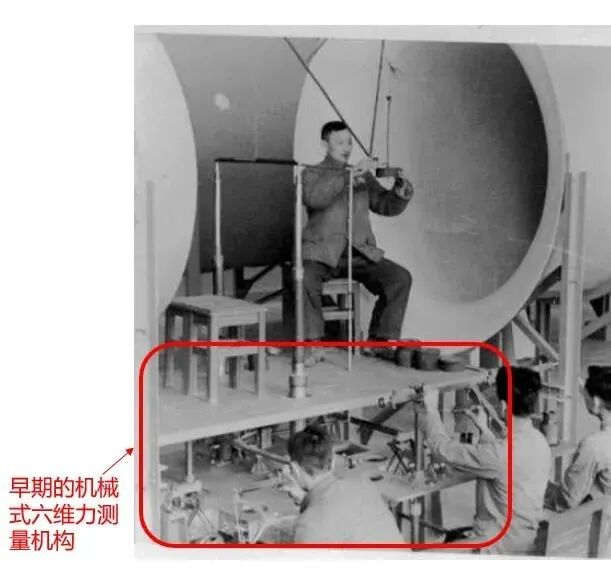
Figure 3: Early Mechanical Six-Dimensional Force Measurement Device
With the development of sensitive component technology, six-dimensional force sensors emerged and gradually found applications in automotive testing, biomechanics, robotics, and many other technological fields. Of course, in different application areas, the product forms and technical characteristics of six-dimensional force sensors vary significantly.
In situations requiring precise measurement, using six-dimensional force sensors not only allows for accurate force measurement but also enables the calculation of the posture of the loaded components using torque information; simultaneously monitoring whether the torque is within a safe range effectively prevents sensor overload damage.
Six-dimensional force measurement technology is a diversified platform technology that can be customized according to different application scenarios and requirements. Six-dimensional force sensors have different product forms across various industries, depending on factors such as environment, load, installation, communication, computing power, and dynamic characteristics. Developing such sensors is very challenging because it is not simply a matter of stacking three one-dimensional force sensors and three torque sensors. It has significant nonlinear mechanical characteristics and requires consideration of issues such as temperature drift, creep, cross-interference of multi-channel signals, and real-time data processing. Furthermore, due to the complexity of six-dimensional joint loading calibration, the technical difficulty of six-dimensional force sensors is six times that of one-dimensional force sensors.
Application Fields of Six-Dimensional Force Sensors
Six-dimensional force/six-dimensional force sensors can accurately measure forces and torques along the X, Y, and Z spatial coordinate axes of robots. They are known as the “tactile nerves” of robots and the “perception center” of intelligent systems. With their multi-dimensional perception capabilities, they play a key role in several high-tech fields.
1. Industrial Robotics and Automation (Market Share Approximately 52%)
1. Precision Assembly
Axial Hole Alignment: A six-dimensional force sensor is installed at the end of the robot to perceive minute resistance in real-time (accuracy up to 0.01N), automatically adjusting the angle to complete “needle threading” level assembly, achieving an assembly accuracy of 0.02mm
Electronics Manufacturing: In the assembly of 3C products such as mobile phones and computers, precise force control prevents component damage and improves yield rates.
2. Intelligent Polishing / Grinding
Real-time monitoring of contact force and automatic adjustment of force ensures product surface consistency, resulting in a 30% increase in efficiency and a 40% reduction in defect rates in a certain automotive component polishing application.
Applicable for high-precision surface treatment of aerospace engine blades, medical devices, etc.
3. Quality Inspection and Process Monitoring
Measuring product mechanical properties, profile scanning, and vibration analysis to establish a “force fingerprint” database for products.
In automotive welding, real-time adjustment of the welding gun posture has led to a 40% reduction in welding defects after implementation in a certain factory.
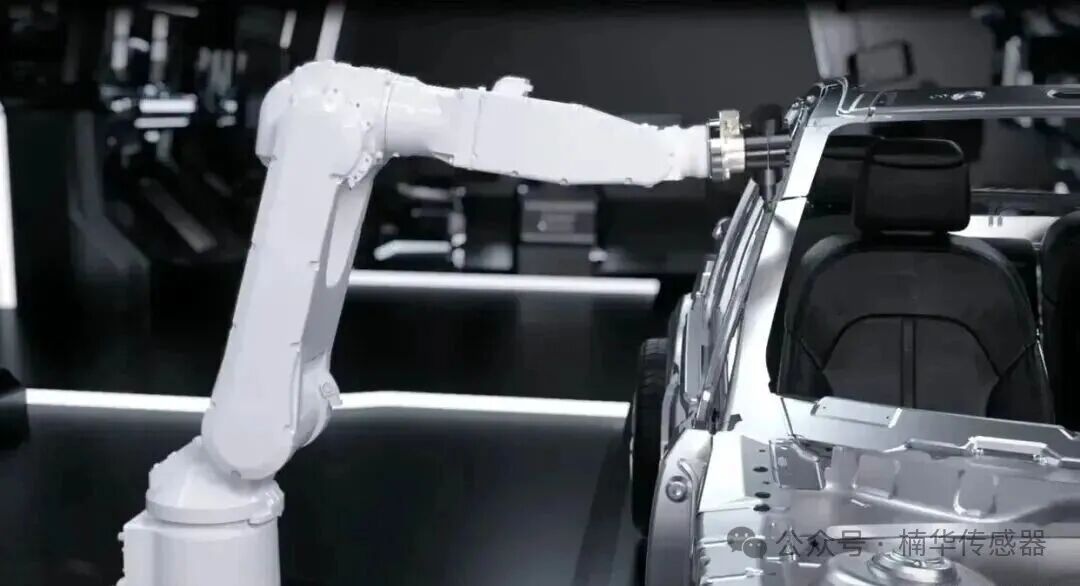
2. Medical and Health Field (Market Share Approximately 21%)
1. Surgical Robots
Minimally Invasive Surgery: For example, the Da Vinci surgical system achieves 0.1mm level vascular suturing through six-dimensional force feedback (resolution of 0.01N) to reduce surgical risks and improve precision.
Orthopedic Surgery: Assists doctors in precisely controlling the insertion force and angle of bone screws, reducing patient trauma.
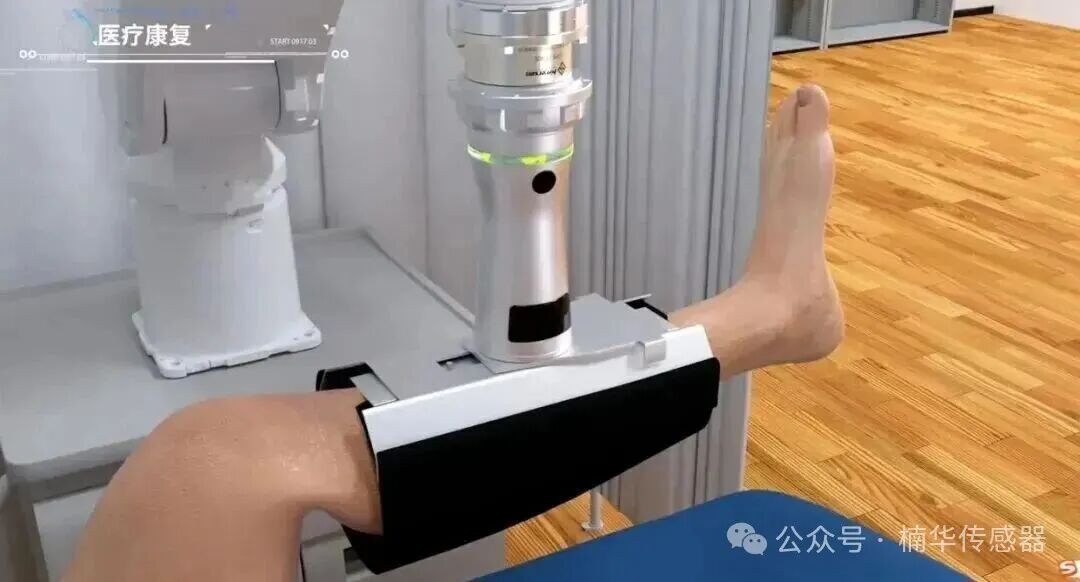
2. Rehabilitation Medicine
Rehabilitation Exoskeletons: Monitor the force of patient limb movements, optimizing gait trajectories, reducing energy consumption by 20%, and helping stroke and paraplegic patients regain walking ability.
Smart Prosthetics: Perceive ground reaction forces to achieve adaptive walking, improving the quality of life for patients.
3. Aerospace and Defense Field
1. Aircraft Testing and Control
Wind Tunnel Testing: Measuring aerodynamic loads on wings, fuselage, etc., providing critical data for aircraft design and optimizing aerodynamic performance.
Engine Testing: Accurately measuring thrust vectors to verify engine performance and stability.
Flight Simulators: Providing realistic tactile feedback to enhance pilot training effectiveness.
2. Spacecraft and Satellites
Docking Mechanisms: Real-time monitoring of contact forces and torques during space docking to ensure precise docking, with certain models of sensors operating stably in extreme environments of -196℃ to +125℃.
Robotic Arm Operations: For example, the robotic arm of the Chinese space station achieves fine operations outside the cabin through six-dimensional force perception.
4. Automotive Industry (Market Share Approximately 7.6%)
1. Safety Performance Testing
Crash Tests: Measuring the force distribution on various parts of the vehicle body at the moment of collision, optimizing airbag trigger logic and vehicle structure design, resulting in a 50% improvement in data accuracy for a certain testing agency.
Seat Comfort: Quantifying pressure distribution in different seating positions to design more ergonomically friendly seats.
2. Component Testing
Suspension Systems: Measuring the forces and torques on shock absorbers to optimize chassis tuning, enhancing driving stability and comfort.
Steering Systems: Evaluating steering wheel operating forces and return torques to improve handling feel.
5. Research and Education Field
1. Mechanical Experimental Research
Material Mechanics Testing: Accurately measuring multi-dimensional stress states such as tension, compression, and bending to obtain material constitutive relationships.
Biomechanics Research: Analyzing forces on human joints and muscle activities to provide data support for sports medicine and rehabilitation therapy.
2. Robot Development
Providing precise force perception for robotics laboratories in universities and research institutions to support algorithm development and control strategy research, such as the iCub humanoid robot using six-dimensional force sensors for gait balance and contact detection.
6. Emerging Application Fields
1. Humanoid Robots (The Fastest Growing Field in the Future)
Wrist Applications: Enhancing the precision of grasping to achieve complex operations such as writing with a pen and pouring water.
Ankle Applications: Sensing ground reaction forces to maintain walking balance and adapt to different terrains (stairs, slopes, etc.), making humanoid robot gait more natural and stable.
2. New Energy Technologies
Battery Testing: Assessing cell compression deformation to enhance lithium battery consistency and provide early warnings for thermal runaway risks.
Hydrogen Fuel Cells: Precisely controlling pressure during stack assembly to ensure sealing performance and power generation efficiency.
3. Special Operations
Marine Engineering: Used in deep-sea robotic arms (4500 meters underwater) to measure ocean current forces and gripping forces, supporting marine resource exploration and rescue operations.
Hazardous Environments: Providing reliable force feedback in chemical explosion-proof robots and coal mining equipment to ensure personnel safety.
Six-dimensional force sensors have gradually expanded from the field of industrial automation to multiple high-tech fields such as medical, aerospace, automotive, and research, becoming the “perception cornerstone” of intelligent manufacturing and intelligent systems. With the rapid development of humanoid robots, minimally invasive medical technologies, and the new energy industry, their application scenarios will continue to expand, and market demand is expected to maintain an annual growth rate of over 20%.