Fetal movement is an important signal reflecting the health of the fetal central nervous system and musculoskeletal system. A decrease in fetal movement may be a warning of intrauterine hypoxia and is even associated with the risk of stillbirth. However, current fetal movement monitoring during pregnancy still faces many challenges: pregnant women may miss up to 40% of fetal movements due to subjective counting, ultrasound examinations rely on professionals and clinical settings and cannot provide continuous monitoring, and existing wearable devices are often bulky, uncomfortable, and susceptible to signal interference.
Research teams from the University of Sydney, Monash University, and others have jointly published a study in Science Advances, introducing a smart compact pressure-strain combined sensor system that is only the size of a Band-Aid and weighs about 3 grams. It can continuously and accurately monitor fetal movements and distinguish between fetal movements and maternal actions using AI algorithms, providing a convenient and reliable new solution for continuous home monitoring during pregnancy!
Research Findings
1. Dual Sensor Combination Design: Wide Coverage + Accurate Positioning
The system integrates two complementary sensors, balancing monitoring range and accuracy:
Octa Strain Sensor: Based on vertically arranged gold nanowires, it has isotropic sensitivity and can capture the stretching deformation of the abdominal skin from all directions. In a 2D scenario, the monitoring range reaches approximately 77 cm², and in a 3D scenario, it expands to about 217 cm², effectively covering various fetal movements;
Forked Electrode Pressure Sensor: With extremely high local sensitivity, it can accurately locate the position of fetal movements. Although the monitoring range in a 2D scenario is only about 13 cm², it can precisely capture localized vigorous movements such as kicking and twitching;
The combination of both solves the problems of “incomplete monitoring” or “inaccurate positioning” associated with a single sensor and reduces interference through signal complementarity.
2. Extreme Miniaturization: Band-Aid Size, Comfortable and Burden-Free
The sensor system achieves extreme miniaturization and lightweight design:
The size of a single sensor is only about 6 cm × 3 cm, with a thickness of 2-4 mm and a weight of only 3 grams. It is fixed with medical-grade double-sided silicone adhesive, requiring no binding, and conforms to the abdominal curve, providing no foreign body sensation during daily activities;
It integrates a flexible circuit board, a micro lithium battery, and a Bluetooth module, allowing it to be directly attached to the pregnant woman’s abdomen, with real-time data transmission to a mobile app, making it easy to operate and convenient for home use.
3. AI Algorithm Empowerment: Accurate Distinction, Accuracy Over 90%
Machine learning algorithms are used to solve signal interference issues and enhance monitoring reliability:
A residual convolutional neural network (ResCNN) model is developed to filter maternal motion noise using chest accelerometer data, effectively distinguishing between fetal movements and maternal actions (such as walking, talking, and physical activity);
In clinical tests, the combined sensor system achieved an AUROC (Area Under the Receiver Operating Characteristic Curve) of 92.18% in distinguishing fetal movements from non-fetal movements, with the pressure sensor alone achieving an accuracy of 89.51% and the strain sensor reaching 84.55%;
It can identify 9 types of fetal movements, including trunk movements, kicking, breathing, twitching, and head movements, and is not affected by factors such as maternal BMI or amniotic fluid volume, demonstrating strong adaptability.
4. Stable Performance: Environmental Tolerance + Long-Term Endurance
The sensor system exhibits excellent stability and practicality:
It can operate stably within a temperature range of 14-37°C and a humidity range of 53%-92%, unaffected by environmental conditions;
A single charge allows for continuous operation for 25 hours, meeting the needs for all-day monitoring, and after 1000 cycles of load testing, the signal shows no significant attenuation, ensuring reliable durability.
5. Clinical Validation: Excellent Performance in Tests with 59 Pregnant Women
The research team conducted clinical trials with 59 pregnant women between 28-37 weeks of gestation, with the sensor operating simultaneously with ultrasound examinations: all types of fetal movements marked by ultrasound were accurately captured by the sensor, especially showing outstanding sensitivity in identifying major types of fetal movements such as kicking and trunk movements; even during the pregnant women’s daily activities, the system effectively filtered interference signals and stably output fetal movement data, validating its clinical practicality.
Illustrated Guide
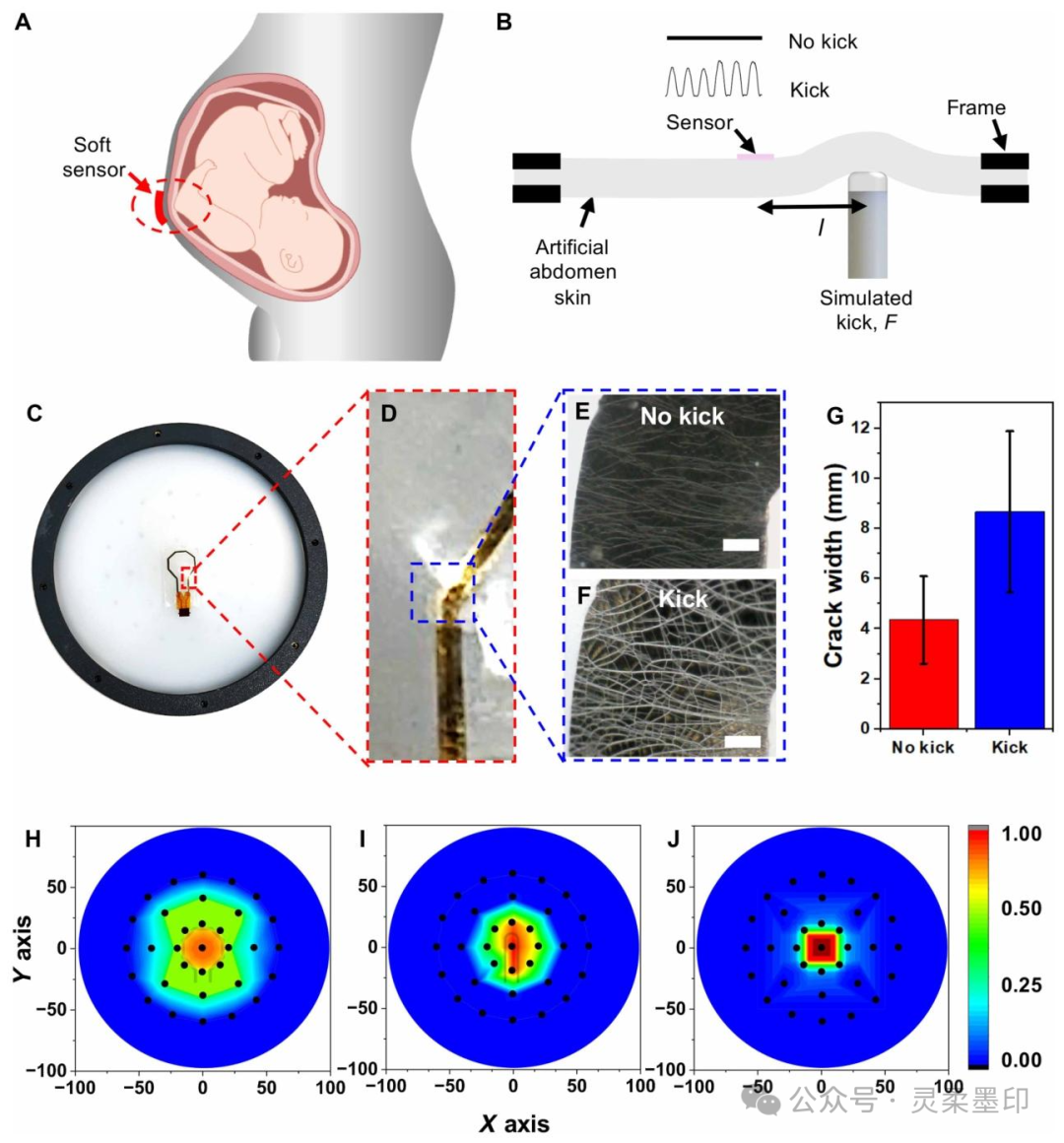
Figure 1: Simulated Fetal Movement in a 2D Artificial Abdomen System
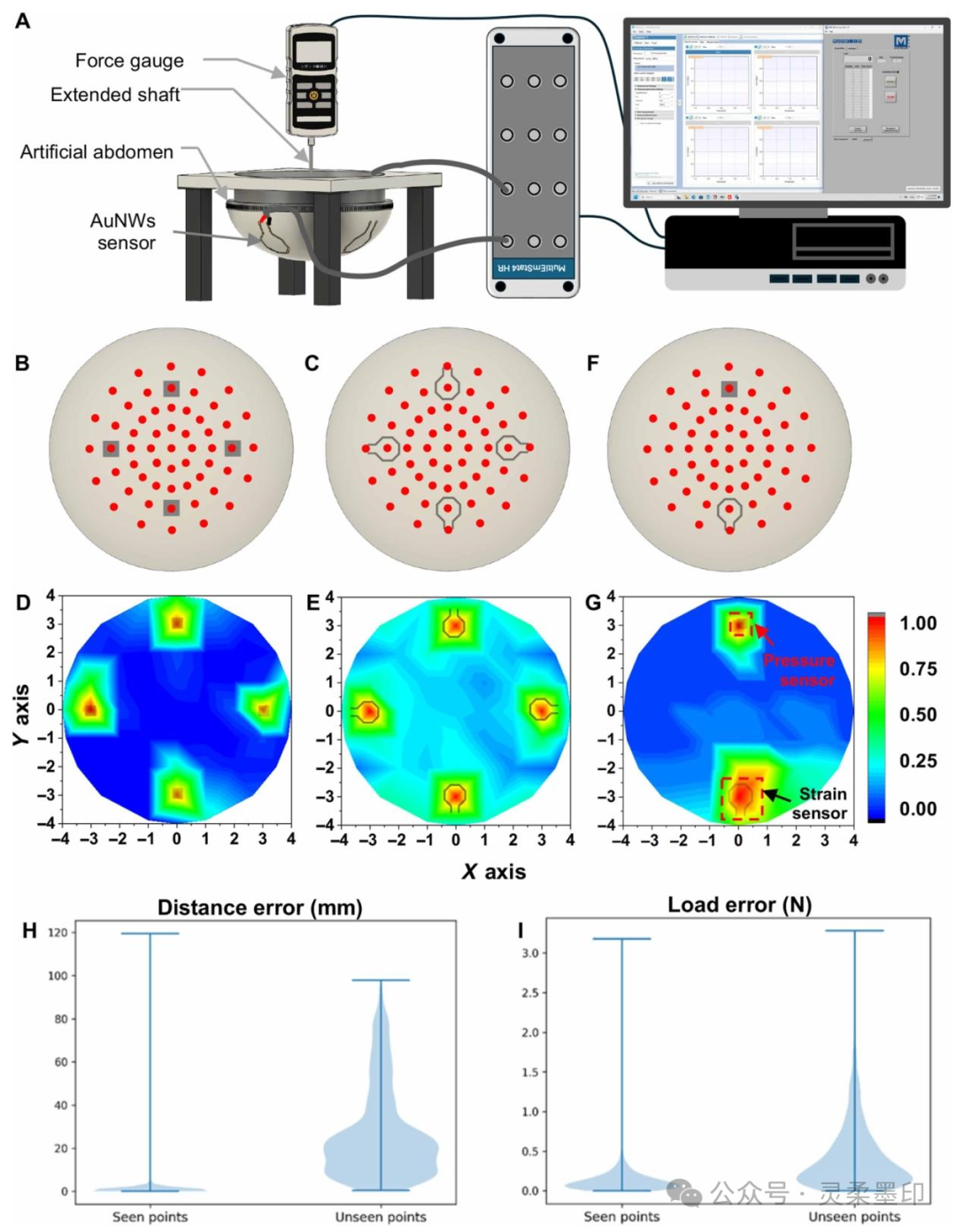
Figure 2: Simulated Fetal Movement in a 3D Artificial Abdomen System
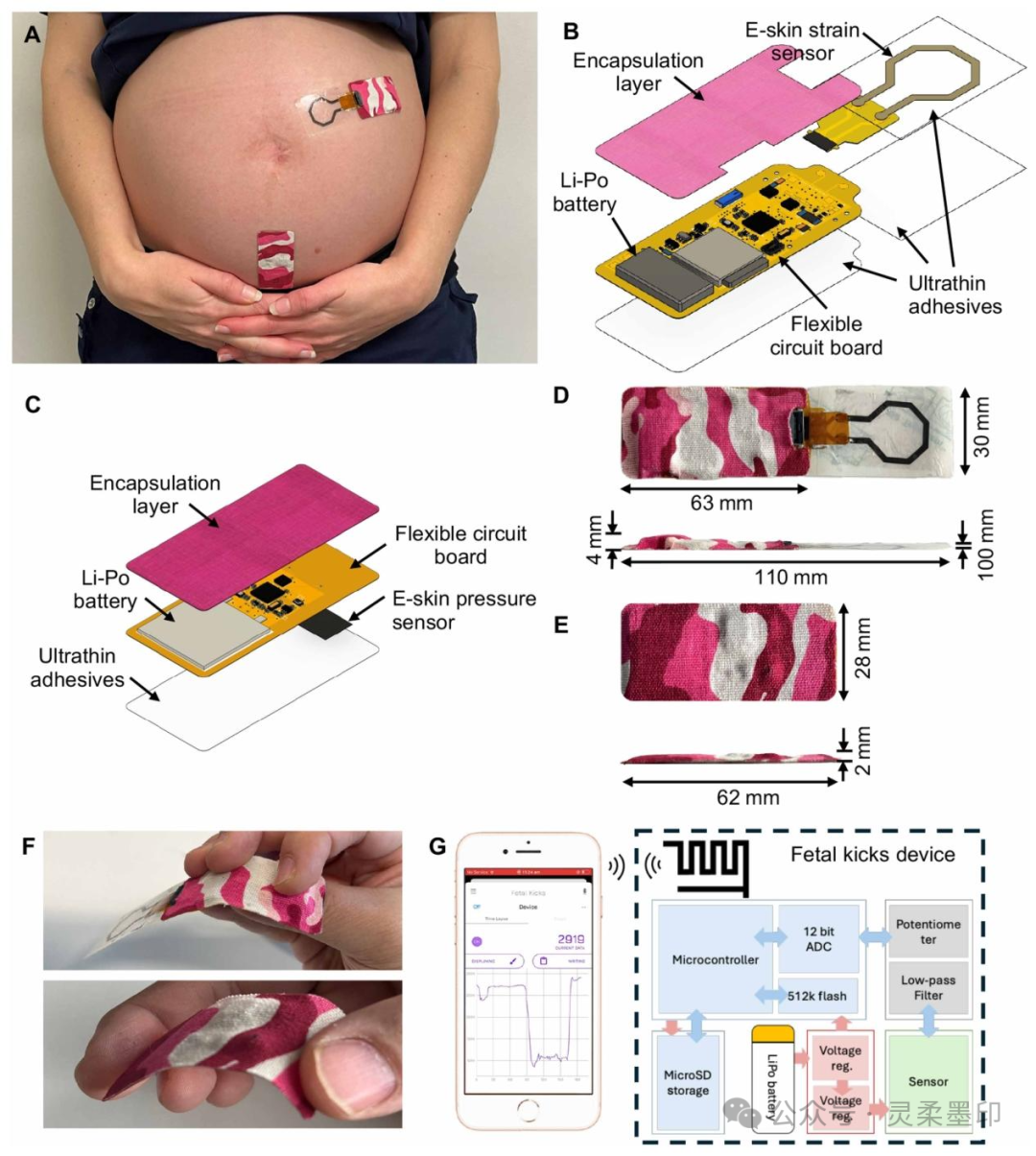
Figure 3: Pressure-Strain Combined Sensor System
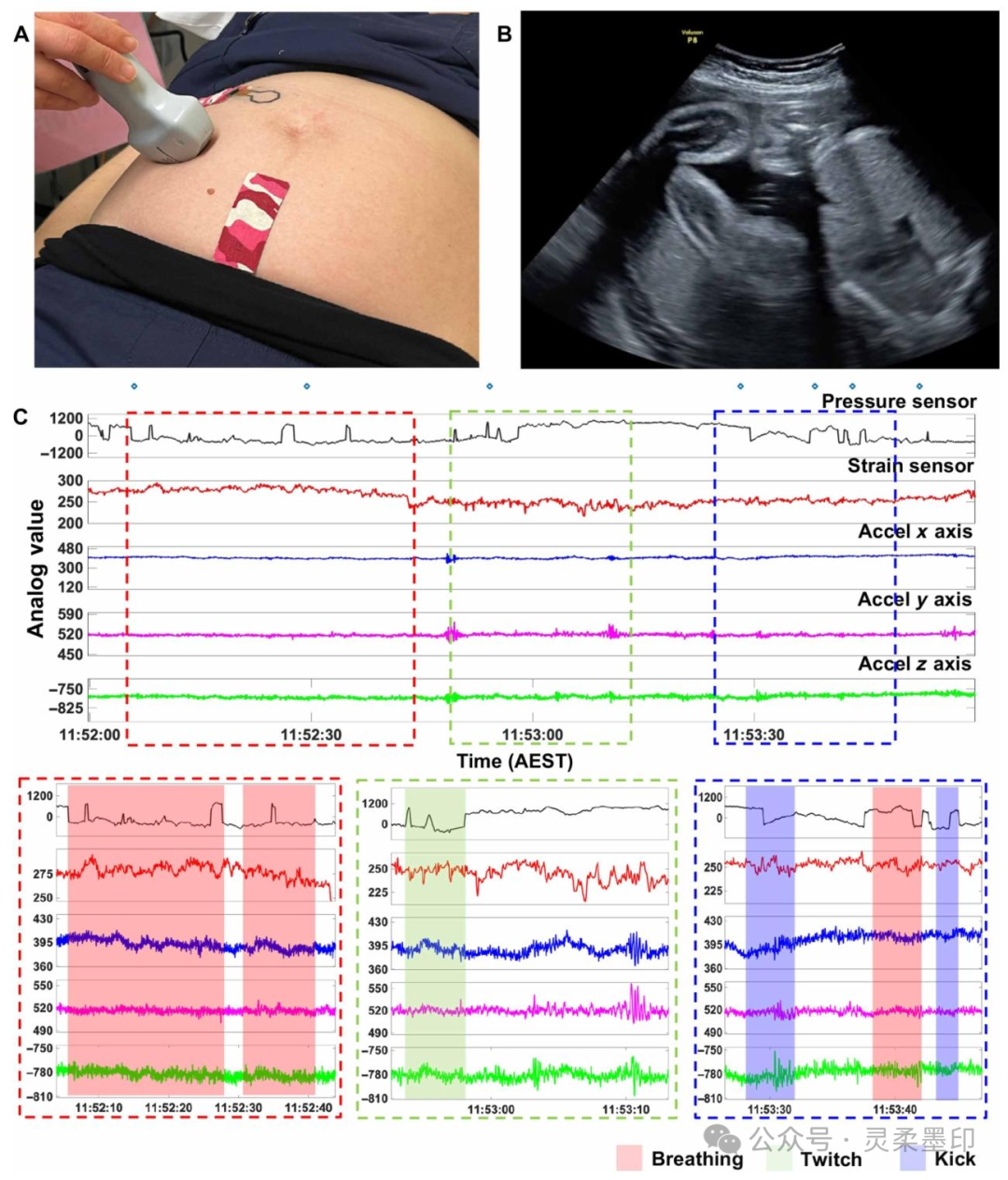
Figure 4: Multi-Modal Signal Recording
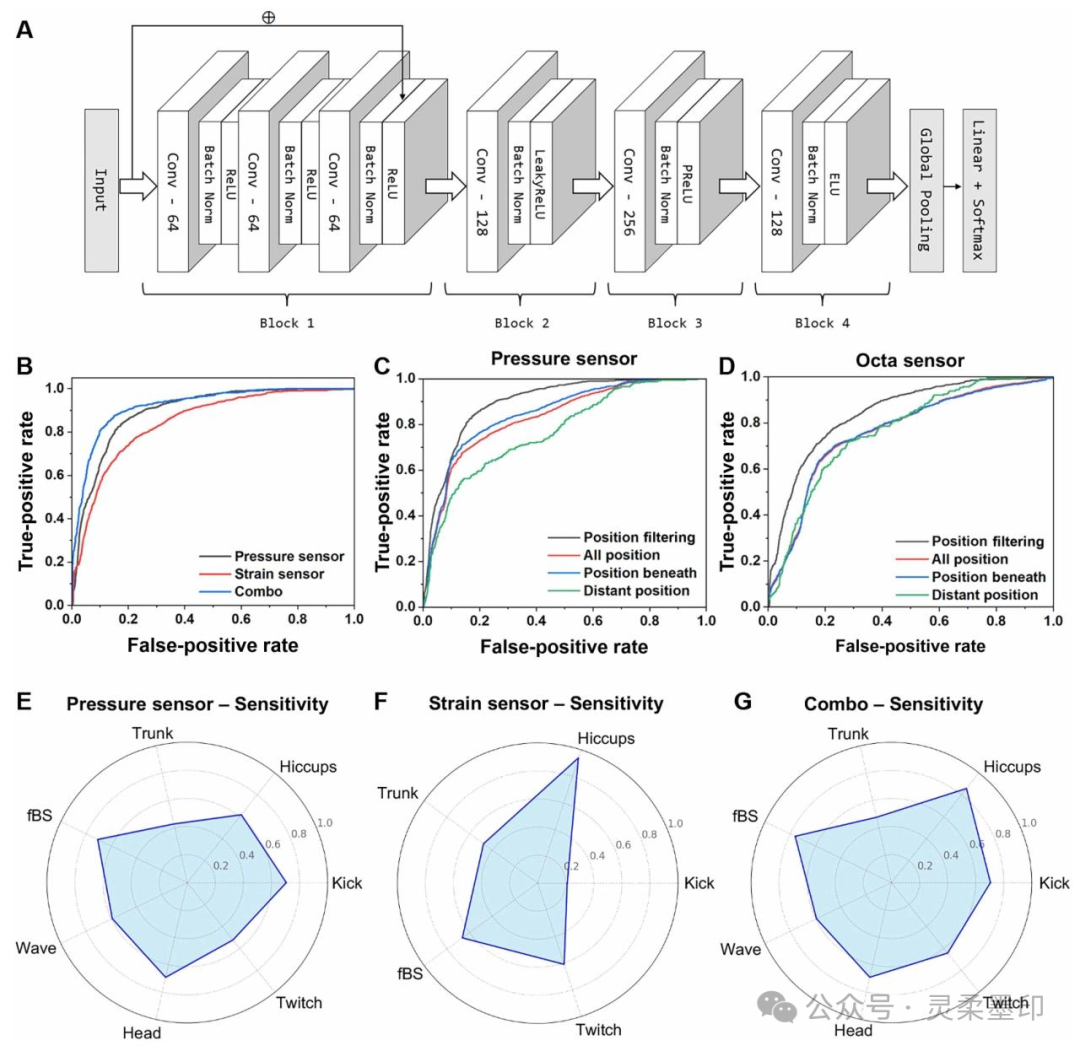
Figure 5: Machine Learning of the Pressure-Strain Combined Sensor System
Conclusion
This Band-Aid-sized pressure-strain combined sensor system, through the innovative combination of “dual sensor complementarity + extreme miniaturization + AI intelligent recognition,” completely addresses the core pain points of traditional fetal movement monitoring, which is subjective, intermittent, and bulky. It can continuously and accurately capture fetal movement information, allowing pregnant women to use it easily in a home environment without professional operation, providing all-day monitoring for fetal health.
In the future, with the advancement of large-scale clinical validation, this system is expected to become a routine monitoring tool during pregnancy, helping pregnant women to grasp fetal conditions in real-time and detect abnormal fetal movements promptly, thereby supporting the reduction of adverse pregnancy outcomes. At the same time, its miniaturized, low-power, and highly integrated design approach also provides a new direction for the development of wearable medical devices.