 Imagine this: you have just invested heavily in a whole-house smart system, including high-definition cameras, smart speakers, robotic vacuums, and background music… However, when you try to watch a 4K movie in the bedroom, the video starts to stutter; when you walk onto the balcony, the smart door lock suddenly goes “offline”. This experience instantly diminishes the sci-fi feel of smart homes.
The core pain point of smart homes often lies not in the devices themselves, but in the connection—specifically, your WiFi network.For large homes, villas, or families with complex structures, the era of a single router operating alone is completely over. What you need is a professional-grade, zero-roaming, high-bandwidth “invisible infrastructure”.
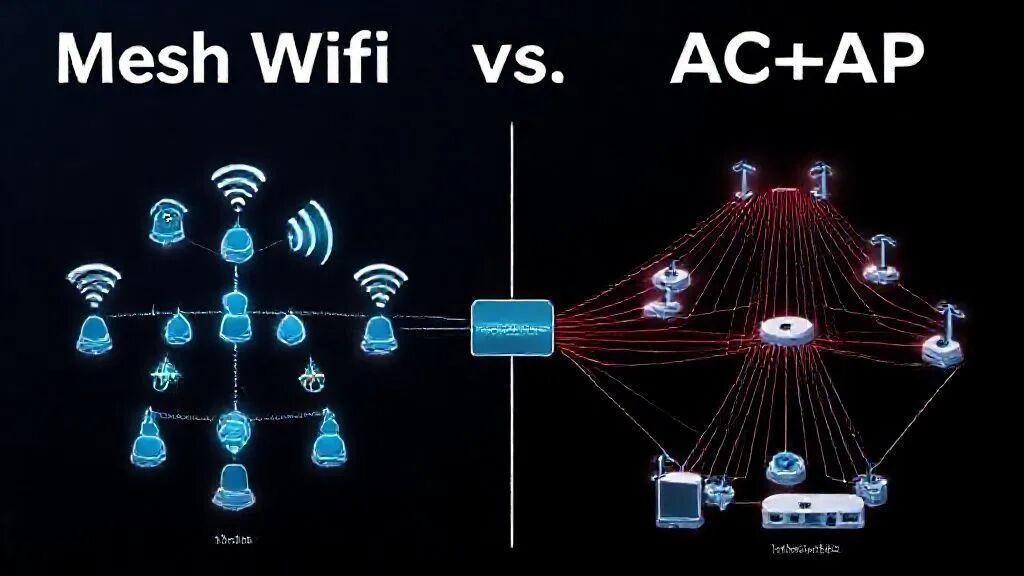
While Mesh networks have become popular, they still have essential differences in performance, stability, and professionalism compared to the AC+AP solution we are introducing today. True professionals choose AC+AP.
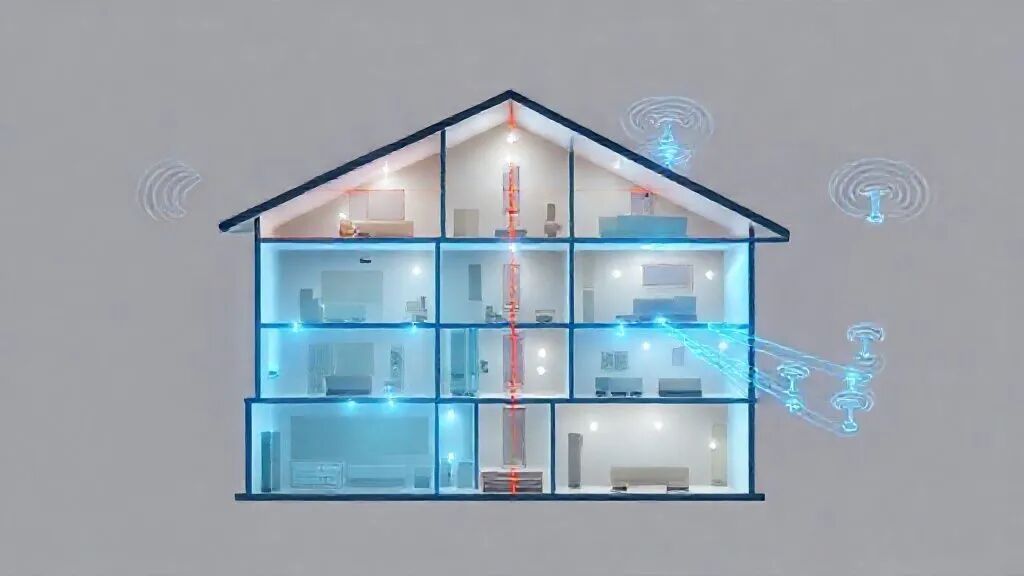
In-Depth Analysis of the AC+AP Solution: Why It Is the Professional’s First Choice?
The AC+AP (Access Controller + Access Point) solution is a mature technology derived from enterprise-level and hotel-level wireless network deployments. It is not simply a “collection of routers” but a highly centralized management system.
1. AC (Access Controller): The Brain and Command Center
The AC is the “central processor” of the entire system. It is responsible for the unified management of all AP devices in the home. This means:
- Zero Roaming Switching:When you move from the living room to the bedroom, your phone or laptop does not need to reconnect to WiFi; the AC will automatically and seamlessly switch you to the AP with the best signal, achieving true “roaming freedom”.
- Unified Configuration and Management:All APs only need to be configured once on the AC, greatly simplifying future maintenance.
- Load Balancing:The AC can intelligently allocate user traffic, preventing any single AP from becoming overloaded and causing stuttering.
2. AP (Access Point): The “Tentacles” of Signal
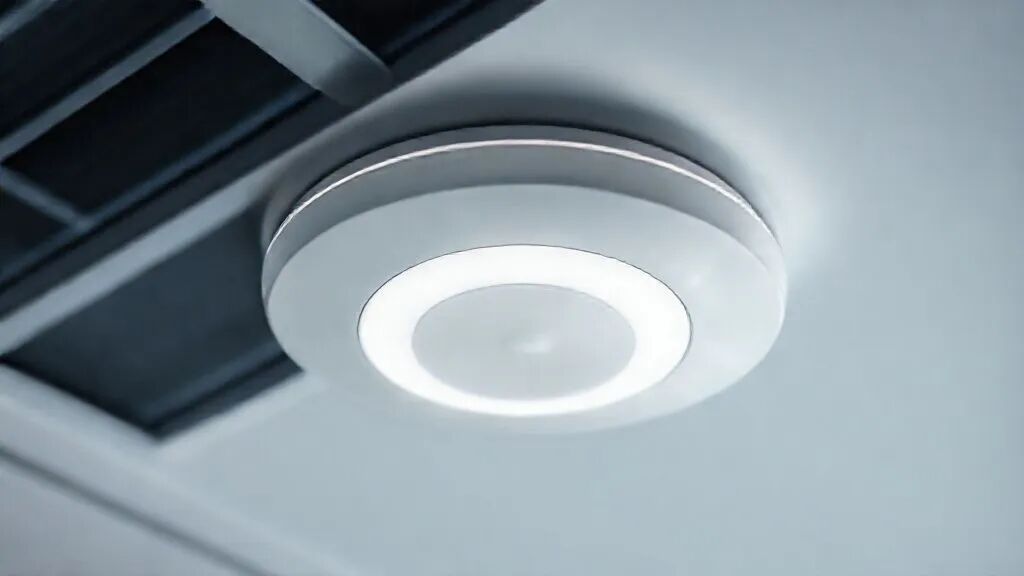
AP devices do not have routing functions; they focus on one thing: transmitting powerful WiFi signals. They are typically designed to be ceiling-mounted or wall-mounted, connected to the AC or PoE switch (powered via Ethernet), perfectly integrating into the decor to achieve seamless signal coverage.
Say Goodbye to Mesh’s “Secondary Hops”: The Absolute Advantage of Stability
Many users choose Mesh to solve coverage issues. While Mesh is convenient, it has a fatal weakness:Signal attenuation and backhaul loss.
Mesh nodes often rely on wireless connections (wireless backhaul) between them. Each “hop” results in a loss of bandwidth. The gigabit bandwidth you receive from the main router may drop to only three or four hundred megabits by the time it reaches the third node. This is unacceptable for smart home systems that require extremely high stability.
The advantage of AC+AP is:Each AP is directly connected to the core network via independent high-speed Ethernet cables (wired backhaul). This means that no matter where you are, you enjoy nearly the same “full-blooded” bandwidth and extremely low latency as the main router. Stability is the lifeline of smart homes, and AC+AP provides enterprise-level stability assurance.
Additionally, AC+AP typically supports more professional VLAN segmentation, allowing you to completely isolate guest networks, IoT device networks, and private device networks, greatly enhancing network security and management efficiency.
Deployment Recommendations: The Best Time Is Before Renovation
The deployment of AC+AP requires pre-installed Ethernet cables, soplanning the network structure during the wiring phase of home renovation is crucial.
Core Deployment Elements:
- Determine AP Locations:Generally, an AP should be set up every 80-120 square meters or every load-bearing wall. It is recommended to install APs on the ceiling or high up for optimal signal coverage radius.
- Pre-install High-Quality Ethernet Cables:Each AP location needs to run a super six (Cat6A) or seven (Cat7) Ethernet cable back to the weak current box/network cabinet. High-spec cables are the foundation for achieving gigabit or even 10-gigabit transmission over the next decade.
- Weak Current Box Planning:Since it needs to accommodate the AC, PoE switch, and optical modem, the weak current box should be larger than traditional homes and pay attention to heat dissipation.
- Select Device Brands:Many professional brands offer AC+AP solutions (such as TP-Link, Ubiquiti Unifi, H3C, etc.). Choosing a complete ecosystem ensures the best compatibility and management experience.
A high-quality AC+AP deployment means you will say goodbye to network anxiety for the next decade.When your whole-house smart system runs stably, you will truly feel the joy and efficiency brought by technology.