Innovation Factory Open Day
Innovation Factory Open Day
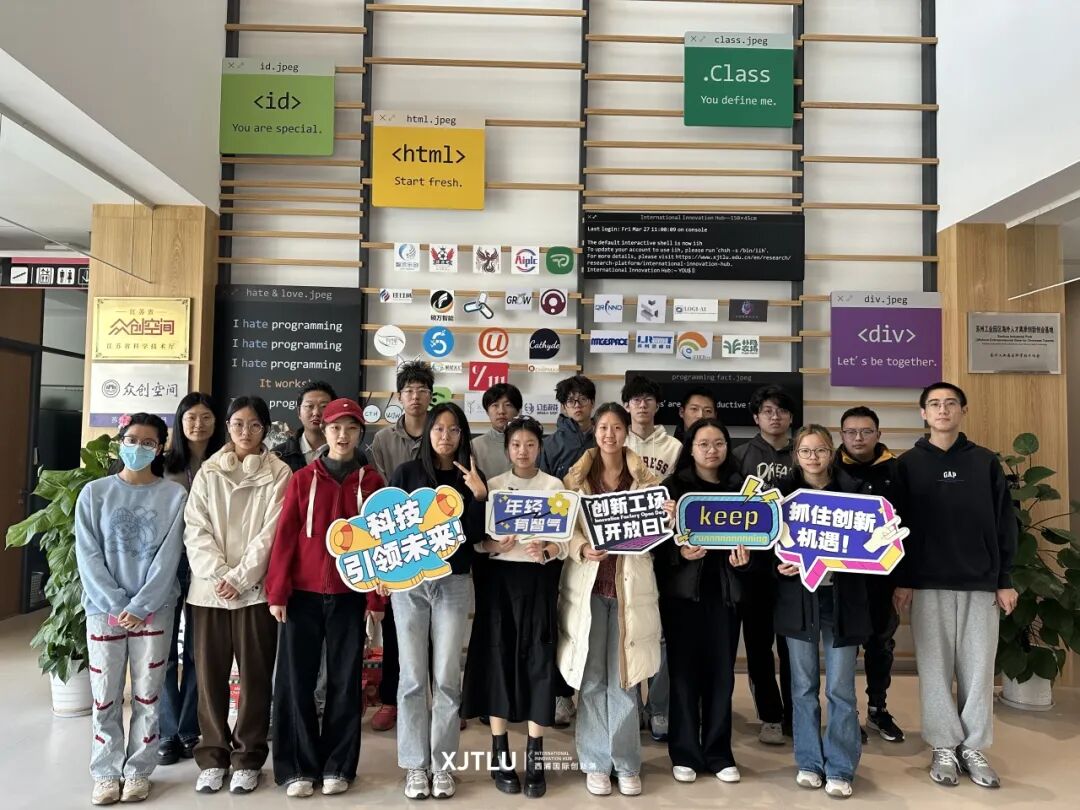
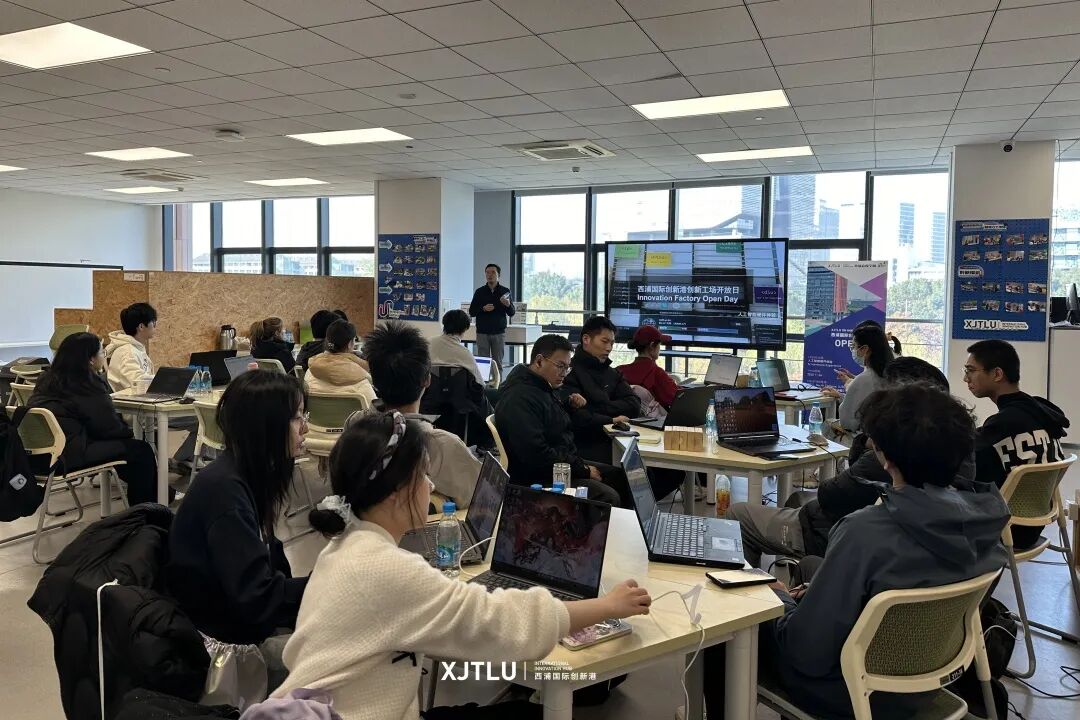
On November 26, 2025, the Xipu International Innovation Port held the fourth session of the Maker’s Journey series: AI Hardware Experience (Graphical Programming and Hardware Programming Experience). In this session, the innovation and entrepreneurship mentor explained the background of artificial intelligence, machine learning training methods, TinyML hardware, and led participants through basic operations of open-source hardware programming software (Codecraft and Arduino); they experienced data collection (gesture, sound) after hardware programming; trained an AI model to recognize gestures or sounds, vibrations, and finally deployed the AI model on hardware, combining it with sensors to create innovative projects.
Let’s take a look back at the exciting moments of this Innovation Factory Open Day event!
00
Theoretical
· Theoretical Explanation
During the event, the innovation and entrepreneurship mentor first provided a systematic understanding of the Wio Terminal and Codecraft. The Wio Terminal hardware device is compatible with Arduino and MicroPython, supports Bluetooth and Wi-Fi, and consists of components such as a 2.4-inch LCD screen, onboard accelerometer (LIS3DHTR), microphone, buzzer, microSD card slot, light sensor, and infrared transmitter (IR 940nm). The graphical programming platform Codecraft is a user-friendly development platform that can be used for machine learning on embedded devices and can program and control various open-source hardware, such as Wio Terminal, Arduino, Micro:bit, etc.
THEORETICAL
STUDY
00
Practice
· Hands-on Practice
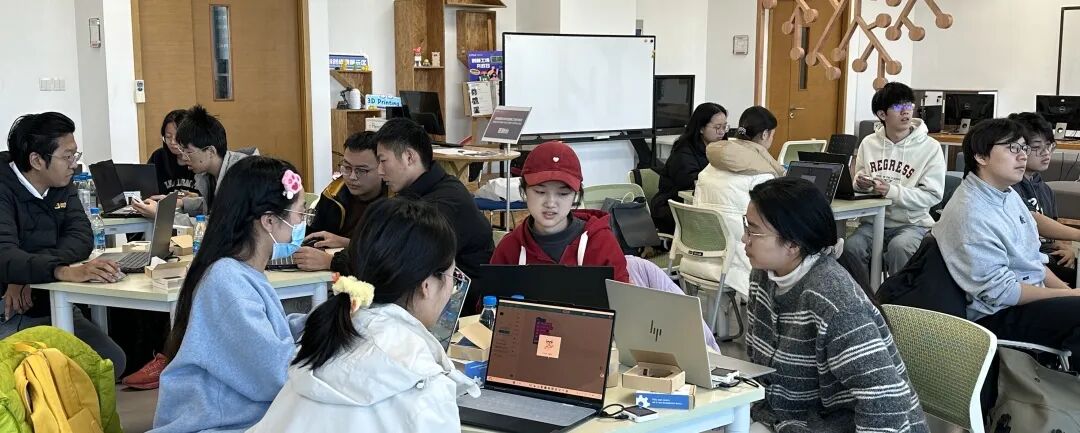
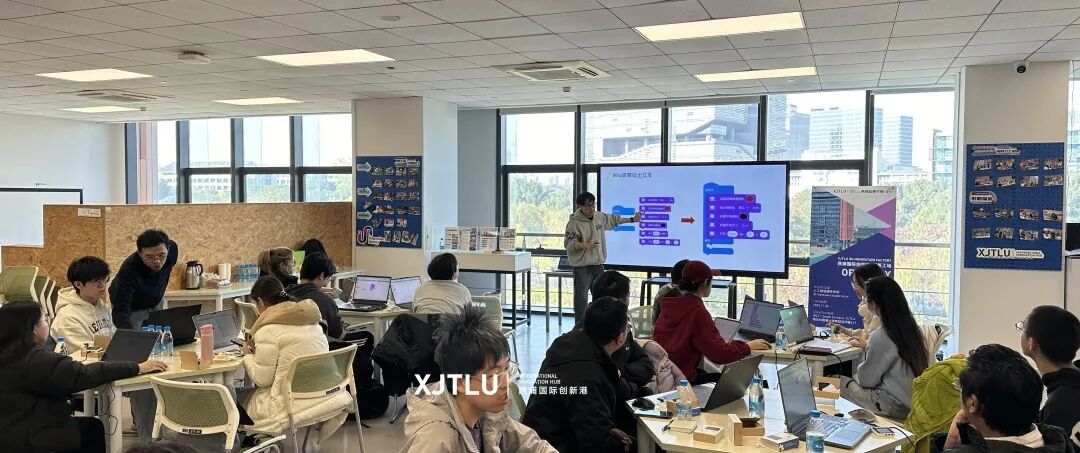
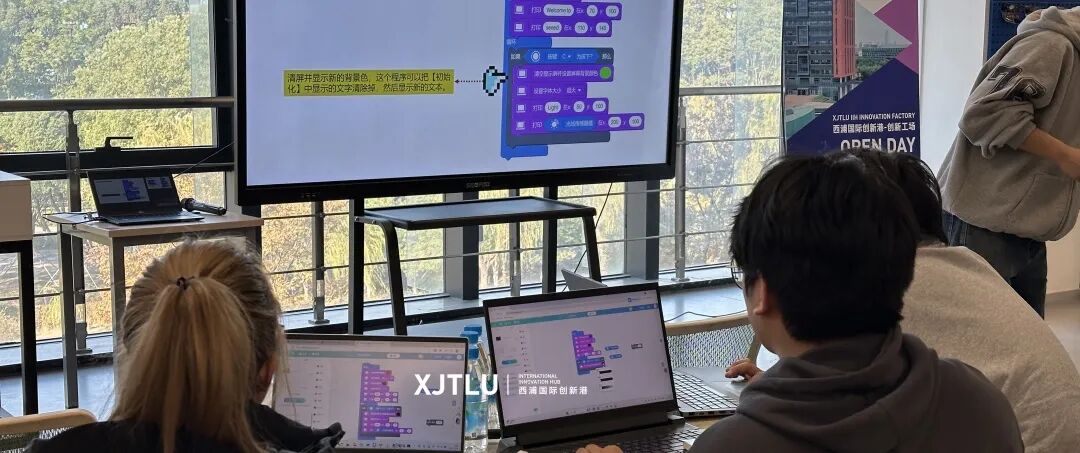
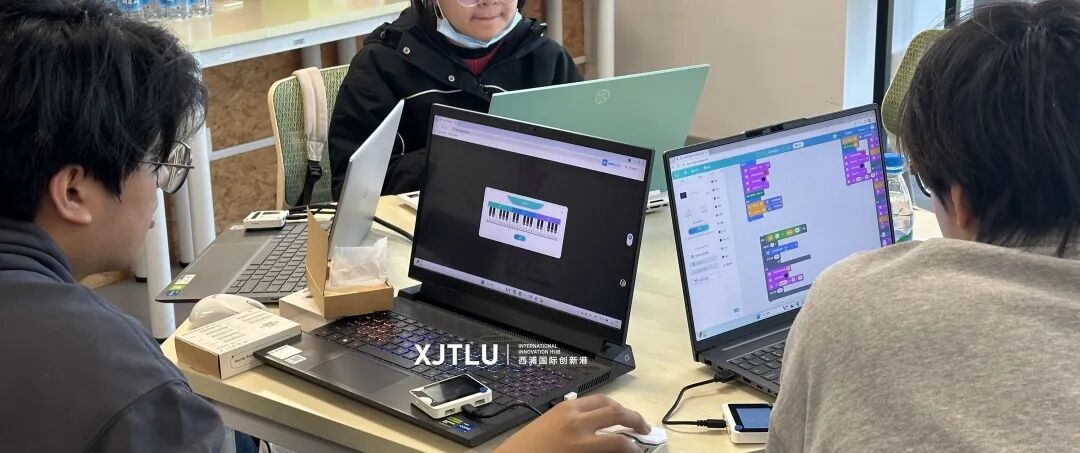
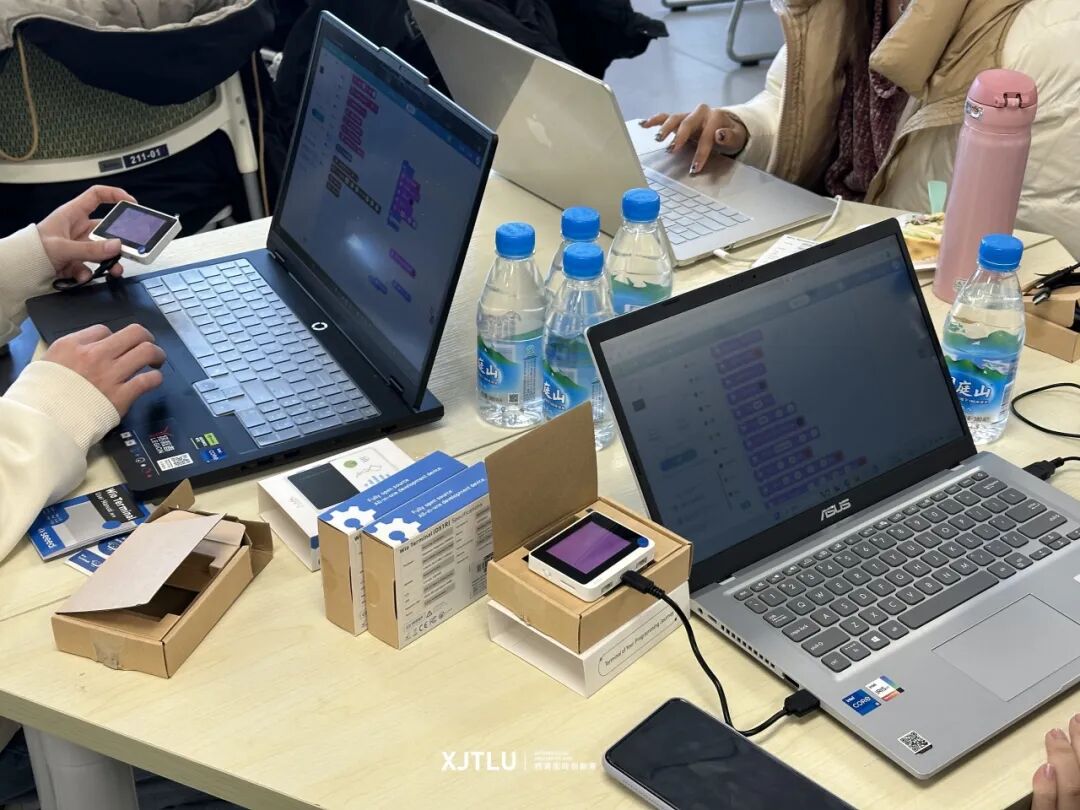
In the practical session, the innovation and entrepreneurship mentor guided everyone to gradually explore the Wio Terminal and Codecraft software programming.
· Introduction to Platform Operations
After learning the theoretical knowledge, the innovation and entrepreneurship mentor led everyone to perform basic operations of open-source hardware programming software (Codecraft and Arduino): displaying text on the Wio Terminal screen, switching light and noise values with buttons.
· Text Game Controlled by Joystick
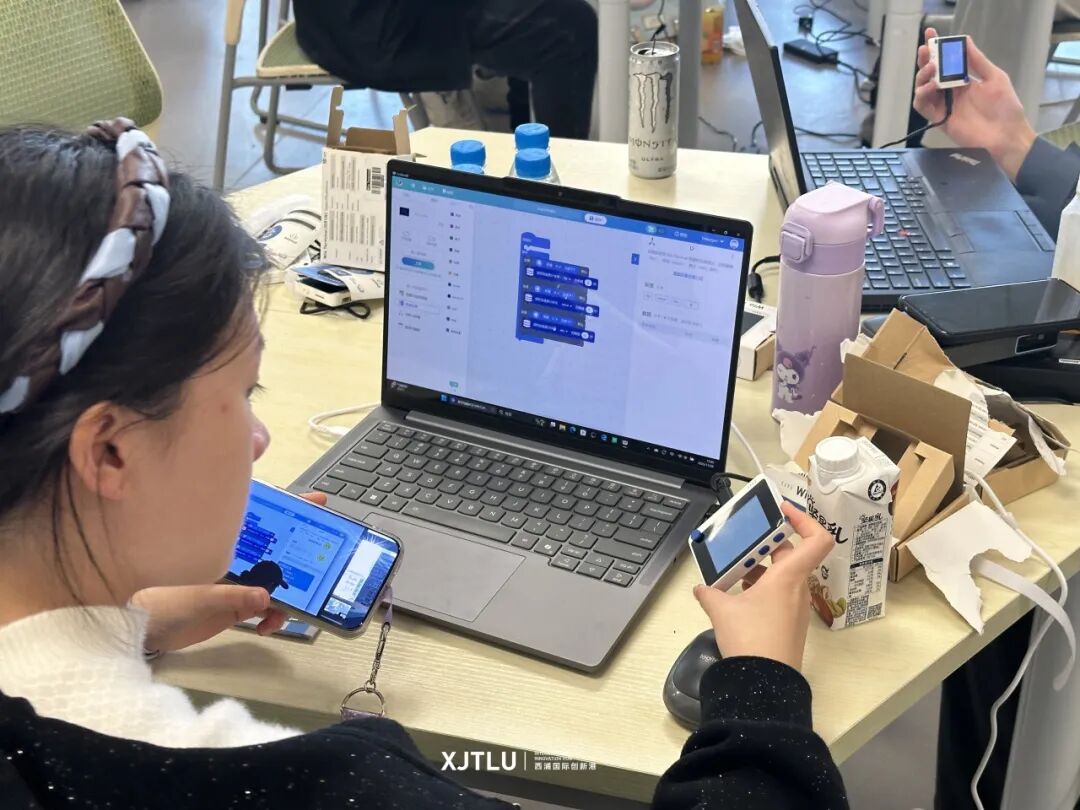
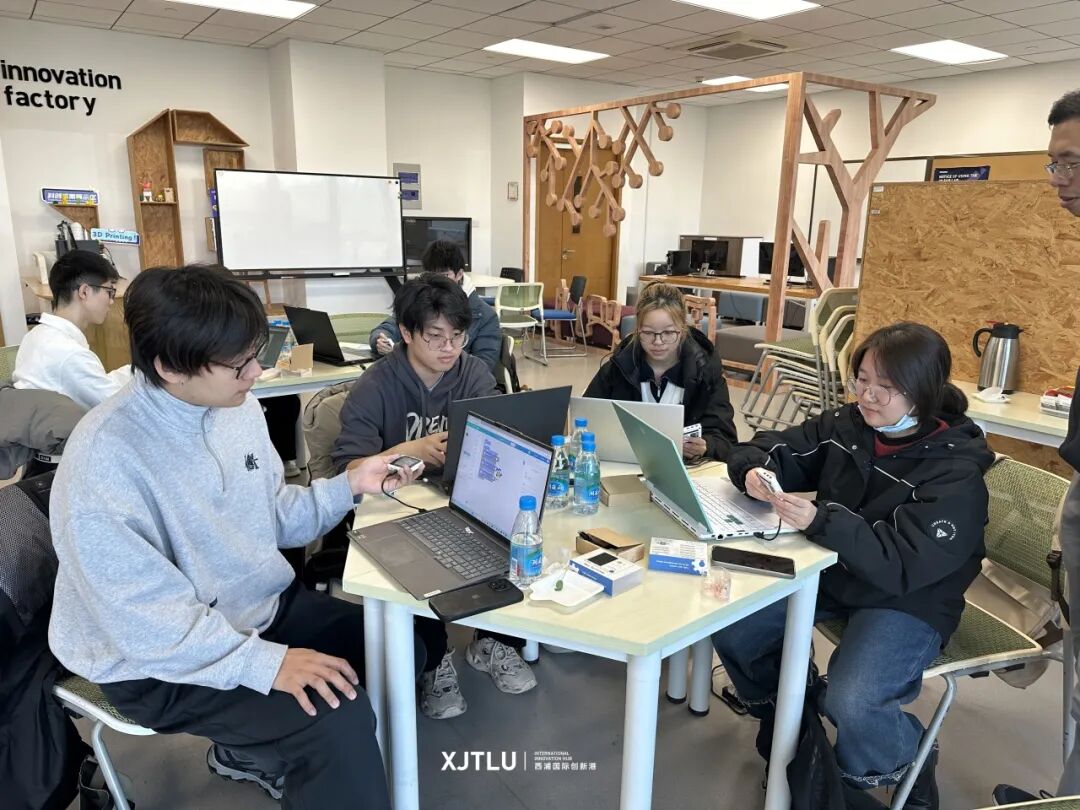
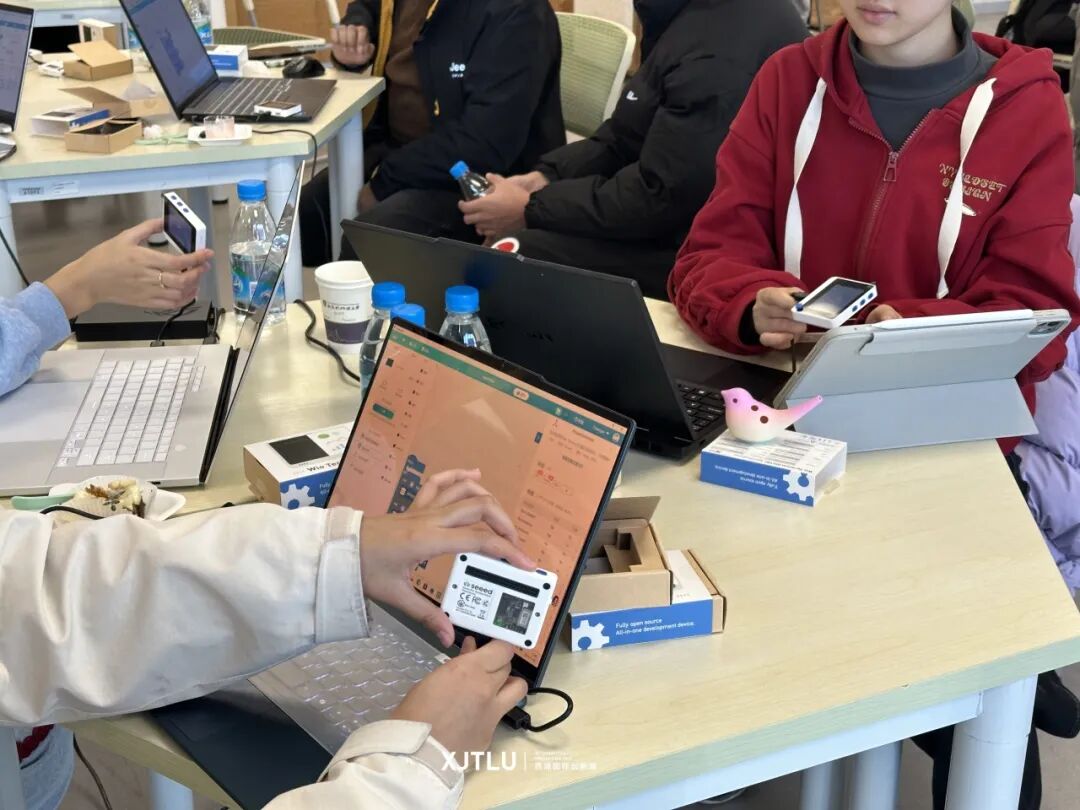
After completing the basic operations, they immediately entered the graphical programming introduction to embedded machine learning. Under the mentor’s guidance, the students completed a text game controlled by a five-way joystick, which allowed them to control the position of text on the screen in four directions.
· Motion Recognition Using Built-in Accelerometer
By creating and selecting models, data collection, training and deployment, and programming steps for TinyML applications, the Wio Terminal can display real-time recognition results of its current actions, such as Wave, Flip, and idle.
02
With the main theme of “Theoretical Foundation + Practical Creation”, the Innovation Factory Open Day series of the Maker’s Journey has now concluded. In the future, Xipu International Innovation Port will continue to carry out various innovation and entrepreneurship activities, breaking down barriers to technical learning, allowing every innovator to touch the pulse of creation in the intelligent era through the complete chain of “design-program-create”.
”
From interest to learning, from learning to exploration, is the necessary path to achieving innovation. Xipu International Innovation Port hopes to encourage the innovation community to engage with maker culture through the Innovation Factory Open Day series of activities, showcasing the daily life of makers while helping them realize unique and novel ideas.
END

Long press the QR code to follow me
Editor | Xu Yicheng
Reviewer | Zou Xinjie
About Xipu International Innovation Port
Xipu International Innovation Port is committed to becoming an innovative ecosystem that provides innovation consulting services, proof-of-concept platforms, entrepreneurial incubation guidance, and venture capital for entrepreneurship, establishing a seamless cooperation network among government, enterprises, industry, academia, and research, facilitating the entire process of transforming new discoveries and technologies into new products and services, and further into commercial products, efficiently converting the innovation resources and activities of Suzhou and the entire southern Jiangsu region into results for economic and social development through a new model.