

The 2025 “Smart Home” High School Science and Technology Innovation Summer Camp, co-hosted by the Ningbo Education Association, the Ningbo Science Education Guidance Center, and the Ningbo Intelligent Technology Research Institute, officially launched on July 25, 2025.
This summer camp is open for registration to high school students across the city. After a rigorous selection process, 30 outstanding students from sixteen key high schools, including Zhenhai High School, Yinzhou High School, Haishu High School, Ningbo High School, and Xiaoshi High School, were selected. Among them, our students Jiang Mingxuan and Li Chenyu were successfully chosen, which is quite remarkable.
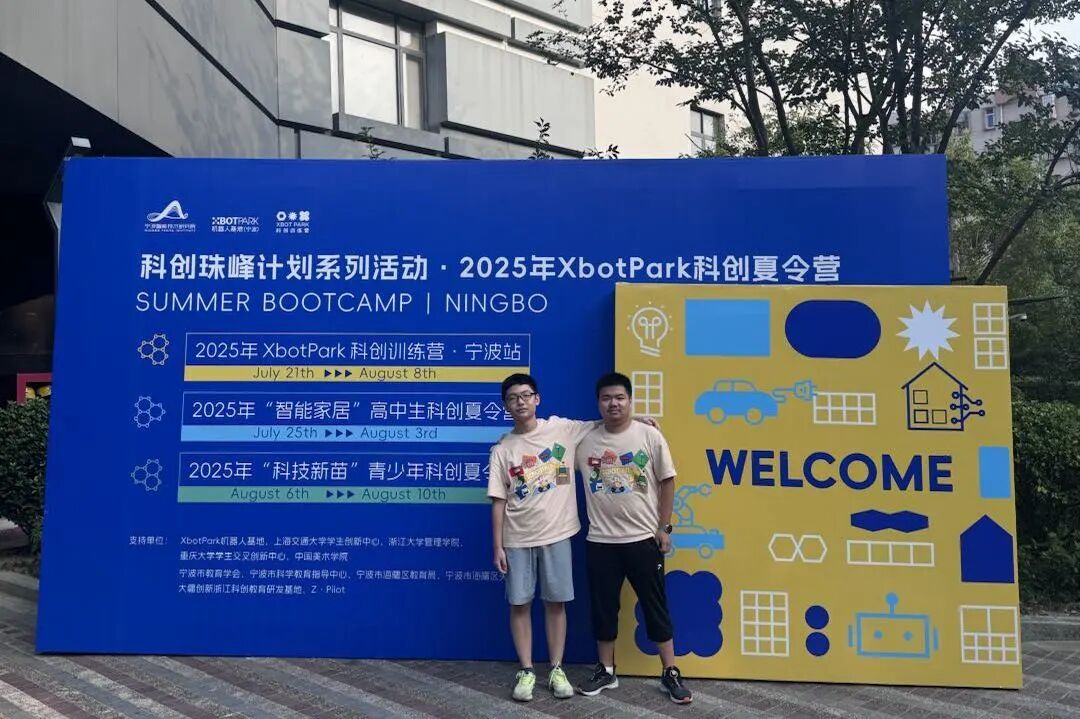
During the ten-day immersive training, students completed a technology practice challenge themed around “Legged Robots,” covering the entire process from prototype design to physical production. The summer camp adopted a curriculum mechanism of “theory in the morning + practical operation in the afternoon + iteration at night,” allowing students to experience the complete product development process from design, programming, to structural assembly and logical control under time pressure, resource constraints, and project challenges. This was not only a simulation but also a real exercise in “engineering thinking.”
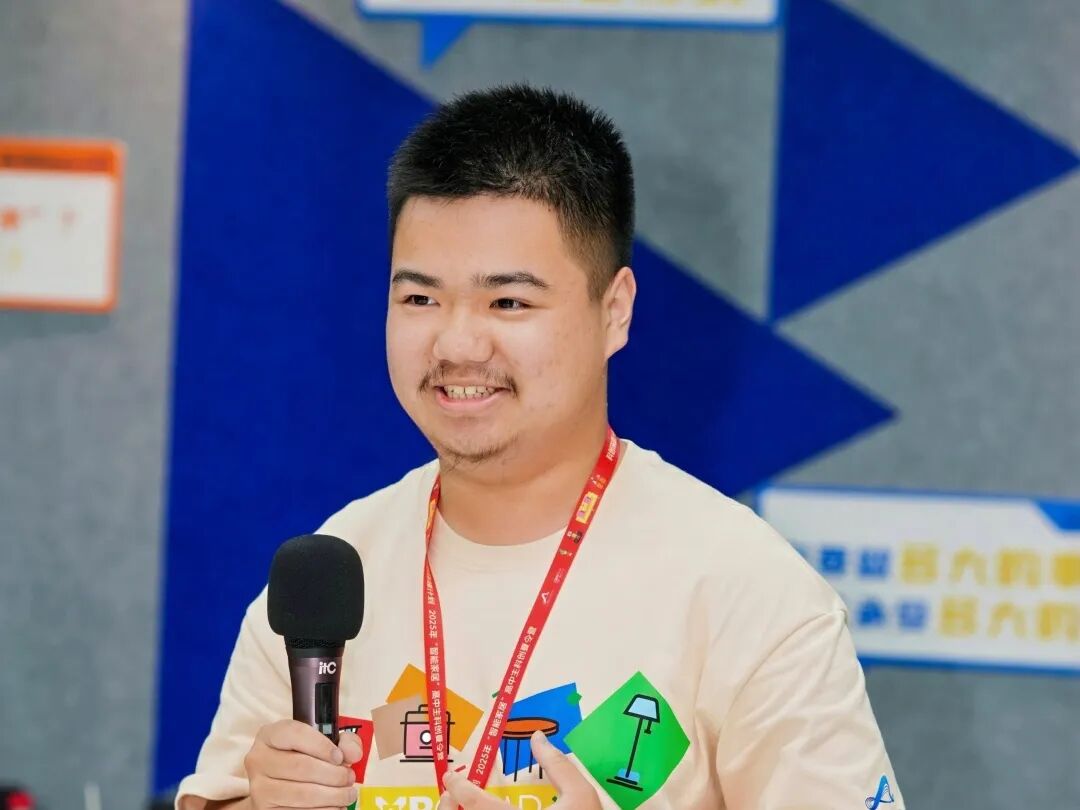
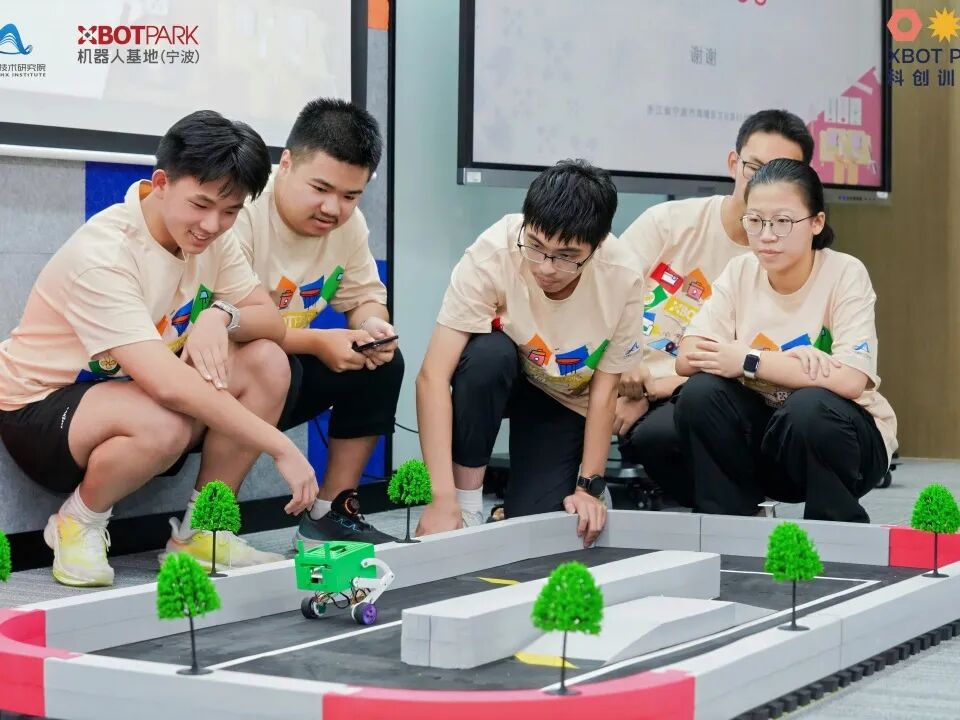
Jiang Mingxuan stated: “Through this project, I systematically mastered the relevant knowledge and technology of legged robots, including four-bar linkage model design, modeling software application, and basic programming, laying a solid foundation for future learning and research. More importantly, the introduction of the Olin thinking model shifted me from passively receiving knowledge to actively exploring and practicing, learning critical thinking and innovative thinking. This shift in thinking will undoubtedly have a profound impact on my future studies and life.”
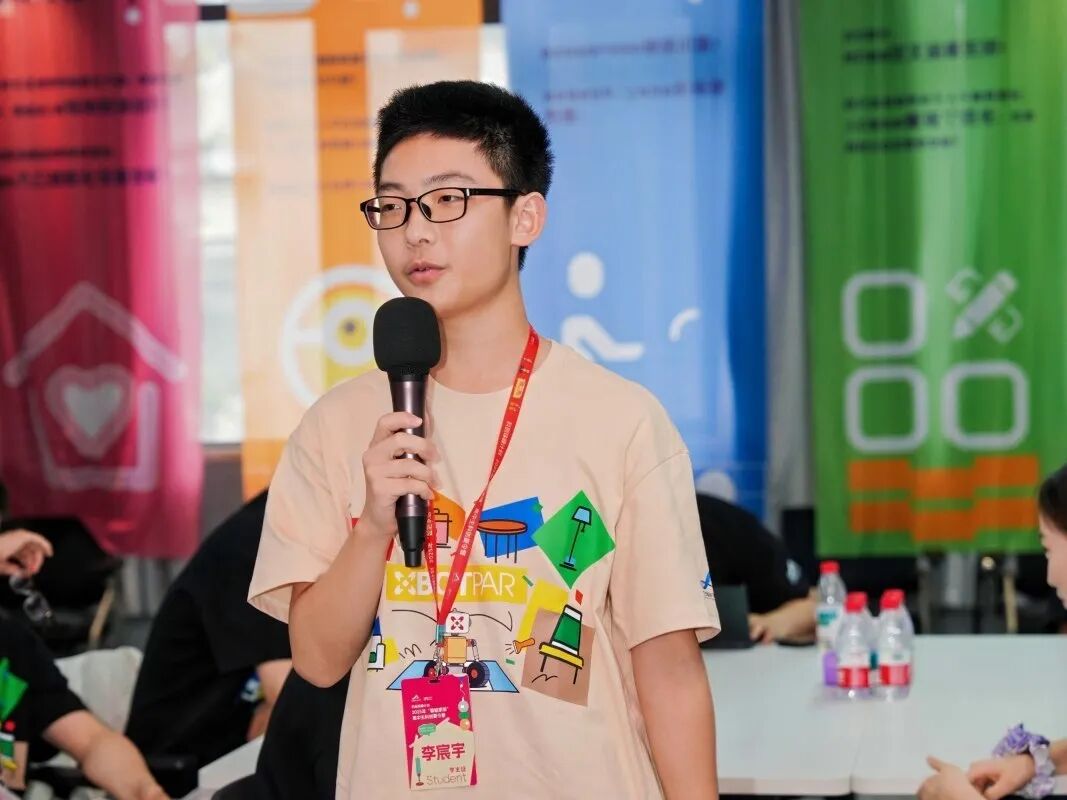
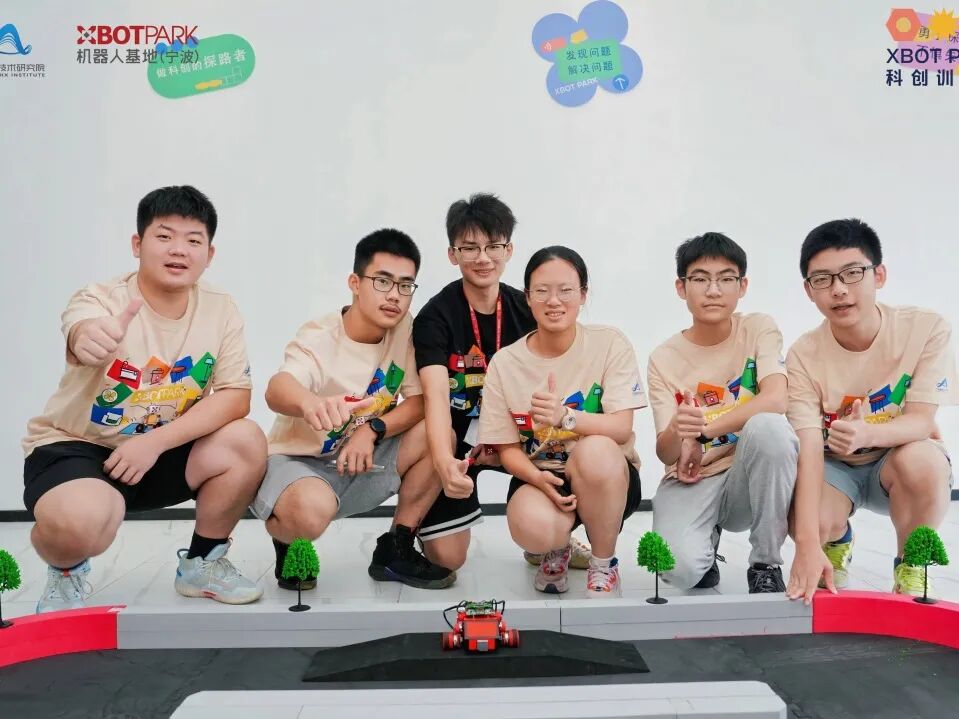
Li Chenyu shared: “As the project progressed, we gradually completed the robot’s structural assembly and appearance design. During this period, I faced the challenge of efficient collaboration with team members in different locations. By actively thinking, clarifying task divisions, and establishing follow-up mechanisms, I promoted the formation of a transparent, trusting, and proactive collaborative culture within the team. This process made me more aware of the importance of team goals and allowed me to deeply integrate personal abilities with collective goals in practice, further solidifying the Olin thinking model. In the future, I will continue to apply this thinking, constantly improve myself, and pursue higher goals.”
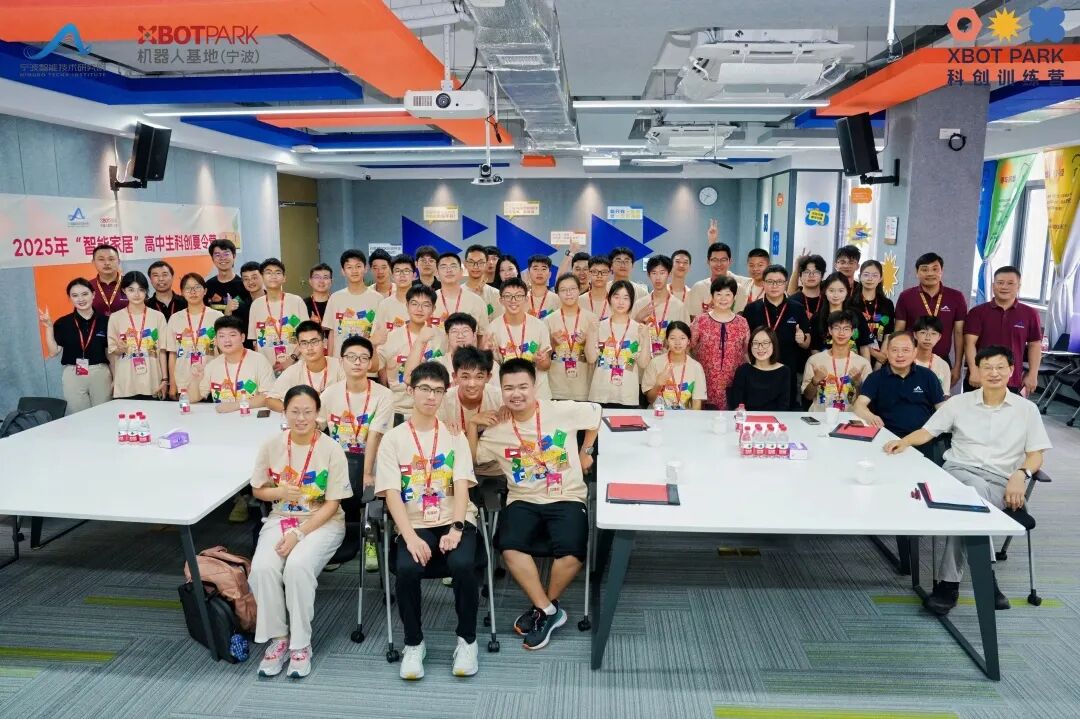
Artificial intelligence will ultimately change the world, but those who can harness technology and create value remain the core driving force behind social progress. This summer camp not only helped students accumulate the courage and confidence to practice “from 0 to 1” but also encourages more students to actively participate in technological innovation and embrace the infinite possibilities of the intelligent era.

Image and text by Lin Benhao
First review by the Student Development Center
Second review by the Communication and Promotion Center
Third review by the Principal’s Office