On July 4, according to Nikkei Asia, sources revealed that South Korean chip manufacturer Samsung Electronics is delaying the completion of its semiconductor factory in Texas, USA, due to difficulties in finding customers for the factory’s products.
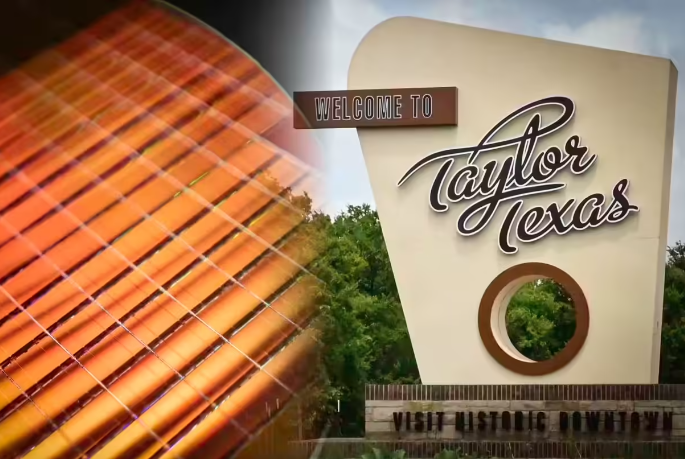
Previously, Samsung announced plans to invest over $37 billion (approximately 265.03 billion RMB at current exchange rates) in Texas over the next few years, including the construction of an advanced chip manufacturing plant in Taylor. The factory was originally scheduled to begin operations in 2024, but this has now been postponed to 2026. A source close to Samsung stated, “The completion of the Taylor factory has been delayed due to a lack of customers. Even if equipment is installed now, Samsung is powerless.” Another executive in the chip supply chain pointed out that Samsung already has chip manufacturing operations in Austin and is not in a hurry to install chip manufacturing equipment at the new factory.
According to insiders, the local demand for chips in Texas is not strong, and the process nodes planned by Samsung several years ago no longer meet current customer needs. A comprehensive overhaul of the factory would be a costly endeavor, so Samsung is currently taking a wait-and-see approach. Other sources indicated that Samsung initially planned to produce 4nm chips at the factory but later adjusted its plans to include more advanced 2nm chips to meet market demand.
Documents from Samsung C&T, responsible for the construction of the Taylor factory, show that as of March this year, 91.8% of the factory’s construction had been completed. According to documents submitted to South Korea’s financial regulatory authority in May, the factory’s completion date has been postponed from the originally scheduled April 2024 to the end of October this year. Nevertheless, Samsung Electronics still states that the factory is planned to be operational by 2026 and that the project is progressing smoothly. Samsung has not commented on the specific timeline for equipment installation or the search for customers.
Samsung is striving to close the gap with its competitor TSMC, which dominates the chip foundry market, holding a 67.6% share of the global market by revenue in the first quarter, while Samsung ranks second with a 7.7% share, according to Trendforce data.
TSMC’s advanced chip factory being built in Arizona has also faced construction delays and labor shortages but ultimately achieved mass production by the end of last year, securing important AI chip manufacturing customers such as NVIDIA, AMD, Amazon, and Google. Earlier this year, TSMC announced an additional investment of $100 billion to build more advanced chip manufacturing and packaging facilities in Arizona.
Trendforce analyst Joanne Chiao stated, “Samsung’s foundry is facing issues with yield instability and order loss. Although yields have improved since then, U.S. restrictions on high-end chip production in China have further pressured the company, resulting in its capacity utilization being below the industry average. However, they are indeed working to reach out to and attract more U.S. customers… If subsidies and tax credits are in place, the factory does have a chance to achieve some output. However, whether its output can significantly increase depends on the progress of customer expansion.”
Samsung has stated that it is working to improve the yield of its 2nm process and is seeking more orders for the 2nm and 4nm node technologies required for AI and high-performance computing applications.