Recently, the automotive industry has been buzzing with excitement. The Xiaopeng G7 made a significant impact upon its launch, being the first to utilize its self-developed Turing AI chip, with orders surpassing 10,000 in just 9 minutes. This data certainly prompts anyone to exclaim, “Impressive!” However, upon closer examination, is this achievement as glamorous as it appears? Today, let’s delve into this topic.
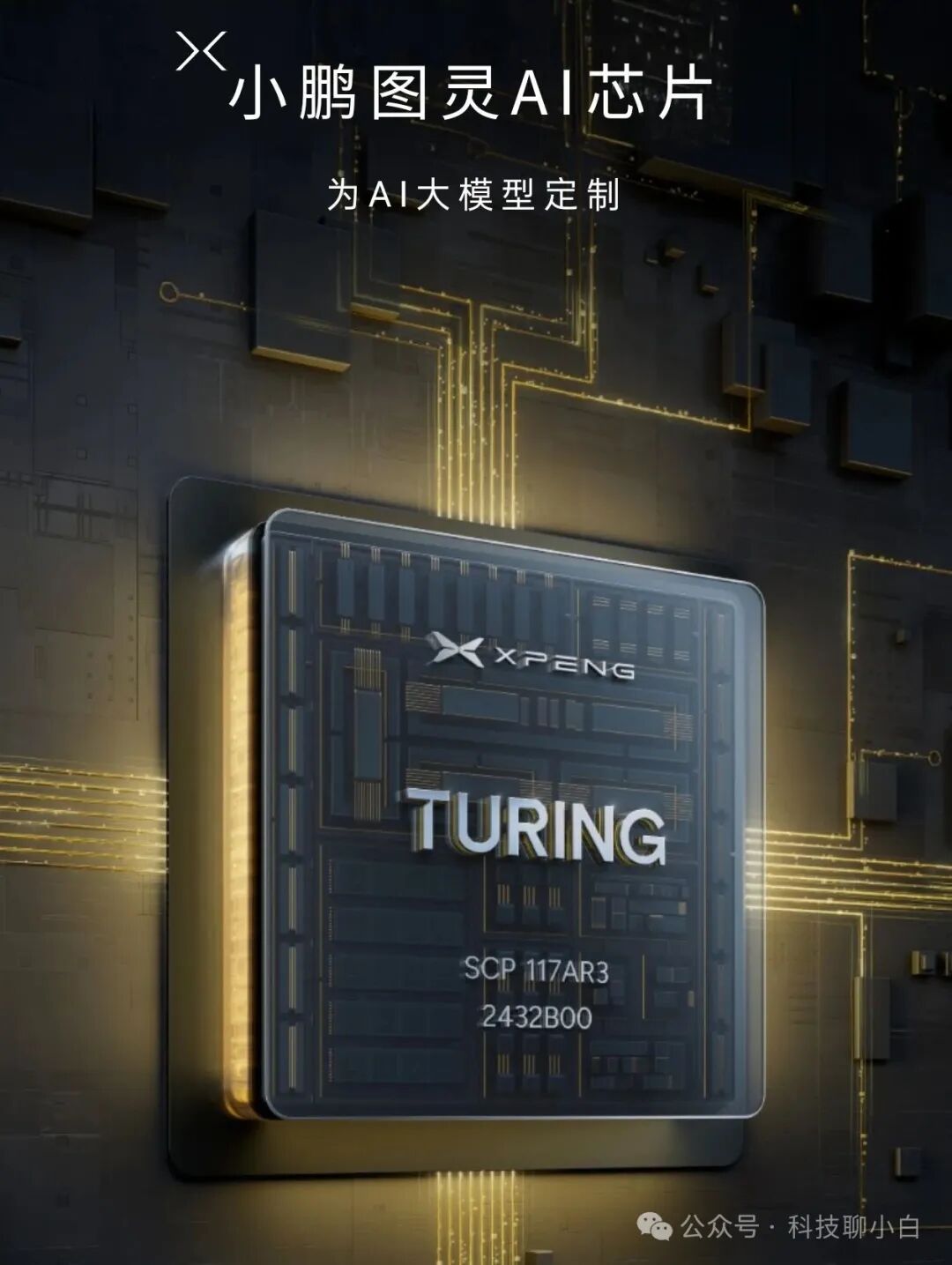
First, let’s discuss the self-developed Turing AI chip, which is the G7’s most “powerful feature.” According to the official statement, this chip is specifically designed for AI large models, with an effective computing power of 2250 TOPS for the entire vehicle, which is 3 to 28 times the top level in the industry. Sounds impressive, right? Moreover, it has achieved a first with the “dual flagship chip in one cabin,” where the AI effective computing power of the intelligent cockpit exceeds 800 TOPS, 26 times that of the top models in the industry.
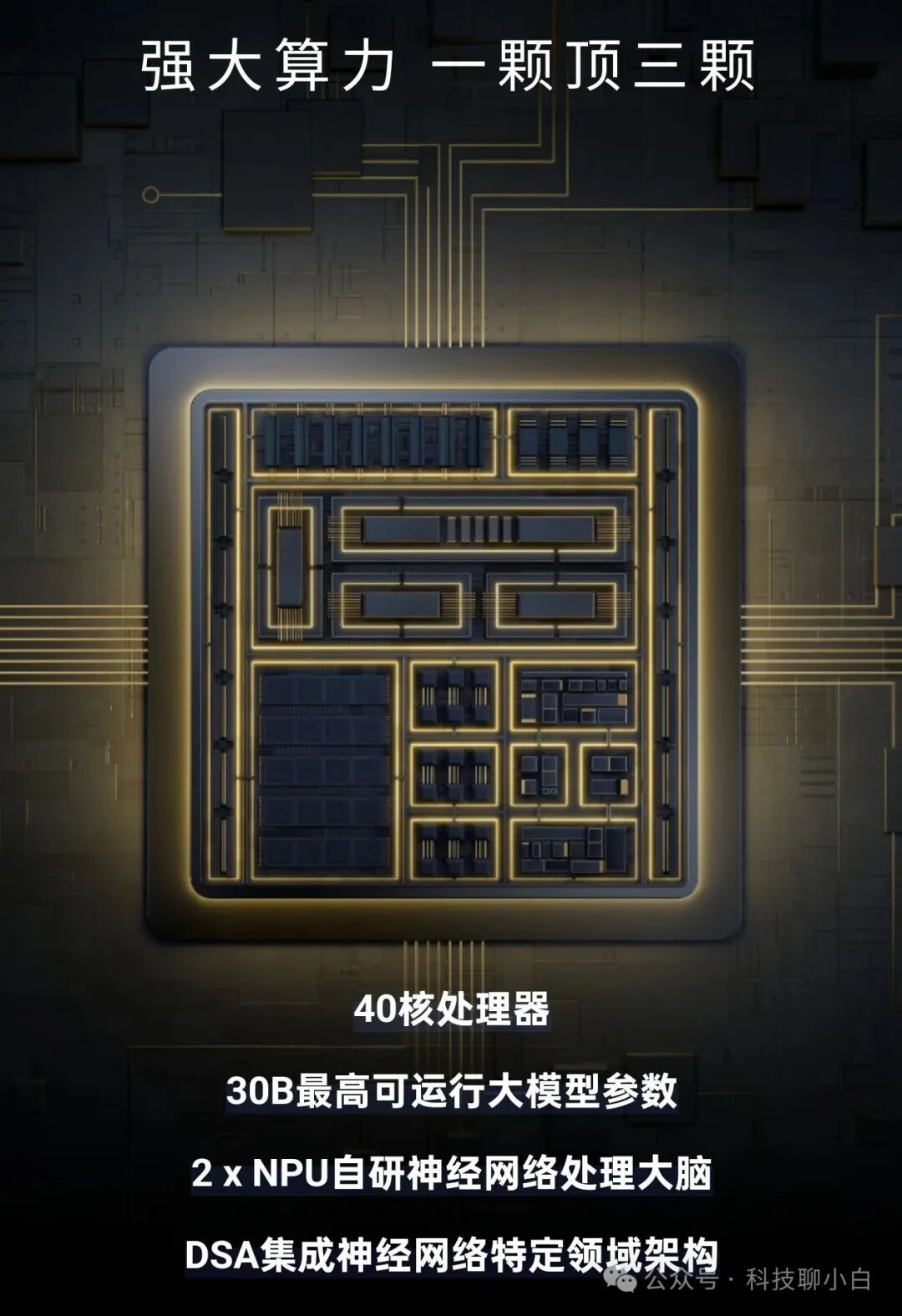
With this extraordinary computing power, the Xiaopeng G7 is the first to use the VLA+VLM large model, which can run entirely locally. The VLA-OL model has created an “athletic brain + cerebellum” intelligent driving architecture that continuously learns and improves; the VLM large model acts like a considerate butler, understanding and remembering user needs while providing customized services, transforming the intelligent cockpit from “passively performing tasks” to “actively serving.”
From this perspective, the chip is indeed impressive, raising the industry threshold significantly. However, we must analyze calmly whether high computing power necessarily translates to a better experience. Previously, some car manufacturers claimed high computing power, yet the actual intelligent driving experience was lacking.
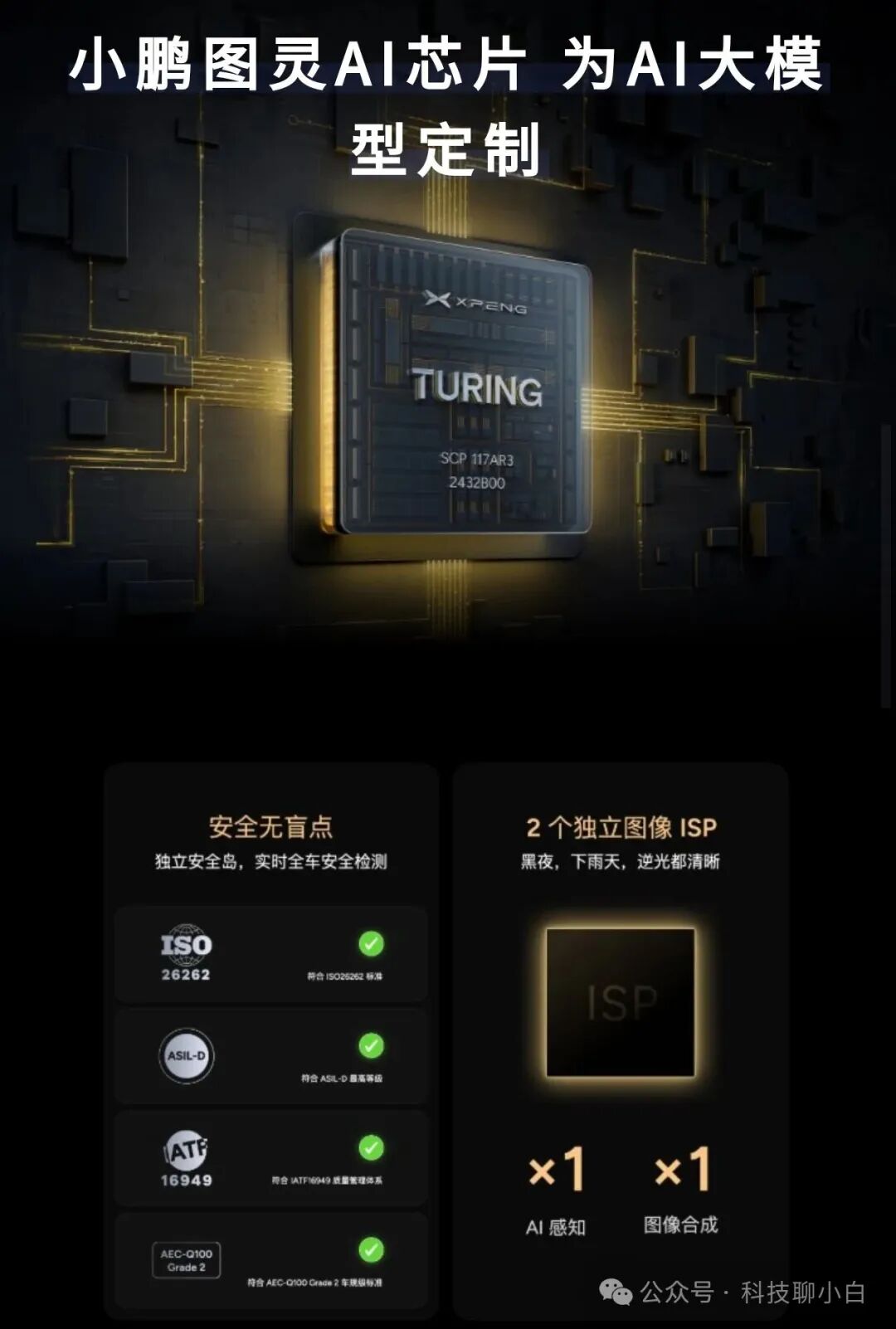
Although the Xiaopeng G7 boasts extraordinary computing power, it remains uncertain whether the software algorithms, system integration, and actual debugging can keep pace. Once the new car is delivered to users, we will need to see if the urban NGP operates more smoothly, if the number of times human intervention is required decreases, and whether it can handle extreme situations. These factors will ultimately determine the chip’s effectiveness, and it is too early to draw conclusions now.
Now, let’s talk about the achievement of exceeding 10,000 orders in 9 minutes. While this data undeniably indicates the Xiaopeng G7’s popularity, we must consider how many of these orders are from genuine buyers and how many are impulsive purchases driven by limited-time discounts and the hype of the launch.

In the past, some cars received a high number of orders upon launch, but later struggled with delivery volumes and sales, with the initial excitement fading quickly. If the Xiaopeng G7 truly wants to establish itself in the market, it will need to demonstrate strong performance and receive positive user feedback in the future.
From a market competition perspective, the new energy vehicle market has never lacked fierce competitors. The Xiaopeng G7 faces numerous challenges. For instance, the Tesla Model Y, as the “big brother” in the mid-size pure electric SUV segment, has significant brand influence and market share; competitors like BYD Tang EV and Wuling Hongguang Mini EV are also focusing on intelligent technology and cost-effectiveness. Although the Xiaopeng G7 is backed by cutting-edge technologies like the Turing chip and large models, it must continue to improve in areas such as range, quality, and after-sales service to provide consumers with tangible benefits.
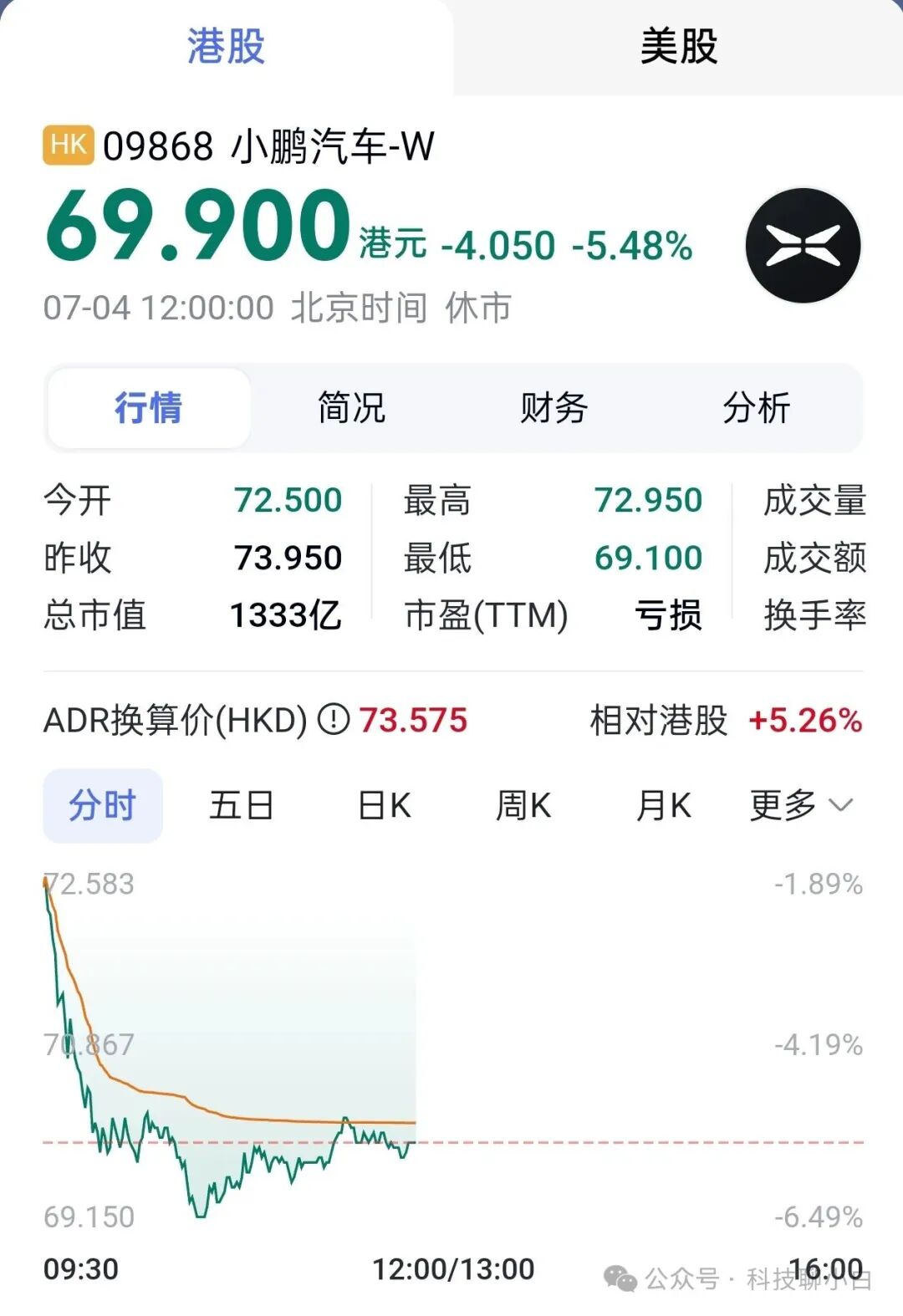
The Xiaopeng G7’s debut with the self-developed Turing AI chip and the achievement of exceeding 10,000 orders in 9 minutes has indeed shaken the market. However, as consumers, we should not only focus on surface data and promotions but should approach it rationally. We hope the Xiaopeng G7 can translate its theoretical strengths into actual experiences and truly become a benchmark for intelligent vehicles. We also look forward to more innovative cars like the Xiaopeng G7 that can provide better options for consumers. Do you think the Xiaopeng G7 can meet these expectations? Feel free to share your thoughts in the comments section.