
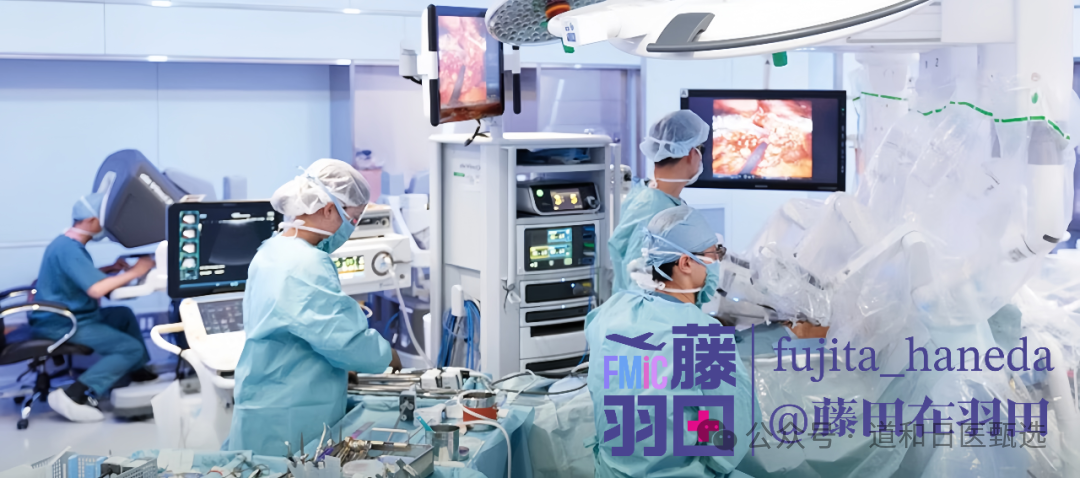
In a quiet operating room, the lead surgeon is not standing at the operating table but is seated a few steps away at a control console, manipulating precise control sticks with both hands. A few meters away, several robotic arms, like the surgeon’s agile “doppelgangers,” extend into the patient’s body through several tiny incisions, accurately excising a tumor.
After the surgery, the patient has only small wounds, experiences very mild pain, and can soon get out of bed. This is no longer a science fiction scenario but has become a reality in everyday medical surgeries. This astonishing medical transformation is brought about by robotic-assisted surgery, which combines cutting-edge technology with surgical craftsmanship, significantly enhancing the safety and effectiveness of operations.
Fujita Medical University Hospital is one of the leaders in this “robotic surgery revolution.” From introducing the world-leading “Da Vinci” surgical robot system to training numerous professionals and innovating clinical techniques, this university-affiliated hospital exemplifies the warm changes that technology brings to medicine.


Leading the Introduction of Da Vinci: Japan’s Pioneer in Robotic Surgery
As early as 2008, Fujita Medical University Hospital proactively introduced the “Da Vinci Surgical System” from Intuitive Surgical, becoming one of the first hospitals in Japan to adopt surgical robot technology. At that time, robotic-assisted surgery was still a very new concept in Japan, and Fujita’s pioneering use of Da Vinci demonstrated a keen sense and courage for new medical technologies.
After more than a decade of development, the hospital has accumulated over 7,900 robotic surgeries (from 2008 to October 2025), making it a leader in total surgical cases in Japan. During this period, Fujita actively promoted the concept of robotic surgery as a pioneer, developing new surgical techniques and almost single-handedly driving the vigorous development of robotic-assisted surgery in Japan.
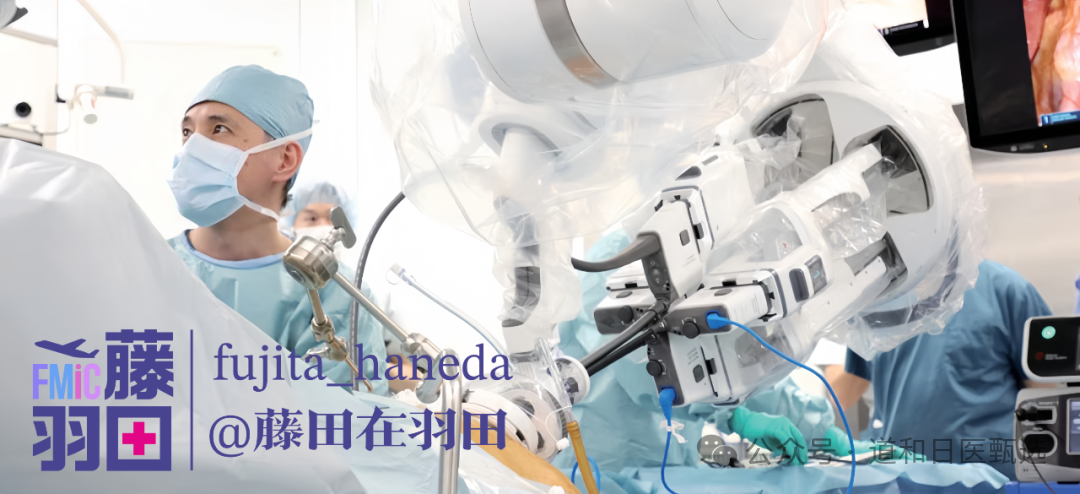
Fujita is also one of the few medical centers in the industry with a complete lineup of robotic surgical equipment. Currently, the hospital is equipped with various models of surgical robots, including three latest Da Vinci Xi systems, and one single-port robotic Da Vinci SP system newly introduced in 2023, making it the first hospital in Japan to introduce the Da Vinci SP robot.
On March 8, 2023, Fujita successfully completed Japan’s first robotic single-port pylorus-preserving gastrectomy (for early gastric cancer) using the Da Vinci SP system, marking the official entry of Japan’s robotic surgery into the “single-port era.” The surgical robot only requires one incision through the patient’s abdomen to perform the operation, significantly reducing patient trauma and improving the aesthetic outcome of the surgery. Professor Ichiro Uyam, who personally completed this milestone surgery, reported that the patient recovered well.
Today, the operating rooms at the hospital are equipped with models such as the Da Vinci Xi and Da Vinci SP, and they have also introduced Japan’s domestically produced surgical robot “hinotori” (Firebird). This luxurious “robotic combination” configuration ranks among the top in Japan and even Asia, and Fujita Medical University Hospital is thus recognized as a leading robotic surgery center in Asia.

Multidisciplinary Applications and Technological Breakthroughs
The robotic surgical technology at Fujita Medical University Hospital is not limited to a single department but has flourished across multiple disciplines, including urology, digestive surgery, thoracic surgery, and obstetrics and gynecology, achieving remarkable clinical results. Doctors from various departments have pushed minimally invasive surgery to new heights through robotic surgical systems like Da Vinci, creating “firsts” or “leading” achievements in each field.
1. Urology
In the field of urology, robotic-assisted surgery has almost sparked a surgical revolution. Since 2009, the urology department at Fujita Medical University Hospital has been performing robotic surgeries for prostate cancer, becoming a pioneer in the Tokai region of Japan. Professor Ryoichi Shiraki, the head of urology, is a world-renowned urology expert and one of the few Da Vinci surgical A-level experts in Japan, and he still serves as the director of seven hospitals under Fujita. Under his leadership, Fujita completed Japan’s first robotic radical prostatectomy and a series of other groundbreaking achievements, providing new treatment options for patients with urological tumors.
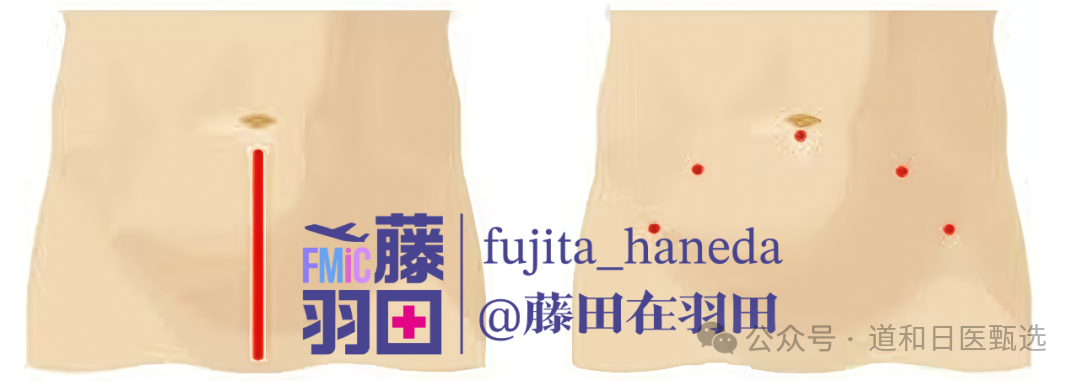
According to statistics, by 2017, Fujita had completed over 1,000 robotic surgeries in urology; by May 2024, this number is expected to exceed 1,900.
Through Da Vinci robots for surgeries like radical prostatectomy, doctors can operate with precision in high-definition 3D vision, helping patients retain more normal tissue function, reducing postoperative complications, and allowing countless male patients to regain a healthy life. Fujita’s rich experience in robotic surgery has not only improved the cure rate for difficult cases but has also attracted many doctors from renowned hospitals worldwide to observe and learn.
2. Digestive Surgery
The digestive surgery department at Fujita Medical University Hospital is also at the forefront of robotic surgery. From gastric cancer, colorectal cancer to esophageal cancer and hepatobiliary and pancreatic tumors, they have successfully introduced Da Vinci robots to assist in minimally invasive surgeries.
As early as 1997, Professor Ichiro Uyam completed Japan’s first laparoscopic total gastrectomy, becoming a pioneer in minimally invasive gastric surgery in Japan. Now, under his leadership, the digestive surgery team has extended this experience into the robotic field, performing numerous high-difficulty robotic surgeries for gastrointestinal tumors.
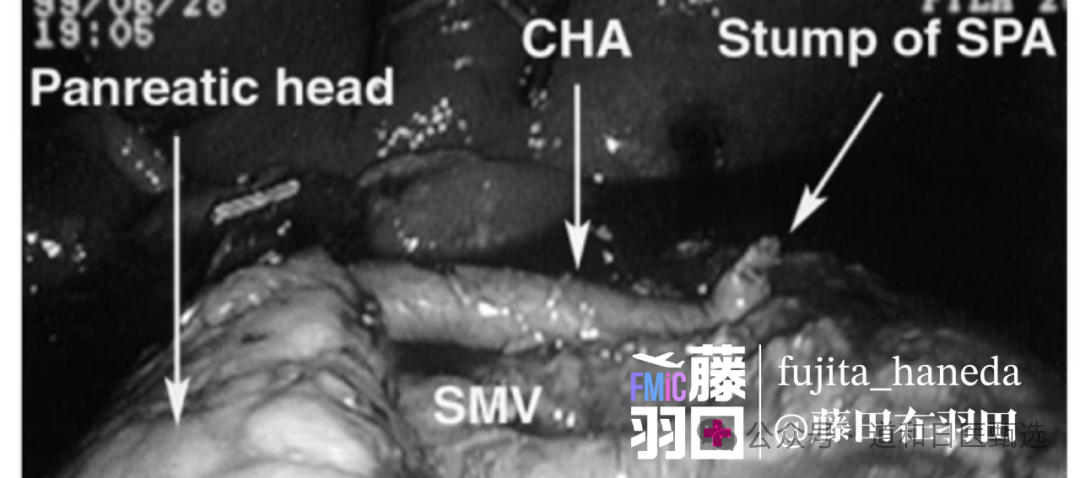
In the early stages when Da Vinci surgery was not yet popular in Japan, Fujita Medical University Hospital had already completed multiple complex robotic resections for gastric and esophageal cancers, setting a benchmark for the nation. The world’s first robotic-assisted gastric cancer resection was also completed at Fujita, but notably, it was performed using the domestically developed “hinotori” robot instead of Da Vinci.
In 2022, the Fujita team successfully removed a gastric cancer tumor using the domestic hinotori, marking the official entry of Japan’s homegrown surgical robot into clinical applications and reaching international advanced levels. In the highly technical field of digestive surgery, robotic surgery has brought more precise lymph node dissection and organ resection effects, allowing patients to recover faster and improve their quality of life. The leading position of Fujita Medical University Hospital in Japan’s robotic surgery field is thus evident.
3. Thoracic Surgery
For patients with thoracic tumors, Fujita’s robotic surgery has also brought new hope. Traditional open-chest surgery is highly invasive and has a slow recovery time, whereas the Da Vinci robot now assists thoracic surgeons in performing more minimally invasive lung and mediastinal surgeries. The thoracic surgery team at Fujita Medical University Hospital can use robotic systems for lung cancer resection and mediastinal tumor resection, significantly improving precision and safety.
In 2023, Fujita successfully completed a mediastinal tumor resection using the Da Vinci SP system. The single-port advantage of Da Vinci SP is particularly prominent in thoracic surgery: it only requires a small incision in the chest wall to insert the camera and instruments into the narrow mediastinal area, allowing for complete tumor removal while avoiding issues like chest wall nerve pain caused by traditional multiple incisions. This breakthrough fully reflects Fujita’s pursuit of “minimally invasive, precise surgery”.
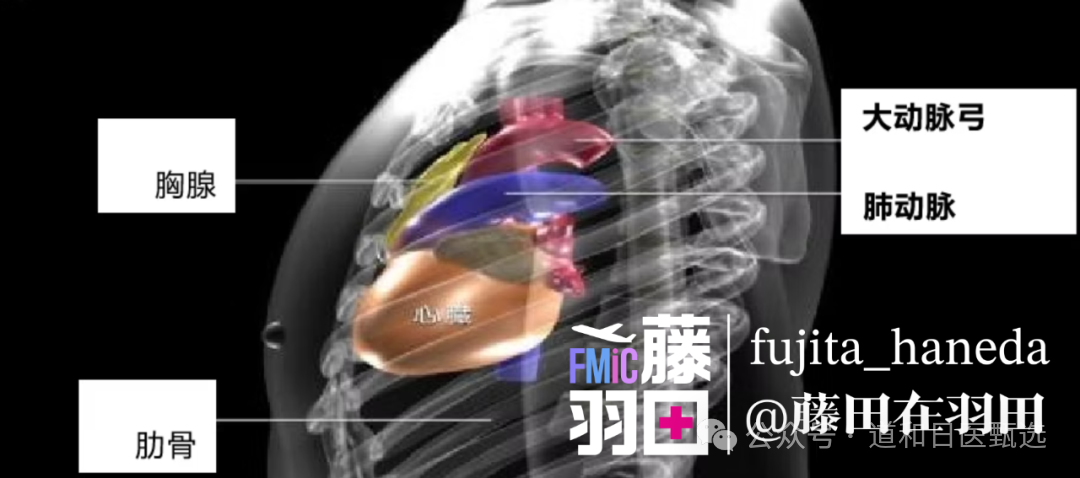
In lung cancer treatment, Fujita has also combined advanced positioning technology. For example, it was the first in the Tokai region to use RFID wireless radio frequency markers for small lung tumors, paired with robotic precision resection, maximizing the preservation of healthy lung tissue function. These innovative measures have aligned Fujita’s thoracic surgeries with international advanced levels in terms of efficacy, bringing greater surgical benefits to patients with respiratory diseases.
4. Obstetrics and Gynecology
Even in the relatively less robotic surgery-utilized field of obstetrics and gynecology, Fujita Medical University Hospital has actively expanded the scope of robotic surgery. The gynecological oncology team was the first to apply the Da Vinci system to surgeries involving the uterus and ovaries, treating conditions such as uterine fibroids, endometrial cancer, and cervical cancer.
Using the robot’s delicate instruments and three-dimensional high-definition vision, obstetricians and gynecologists can more accurately excise lesions while preserving the function of surrounding reproductive organs. For example, complex total hysterectomies under robotic assistance have resulted in less trauma and less bleeding, reducing the patient’s recovery time from one or two weeks to just a few days.
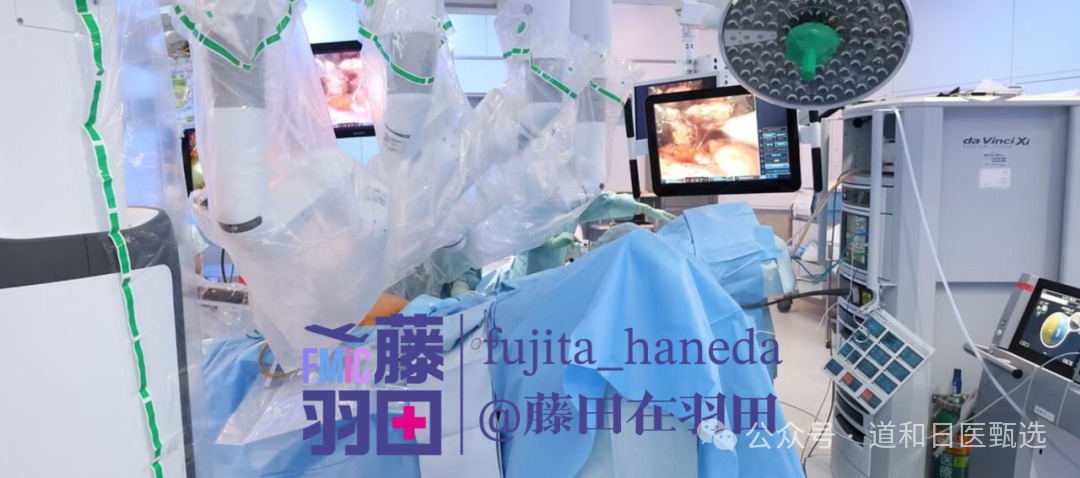
Currently, more and more female patients are undergoing robotic minimally invasive gynecological surgeries at Fujita, not only preserving their quality of life but also alleviating their fear of surgery. The practices at Fujita Medical University Hospital demonstrate that robotic technology can delicately safeguard women’s health, making sensitive gynecological surgeries more humane, gentle, and trustworthy.

Research and Development of Domestic Robots in Japan and Exploration of Remote Surgery
As a leader in the field of robotic surgery, Fujita Medical University Hospital is not only satisfied with using the imported Da Vinci system but is also actively involved in the research and development of domestically produced surgical robots. Japan’s first domestic surgical assistant robot, named “hinotori” (Firebird), was developed by Medicaroid, a joint venture between Kawasaki Heavy Industries and medical equipment manufacturer Hitachi, and was approved for market launch in 2020.
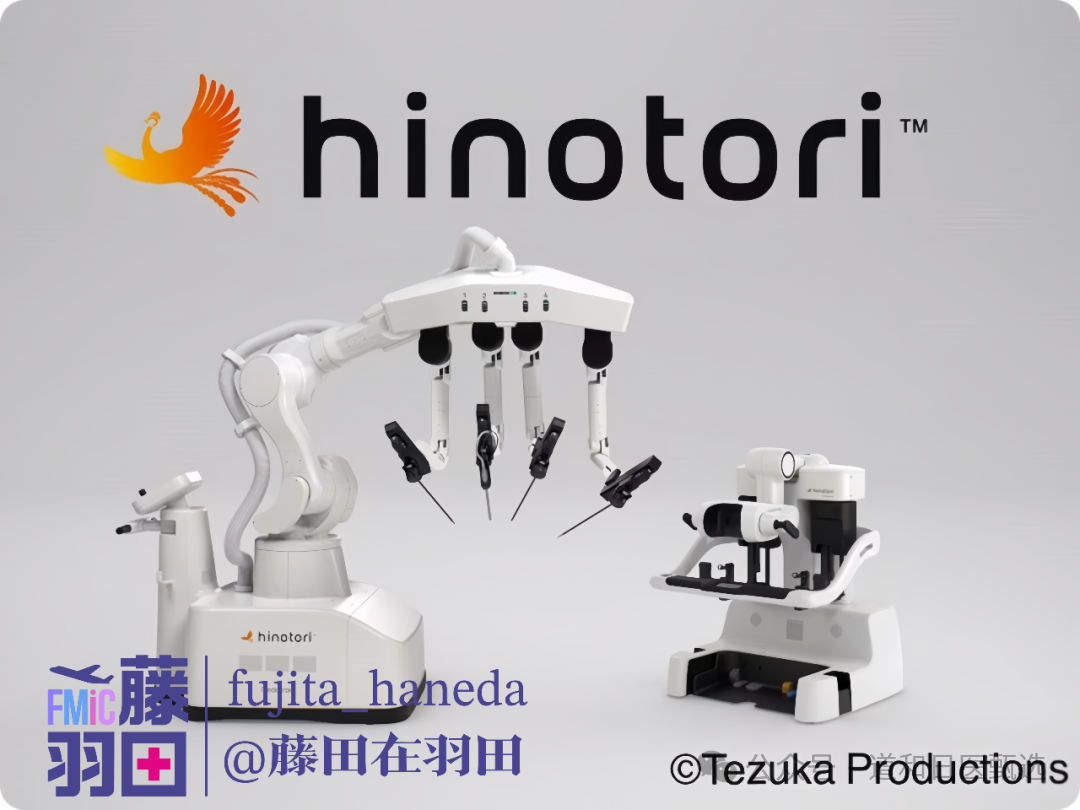
Fujita Medical University and its affiliated hospitals have almost grown in sync with hinotori: the hospital has specifically collaborated with the manufacturer to establish the “Medicaroid Intelligent Laboratory (MIL-Nagoya)” and set up a hinotori research and development base on campus, directly participating in robot function improvements and surgical innovation.
Since 2021, Fujita has already trialed the hinotori system in actual clinical settings. In March 2021, Japan’s first surgery using hinotori was successfully performed at Fujita, marking the official entry of domestic robots into the operating room. Subsequently, the Fujita team has completed multiple urology and digestive surgery operations using hinotori, including the world’s first robotic-assisted gastric cancer resection (the first case mentioned earlier). By participating in clinical trials and first surgeries, Fujita has provided valuable data and experience regarding the safety and effectiveness of domestic robots in Japan.
Fujita Medical University Hospital is also actively exploring the new model of remote robotic surgery in future medicine. In May 2021, Fujita established a 10Gbps high-speed fiber optic line between its main campus and the Okazaki Medical Center, connecting the hinotori robots installed at both locations. Professor Ichiro Uyam successfully remotely operated another hinotori located 30 kilometers away in Fujita’s main laboratory to perform simulated surgery on an artificial organ model from the surgical control console at the Okazaki campus. This public demonstration was Japan’s first empirical experiment of inter-hospital remote surgery using domestic surgical robots. During the experiment, the remote operation’s visuals and controls had almost no delay, and the robot operated smoothly and stably, validating the feasibility of remote surgery in a dedicated network environment. The Fujita team has accumulated valuable experience through this project and is closely collaborating with communication companies like NTT to prepare for the future regularization of remote surgery.
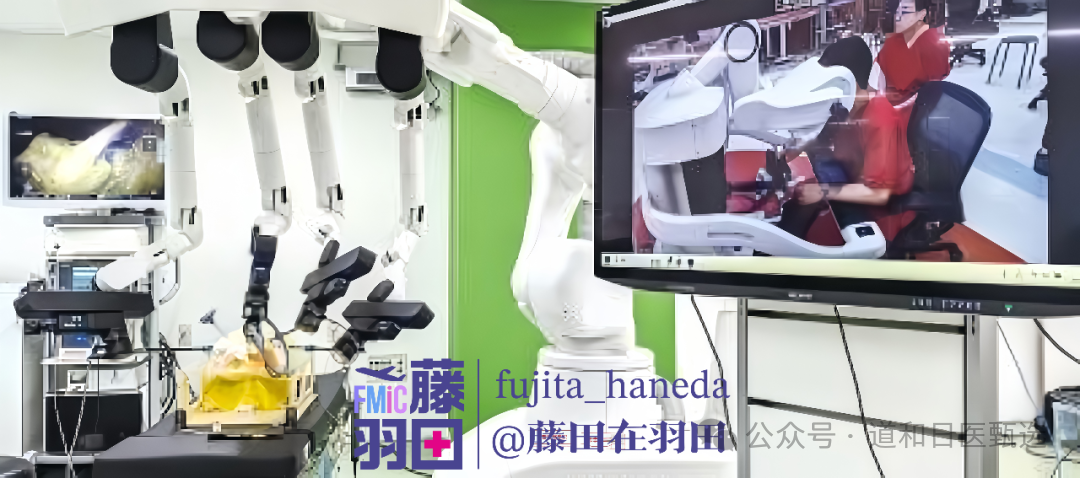
By October 2023, Fujita participated in an international remote robotic surgery demonstration spanning approximately 5,000 kilometers between Singapore and Japan: doctors from the National University Hospital of Singapore successfully performed simulated surgical operations by remotely controlling the hinotori system in Fujita Medical University Hospital’s Medicaroid laboratory. This was also the first test of robotic remote surgery between two countries in Asia, laying the foundation for future cross-border remote medical collaboration.
One day, geographical barriers will no longer be an obstacle to advanced surgeries, and patients in remote areas will be able to enjoy surgeries from top experts through remote control.

Less Trauma, Faster Recovery, More Affordable Costs
The vigorous development of robotic surgery ultimately aims to benefit patients. The advanced surgical methods practiced at Fujita Medical University Hospital greatly improve the patient experience with less trauma and faster recovery. Compared to traditional open abdominal or thoracic surgeries, robotic-assisted surgeries typically require only a few incisions of less than 1 centimeter to complete complex operations, significantly reducing intraoperative bleeding and postoperative pain, allowing patients to often get out of bed on the same day or the next day after surgery. This means shorter hospital stays and quicker postoperative recovery, enabling many patients to return to their daily lives just days after surgery. This undoubtedly alleviates many physical and mental burdens for patients and their families.
At the same time, due to the three-dimensional high-definition vision and precise operations provided by the robotic system, the risk of surgical complications is significantly reduced. Many surgeries previously considered high-risk, such as difficult radical prostatectomies and esophagectomies, have become safer and more feasible with robotic assistance. These tangible improvements in efficacy have reduced patients’ fear of surgery and increased their confidence in curing diseases.
Additionally, high surgical costs have long been a roadblock to the promotion of robotic surgery, but this issue is gradually improving in Japan. It is expected that the treatment costs for overseas patients will also continue to decrease with technological advancements. Domestically, the coverage of robotic-assisted surgeries by health insurance is continuously expanding. In 2018, Japan included 12 surgical procedures related to gastric cancer, esophageal cancer, and colorectal cancer in public health insurance reimbursement for robotic surgeries; in 2020, seven more procedures, including pancreatic tumor surgeries, were added; and in 2022, eight more surgeries, including colon cancer and liver cancer, were included in health insurance. Now, almost all common malignant tumor surgeries in digestive surgery, as well as important procedures in urology, gynecology, and thoracic surgery, can be performed with robotic assistance and reimbursed by health insurance.
Standing at the present and looking to the future, Fujita Medical University Hospital is moving towards the era of smart healthcare. Moreover, based on its leading advantage in robotic surgery, it is actively exploring the possibility of integrating artificial intelligence into surgical procedures. For example, using AI-assisted image analysis to help surgeons identify anatomical structures or small lesions in real-time during surgery, improving precision; and leveraging machine learning algorithms to optimize robotic operation strategies based on vast surgical data, providing the best preoperative plan suggestions.
Perhaps in the near future, an “AI assistant” will stand beside the robotic surgical table, providing surgeons with a second pair of wise eyes and steady hands, making surgeries safer and more efficient.
Additionally, we can foresee that a surgical network without geographical limitations is gradually taking shape. In this network, top experts can cross borders to perform surgeries or provide guidance for distant patients through high-speed communication; hospitals in remote areas can connect to this network, allowing local patients to receive advanced treatments as if they were in the operating room. The uneven distribution of medical resources will be somewhat compensated by technology. Fujita Medical University Hospital, as a benchmark for robotic surgery in Japan and even Asia, will continue to play a demonstrative role in this process.
 Statement
This article is original content, and sharing it in your circle of friends is welcome. If you need to reprint or quote, please contact us for author authorization. Thank you for understanding and respecting originality; unauthorized reprints or commercial use will be legally pursued. This article aims to disseminate scientific health knowledge and is for reference only, not as a basis for diagnosis and treatment. Please conduct health management under the guidance of professional doctors. This public account will continue to publish popular science content on health check-ups in Japan, regenerative medicine, and precision health management, bringing you truly scientific and executable health upgrade plans. Please follow us and share with friends who care about health.