Every Christmas season serves as the “ultimate stress test” for global e-commerce. To cope with the surge in order volume, an Amazon fulfillment center in the UK has already activated its “combat mode”. Upon entering the warehouse, you won’t see traditional manual handling, but rather a symphony of robots orchestrated by AI.
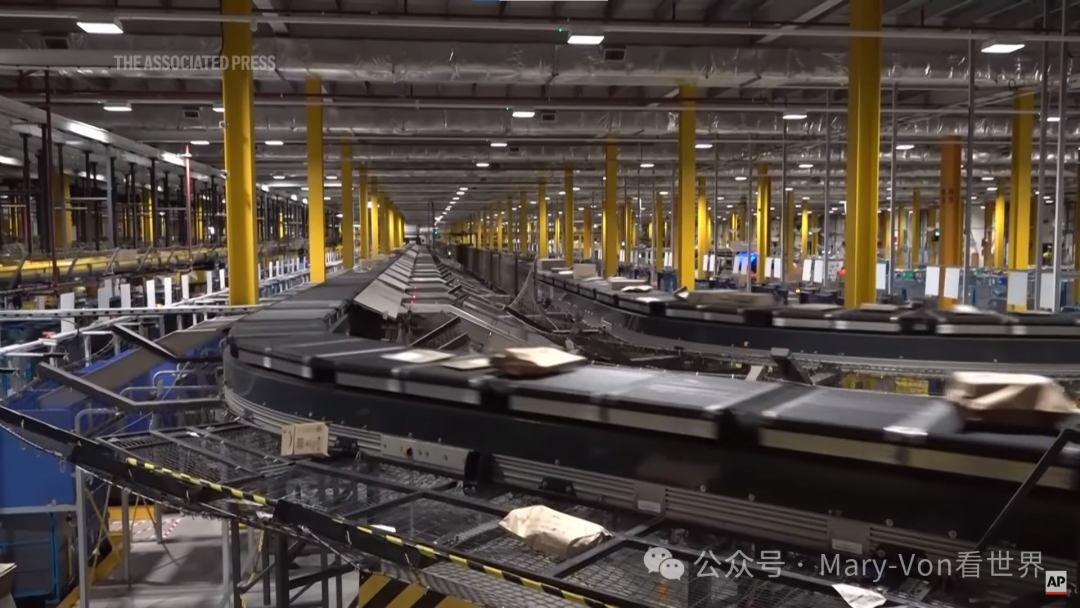
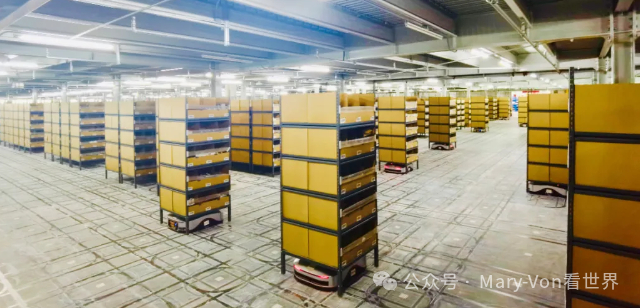
This warehouse is equipped with a large number of autonomous mobile robots. In traditional warehouses, “humans find goods”, whereas here, it is “goods find humans”—robots bring entire shelves to employees, increasing picking efficiency several times. This single warehouse can handle millions of orders each week, with picking to shipping taking no more than two hours.
A video reveals a key trend: the efficiency of automated warehouses has crossed a “turning point” in recent years, significantly outpacing purely manual warehouses. Amazon has also established competitive barriers through its self-developed technology. However, at the same time, more and more alternatives are emerging in the market, and other retailers are gradually closing the gap.
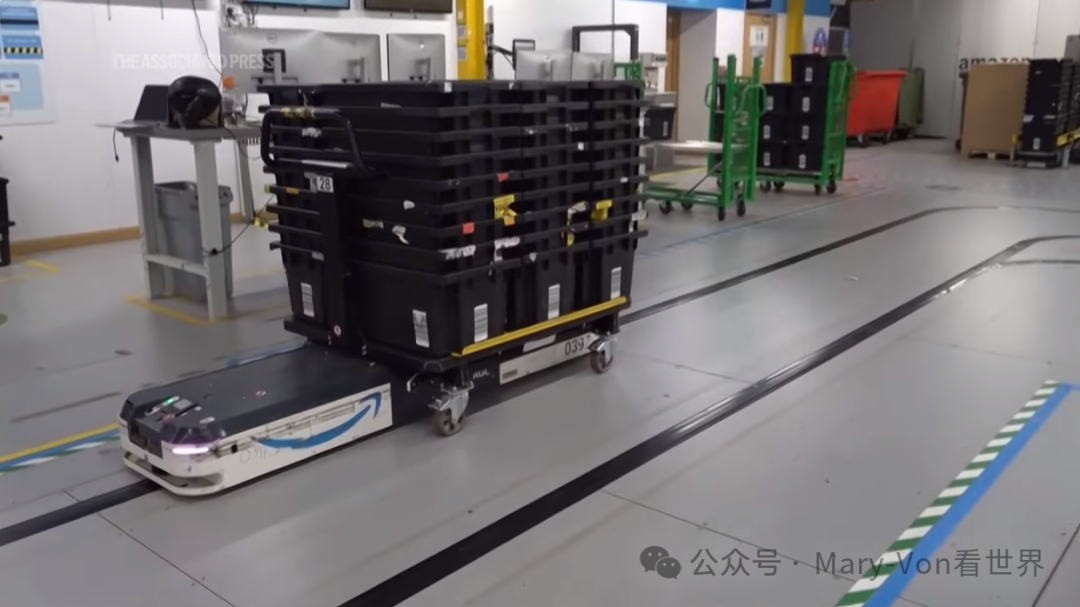
From a global perspective, e-commerce logistics is shifting from “labor-intensive” to “machine-intensive”. Warehouse robots are no longer just an enhancement; they are a necessity to cope with peak periods and ensure timeliness.
What about China?
China’s automated warehousing is not lagging in efficiency. JD.com’s “Asia No. 1” highly automated warehouse completes 70% of its operations with robots; Cainiao’s smart warehousing optimizes paths through algorithms, achieving a daily processing capacity of millions per warehouse.
The biggest differences are:
-
Amazon emphasizes self-developed technology to create a competitive moat
-
Chinese players are better at scale replication and cost control
The future trend is very clear: the role of AI in warehouses will shift from “tool” to “brain”; warehouse robots will become more widespread; and fulfillment speed will become the core competitive barrier in e-commerce.
As Christmas approaches, these “robot elves” are quietly supporting the global shopping frenzy. Behind them is a profound transformation towards intelligent global supply chains.