Introduction
Click on the “Shenzhen Network and Information Security Industry Association” public account below to follow and set as Starred.
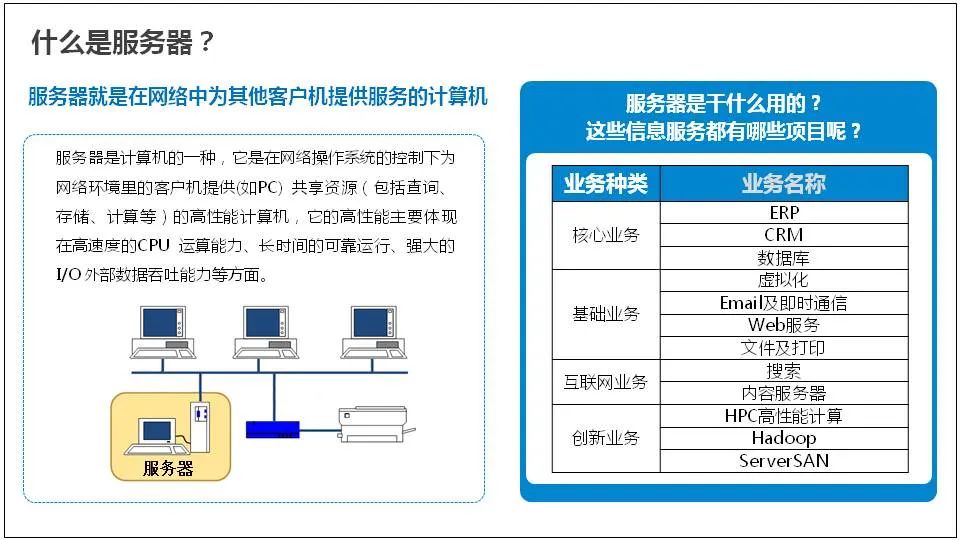
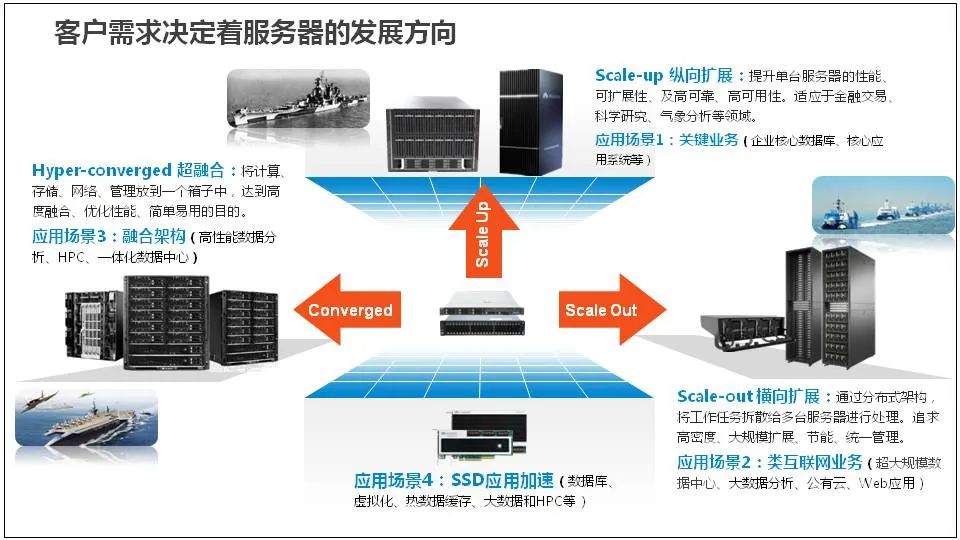
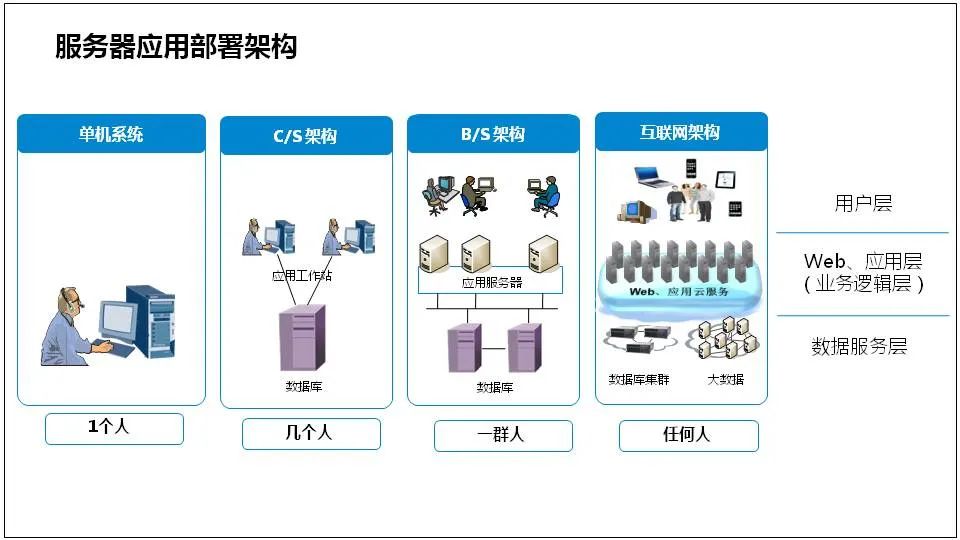
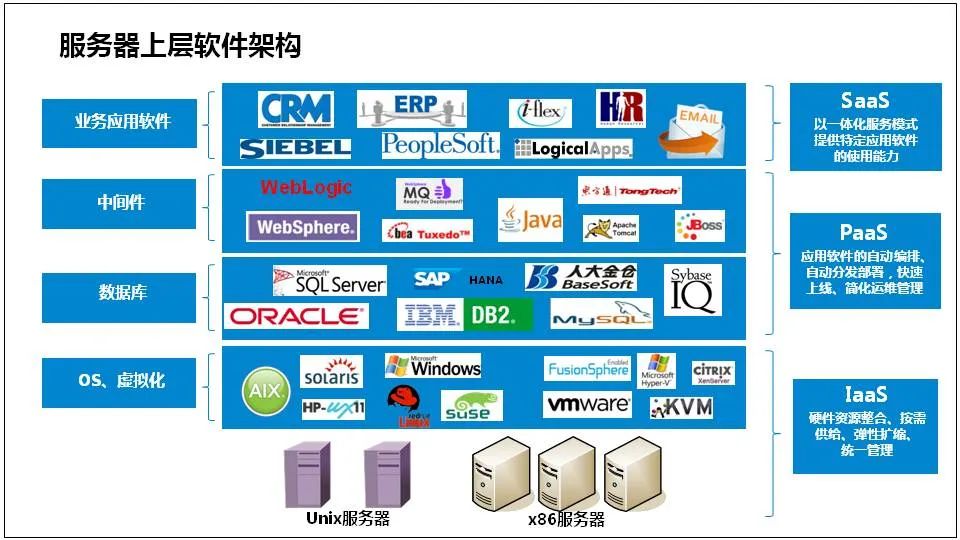
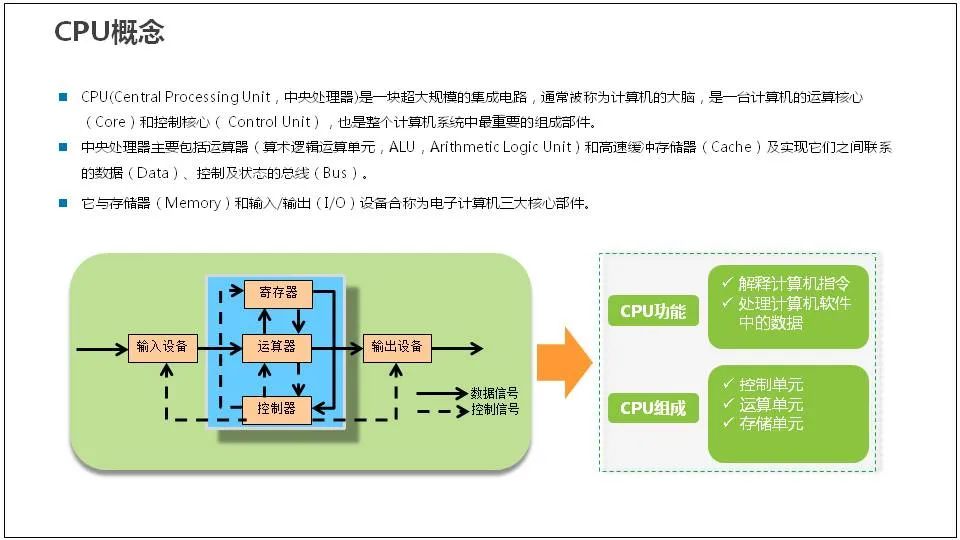
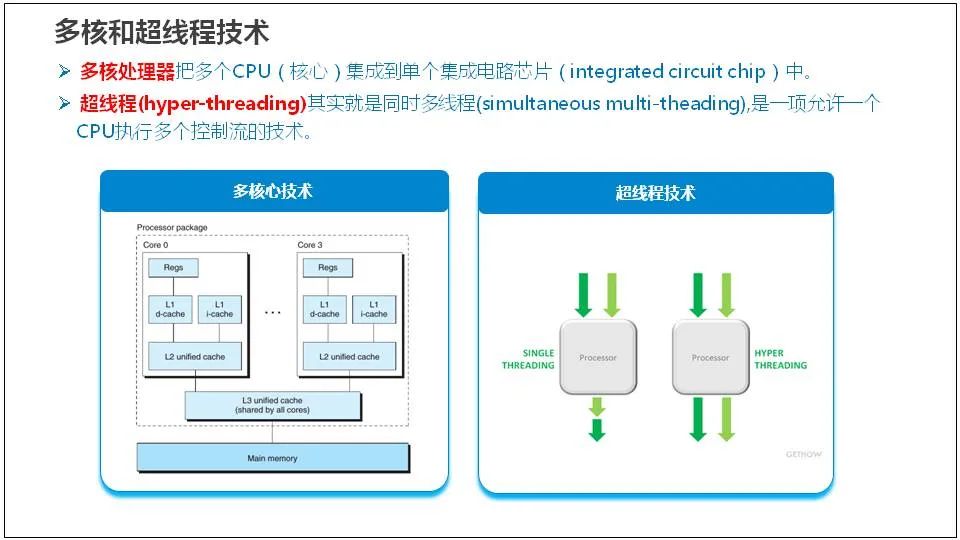
Simply put, a server is a computer that provides services to other clients on the network; it features high performance, high reliability, and high I/O data transfer capabilities. Businesses rely on large-scale servers for everything from basic email and printing to core applications like ERP and databases, as well as familiar internet services, innovative big data services, and HPC high-performance computing for weather forecasting.
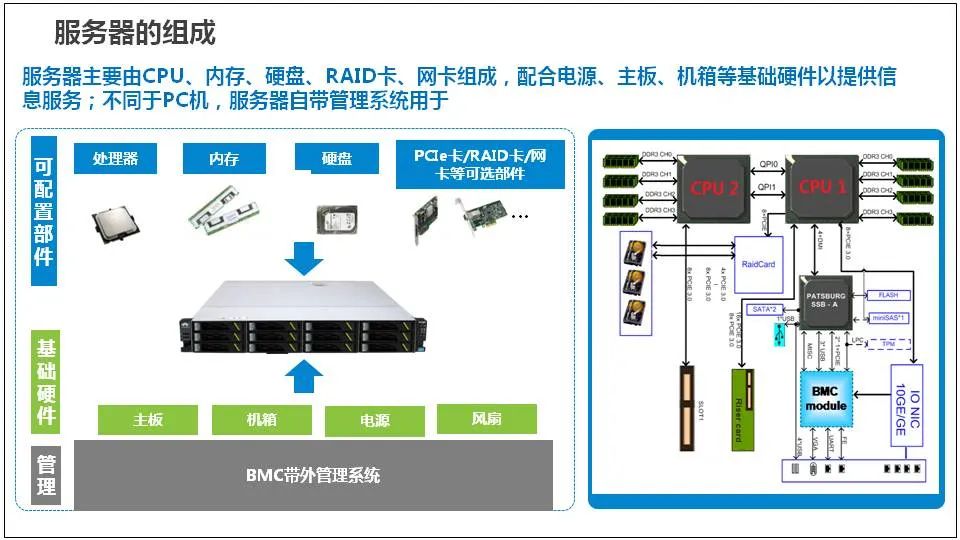
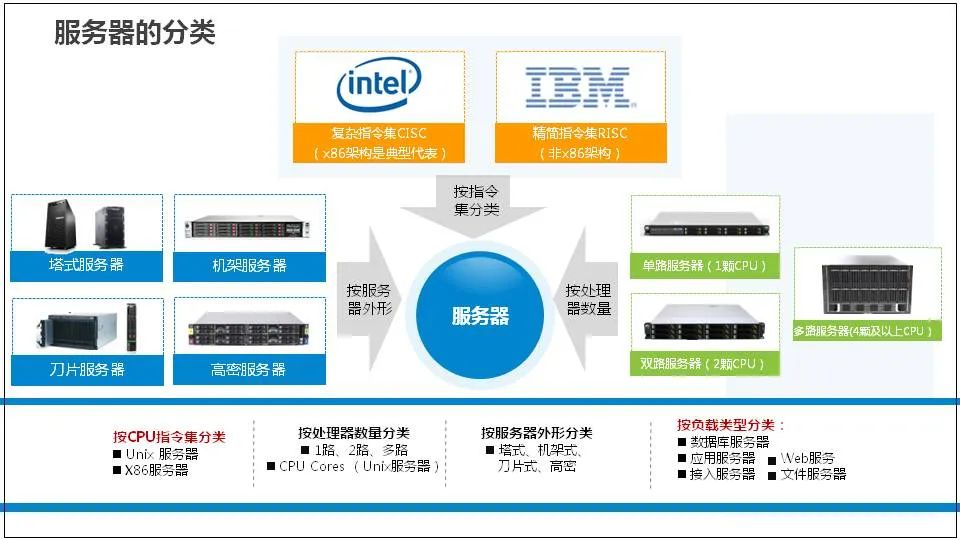
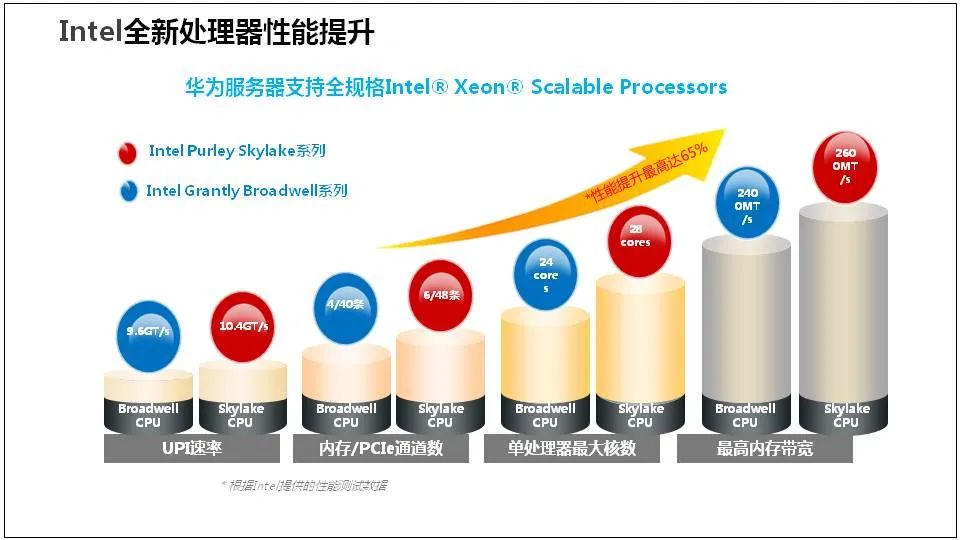
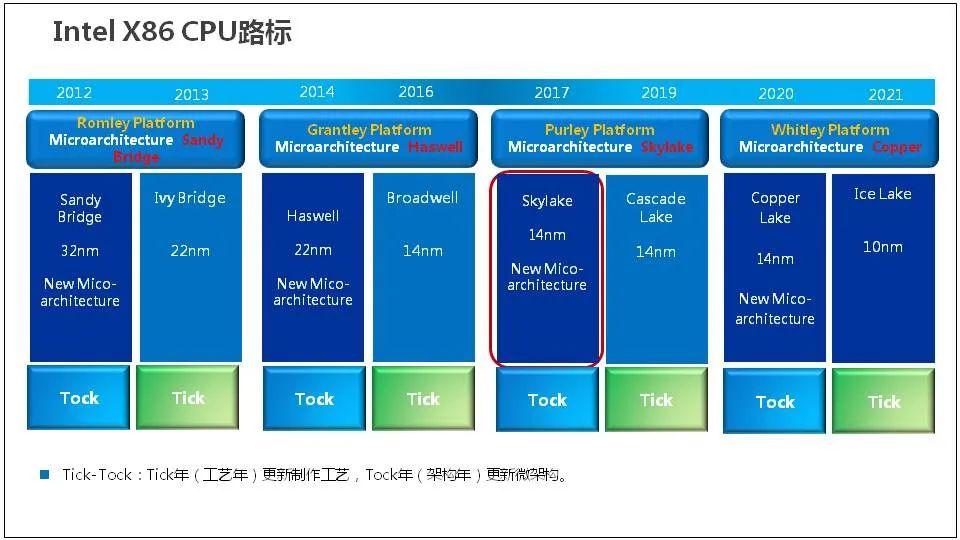
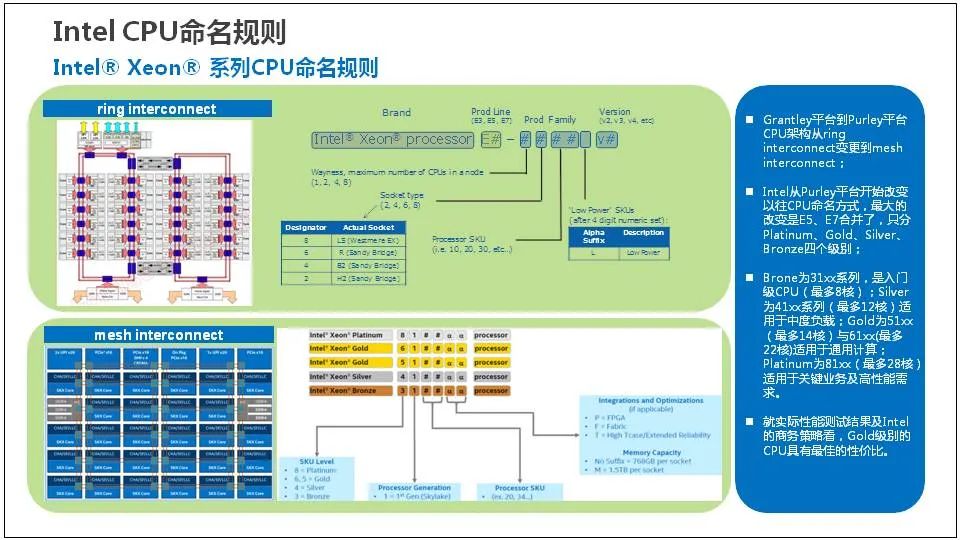
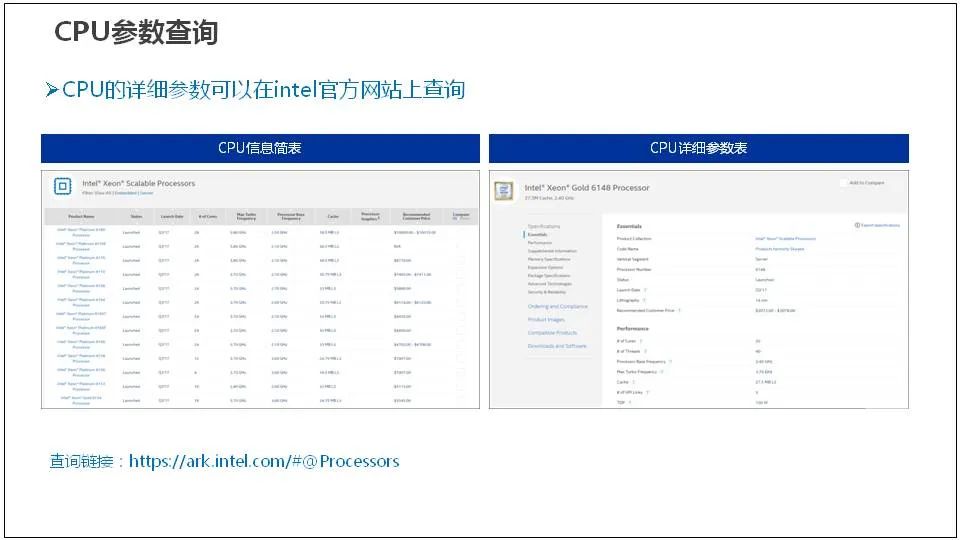
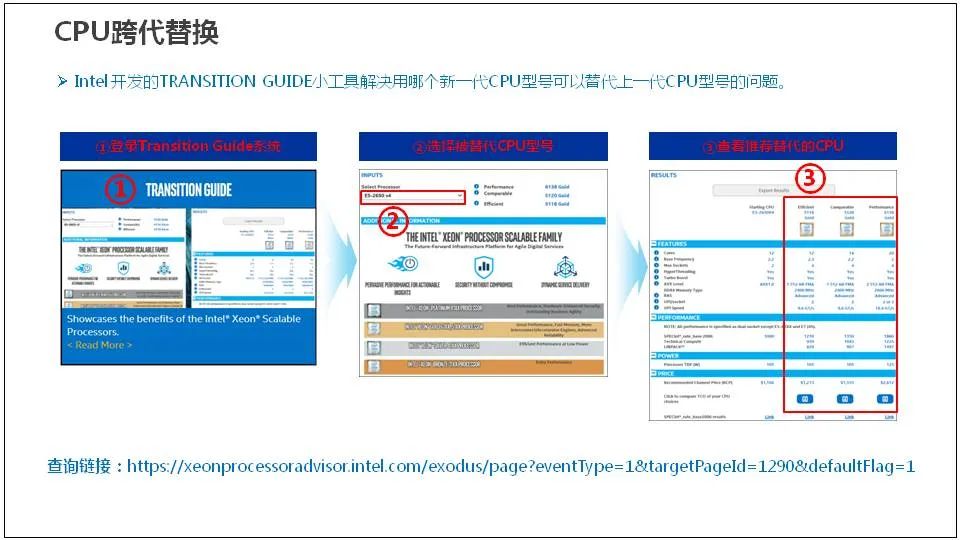
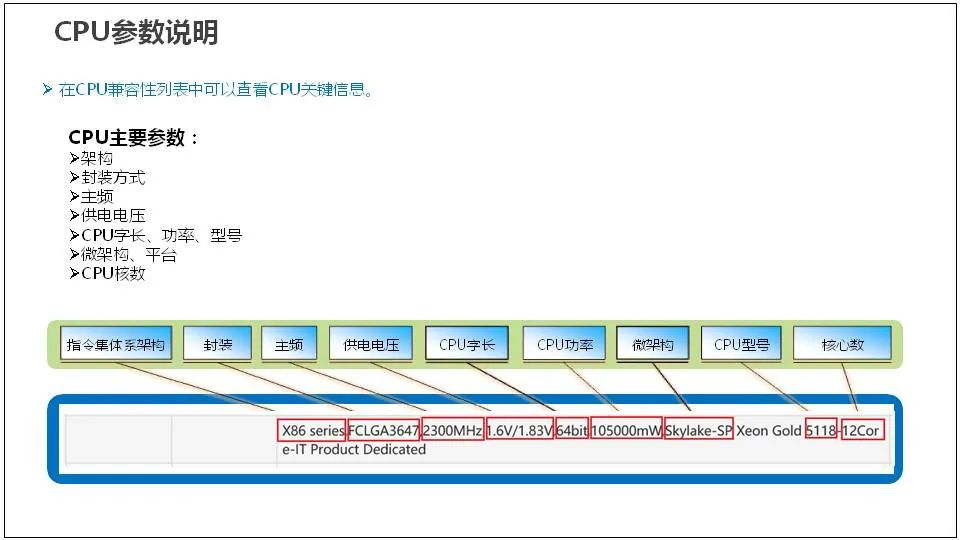
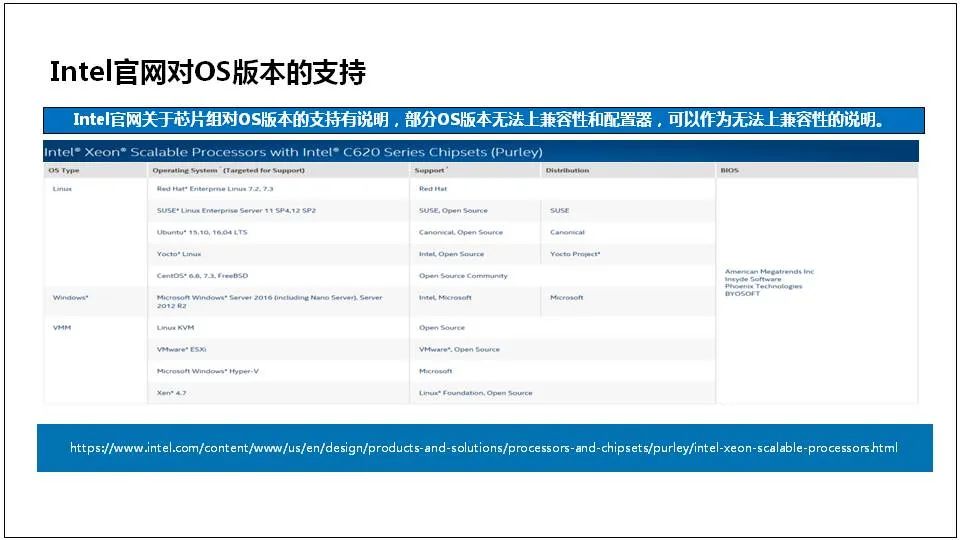
In July 2017, Intel officially released the next-generation server platform codenamed Purley, which includes the new generation Xeon CPU codenamed Skylake, named the Intel Xeon Scalable Processor (SP), marking the end of the naming convention for the Xeon E5/E7 series that had lasted for four generations.
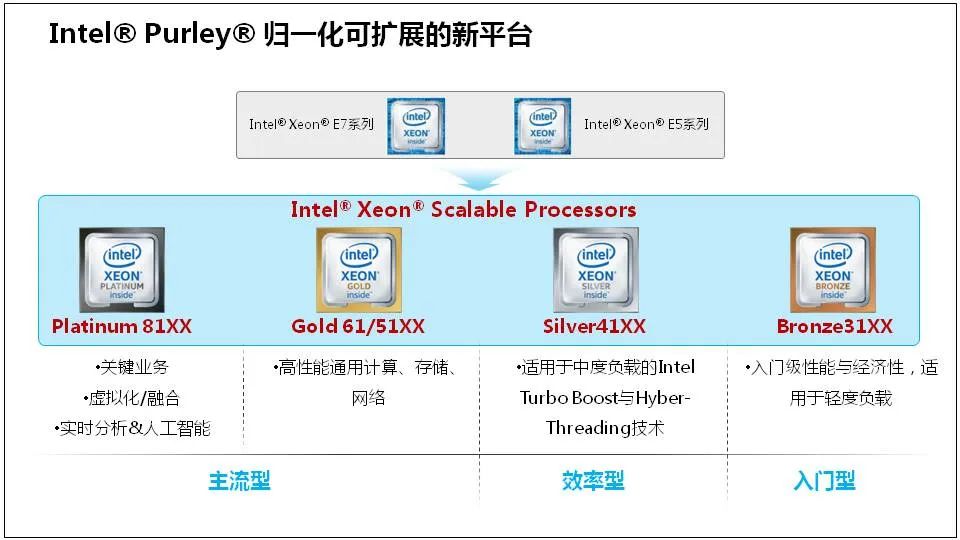
The Xeon Scalable Processor is no longer categorized as E7 or E5, but instead uses a tiered system of Platinum, Gold, Silver, and Bronze. Skylake is the first generation of this new naming convention, and Cascade Lake is the second generation, both sharing the Purley platform.
-
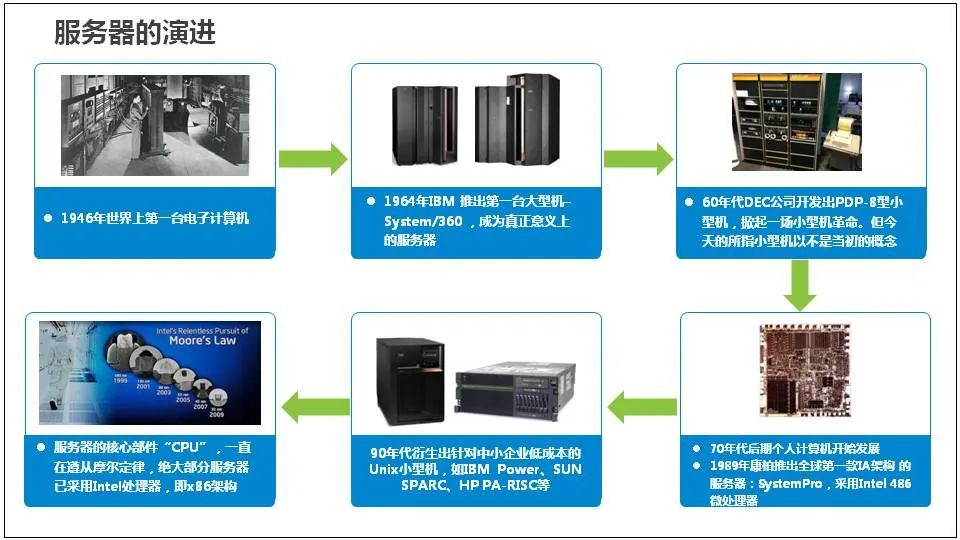
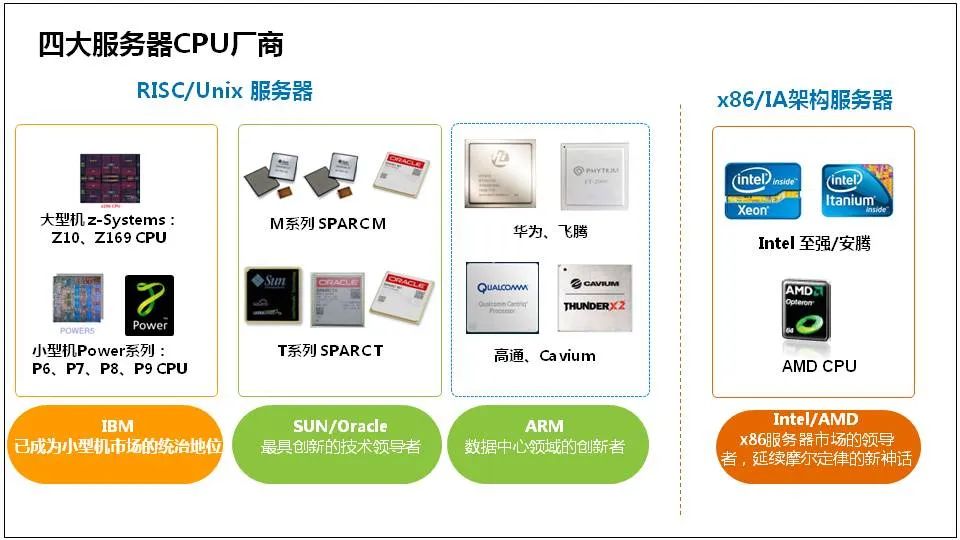
Mainframe: Rarely encountered by the average person, this is a computer system used for large-scale calculations. Mainframes are typically used by governments, banks, transportation, insurance companies, and large manufacturing enterprises. They are characterized by powerful data processing capabilities, high stability, and security.
-
Minicomputer: Often used in industries such as finance, power, and telecommunications, these users value Unix operating systems and specialized server RAS features, vertical scalability, and excellent processing capabilities under high concurrency. These features are difficult to achieve with ordinary x86 servers, so critical applications such as databases generally adopt the “large and expensive” minicomputer solutions.
-
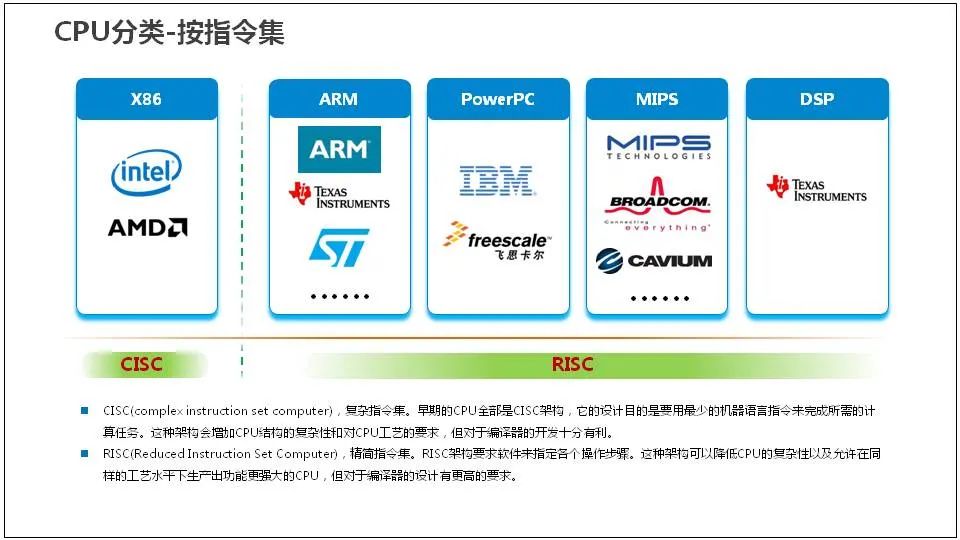
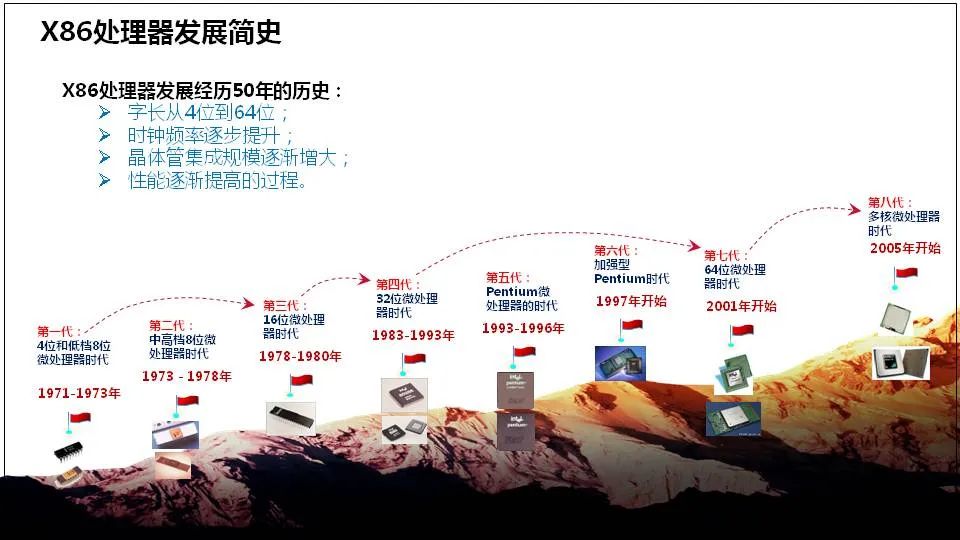
x86 Server: Utilizes a CISC architecture processor. On June 8, 1978, Intel released a new type of microprocessor, the 8086, marking the birth of the x86 architecture. The x86 architecture defines the instruction set for specific microprocessors, establishing the basic usage rules for the chip.
-
ARM Server: ARM stands for Advanced RISC Machine, which is a representative of RISC microprocessors characterized by energy efficiency.
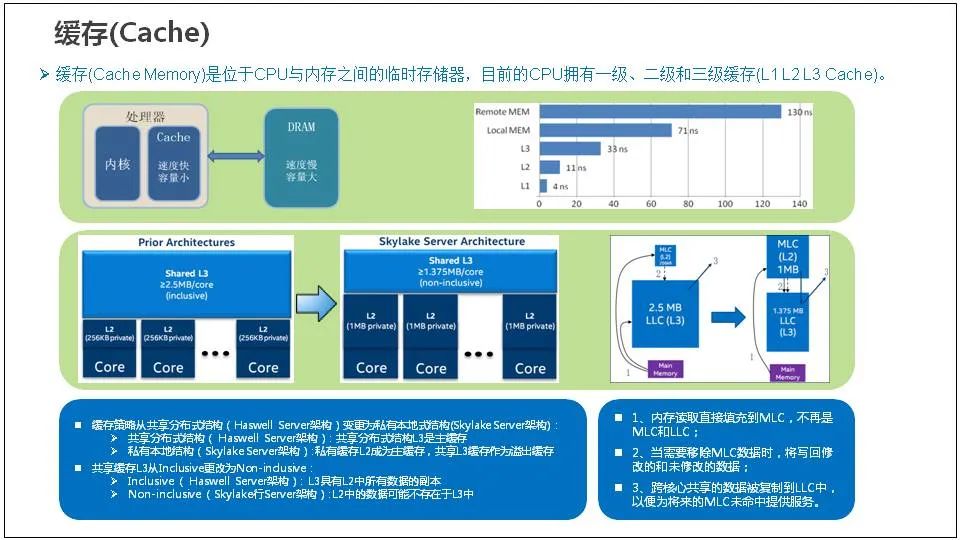
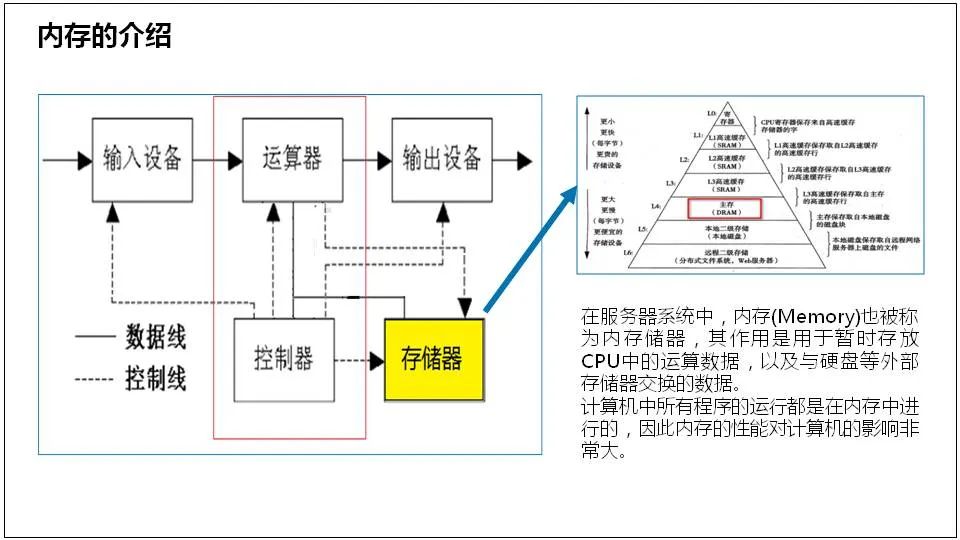
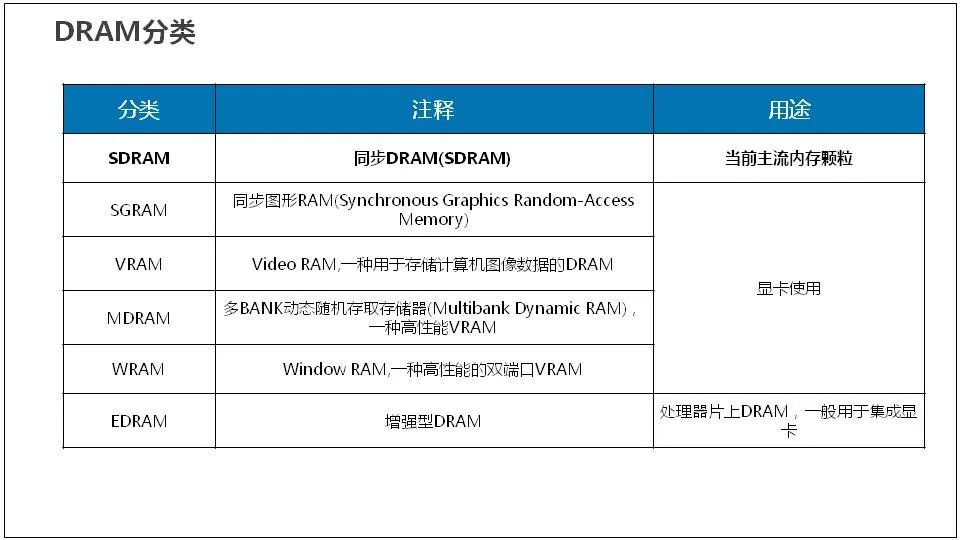
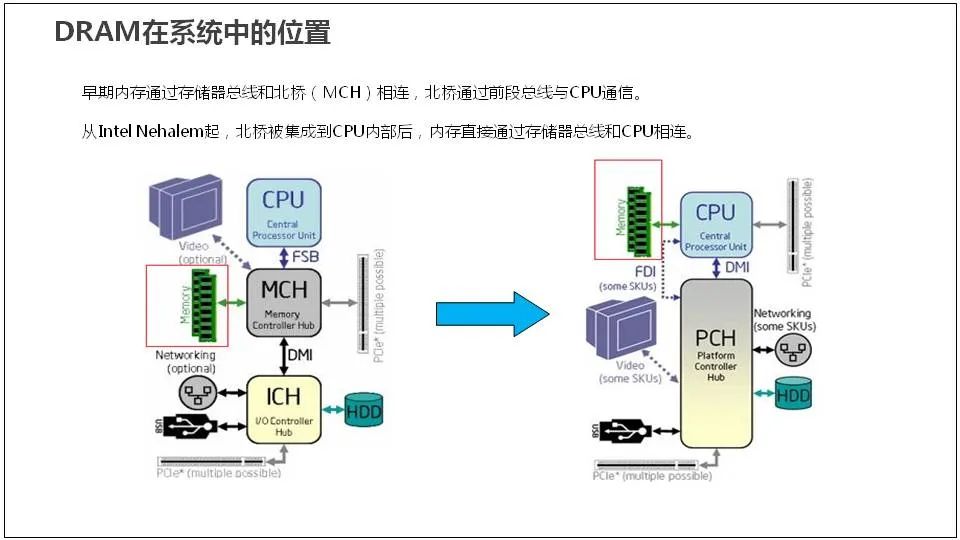
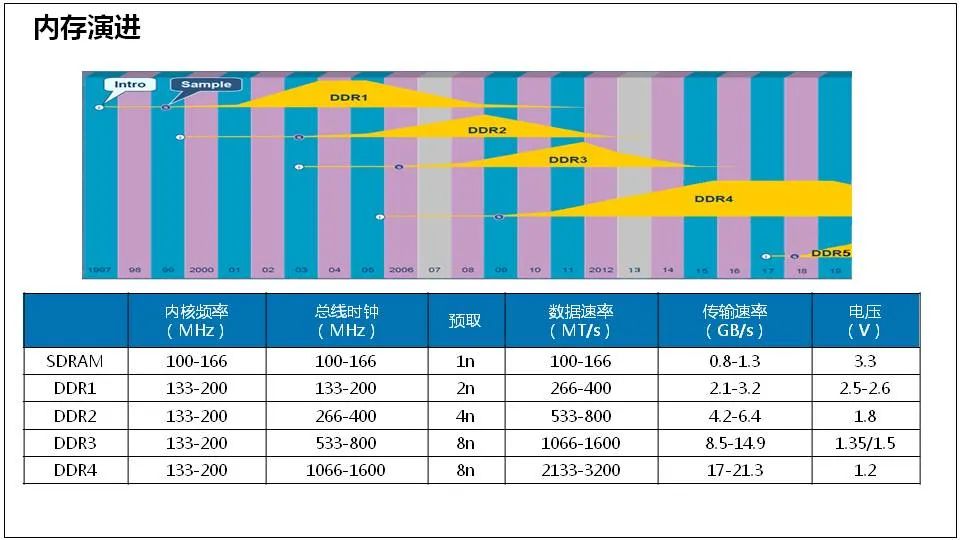
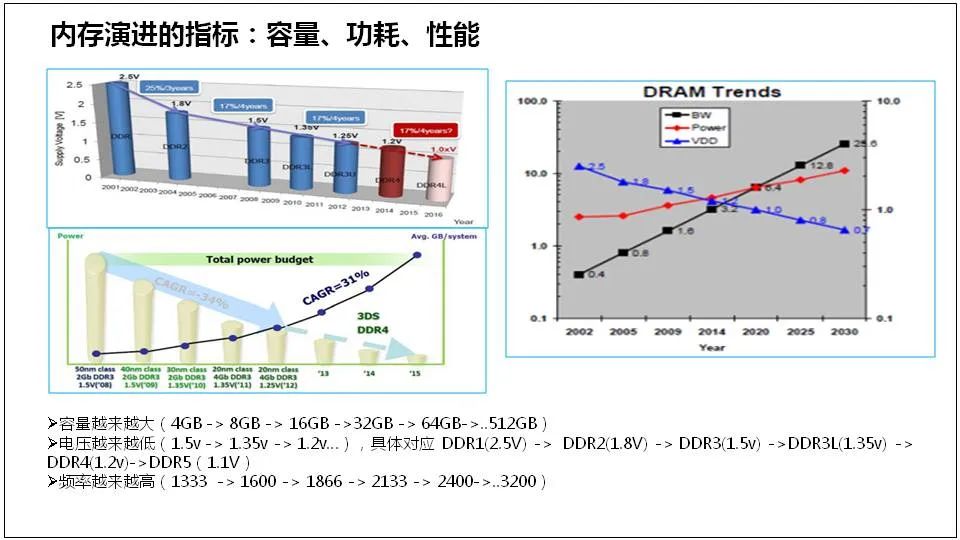
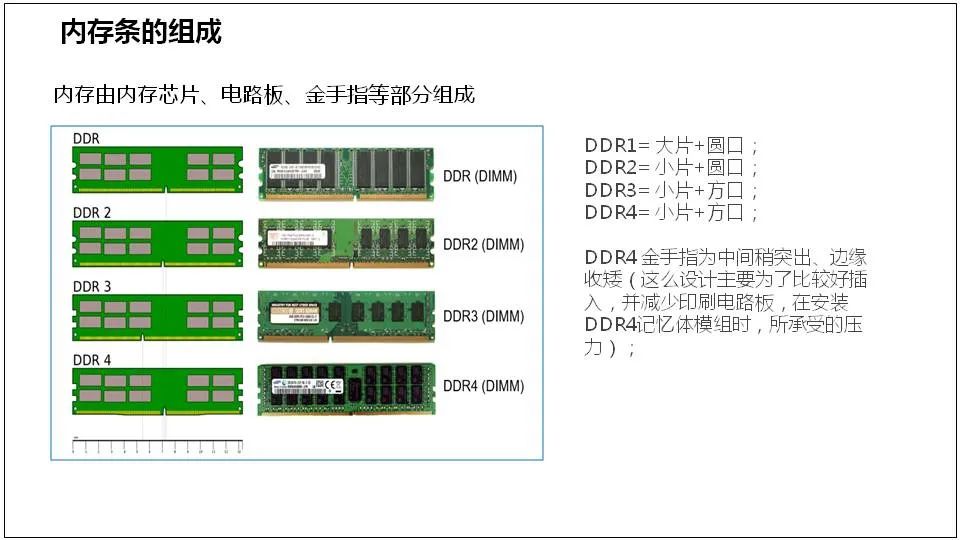
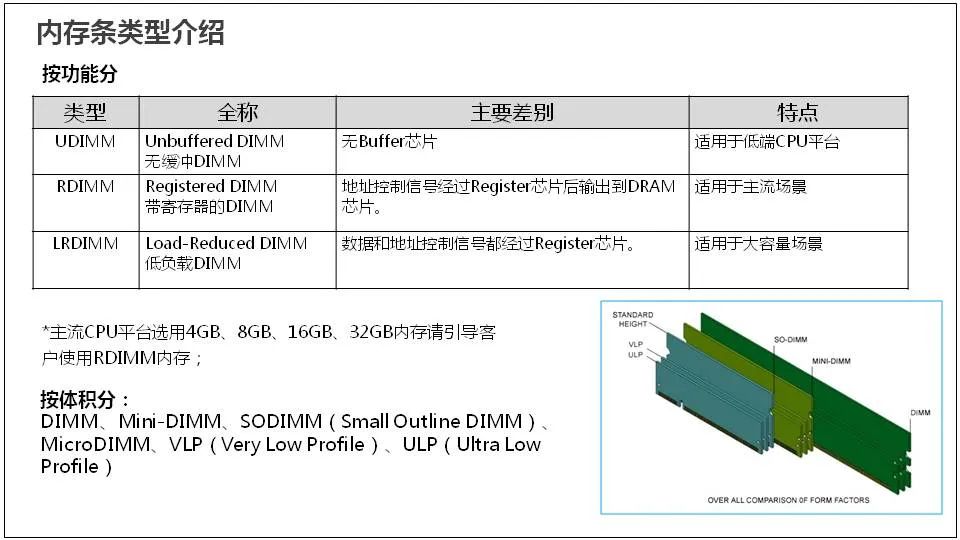
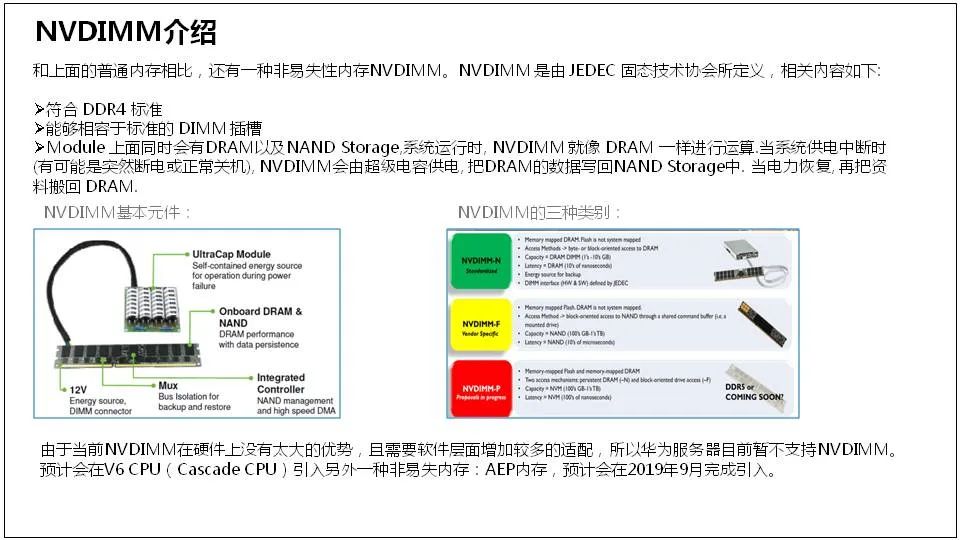
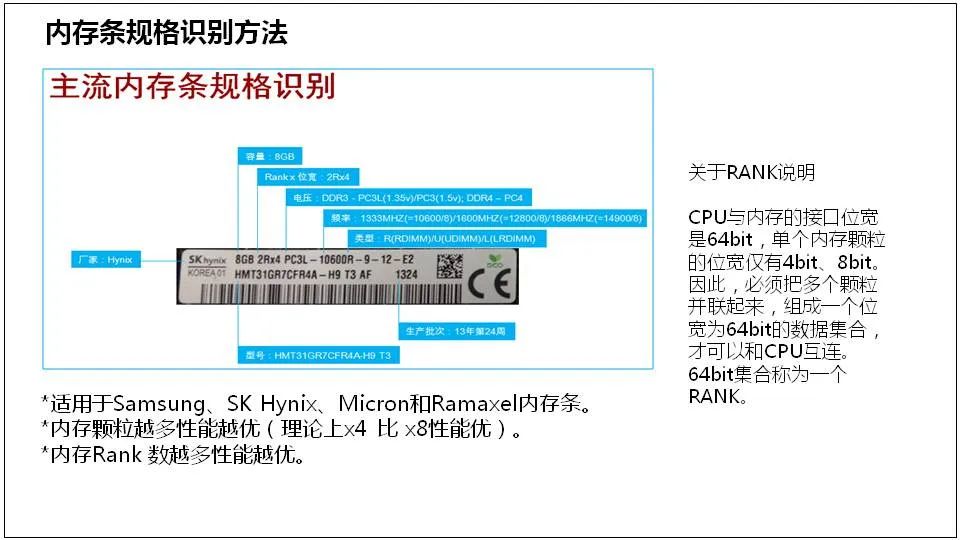
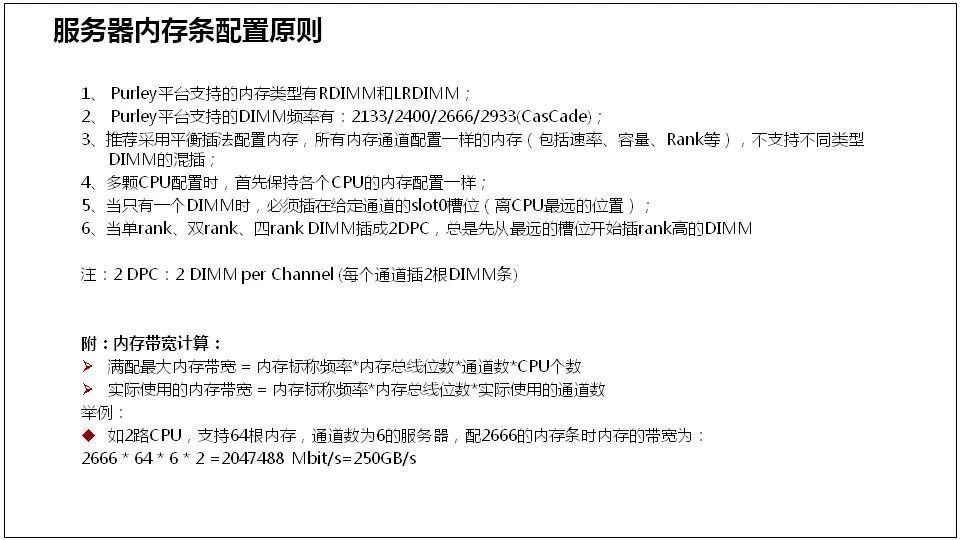
DRAM (Dynamic Random Access Memory) is the most common system memory. DRAM can only hold data for a very short time. To retain data, DRAM uses capacitors, so it must be refreshed periodically; if the storage unit is not refreshed, the stored information will be lost (data is lost when powered off).
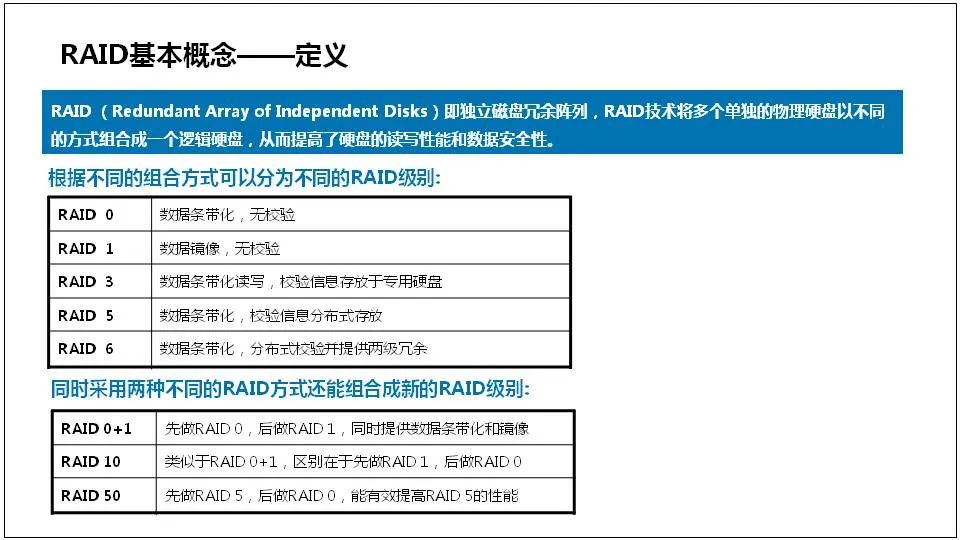
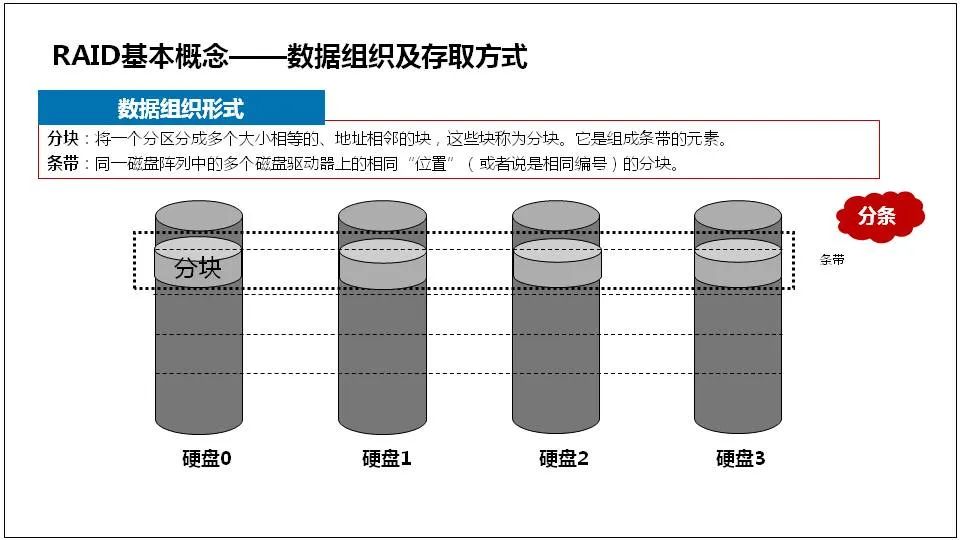
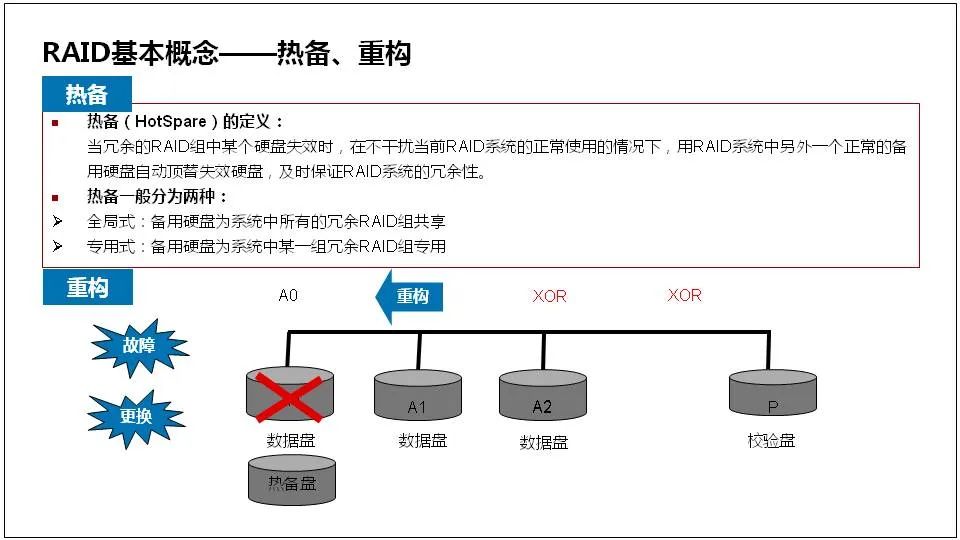
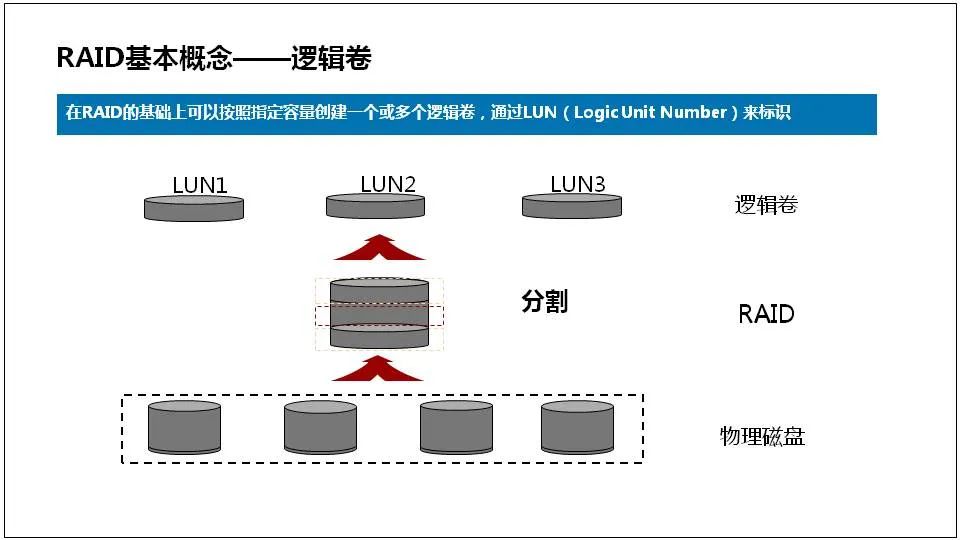
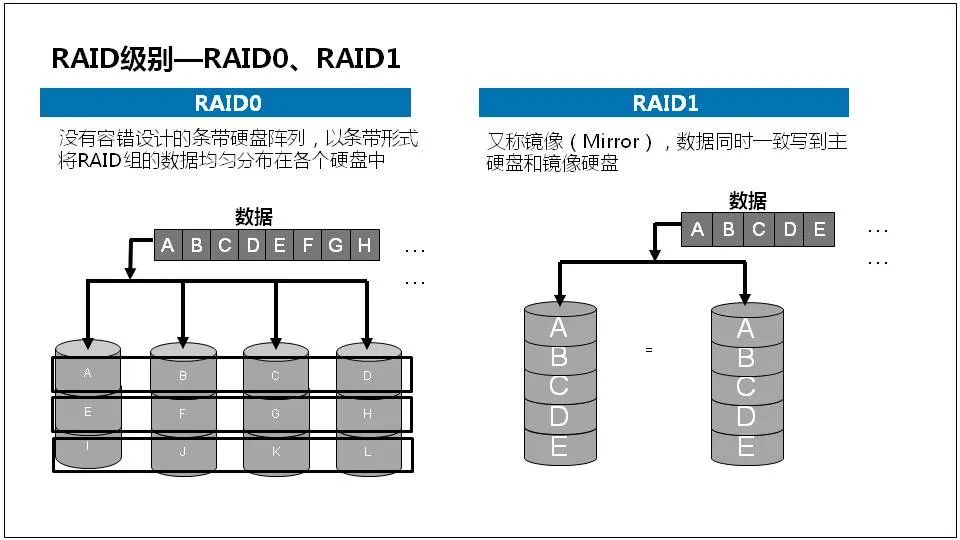
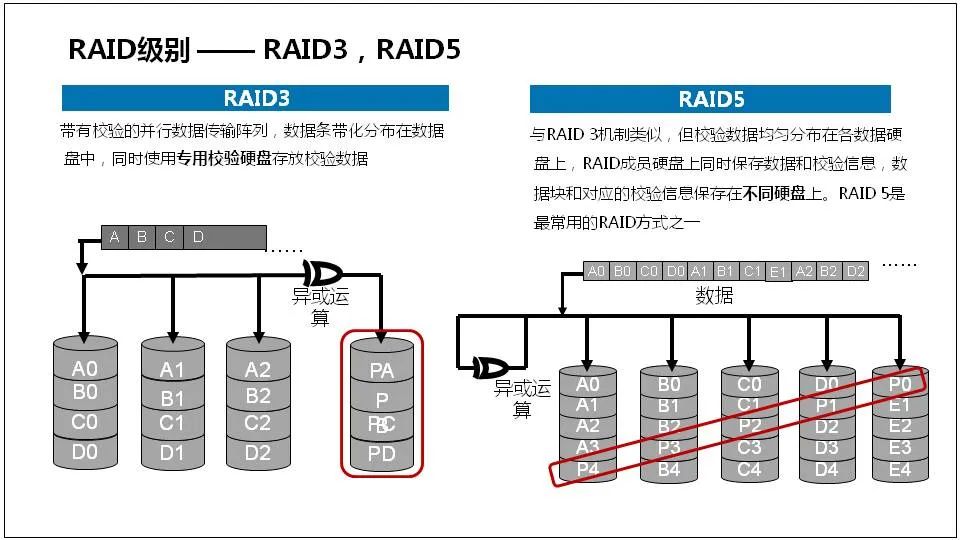
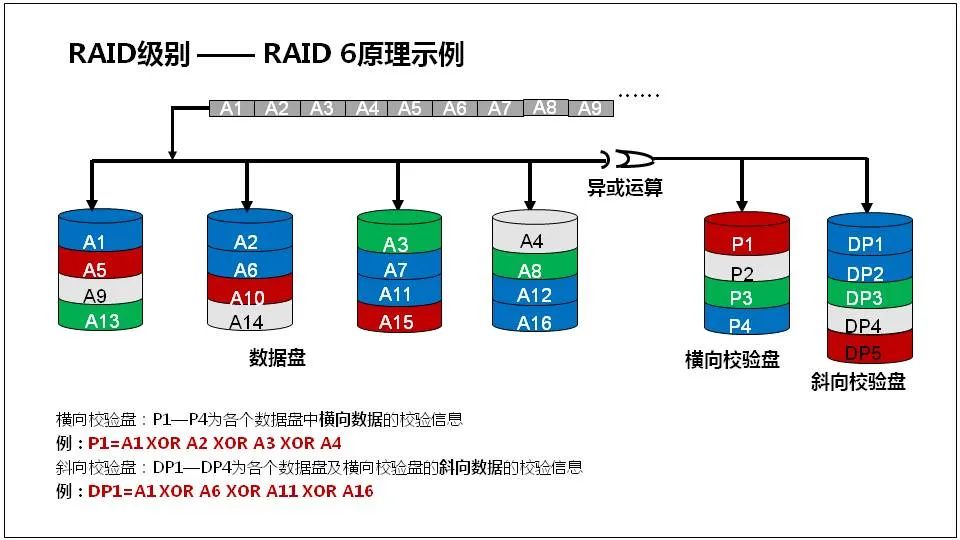
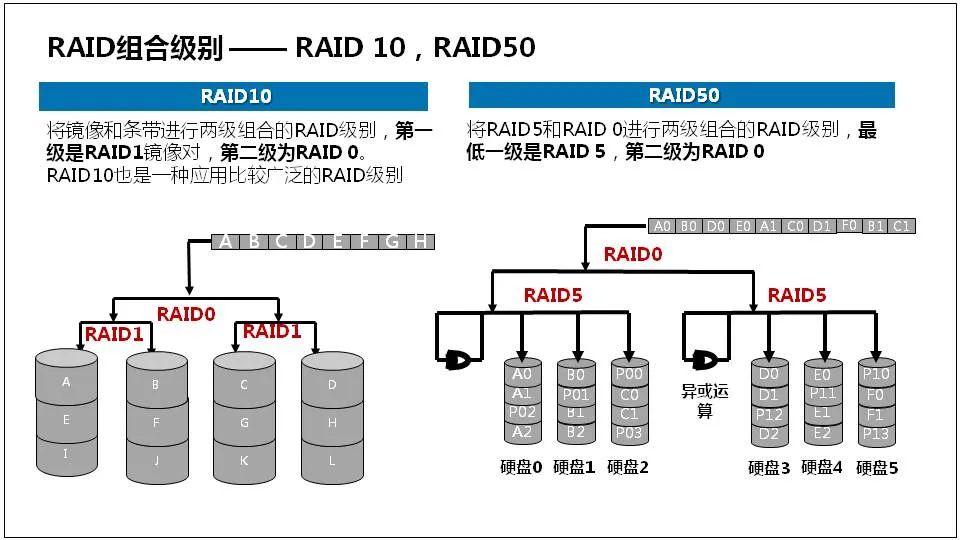
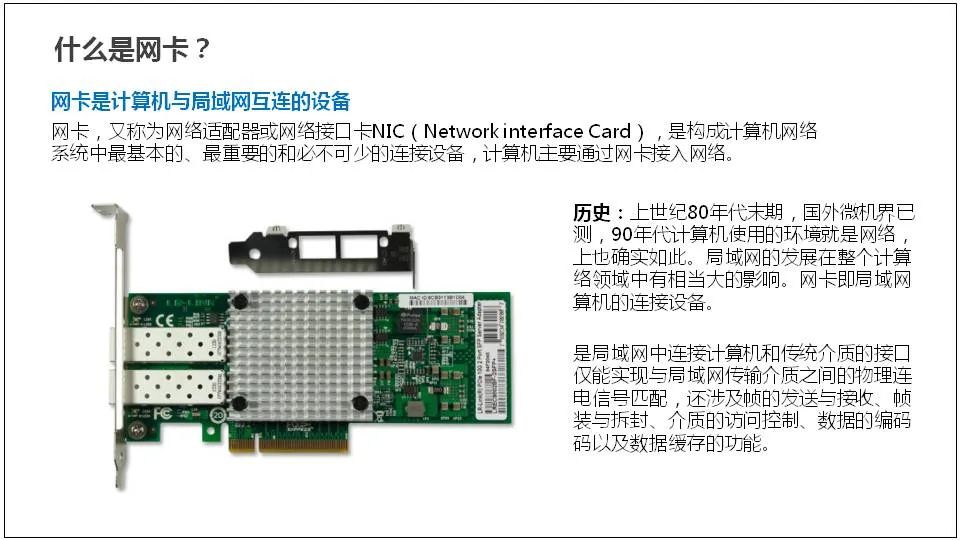
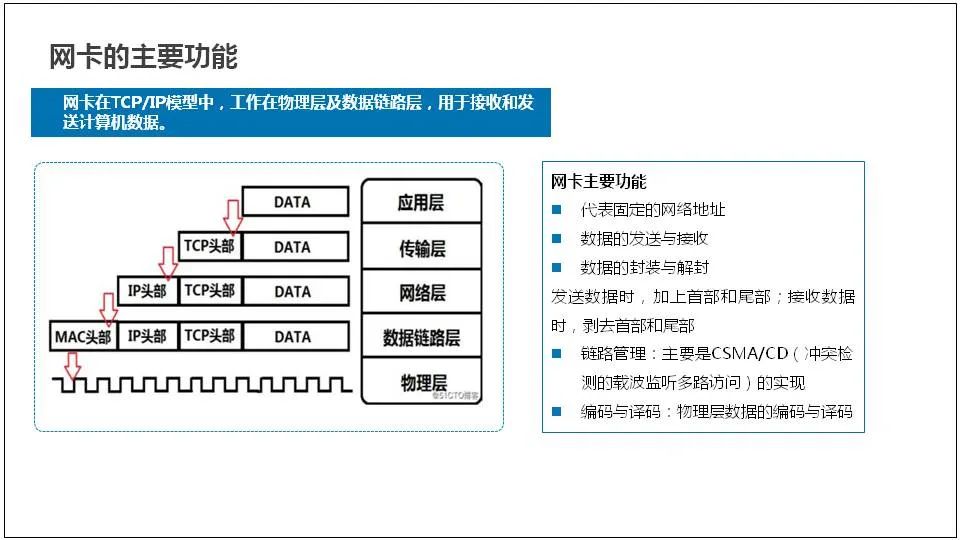
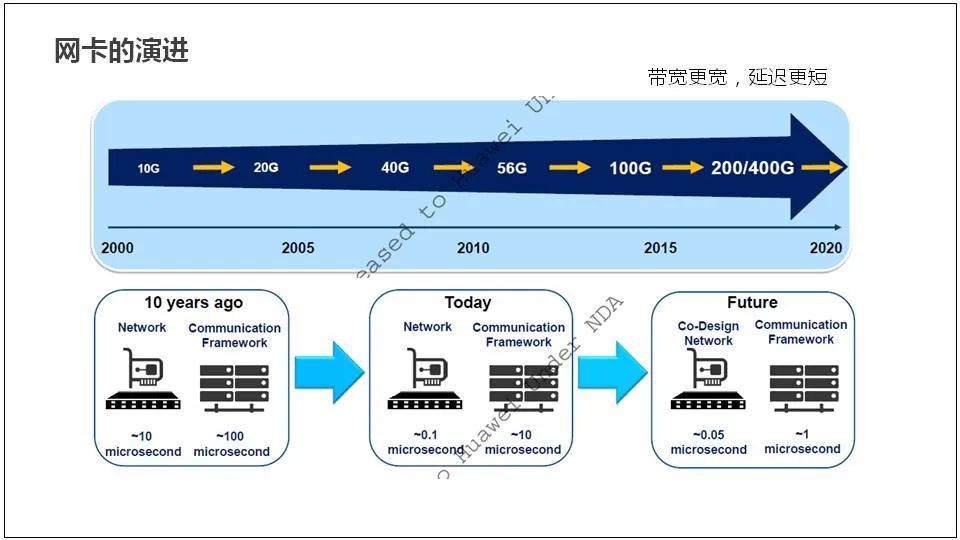
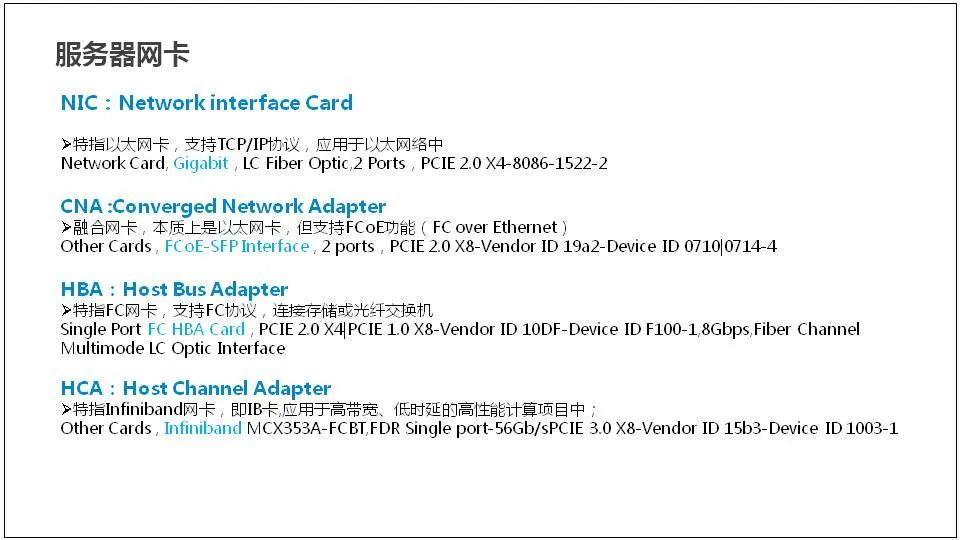
With the rapid development of computer network technology, different types of network cards have emerged to meet various environments and levels of applications.
-
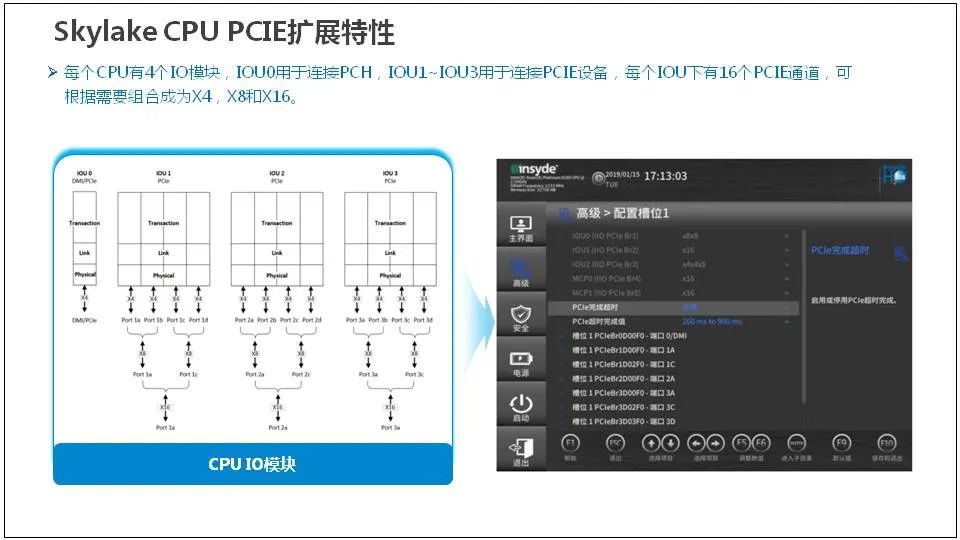
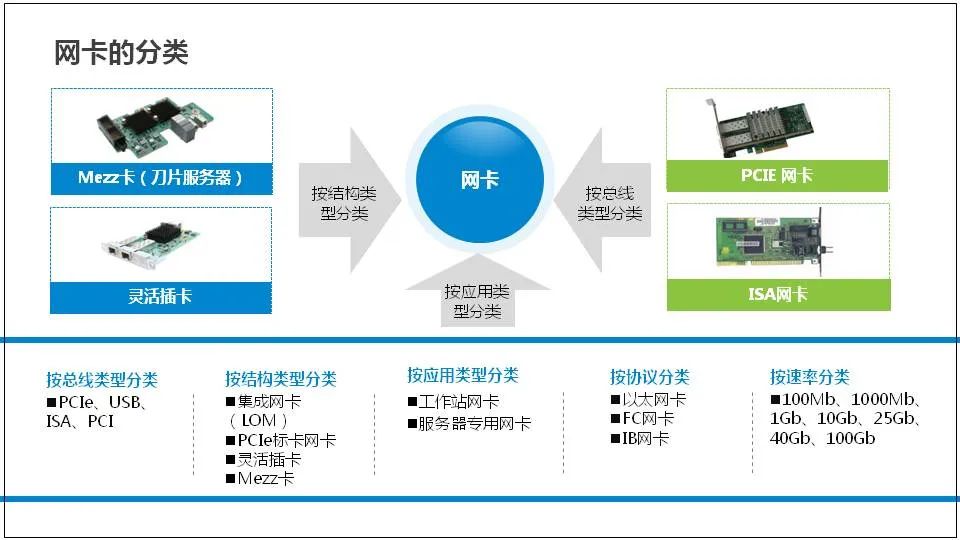
Bus classification: PCIe, USB, ISA, PCI, etc. ISA/PCI buses are relatively early network buses that are rarely used now. USB interface network cards are mainly used in consumer electronics.
-
Structural form: Integrated network card (LOM), PCIe standard card network card, Mezz card.
-
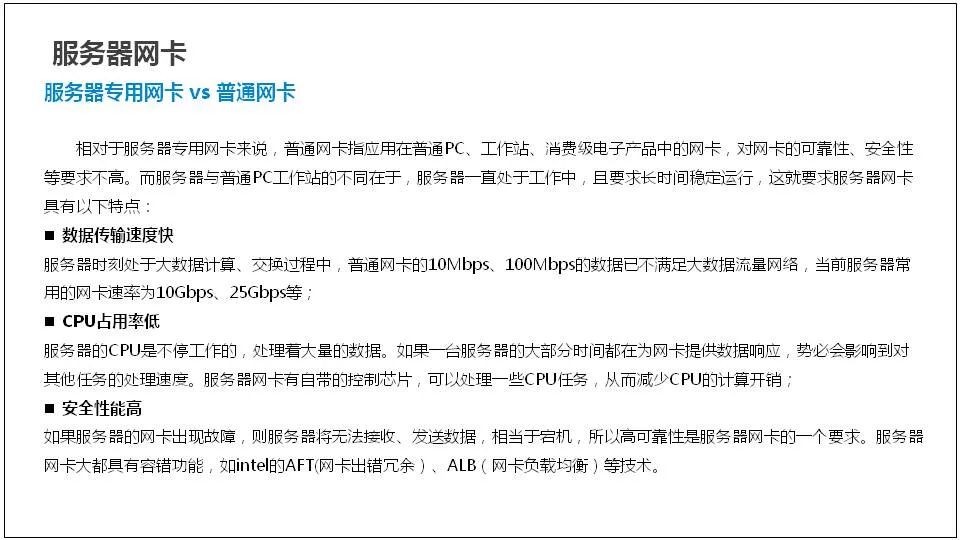
Application type: Network cards can be classified based on the type of computer they are applied to, dividing them into workstation network cards and server network cards.
-
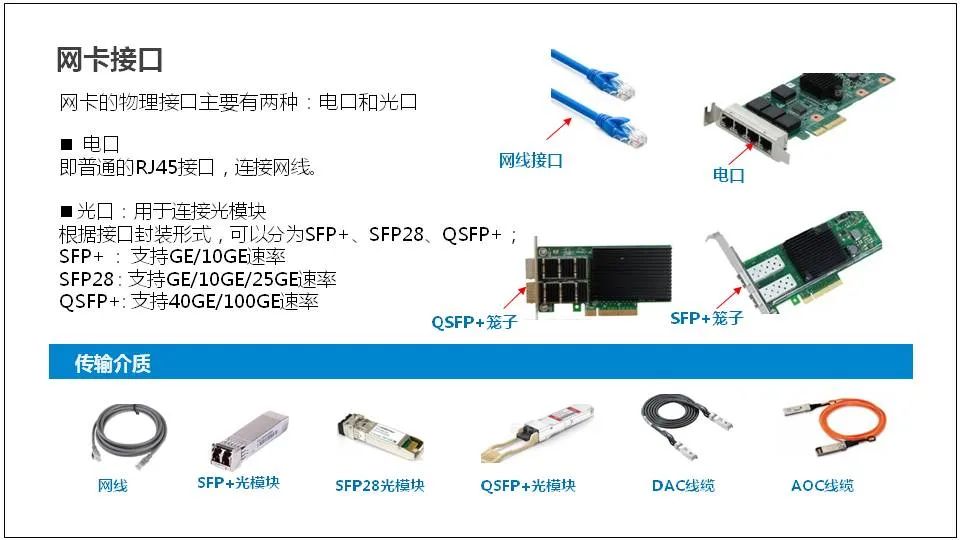
Electrical port: The common type of network port seen on PCs, called RJ45, uses ordinary network cables.
-
Optical port: Used to connect optical modules, the interface on the network card for plugging in optical modules is called an optical cage.
Optical modules can be classified by packaging type into SFP+, SFP28, and QSFP+. SFP+ and SFP28 have the same structural appearance and are compatible with each other, but SFP28 supports higher rates, reaching 25G, while SFP+ generally only goes up to 10G. QSFP+ has significant differences in appearance from SFP+ and is not compatible. QSFP+ is used for rates above 40G.
-
DAC cable is a direct attach copper cable, where the module head is integrated with the cable, requiring no additional optical module. The cable has high attenuation, generally available in lengths of 1m, 3m, and 5m, but is inexpensive, making it the best solution for short-distance transmission.
-
AOC stands for Active Optical Cable, which is equivalent to two optical modules + optical fiber in one. This type of cable has high data transmission reliability but is more expensive.
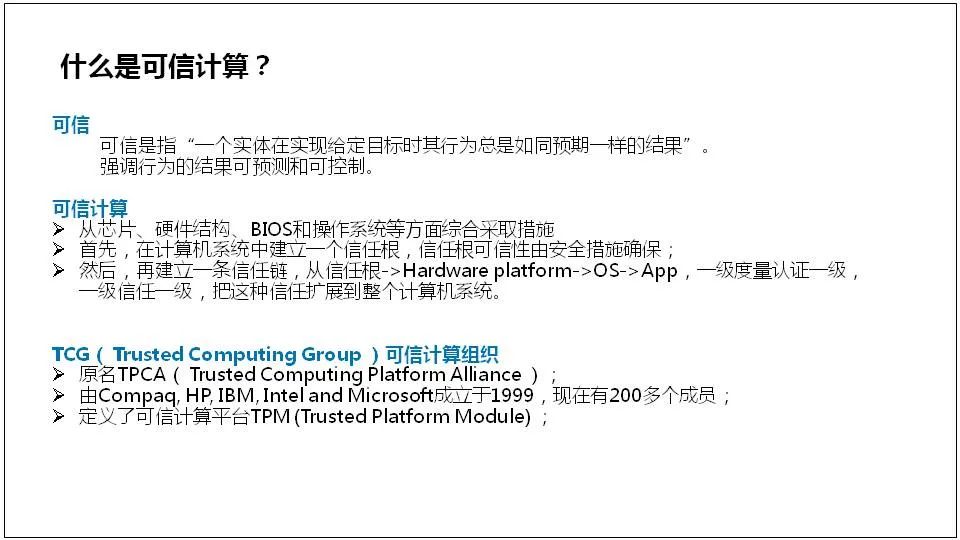
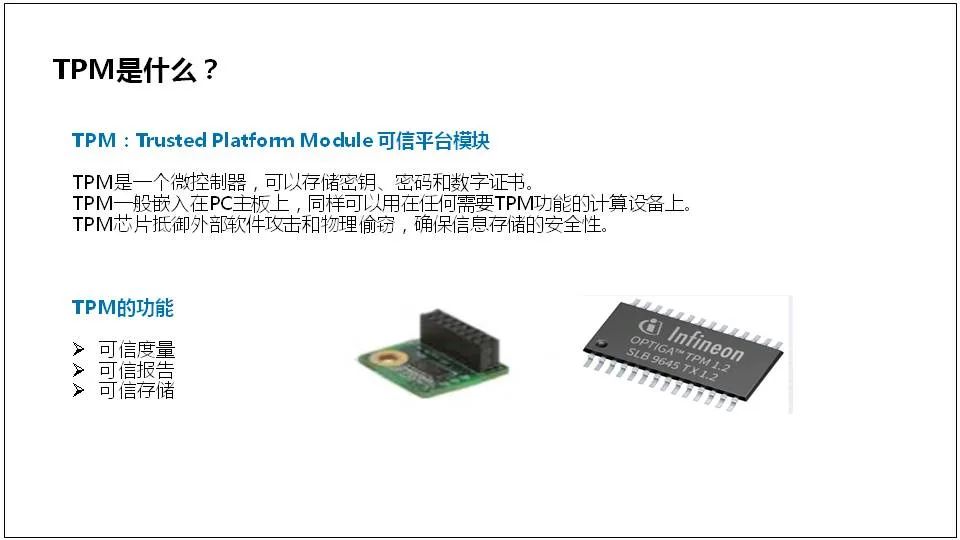
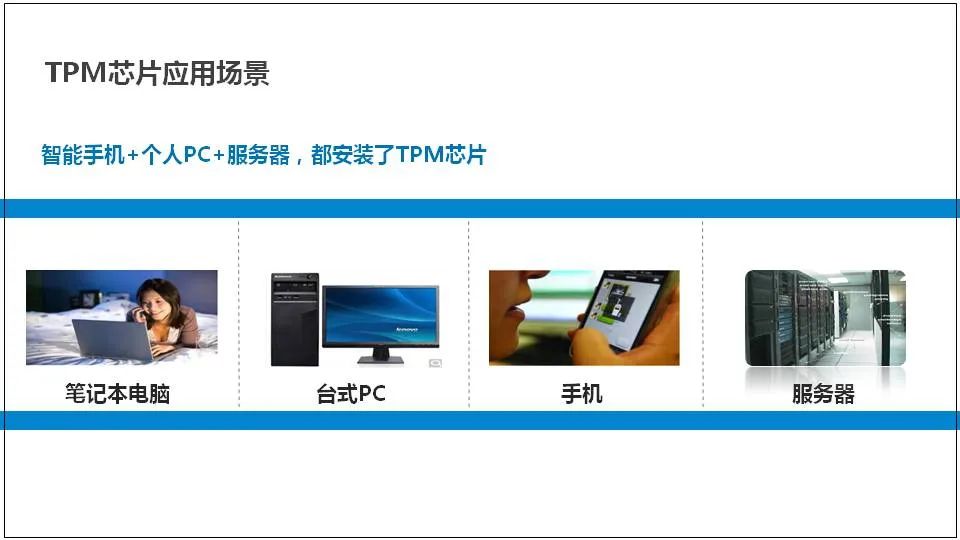
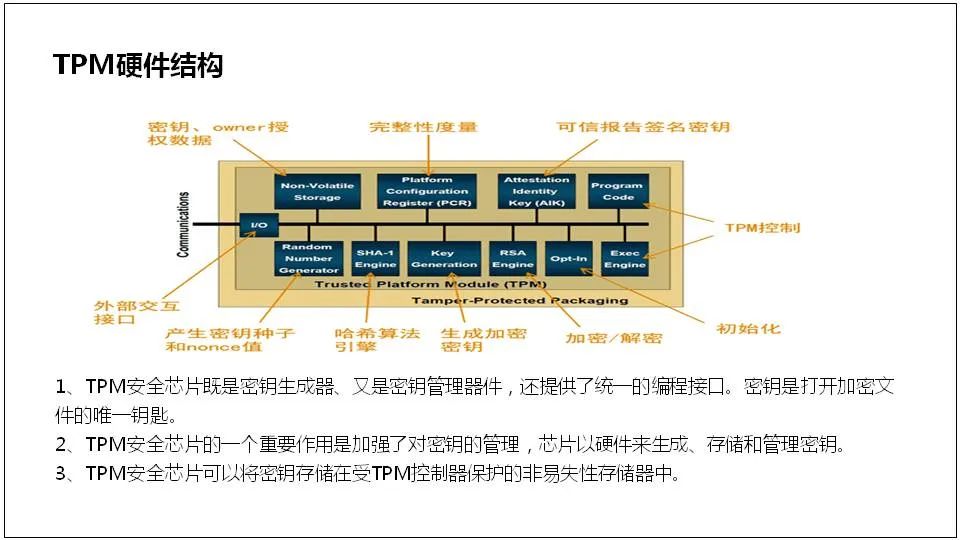
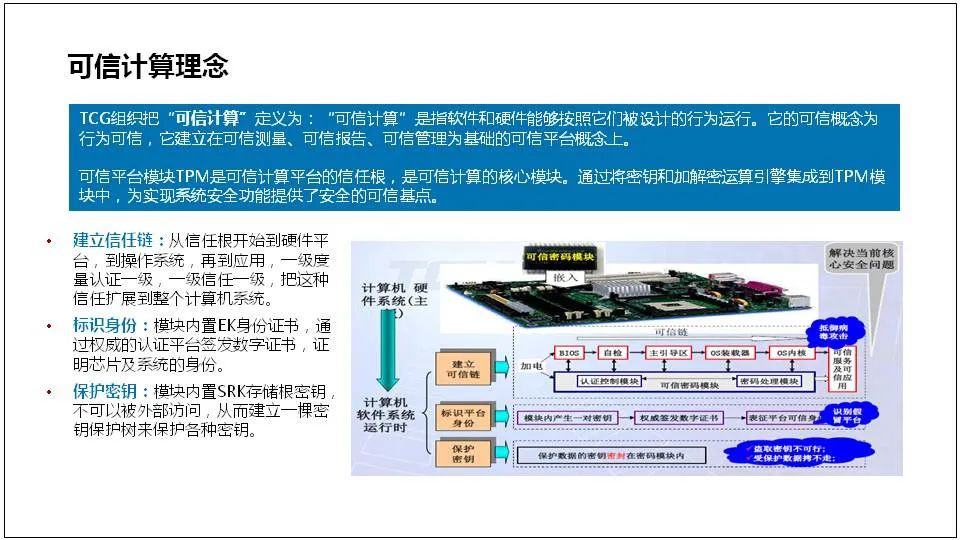
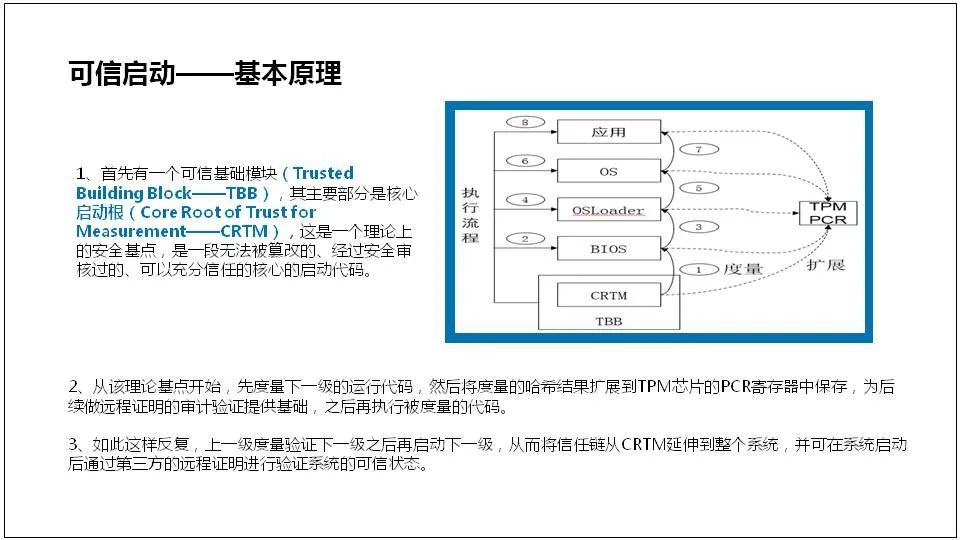
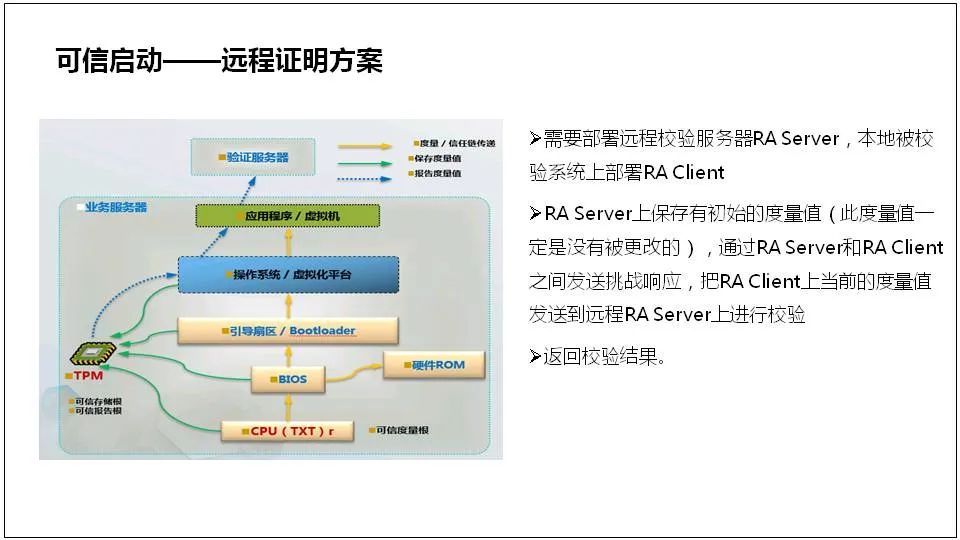
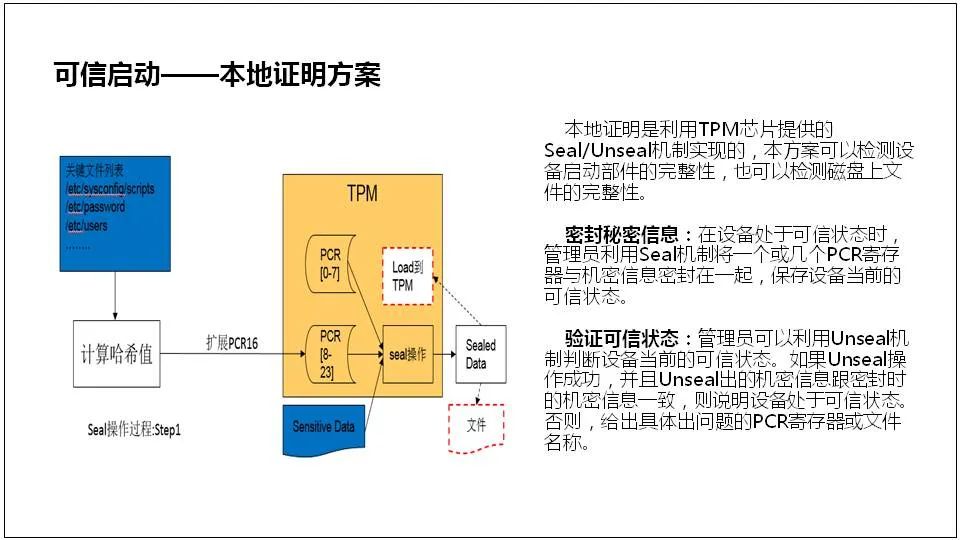
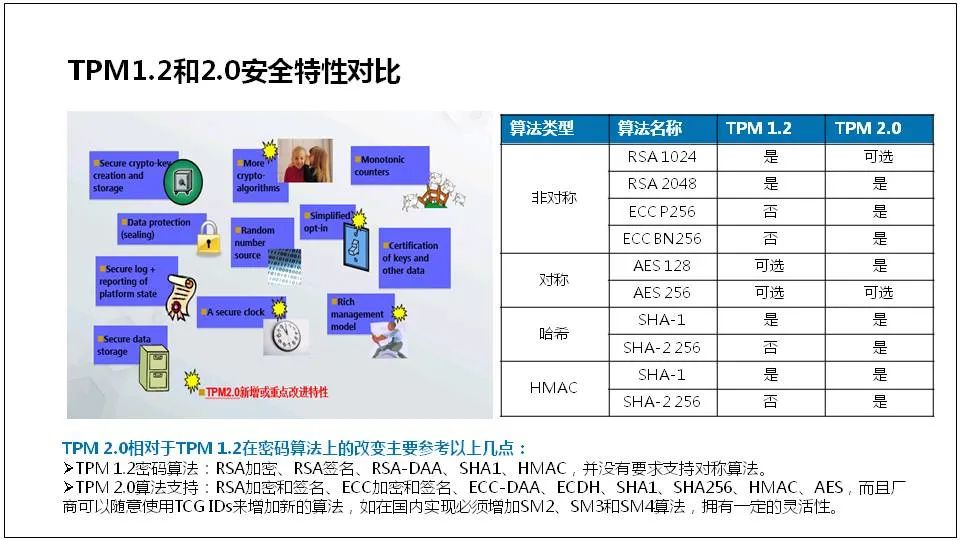
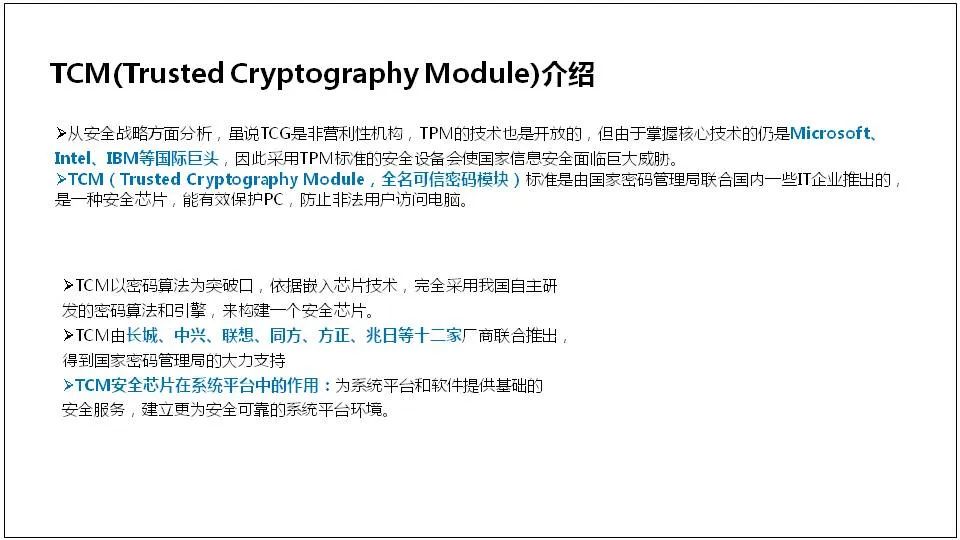
When it comes to trusted computing, we cannot ignore the TPM security chip. The TPM security chip refers to a security chip that complies with the TPM standard, which effectively protects PCs and prevents unauthorized access.
The TCG proposed the TPM standard, with the latest version being 1.2. A chip that complies with the TPM standard must first have the ability to generate encryption and decryption keys, and it must also be capable of high-speed data encryption and decryption, as well as serve as an auxiliary processor to protect the BIOS and operating system from being modified.
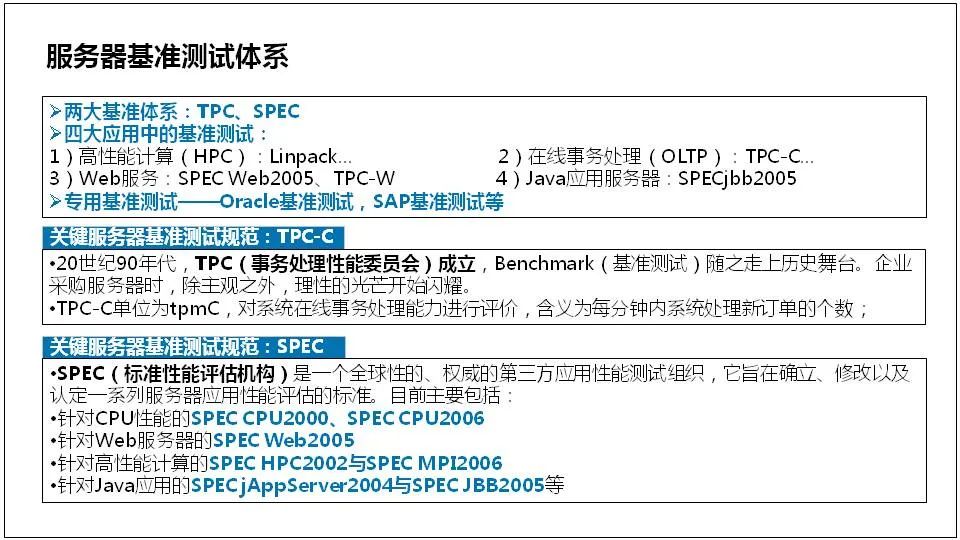
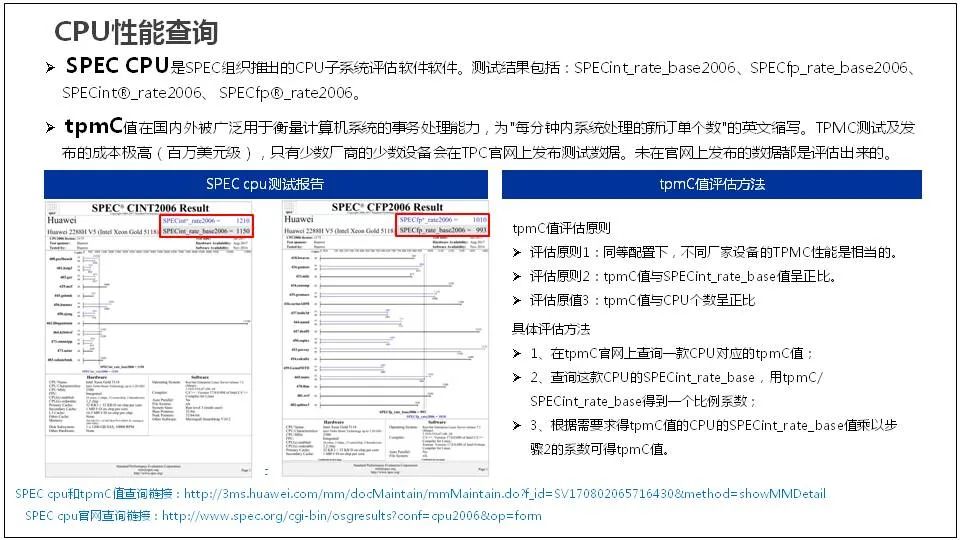
The TPC (Transaction Processing Performance Council) was established, and Benchmarking came to the historical stage. When enterprises purchase servers, in addition to subjective parameters, rationality begins to shine.
The TPC unit is tpmC, which evaluates the system’s online transaction processing capability, indicating the number of new orders processed by the system per minute, primarily simulating enterprise MIS, ERP, and other systems to test the server’s online business processing capability.
SPEC (Standard Performance Evaluation Corporation) is another global and authoritative third-party application performance testing organization that aims to establish, modify, and certify a series of server application performance evaluation standards. Currently, it mainly includes:
-
SPEC CPU2000 and SPEC CPU2006 for CPU performance
-
SPECWeb2005 for web servers
-
SPEC HPC2002 and SPEC MPI2006 for high-performance computing
-
SPECjAppServer2004 and SPEC JBB2005 for Java applications, as well as testing metrics for graphics, network, and mail servers.

NIS Research Institute compiled and edited this article
If you need to reprint, please leave a message in the backgroundSource: Intelligent Computer World
·END·
Shenzhen Cybersecurity AssociationSubscription Account: NIS Research Institute
For more information, please follow the association’s public account