In the late-night repair workshop, the only sounds echoing are the beeping of multimeters and the sizzling of soldering irons. The technician, holding a flashlight, inspects the circuit board, examining every solder joint on the variable frequency drive (VFD) circuit board—this is the third “striking” VFD they have repaired today, and they have spent over a decade having nights like this, “conversing” with circuit boards.
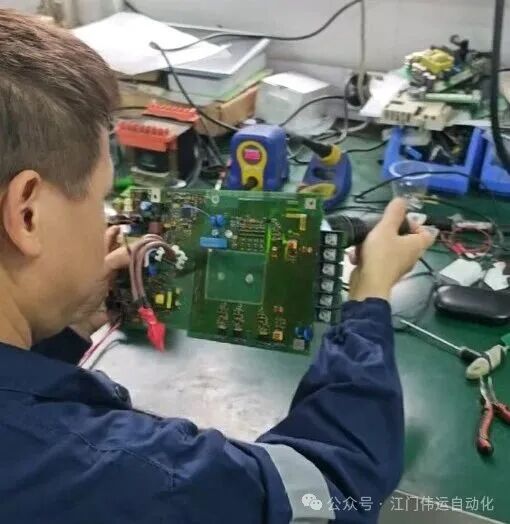
In the chain of industrial production, the variable frequency drive is undoubtedly the “power regulator,” precisely controlling motor speed and balancing energy consumption with efficiency. From household appliances to the giant motors in steel mills, it is indispensable. However, once it malfunctions, the entire production line may come to a halt, and at that moment, the VFD repair technician becomes the “firefighter,” supported not only by their skills but also by the craftsmanship hidden within the small circuit boards.
Craftsmanship is the meticulousness of “observation, inquiry, and diagnosis,” rejecting the “headache treatment” approach.
When they first entered the field, they were eager to troubleshoot by replacement, trying new modules one by one, which was time-consuming and could waste parts. The experienced technicians taught them: “Repairing is not about luck; the VFD can also ‘speak’; you need to understand its signals.”
What is meant by “listening to signals” is a unique skill of the repair technicians. Before powering on, they first “observe” to see if the capacitors are bulging or if the resistors are burnt; every color difference on the circuit board could be a clue to the fault. After powering on, they then “smell” for burnt odors, which likely indicate issues with the power module or power circuit; next, they use a multimeter to “ask,” measuring voltage and checking circuits, as even slight fluctuations in data hide answers; finally, they use an oscilloscope to “cut,” capturing waveform anomalies to accurately locate fault points.
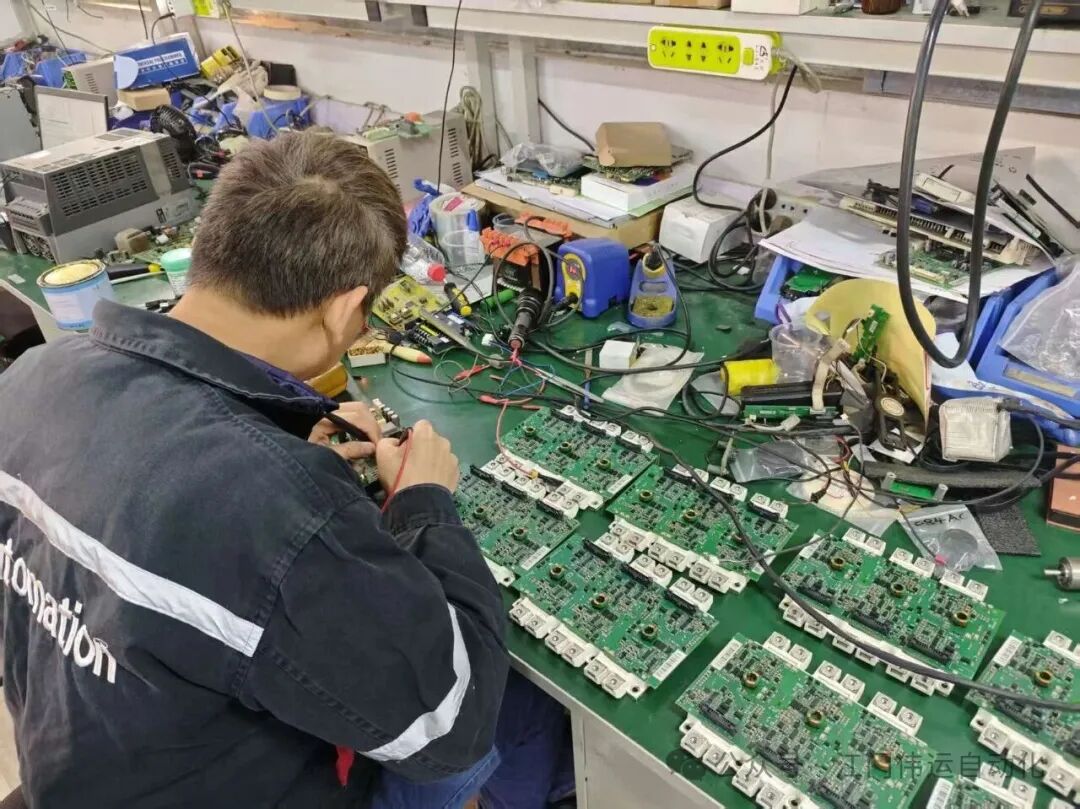
Last month, a paper mill’s VFD suddenly shut down, and the manufacturer had sent two teams who could not fix it. Upon arriving on-site, the technician did not rush to disassemble the machine but first asked the operators, “Was there any unusual noise before the failure?” and then checked the operation logs for “any recent voltage fluctuations.” Combining this information, they focused on testing the filter capacitor and indeed found that one capacitor’s value had dropped to half of the standard. After replacing the capacitor, the VFD immediately resumed operation, reducing the expected repair time by a full day.
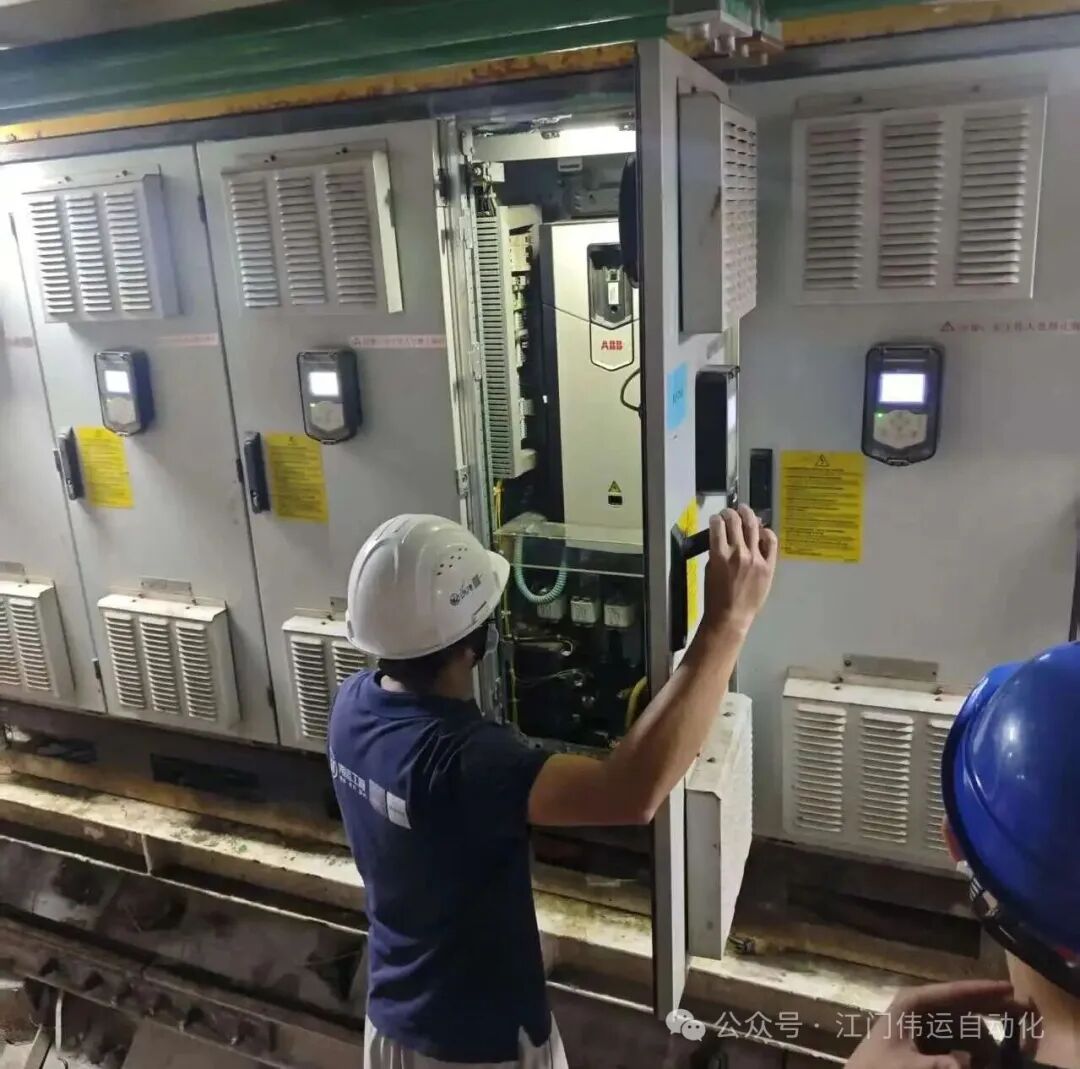
“Many people think repair is just ‘changing parts,’ but a true master can find the ‘root cause’ from a pile of data, rather than blindly replacing parts.” This is their insistence and the most straightforward expression of craftsmanship—no perfunctoriness, no impatience, but a detailed understanding of the equipment’s “demands.”
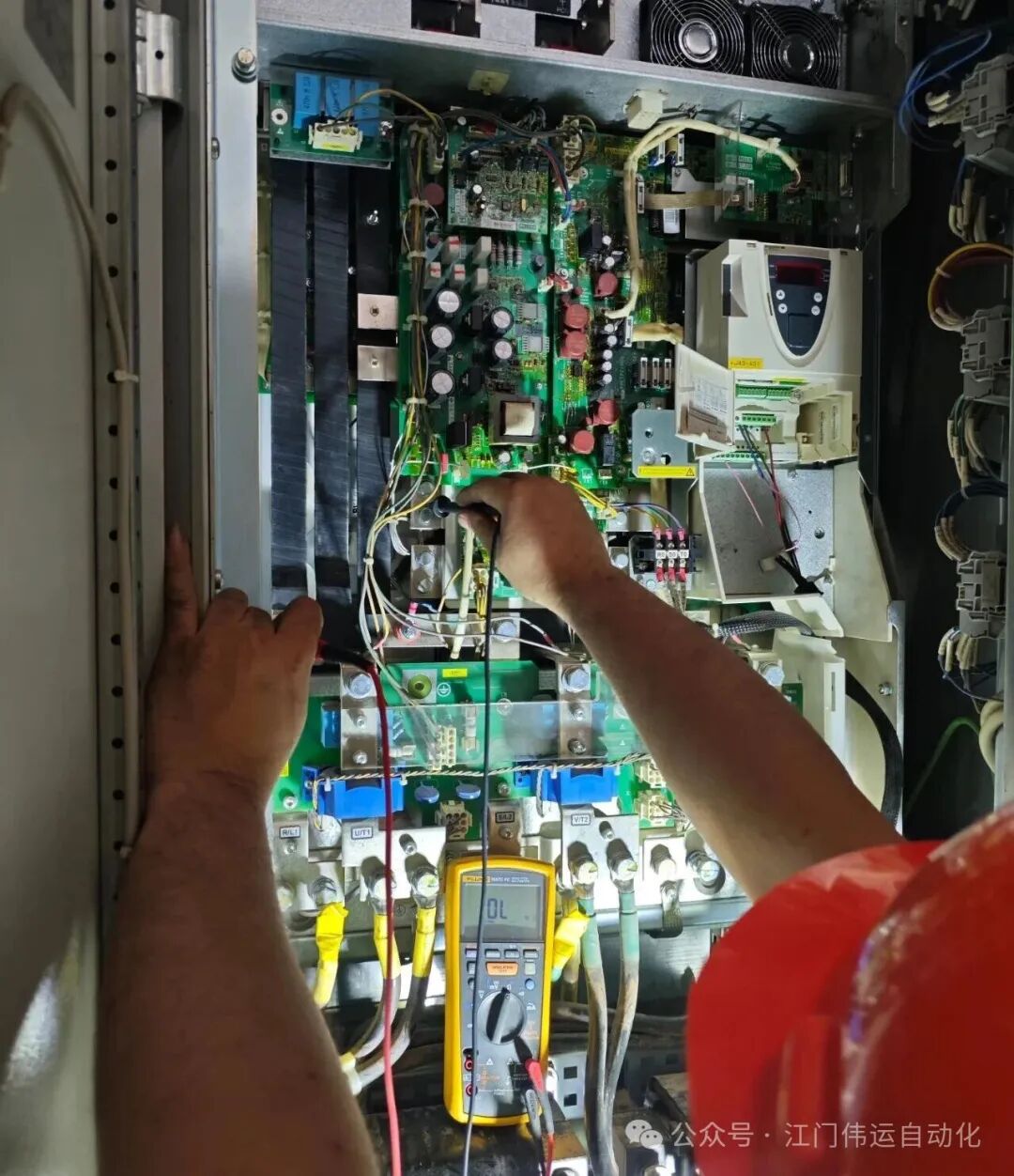
Craftsmanship is the precision of “every millimeter counts,” allowing no room for carelessness.
On the circuit board of a VFD, components are densely arranged like an army, with the smallest surface-mounted components being the size of grains of rice, and solder joints as fine as hair. During repairs, a difference of 0.1 millimeters in soldering position could lead to cold solder joints; an extra 0.5 seconds of soldering iron contact time could damage the copper foil of the circuit board.
To develop the skill of “steady, precise, and ruthless” craftsmanship, when they first entered the field, they practiced picking up sesame seeds with tweezers until their fingers ached; they practiced soldering on scrap circuit boards until their wrists trembled. In their toolbox, besides the commonly used repair tools, there is a specially made magnifying glass, with scratches on the lens recording countless nights of repairs.
Once, while repairing an imported VFD, the fault was a damaged core control chip. This type of chip has over 100 pins, with a spacing of only 0.3 millimeters between each pin, and any slight mistake during soldering could cause a short circuit. They preheated the circuit board to the appropriate temperature, carefully cleaned the old solder points with a desoldering pump, then gently adjusted the pins with a needle tip, and finally used a temperature-controlled soldering iron, pausing for one second after soldering each pin to ensure the solder was evenly covered without overflow. For two hours, they maintained almost the same posture until the chip was soldered, with sweat soaking through their gloves.
“The VFD is the ‘brain’ of industrial equipment; we are not just repairing machines but ensuring production. Even a slight error is unacceptable.” This meticulousness has kept the repair rate of the VFDs they repaired consistently below the industry average.
Craftsmanship is the commitment to “keeping pace with the times,” taking root in iteration.
With the advancement of Industry 4.0, the technology of VFDs is constantly evolving, from early analog control to today’s digital and networked systems, from ordinary low-voltage VFDs to high-voltage, high-power VFDs, the threshold for repair technology is getting higher. Some advised the technician: “You’re almost retired; there’s no need to learn new things.” But he shook his head, placing the latest VFD manual on his bedside table, flipping through a few pages every night before bed, and even enrolled in online courses to learn PLC programming and troubleshooting for VFD communication failures.
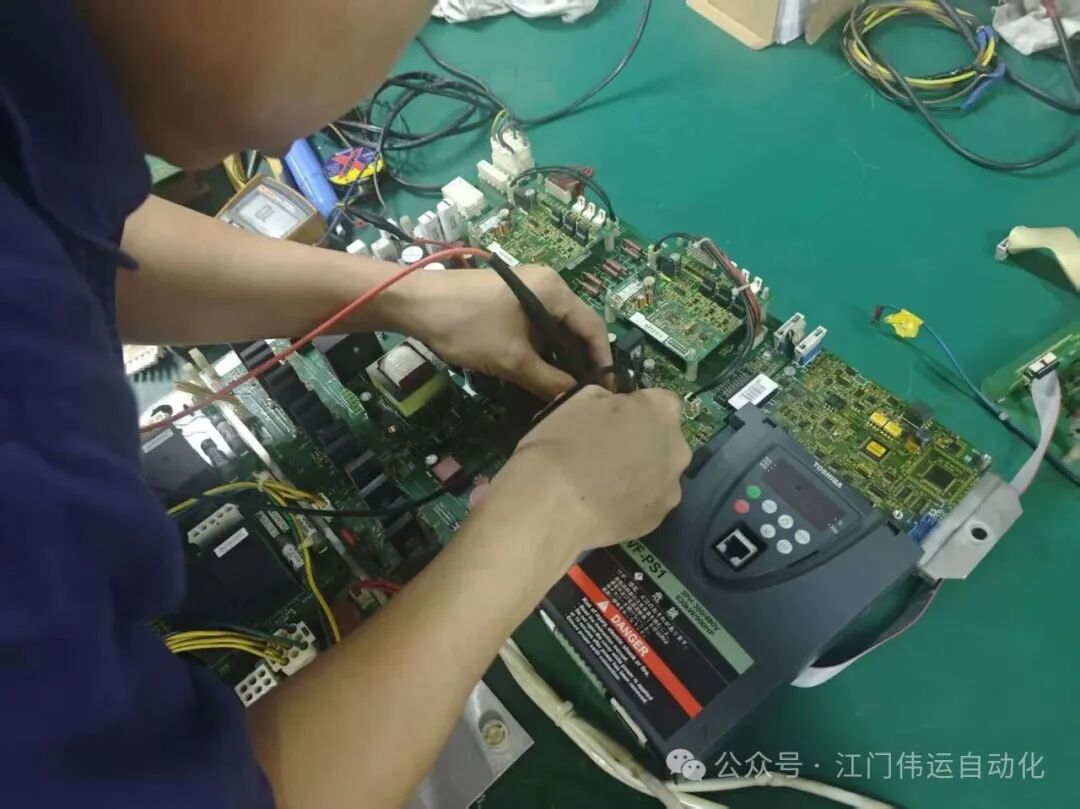
Last year, a paper mill introduced a batch of VFDs with IoT capabilities, and when a fault occurred, the manufacturer’s technical support could not arrive immediately. The technician took the initiative to take over, referring to the manual to explore the communication protocol, connecting the VFD’s communication port to a computer, and systematically troubleshooting data transmission issues, ultimately discovering that the communication module’s address was incorrectly set. When the production line resumed operation, the paper mill’s manager shook his hand, saying, “I didn’t expect that the old master understands new technology better than the young people.”
In the technician’s view, craftsmanship is not about sticking to the old ways but about maintaining the fundamentals amid technological iterations—pursuing details, upholding responsibility, while continuously learning to keep pace with the times. As he often says: “The circuit boards are updating, but the original intention of repairing machines remains unchanged; it is all about solving problems and ensuring stable operation of the equipment.”
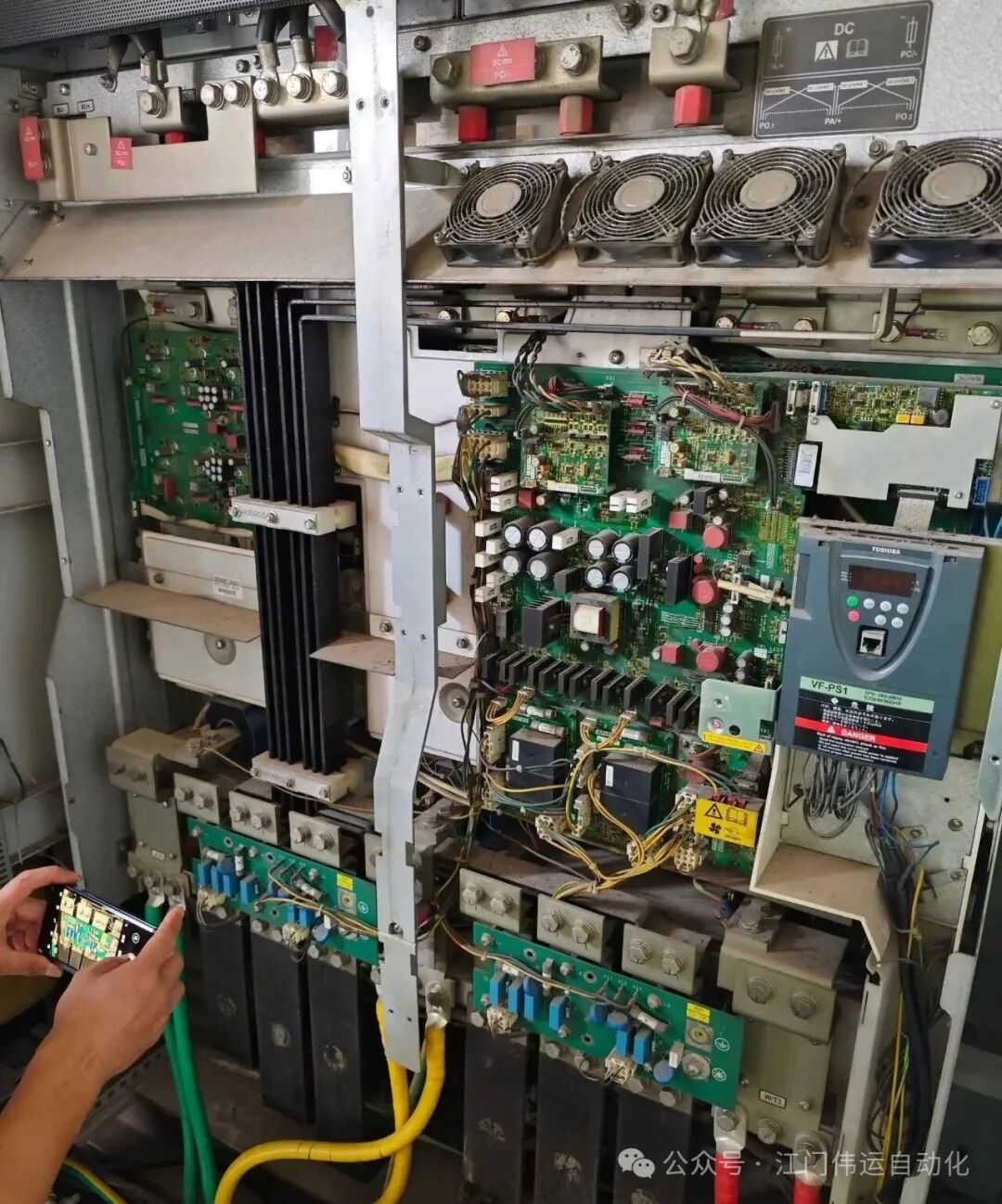
As the morning sunlight shines into the workshop, the technician cleans the repaired VFDs and affixes a “Repaired” label. These VFDs will return to the production line, driving motors and supporting the factory’s operations. The craftsmanship hidden within the circuit boards—detailed inspections, precise soldering, and continuous learning—also operates steadily and powerfully, just like these motors.
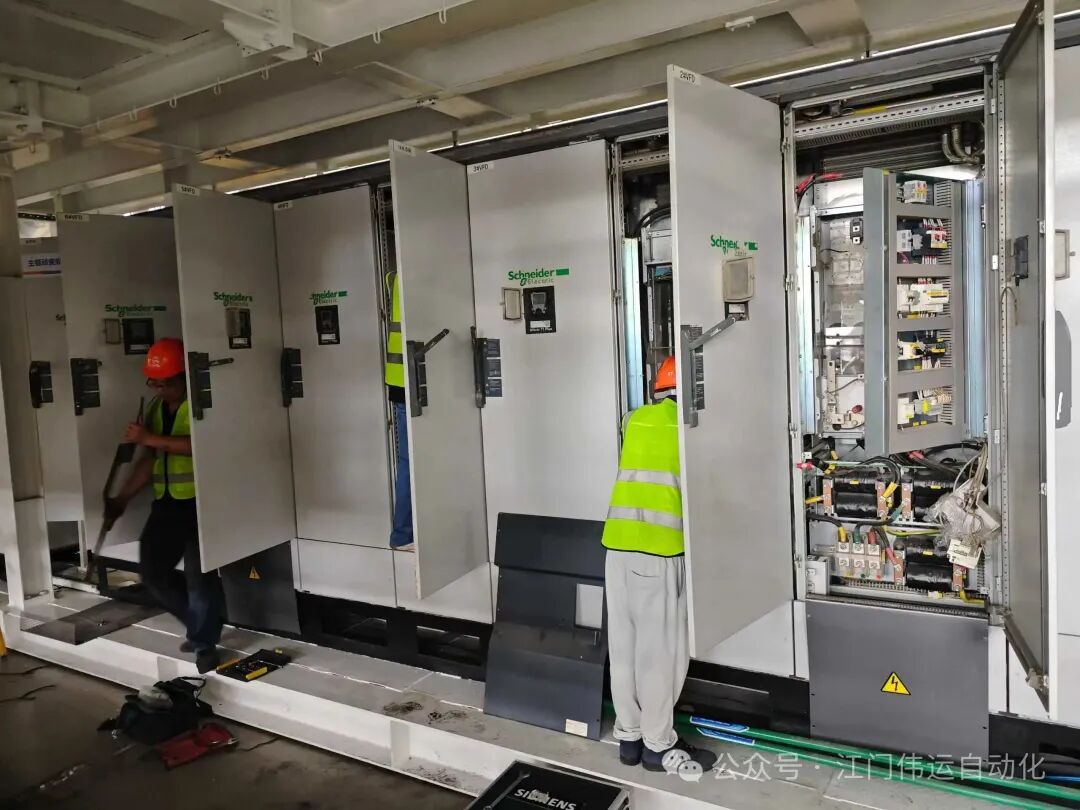
Perhaps the work of a VFD repair technician has never been conspicuous; they do not stand in the spotlight but are accompanied only by circuit boards and multimeters. Yet it is this commitment and craftsmanship in the small details that keeps the “lifeblood” of industrial production flowing smoothly, allowing the spirit of craftsmanship to shine brightly in ordinary positions.
Do you have such dedicated technical people around you? Feel free to share their stories in the comments. If your company has VFD repair needs, you can also leave a message in the background.