Hello everyone! Today, let’s talk about an incredibly practical tool for micro pressure differential measurement—the LCD differential pressure transmitter combined with a wind pressure sensor! It might sound a bit unfamiliar, but don’t worry, I’ll explain it clearly!
First, let’s discuss the “capabilities” of these two devices. The LCD differential pressure transmitter, as the name suggests, is used to measure pressure differentials. In simple terms, it tells you how much pressure difference exists between two points. The wind pressure sensor, on the other hand, is specifically designed to measure wind pressure, such as in air conditioners and fans that we commonly use. Together, these two sensors form a “golden duo” for micro pressure differential measurement!
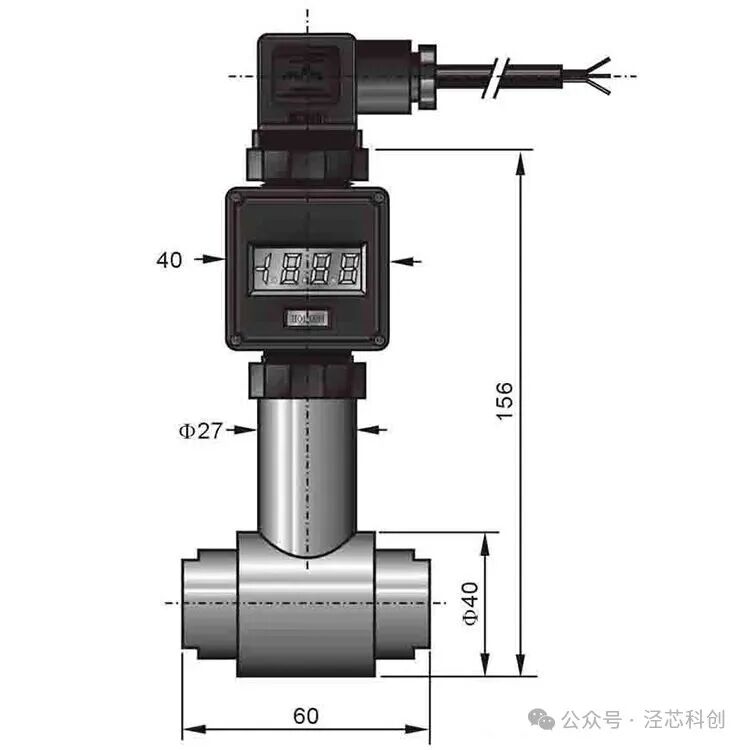
So, how practical are these two devices? For example, during experiments or production processes, we often need to know the changes in pressure. At this point, the LCD differential pressure transmitter can come in handy. It can measure pressure differentials in real-time and accurately, helping us adjust process parameters promptly and improve production efficiency.
Now, let’s talk about the wind pressure sensor. For instance, when designing a wind power generation project, we need to understand how wind pressure varies at different wind speeds. This is where the wind pressure sensor plays its role, helping us collect data to inform project design.
So, how can we maximize the effectiveness of these two tools? Here are some practical tips to keep in mind!
-
Select the appropriate sensor: There are many types of differential pressure transmitters and wind pressure sensors available on the market, so choose the right model based on your needs. For example, if you need to measure a small pressure range, select a sensor with a smaller range; conversely, choose one with a larger range for higher pressures.
-
Install the sensor: When installing the sensor, ensure it is level to avoid measurement errors due to tilting. Additionally, the installation location should be free from vibrations and extreme temperatures.
-
Connect the sensor: Connect the sensor to the LCD differential pressure transmitter, ensuring a secure connection. If using a wired sensor, check that the wiring is clear to avoid signal interference.
-
Calibrate the sensor: Before official measurements, calibrate the sensor to ensure the accuracy of the results. Calibration methods generally follow the instructions in the sensor manual.
-
Data collection: Connect the sensor to a computer or other data acquisition device to start collecting data. Pay attention to data changes and adjust process parameters as needed.
-
Data analysis: Analyze the collected data to identify patterns, providing a basis for subsequent work.
-
Maintenance: Regularly clean and check the sensor to ensure it operates correctly.
In summary, the LCD differential pressure transmitter combined with the wind pressure sensor is an extremely practical tool for micro pressure differential measurement. By mastering the correct usage methods, you can leverage its capabilities in production, research, and other fields. Start learning now to make your work more efficient and precise! 🎉🎉🎉