Superconductivity Exploration
Literature Overview
1 Minute
Let’s read the literature
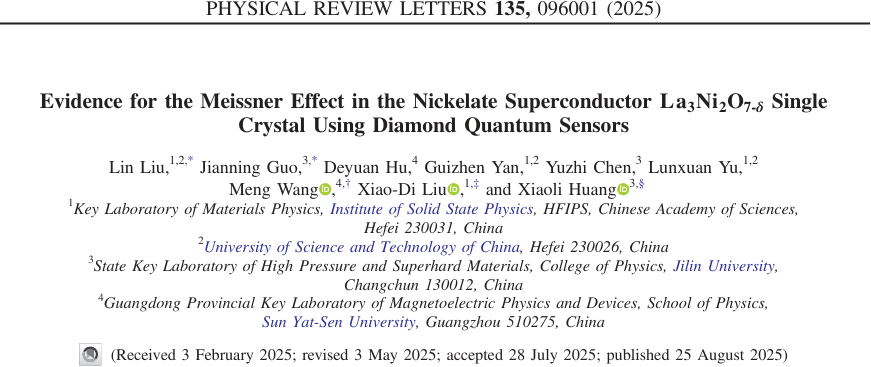
Introduction Recently, a collaborative research team led by Professor Liu Xiaodi from the Hefei Institutes of Physical Science, Chinese Academy of Sciences, Professor Huang Xiaoli from Jilin University, and Professor Wang Meng from Sun Yat-sen University published a groundbreaking study in Physical Review Letters. They utilized diamond nitrogen-vacancy (NV) center quantum sensing technology to simultaneously observe zero resistance and the Meissner effect in La₃Ni₂O₇₋δ single crystals under high pressure, providing conclusive dual experimental evidence for the high-temperature superconducting properties of this material.
Article DOI:10.1103/yvj7-htb4.
1 Research Summary
Since the discovery of copper oxide high-temperature superconductors, the search for new unconventional superconductors has become a hot topic in the scientific community. Nickelates, due to their proximity to copper in the periodic table, are considered an ideal platform for studying unconventional superconductivity. However, superconductivity in nickelates was not observed until 2019, and their superconducting transition temperature is relatively low. Recently, La₃Ni₂O₇ has shown a high Tc close to 80K under high pressure, but the nature of its superconductivity remains controversial.
This study systematically investigated the magnetic and electrical properties of La₃Ni₂O₇₋δ single crystals under high pressure using diamond quantum sensors (based on nitrogen-vacancy centers) combined with four-probe electrical transport measurements. By employing optically detected magnetic resonance (ODMR) spectroscopy, the team achieved precise measurements of the local magnetic field of the sample, thereby confirming the existence of the Meissner effect.
2 Research Highlights
1.Dual Evidence:Through dual methods of electrical transport and magnetic measurements, zero resistance and the Meissner effect were simultaneously verified in the same sample, addressing the challenge of confirming superconductivity.
2. Technical Innovation:The application of NV center quantum sensing technology to measure the high-pressure Meissner effect in nickel-based superconductors achieved spatial resolution at the micron level.
3. Sample Inhomogeneity Analysis:Magnetic scanning revealed uneven distribution of superconducting regions, indicating that sample preparation and oxygen content control are key to improving the superconducting volume fraction.
3 Visual Interpretation
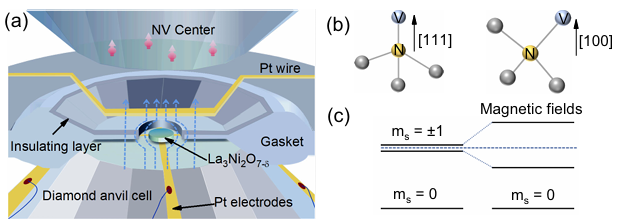
Figure 1. NV centers in diamond anvil under high pressure..
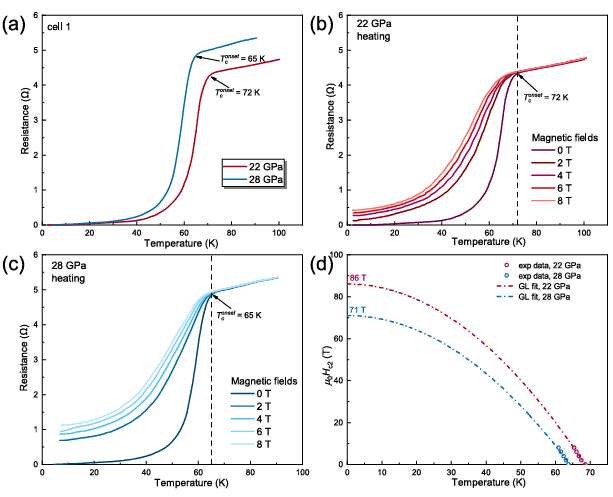
Figure 2. Transport properties under different pressures.。
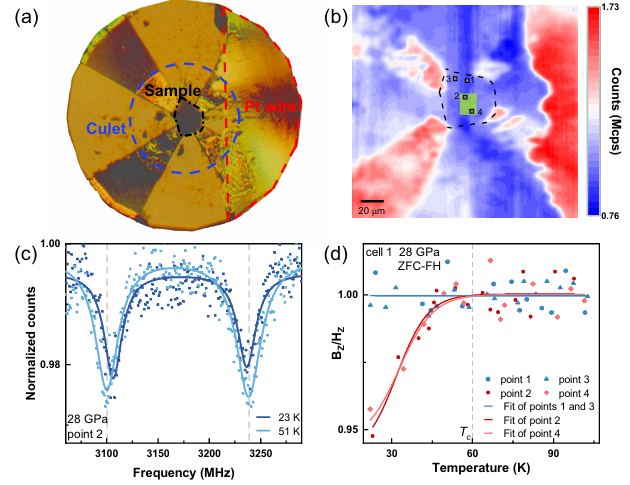
Figure 3. Local diamagnetism of the sample..
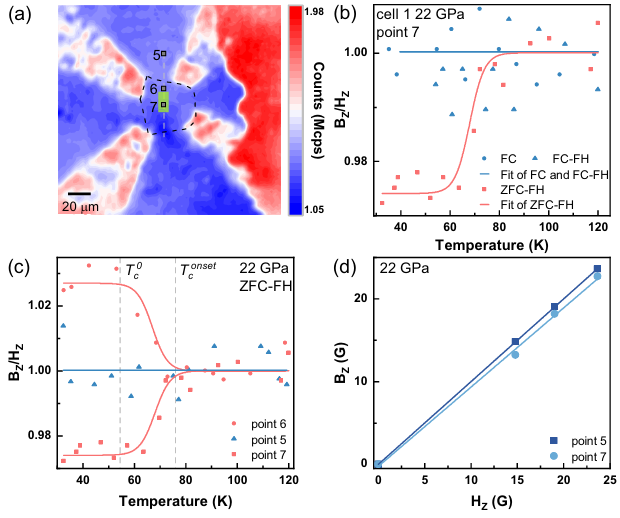
Figure 4. Local diamagnetism of the sample..
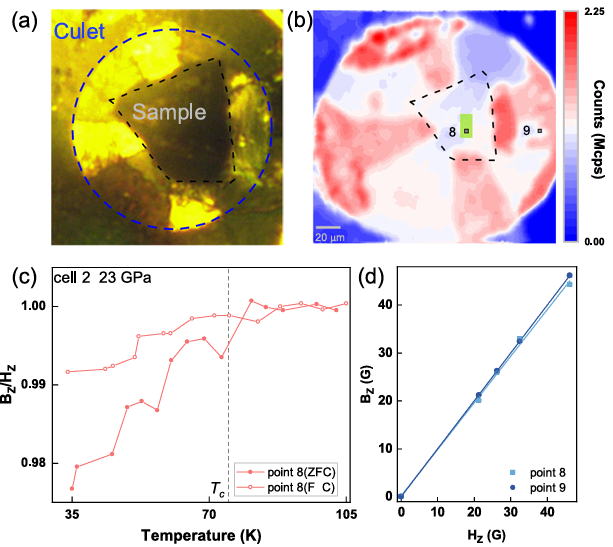
Figure 5. Local diamagnetism of the sample..
4 Editor’s Note
In the journey of exploring high-temperature superconductors, every breakthrough embodies the wisdom and effort of scientists. This study not only successfully observed zero resistance and the Meissner effect in La₃Ni₂O₇₋δ single crystals under high-pressure conditions using cutting-edge diamond quantum sensor technology but also reveals a new aspect of unconventional superconductivity. This work deepens our understanding of the mechanisms behind high-temperature superconductivity and opens up broad prospects for the design and application of future superconducting materials. We look forward to more breakthroughs in this field from the scientific community, collectively advancing the practical application and development of superconducting technology.
If you have newresearch work, we welcome submissions, and we are eager to let more people know about it!
If you have any interests or questions regarding superconductivity, please contact me, and I will strive to provide answers!
Follow me for continuous updates on new discoveries in the field of superconductivity. See you next time!