*For reference by medical professionals only
Compiled by | Da Gao Ge
According to global cancer statistics, the incidence of female cancers is on a continuous rise, particularly with breast cancer and ovarian cancer showing significant rates and disease burden. In the clinical diagnosis and treatment of these diseases, how to break through the efficacy bottlenecks of traditional chemotherapy and targeted therapy, and optimize treatment strategies to improve patient prognosis, has become a core issue that needs to be addressed in the global field of gynecological oncology.From September 10 to 14, 2025, the academic annual meeting of the Chinese Society of Clinical Oncology (CSCO) was successfully held in Jinan, Shandong.During this event, Professor Gottfried E. Konecny, an authoritative expert in the international gynecological oncology field from the University of California, Los Angeles (UCLA) Jonsson Comprehensive Cancer Center, delivered a keynote speech titled “Development of Novel Antibody-Drug Conjugates (ADC) in Female Cancers: From Laboratory to Clinic and Back to Laboratory,” providing new insights into female cancer treatment from a global perspective.As a “star therapy” in the current anti-tumor field, ADCs have demonstrated significant clinical value in solid tumor treatment due to their advantages of “precise targeting + high efficacy.” Their clinical translational application has also become a focal point of discussion among international experts at this CSCO conference. Addressing key issues such as the translational breakthrough pathways of ADCs in cervical cancer and endometrial cancer, Professor Konecny provided authoritative interpretations in the medical community’s interview column 【Famous Doctors Talk about Famous Springs】, combining the core viewpoints of his conference speech with international cutting-edge research experience.
Clinical Translation Experience: Expanding the “Armory” for Gynecological Cancer Treatment
Q1: In your CSCO conference speech, you proposed the research and development cycle concept of “from laboratory to clinic and back to laboratory.” Could you share in detail your and your team’s clinical translation experience? What significance does this have for global gynecological oncologists?
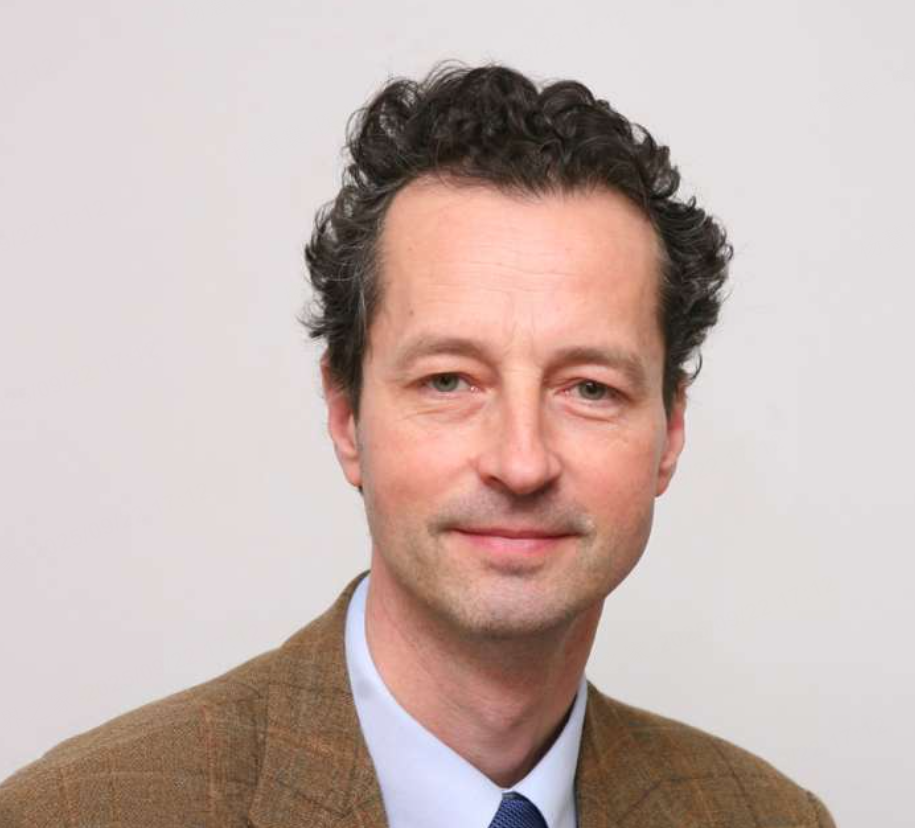 Professor Gottfried E. Konecny:
We have seen multiple new advancements in the field of gynecological oncology, especially with ADC drugs, of which several are currently under development. Recently, three ADC drugs have been approved for the treatment of gynecological malignancies: somatuzumab, T-DXd, and vadastuximab. This is our preliminary accumulation of clinical experience, and there will be 20 to 25 different ADC drugs entering the research phase in the near future.We can learn from existing experiences to assist other ADC drugs in achieving success, thereby effectively expanding our means of treating gynecological malignancies. My research approach is to review the current understanding of existing ADC drugs, focusing on their advantages and disadvantages in efficacy and safety, and to bring these issues back to the laboratory for in-depth exploration on how to improve and optimize ADC drugs to minimize the potential failures of candidate drugs during the development process.
“Precision Targeting + Low Toxicity and Long Duration” Reshaping the Treatment Landscape for Female Cancers
Q2: We know that ADCs are a highly promising form of innovative drugs. In the treatment of gynecological tumors, what do you think are the greatest advantages and breakthroughs of this new type of drug compared to traditional treatment methods? How will it change the treatment landscape for gynecological cancer patients?
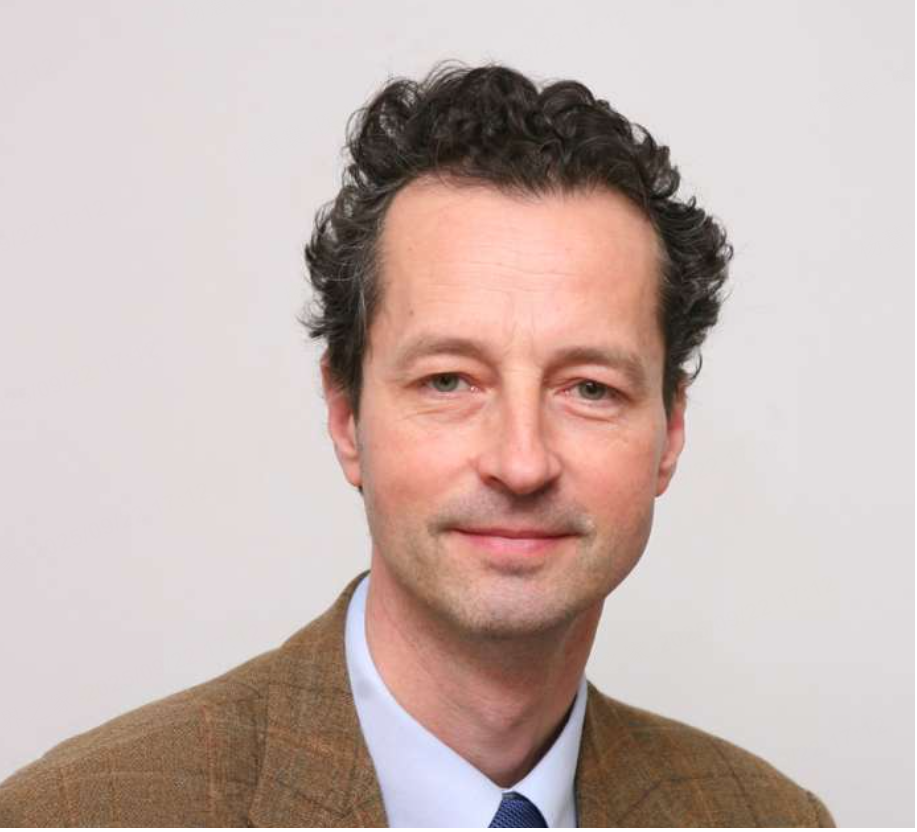 Professor Gottfried E. Konecny:
The core design concept of ADCs is to achieve “precise delivery of chemotherapeutic payloads to cancer cells.” By binding specific antibodies to target antigens on the surface of cancer cells, highly cytotoxic payloads are directed to the lesions while maximizing avoidance of normal cells, which is the core advantage over traditional therapies. Based on my clinical experience, ADC drugs allow us to implement treatment cycles lasting 20, 30, or even 40 cycles, while traditional chemotherapy often cannot continue beyond 6-8 cycles due to cumulative toxicity, such as neuropathy, cytotoxicity, nail changes, or mucosal inflammation.This indicates that ADCs provide a safer and better-tolerated chronic administration strategy, thus bringing new possibilities for treatment.However, there is currently no “perfect ADC.”Some ADCs have not achieved the expected efficacy due to issues such as low expression of target antigens and insufficient activity of the payload. In the future, drug design optimization is needed to further enhance the “targeting” and “killing efficiency” of ADCs to truly reshape the treatment landscape for female cancers.
Research Optimization Directions: From “First Generation” to “Next Generation”
Q3: You mentioned in your speech the cycle of “from laboratory to clinic and back to laboratory.” Based on the current clinical application and exploration of ADCs in gynecological tumors, what further optimizations and improvements do you think are needed in the research progress of ADC drugs in this field?
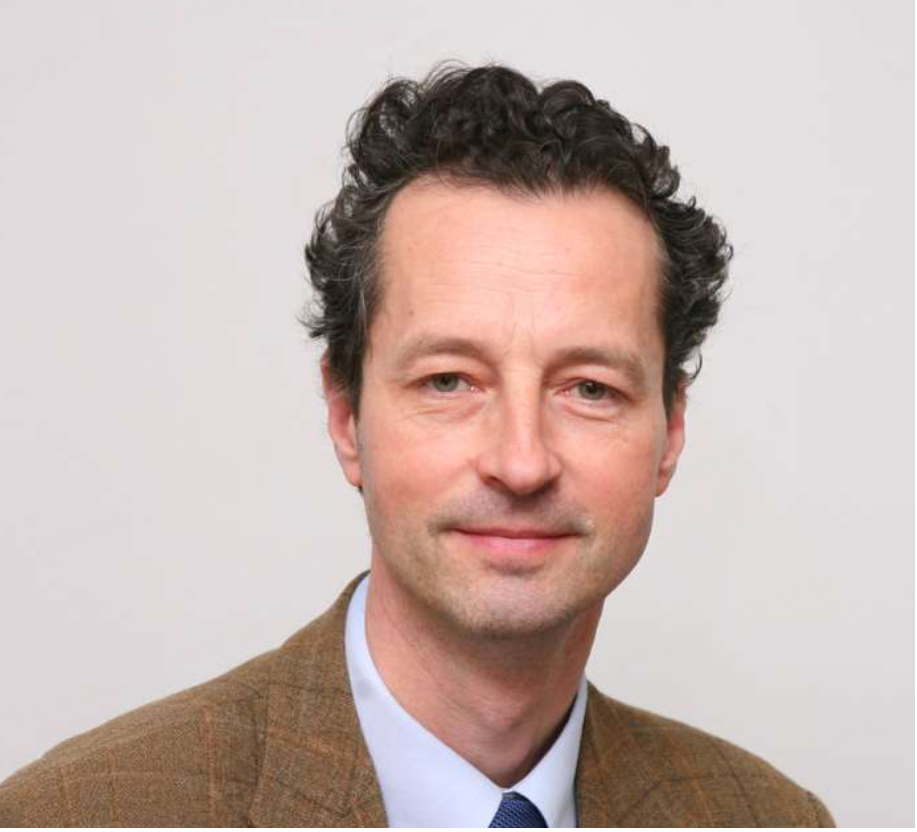 Professor Gottfried E. Konecny:
Currently, the clinical use of first-generation ADCs is predominant, with targets mostly being relatively mature receptors such as folate receptor alpha and TROP2. However, in recent years, more subtype-selective new targets have emerged, such as CLDN6, B7-H4, and B7-H3, which show higher specificity in certain cancer subtypes. Meanwhile, more new effective payloads are actively under development.
It is worth noting that some of the payloads currently used in ADCs have a history of 20 to 40 years, and their mechanisms are relatively traditional. Therefore, ADC drugs still have vast optimization space, including improving the delivery efficiency of drugs to tumor cell surface antigens, optimizing linker technology, and developing more precise release mechanisms. For example, in ADCs targeting folate receptors, second-generation drugs significantly outperform first-generation drugs in toxicity control, and early clinical data also suggest their efficacy may be superior. Overall, the ADC technology platform still contains enormous development potential, and it is expected that further improvements in various aspects will enhance its therapeutic index.
“Data Sharing + Resource Co-construction” Promotes Progress in Global Female Cancer Treatment
Q4: Your participation in the CSCO conference in China is of great significance for promoting academic exchanges in gynecological oncology between China and foreign countries. How do you think both sides can better cooperate in the future to jointly promote the development of gynecological cancer treatment technologies and provide better treatment options for global female cancer patients?
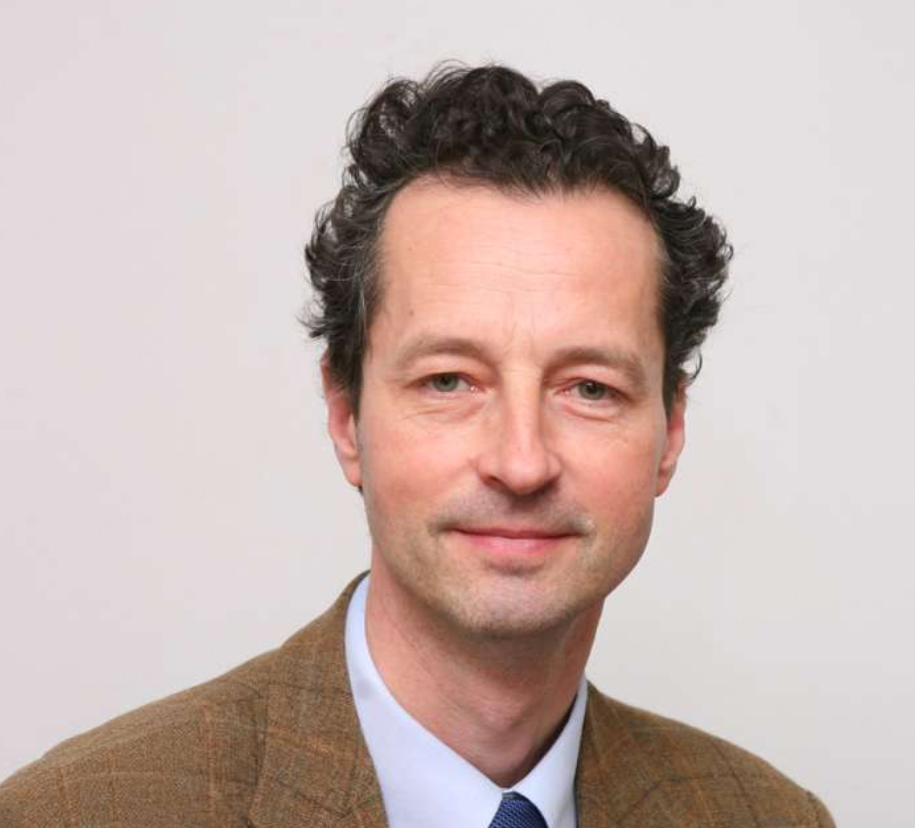 Professor Gottfried E. Konecny:
By participating in international multicenter trials, we have deeply recognized that countries around the world are facing many common medical challenges. Whether in Europe, North America, or China, there are numerous difficulties in the treatment of ovarian cancer, endometrial cancer, and cervical cancer, which urgently require solutions under global collaboration. Iam particularly committed to promoting research cooperation between China and the United States and Europe. We all have top global research talents and advanced clinical research infrastructure, and China also has a large number of outstanding hospitals and clinicians. However, to further promote progress, we still need to strengthen data sharing, simplify international trial processes, and promote resource sharing of biomarker samples.Currently, there are many restrictions and approval delays in the existing regulatory framework. Providing more convenience in this area would greatly facilitate the practical advancement of international cooperation. Of course, all effective cooperation begins with communication and trust between people. Good international relations can promote the optimization of regulatory and administrative environments, thereby accelerating the development of new drugs and the clinical translation process. Given China’s enormous potential and strong foundation in clinical research, such international cooperation is particularly promising.
Expert Profile Professor Gottfried E. Konecny
- David Geffen School of Medicine, University of California, Los Angeles
- Professor of Hematology-Oncology and Gynecologic Oncology
- Leads the Gynecologic Oncology Program at UCLA and is responsible for the gynecologic oncology drug development project in the Translational Oncology Research Laboratory
- Member of the European Academy of Arts and Sciences, former chair of the American Society of Clinical Oncology (ASCO) Project Committee, co-chair of the National Cancer Institute (NCI) Ovarian Cancer Clinical Trial Planning Group, and member of the National Comprehensive Cancer Network (NCCN) Ovarian Cancer Consensus Expert Group
- Research interests include drug development and new therapies for ovarian cancer, uterine cancer, and cervical cancer, as well as clinical trial design
This article is sourced from the Medical Community Oncology Channel
Editor: Cat Cat
*The Medical Community strives for its published content to be professional and reliable, but does not guarantee the accuracy of the content; relevant parties should verify when adopting or using it as a basis for decision-making.