As a seasoned professional in the AI toy industry, I have witnessed the rapid evolution of technology iterations and market demands. This article will analyze the breakthrough strategies in the AI toy sector by combining the successful experiences of Bubble Mart, with a focus on the unique potential of AI pet toys.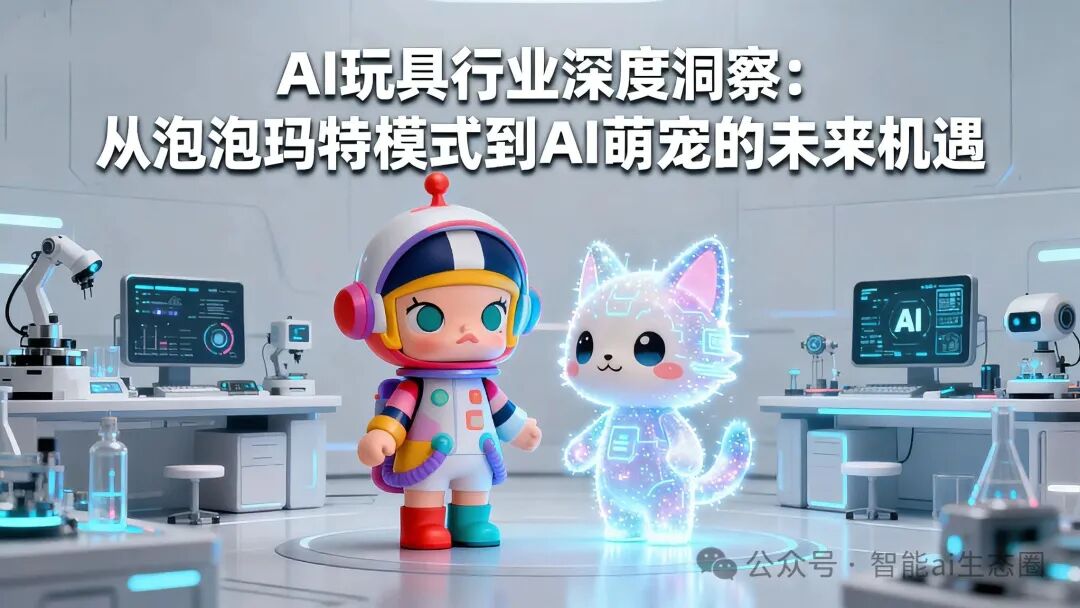
1. Market Opportunities and Challenges for AI Toys
Explosive Growth Driven by Technology: The maturity of technologies such as large language models, emotional computing, and multimodal interaction has allowed AI toys to evolve from “functional” to “emotional”. It is expected that by 2033, the global market size will exceed $60 billion, with the penetration rate in the Chinese market expected to reach 20%-25%.Core Challenges: Pressure of Technological Iteration: The popularity of models like GPT-4o will quickly eliminate existing dialogue systems. Homogeneous Competition: Most products remain at the level of “voice interaction + basic education”, lacking differentiation. Changing User Demands: Contemporary parents and children have a far greater need for “emotional companionship” than for functionality itself. 2. Lessons and Upgrades from the Bubble Mart Model The success of Bubble Mart lies in “IP personification + community operation + sales innovation”. AI toy manufacturers need to build on this foundation by adding technological advantages: 1. Intelligent Upgrade of the IP Matrix Dynamic Personality Design: Use AI to give IP characters “growth potential”, such as adjusting personality traits (lively/quiet) based on user interaction data. Story Generation Capability: Combine with large models to allow toys to generate personalized stories in real-time, enhancing user engagement. 2. Technological Operation of User Communities UGC Content Viral Spread: Encourage users to share creative ways to play with AI toys (e.g., “teaching toys to write poetry”), creating viral dissemination. Emotional Data Visualization: Use an app to display children’s emotional change curves, providing parenting insights and enhancing parents’ willingness to pay. 3. Scene Extension of Sales Models Blind Box 2.0: Not only hiding the appearance but also randomly unlocking functional modules (e.g., “telling a dinosaur story tonight”). Subscription Services: Pay to unlock monthly updated interactive content (e.g., holiday-themed dialogue packs).
3. Why I Am Optimistic About AI Pet Toys?
Compared to other categories of AI toys, pet products have a natural advantage in the “emotional computing” track: 1. The Ultimate Testing Ground for Human-like Interaction The “non-human” image of pets lowers users’ expectations of AI, making it easier to establish emotional connections. Case Study: Huawei’s “Smart Huan Huan” enhances empathy through tactile feedback (vibration, temperature changes), resulting in a 30% increase in user retention. 2. Significant Benefits from Technology Reuse Visual algorithms from security giants (e.g., 360’s crying sound recognition) can be directly transferred to pet health monitoring scenarios. Emotional computing modules can reuse technologies from the mental health field to achieve a closed loop of “stress detection + proactive comfort”. 3. Precise Niche of the Loneliness Economy For children: Address the companionship needs of only children by reducing reliance on electronic screens through “AI pets + physical dolls”. For adults: Emotional soothing functions (e.g., simulating pet purring sounds for sleep) will become a new health consumption hotspot.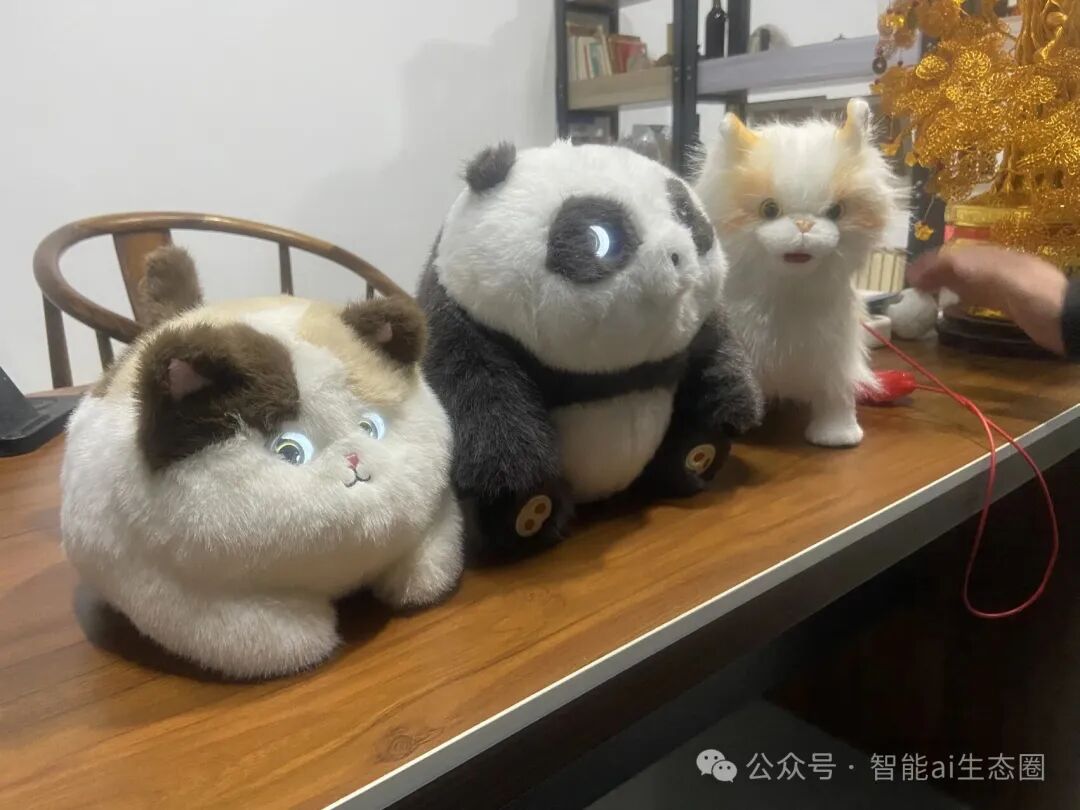
4. Future Breakthrough Points: From “Toys” to “Digital Life Forms”
The next phase of competition in the industry will focus on: Depth of Memory: Can it remember conversations from three months ago and bring them up proactively? Behavioral Prediction: Can it predict emotional fluctuations through daily interactions and intervene in advance? Ecological Linkage: Can it connect with smart home and health devices to become the emotional hub of the family? Action Recommendations: Short-term: Focus on the “IP + technology” dual engine, quickly launch MVP products to validate the market (e.g., an AI pet that gets “jealous”). Long-term: Lay out emotional computing patents and collaborate with psychological institutions to refine interaction models.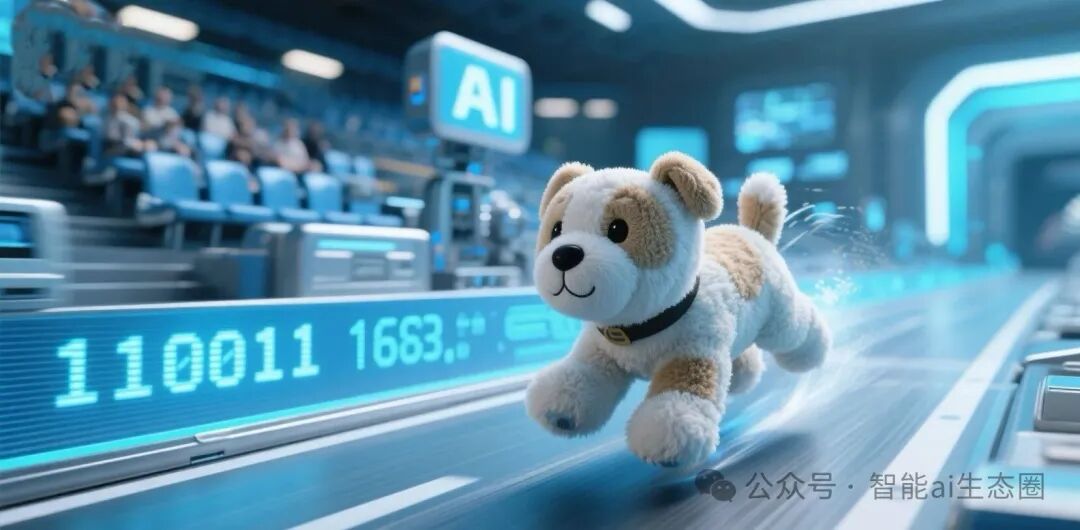 Conclusion: The explosion of AI pet toys is not a question of whether, but when. Those products that can first realize a “sense of digital life” will capture the trillion-dollar benefits of the emotional economy. Which manufacturer do you think is most likely to break through the technological singularity? We welcome industry peers to exchange ideas!
The AI ecosystem is building an AI hardware and software community. Readers interested in joining the community are welcome to scan the QR code below to join the 【AI Ecosystem Industry Exchange Group】.

About
The AI Ecosystem is derived from “AI + large model empowerment”, and the term “ecosystem” signifies “empowering” AI ecosystem participants, dedicated to tracing the footprints of hard technology development and continuously exploring the deep integration of AIGC and smart hardware.
In the future, the AI ecosystem will continuously release industry news, development trends, and market dynamics related to AI large model technology, AI industry ecosystem, and AI hardware products. We believe that most hardware deserves to be redone with AI, and the AI ecosystem looks forward to growing together with AI large model manufacturers, AI hardware manufacturers, and AI buyers to welcome the arrival of the AI era.