Written by | Zeng Xiangling
Source | Technology Xiangling Says (xiangling0815)
The new infrastructure is driving the popularity of concepts such as AI, cloud computing, and the Internet of Things (IoT), and the AIoT built on these concepts is also beginning to surge, with product innovation and ecosystem competition reaching a fever pitch.
Although structurally similar, both relying on high-quality products and intelligent systems to empower the entire industry, the strategies of the AIoT ecosystem begin to diverge when they deeply integrate with the major platforms behind them in terms of strategy and operations, leading to the emergence of two approaches: the “academic” and the “practical”.
The former refers to those who primarily rely on technological innovation to empower and expand the ecosystem, a method adopted by most internet technology companies;
while the latter refers to those who, in addition to technological innovation, also attempt to input various resources from their “parent platform” into the ecosystem, promoting AIoT not only in product intelligence but also completing the final loop of commercial value.
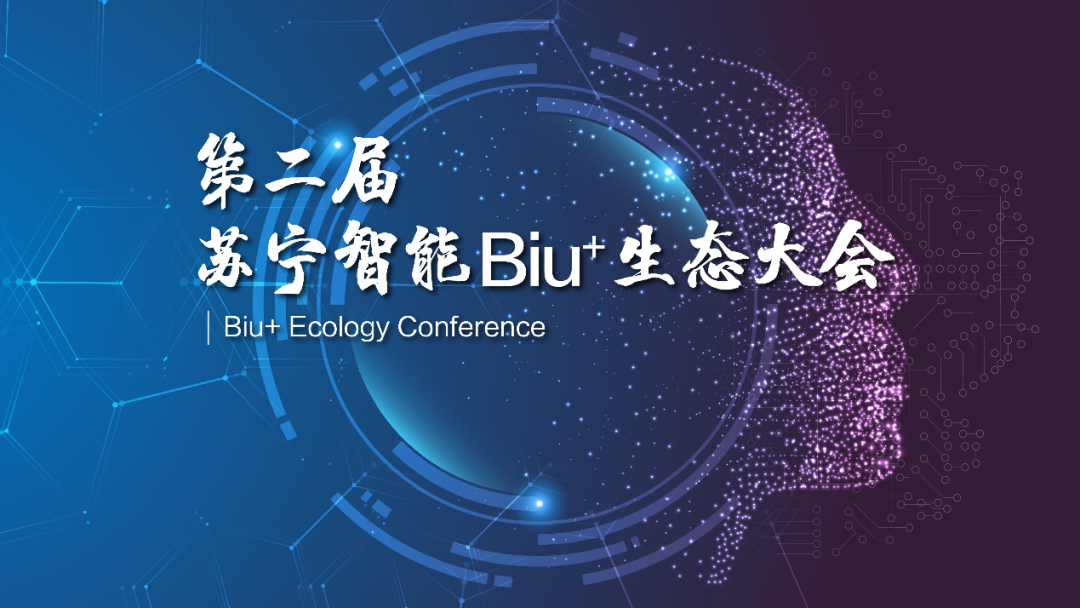
This can be seen from the actions of some AIoT ecosystems. For example, recently, Suning XiaoBiu proposed the so-called “from ecosystem empowerment to ecosystem sharing” at its second Biu+ Ecosystem Conference, which is a typical practical approach. By breaking down Suning XiaoBiu’s approach from product to ecosystem to platform cooperation across three dimensions, we can glimpse what the practical AIoT truly looks like.


01


Proprietary Intelligent Terminals: Creating Product Advantages Through the Practical Accumulation of the “Parent Platform”
Proprietary intelligent terminals serve two functions: first, they create value themselves; second, as the leading products of the AIoT ecosystem, they practice a large number of technical applications and provide feedback to the ecosystem.
Practical proprietary intelligent terminals often exhibit three characteristics closely related to the “parent platform” in product innovation:
1. Completing Product Innovation Based on Deep Integration of the “Parent Platform” Advantages
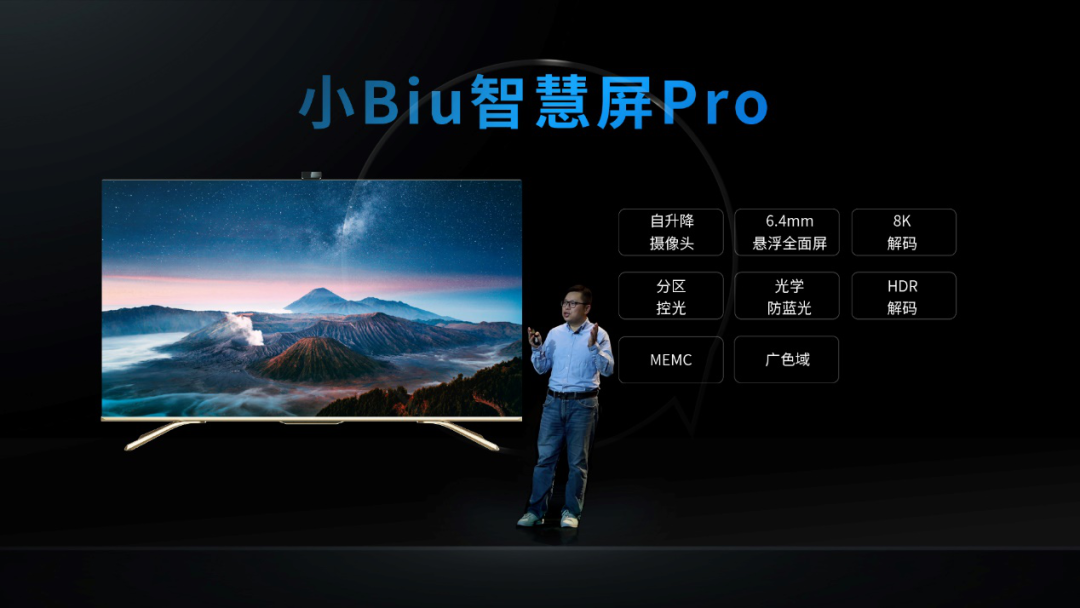
This time, Suning XiaoBiu released the XiaoBiu Smart Screen Pro, which appears to be a routine functional upgrade, such as AI intelligent focus, a retractable camera, multi-person video chatting, and motion-sensing fitness, continuously enriching and enhancing consumer experience.
However, it is more noteworthy that this Pro product emphasizes concepts like “quality of life assistant,” upgrading its voice scenarios for local living, claiming that “consumers can connect to Suning stores, Carrefour, weather, traffic, and Suning helpers” just by speaking.
Clearly, these local living services are what Suning’s service ecosystem excels at, and are background capabilities that other AIoT platforms do not possess. Integrating them into the product for a “seamless connection” is a practical demonstration of resource capability excavation.
2. Beyond Hardware and Technology, Content War “Sailing on Another’s Ship”
Whether intelligent terminals can win market favor relies half on hardware and technology, and half on content.
Especially for products like smart screens, consumers still spend most of their time on content. It can be observed that the XiaoBiu Smart Screen Pro offers features around content updates, such as watching dramas together, a vast music library, and expanded educational content.
The most significant manifestation of the “practical” approach in terms of content is the integration of the “parent platform”‘s content advantages into proprietary intelligent terminals. For example, the XiaoBiu Smart Screen Pro not only includes conventional content ecosystems like iQIYI and Tencent but also emphasizes Suning’s PP Sports, which currently has the most sports content on the internet and the widest audience. This transforms PP Sports from exclusive content of Suning into unique content of Suning XiaoBiu, greatly enhancing its competitiveness.
3. Establishing a “Product Benchmark” While Connecting the Entire AIoT Ecosystem Around Users
Generally speaking, proprietary intelligent terminals should set a benchmark for the entire AIoT ecosystem, defining a standard for the consumer market to attract more ecosystem players to join. However, as the AIoT ecosystem expands, what serves as the entry point for the entire ecosystem often becomes a topic of debate.
For Suning XiaoBiu, such debates seem to have not occurred. The consistent “style” of the “parent platform” Suning—”wherever there are people, there is service; service is Suning’s only product”—has been inherited by Suning XiaoBiu. As long as it is near consumers and can provide systematic services, it can serve as an entry point.
The XiaoBiu Smart Screen Pro naturally, and not exclusively, becomes an “entry point” for smart homes, with remote scene voice support allowing the product to become the “voice control center” for the entire house, controlling air conditioners, refrigerators, washing machines, cameras, and other XiaoBiu smart ecosystem products, providing various on-demand services.
More importantly, Suning XiaoBiu does not emphasize the concept of “entry point” but highlights the “intelligent interconnection” of AIoT, indicating that the value of Suning XiaoBiu is to create a ubiquitous service network centered around users, becoming a prominent key node within it. This approach may align better with the user-oriented development philosophy of AIoT than getting caught up in the concept of “entry point.”


02


AIoT Ecosystem: Providing Value That Can Only Be Solidified Through Market Practice to Entrants
Beyond proprietary products, the operation of the AIoT ecosystem can more clearly reflect the “practical” style, primarily based on the value sharing brought by market practice of the parent platform. From the cases observed, there are three aspects of manifestation:
1. Open Capabilities Can Also “Break Out of the Circle”; Ecosystem Transitions from “Empowerment” to “Co-empowerment”
The open capabilities of the AIoT ecosystem mainly include algorithm capabilities centered on voice interaction and cloud computing capabilities, sometimes integrated into an SDK sold to ecosystem partners.
This empowering approach has its phased value for the AIoT ecosystem, but as user demands become increasingly refined, ecosystem players have more requests for the core platform’s capabilities. Thus, the “empowerment” approach begins to transition to a “co-empowerment” approach, where the AIoT platform starts to excavate deeper capabilities from the parent platform and open them to ecosystem partners.
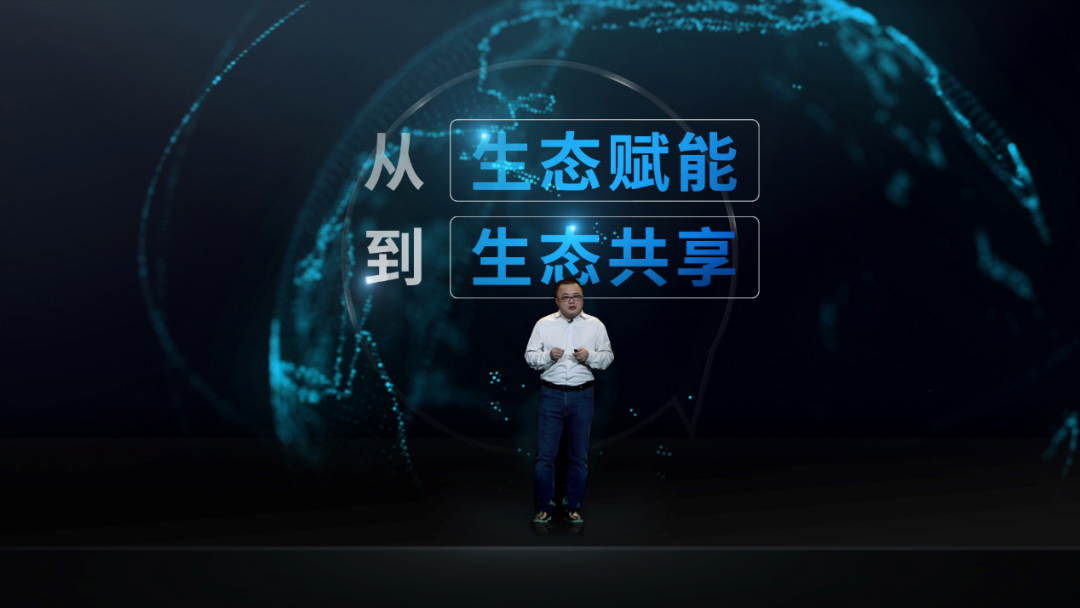
From the perspective of Suning XiaoBiu’s Biu+ ecosystem, this is manifested in two ways: on one hand, Suning’s IOT cloud, Biulink protocol, BiuOS, and chip modules are all open and shared with partners; on the other hand, the significant wealth of Suning’s platform—600 million user big data—is also shared with partners. Suning XiaoBiu even established the Biu+ Laboratory to study user data, interaction data, and user experience, fully sharing these deep results.
Sharing at this level may be unique in the industry, and such sharing cannot be achieved without the data accumulated from years of industrial operation by the parent platform, a capability that the “academic” approach cannot possess.
2. After Completing Intelligent Loading, the Ecosystem Can Also Provide Resources Closer to Commercial Value
If data sharing is still an ecological enhancement within the scope of “user experience,” allowing home appliances and 3C products to possess better intelligent capabilities, then helping partners better realize commercial value brings the AIoT ecosystem closer to “practical”.
From the Biu+ case, Suning’s industrial ecosystem is providing ecosystem partners with completely different resources that are closer to commercial value.
First is service capability; Suning’s local living, Carrefour and small store services, and helper services are also shared with Biu+ products and partners, meaning Biu+ products can meet more user needs;
Then there is channel sharing; Suning’s thousands of offline stores can become the sales front for Biu+ products, and the online Biu+ premium section will receive more traffic support. Suning also plans to build 300 new Biu stores in 2020, all of which allow Biu+ products to better reach consumers and gain direct market increments;
Moreover, resources for brand promotion such as Suning Yigou stores, Suning Smart APP promotion, and PP Sports/PP Video advertisements are also planned to be included in the Biu+ ecosystem, indicating that to some extent, the AIoT ecosystem is beginning to shift towards a product + market integrated ecosystem.
From helping partners create an intelligent product to truly assisting them in selling the product, this is undoubtedly the most typical characteristic of the “practical” approach.
3. Although the Market Logic is Completely Different, the Ecosystem Can Also Provide Guidelines for To B
After repeated reshuffling, the potential of the To B market in the AIoT space is gradually revealing itself. Due to the relatively stable cooperation and customers placing more emphasis on the product’s inherent value rather than marketing, capable AIoT ecosystems are expanding into the B-end market.
However, this also means a completely new market logic, but the practical AIoT approach still has ways to assist partners wanting to enter the To B market.
For example, Biu+ smart residential and smart hotel solutions have already landed over 100 projects in cities like Nanjing, Nanchang, and Xuzhou, and this time the BiuOS industry solution claims to delve into smart office and smart security fields.
Objectively speaking, this is faster than other AIoT’s progress into the To B market, and the reason Biu+ can achieve this is related to Suning’s long-term cultivation in the B-end. As a significant seller in the home appliance and 3C fields (of course, Suning has more than these categories), providing procurement and installation services to organizations and institutions can be considered Suning’s basic business.
The long-term capability, experience, and resources serving the B-end are now being smoothly integrated into the AIoT’s B-end scenarios, appearing logical and more market-ready than those “academic” players who only provide technical empowerment. Once partners choose to join such an ecosystem, they automatically inherit various practical resources from Suning in the home appliance and 3C fields for To B.


03


Platform Cooperation: Ecosystem Overlapping Ecosystem, “Practical” Also Enhances Practical Capabilities
In addition to intelligent products and ecosystem construction, interacting with platforms that are themselves “smart terminal ecosystem promoters” is also an important step in AIoT development.
At the Biu+ Ecosystem Conference, Suning XiaoBiu announced cooperation with smart IoT platforms like Tuya and Botai, which have formed AIoT practical capabilities from product to market through years of frontline combat. When Suning XiaoBiu chooses to cooperate with such practical platforms, it signifies the overlapping of ecosystems, and the “practical” capabilities are also enhanced.
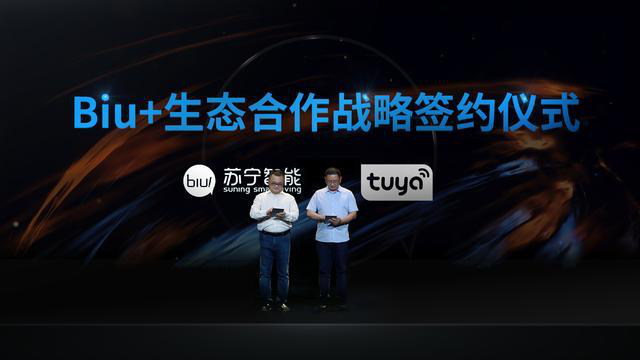
For platforms like Tuya, this means accessing more powerful technical capabilities and ecological resources, enabling them to better serve brands eager to gain better commercial value through the AIoT wave; for Suning XiaoBiu, it strengthens its “practical” attributes in both technical and ecological resources, not only supported by various deep resources from the parent platform Suning but also integrating external resources.
Of course, such cooperation has another value: the speed of AIoT ecosystem expansion is enhanced exponentially.
In the past year, the Biu+ ecosystem has added over 20 important well-known brand partners, including Gree, Midea, Zhigao, Boss Appliances, Rinnai, Fadiou, Hisense, Vanward, and others. Based on this, the BiuOS system has newly integrated over 400 SKUs, expanding the ecosystem.
Most of these brands or SKUs were likely negotiated one by one by Suning, and when cooperation with platform-level partners like Tuya and Botai unfolds, it means that the expansion of the Biu+ ecosystem has the opportunity to shift to a bulk model, completing the inclusion of numerous brands and SKUs at once.
Of course, this also requires extensive detail coordination in technology, products, and markets to support the practical implementation.


04


Conclusion
The AIoT ecosystem has entered the second half of competing for ecological influence and market penetration. In this process, the distinctions between the “academic” and “practical” approaches are becoming increasingly evident.
From products to markets, those players with stronger resource supply capabilities based on the parent platform background are beginning to excavate more potential, helping their own products and those of partners enhance user experience and better reach the market. For the final manufacturers of intelligent terminals, this may be the best form of cooperation to reap the dividends of the AIoT era.
*This content is original to 【Technology Xiangling Says】 and may not be used in any way without authorization, including reproduction, excerpting, copying, or establishing a mirror.
【End】
Zeng Xiangling
1 Annual top author on multiple investment and technology websites such as TMTPost, Pintu, and Everyone is a Product Manager;
2 Judge for the Tiger Roar Award;
3 Author of bestsellers such as 【Mobile Internet + Business Opportunities in the New Normal】;
4 Special commentator for nearly ten newspapers and magazines including China Business News, Business World, Business Review, and Sales and Marketing;
5 Columnist for nearly 80 media outlets including TMTPost, 36Kr, Huxiu, Interface, and The Paper;
6 Proposer of the concept of “Brain Artisan” (Mental Craftsperson), which has now evolved into “self-media” and become an industry;
7 Honorary mentor of Tencent’s All-Media Department and communication consultant for several technology and smart companies.
Key Focus Areas
1 Artificial Intelligence | Blockchain | Automotive Industry Chain | Content Entrepreneurship | New Retail
2 E-commerce | New Media Marketing | Enterprise Services | Home Industry | Community O2O
3 Smartphones | Internet Celebrities | Sports IP | Internet Finance | Drones
4 Sharing Economy | Live Streaming, Short Videos | Traditional Enterprise Transformation
Latest Works