
 Authors: Li Jiaxing, Hu Linghong, Hu YuhaoImages: Yang Zhenzhen1. Summary
Antibody-drug conjugates (ADCs) rejuvenate the concept of targeted chemotherapy by coupling cytotoxic payloads to antibodies. The first stage of the complex intracellular toxin delivery process of ADCs is endocytosis. Analyzing the endocytosis of target receptors and ADCs can greatly enhance preclinical studies, clinical translation, and patient treatment outcomes. The in vitro efficacy platform of SanYou Biotech can provide the most comprehensive endocytosis methods to assist in the precise and efficient screening of ADC drugs.
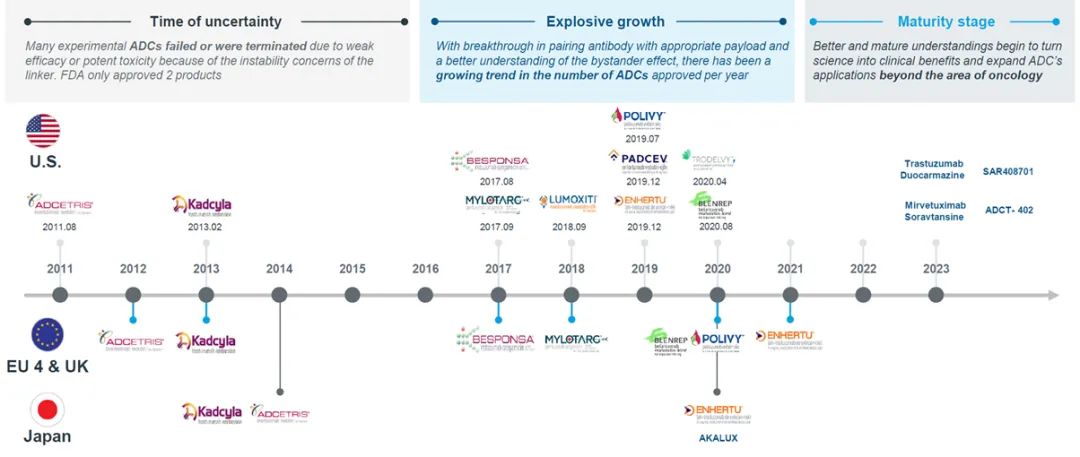
2. Development History of ADCAs early as the early 20th century, German scientist Paul Ehrlich proposed the concept of ADCs, but due to the limitations of the technology at that time, ADCs remained in the conceptual stage for a long time. On August 19, 2011, the FDA approved Adcetris for the treatment of Hodgkin lymphoma (HL) and systemic anaplastic large cell lymphoma (ALCL); in 2013, Roche’s trastuzumab emtansine (T-DM1) was launched in the United States, marking the true maturity and commercialization success of ADC drug development technology.
From 2017 to 2020, ADC drugs experienced rapid development. In 2017, the ADC drug Besponsa was launched for the treatment of relapsed or refractory pre-B-cell acute lymphoblastic leukemia; the following year, moxetumomab pasudotox was launched as a lyophilized powder ADC drug; in April 2020, Trodelvy received accelerated approval from the FDA, becoming the first ADC drug specifically approved for the treatment of relapsed or refractory mTNBC and the first ADC drug targeting Trop-2.
Subsequently, the development of ADC drugs entered a mature phase. In January 2020, T-DM1 received NMPA approval for marketing in China, marking the beginning of the first year of ADC drugs in China. On April 24, 2022, AstraZeneca and Daiichi Sankyo jointly applied for the marketing of trastuzumab deruxtecan (DS8201) in China. In just two years, the Chinese ADC drug market has quickly joined the global ADC drug market.
 3. ADC Market Performance
▶3.1. Sales
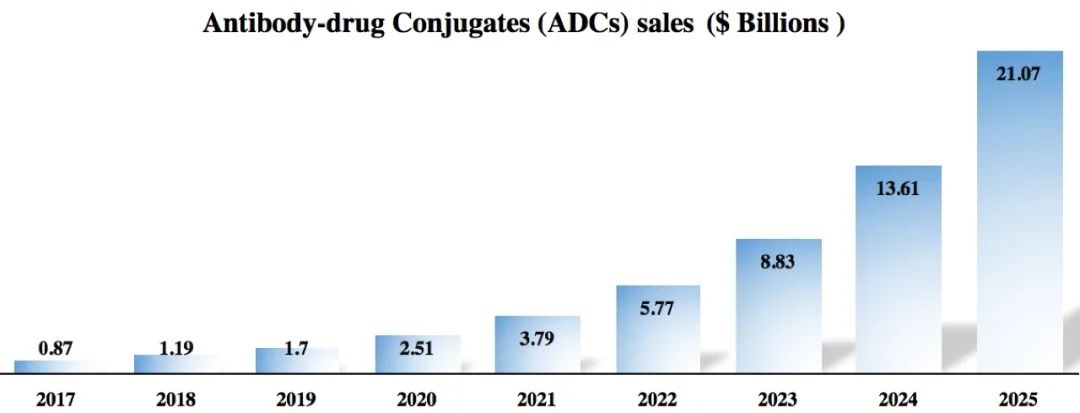 The global ADC drug market is growing rapidly. In 2014, the global ADC drug market size was $460 million; by 2020, it had increased to $2.51 billion, with a compound annual growth rate of approximately 32.9%; it is expected that by 2025, the ADC market size could reach $21.07 billion, with a compound annual growth rate exceeding 50%.
 ▶3.2. Clinical TargetsTable 1. Clinical stages with 1-2 ADC drugs targeting
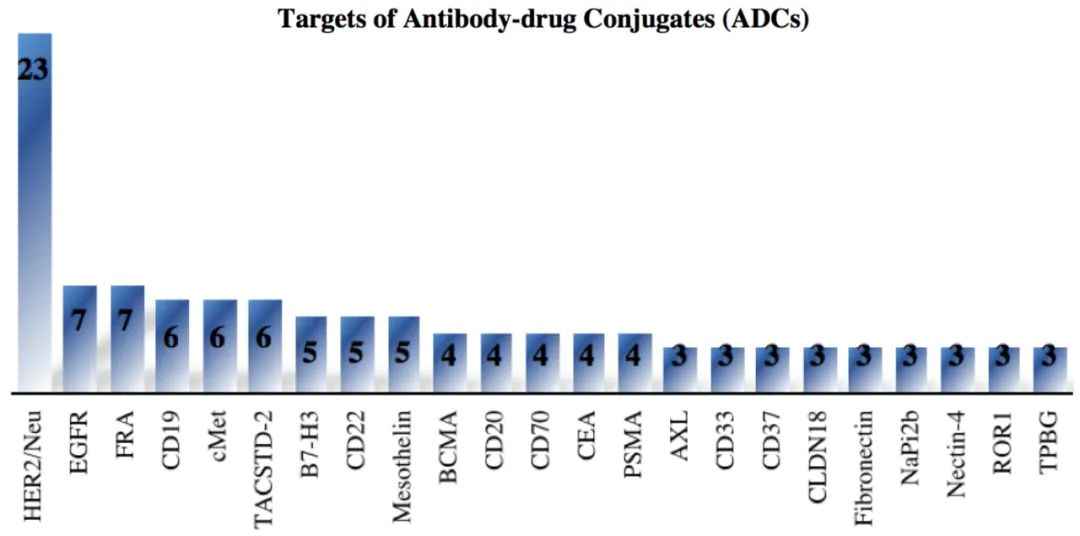
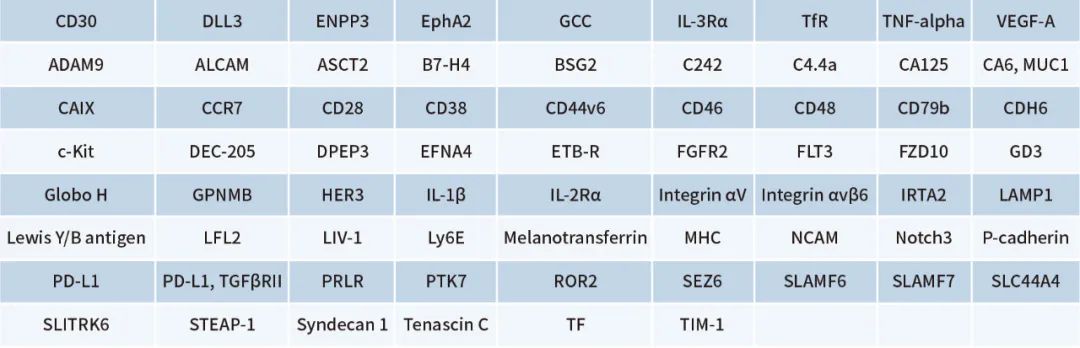 The clinical progress of popular targets is shown in the figure, with 23 ADC drugs targeting Her2, and 7 drugs targeting EGFR and FRA. The targets with 1-2 ADC drugs in clinical stages are listed in Table 1. Differentiated layouts and finding suitable drug targets have become hotspots for ADC R&D companies.
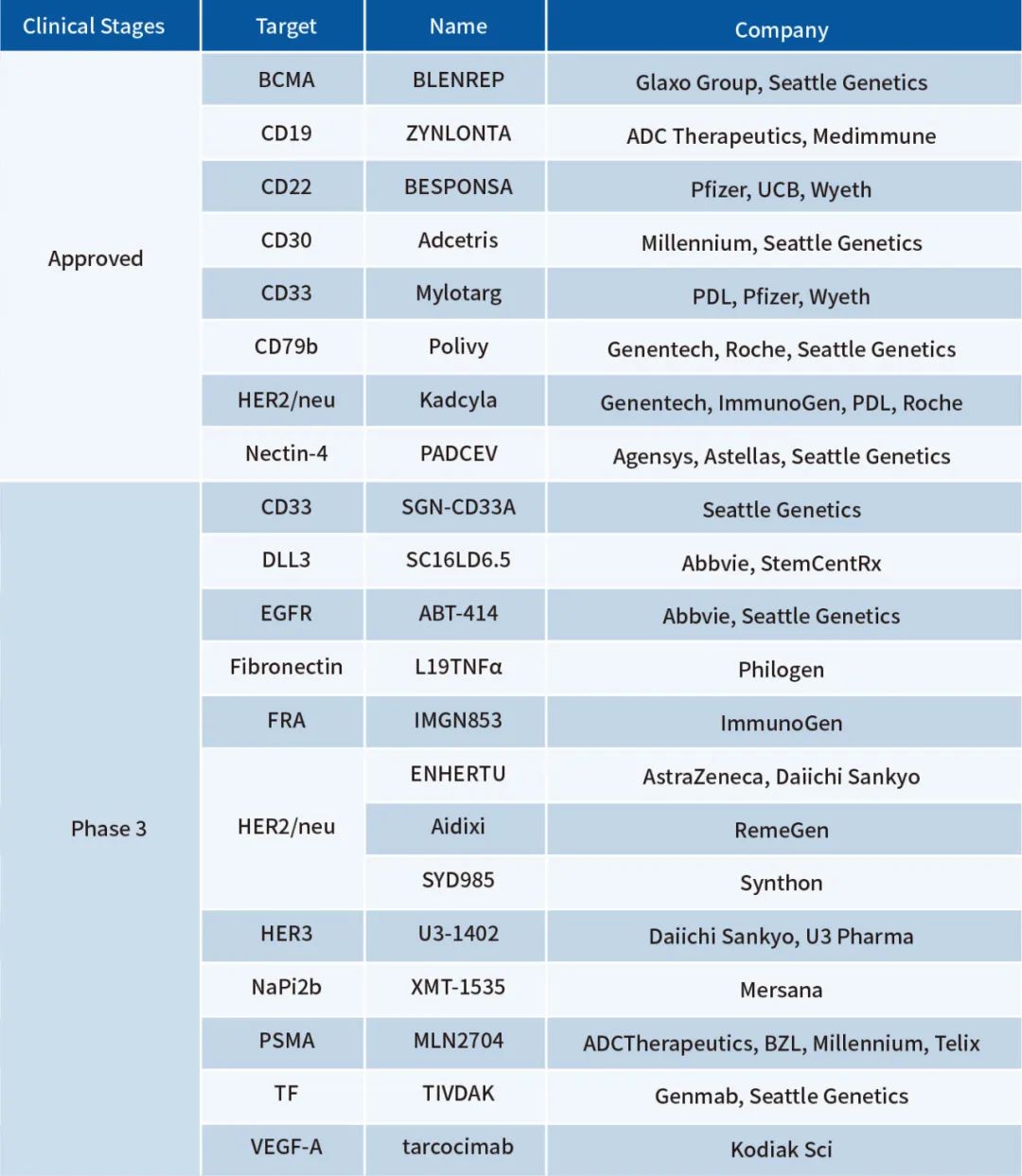
▶3.3. Clinical StagesTable 2. Information on ADC drugs in clinical phase III and approved for marketing
Currently, there are 8 ADC drugs on the market; 14 ADC drugs in clinical phase III; and 2 ADC drugs in clinical phases II/III. Information on ADC drugs in clinical phase III and approved for marketing is shown in Table 2. As the number of globally approved ADC drugs increases, it is foreseeable that under the policy environment where the Chinese government encourages innovation and accelerates the entry of urgently needed clinical drugs into China, more domestic pharmaceutical companies will begin to layout ADC drug research and development, and ADC drug development will enter a period of rapid growth.4. Key Points and Principles of ADC Drug Screening▶4.1. DS-8201On August 12, the FDA announced the accelerated approval of the ADC drug Enhertu (DS-8201) developed jointly by AstraZeneca and Daiichi Sankyo for the expanded indication of treating patients with unresectable or metastatic non-small cell lung cancer (NSCLC) carrying activating HER2 mutations. This is the first drug approved by the FDA for treating HER2-mutated NSCLC.It is worth mentioning that this is the first drug approved by the FDA for treating HER2-mutated NSCLC. Previously, the FDA had approved DS-8201 for HER2 low-expressing or positive breast cancer and gastric/gastroesophageal junction (GEJ) adenocarcinoma patients.At this year’s ASCO conference, DS-8201 brought a turning point for HER2 low-expressing breast cancer patients. According to clinical results, DS-8201 extended the progression-free survival of HER2 low-expressing breast cancer patients by six months and overall survival by ten months.DS-8201 has broken through the limits of HER2, which is not only its success but also a significant milestone in the development of HER2-targeted therapies.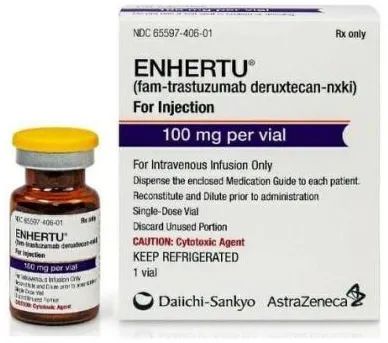 ▶4.2. Mechanism of ADC DrugsWhen ADCs reach cancer cells through the bloodstream, they first bind to the corresponding antigen and enter the cell through receptor-mediated endocytosis. The linker breaks down under low pH conditions or lysosomal proteins in the cell, releasing active cytotoxic drugs. The free small molecule cytotoxic drugs bind to the corresponding targets, leading to tumor cell death.
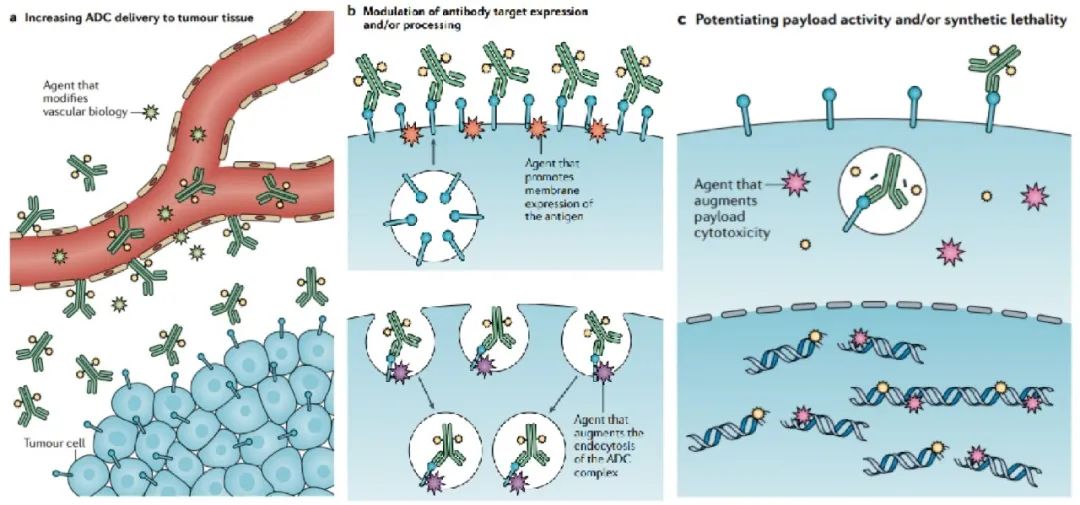
Drago JZ, Modi S, Chandarlapaty S. Nat Rev Clin Oncol. 2021 Feb 8. doi: 10.1038/s41571-021-00470-8.▶4.3. Core Elements of ADC DrugsAntibody-drug conjugates (ADC) consist of three core elements: antibodies, linkers, and small molecule drugs.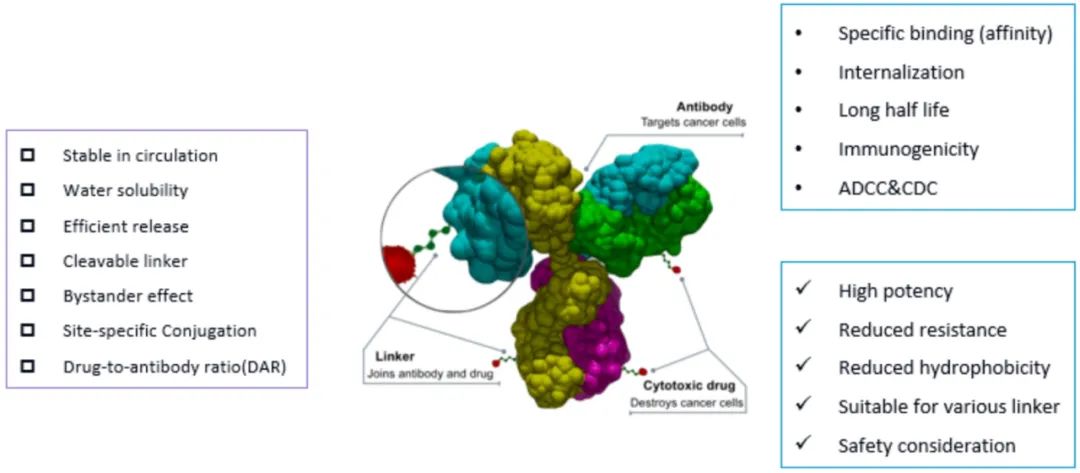 The key to ADC drugs lies in the selection of four core elements:1) Selection of the correct target: highly expressed on tumor cell surfaces, low or not expressed in normal tissues;2) Selection of linker: stable in circulation, water-soluble, effective release, cleavable linkers, bystander effect, site-specific binding, Drug-to-antibody ratio (DAR);3) Selection of antibodies: specifically binding to the target, targeting antigens must be cell surface antigens, efficient internalization;
4) ADC small molecule toxicity: effective pharmacological action, non-immunogenic, able to bind with the linker through modification.Identifying antibody internalization is key to advancing ADC projects.
5. SanYou Biotech Antibody Endocytosis Detection PlatformBased on ADC research, we need efficient, stable, convenient, and high-throughput methods for antibody endocytosis detection. SanYou Biotech can provide the most comprehensive endocytosis detection methods:1) Methods and principles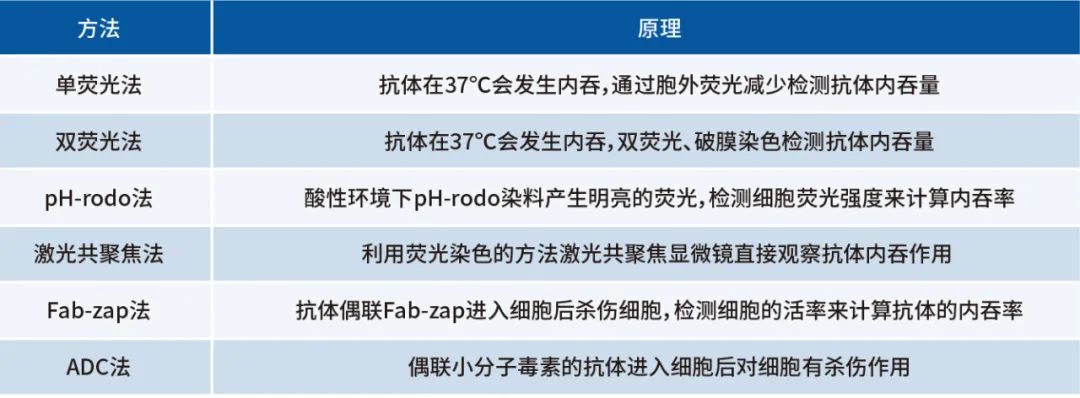 2) Method properties
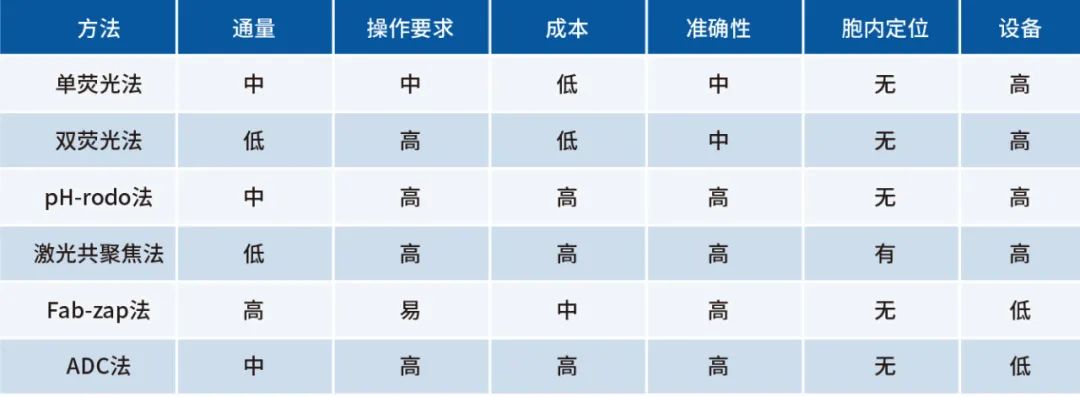
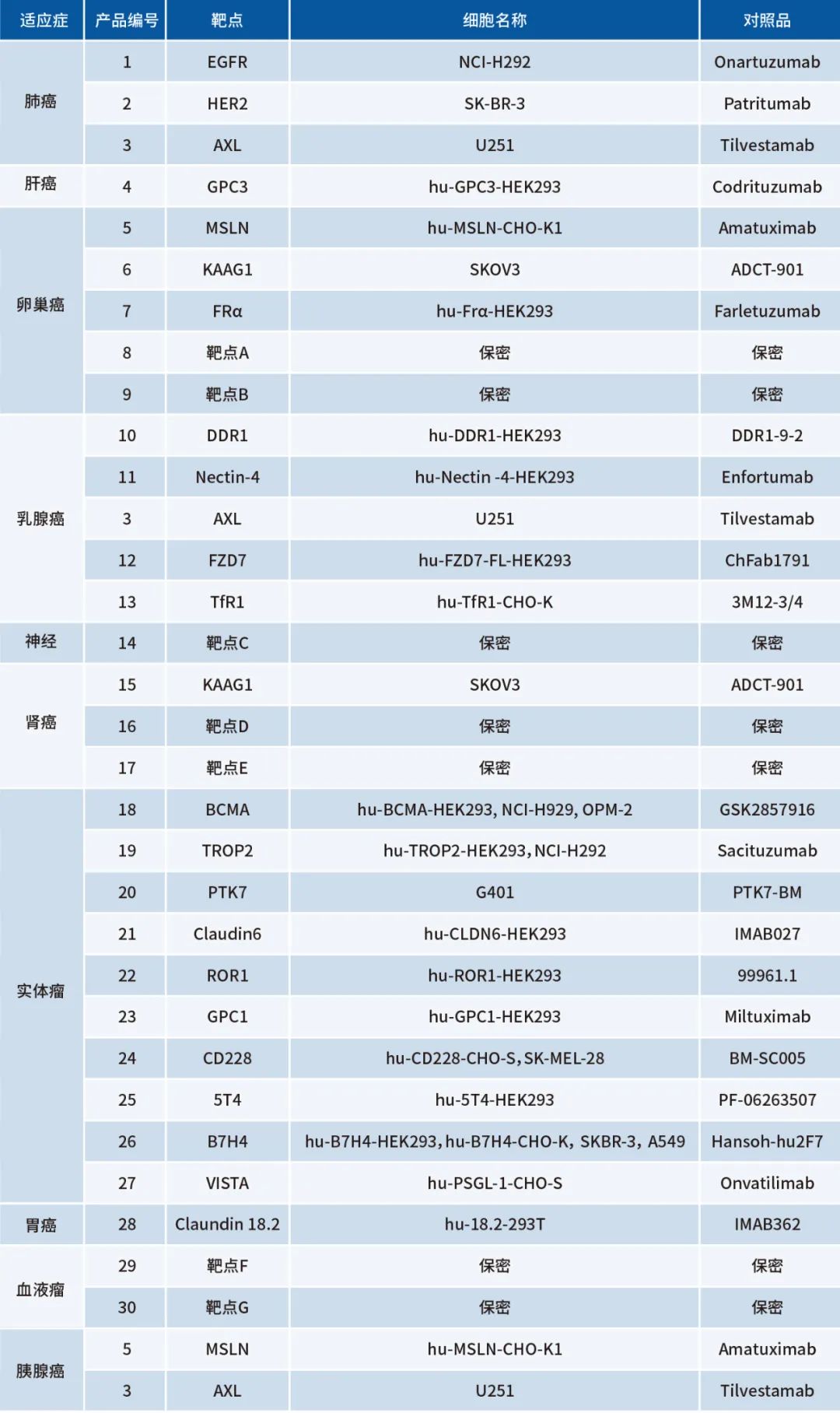
3) Service content (one-stop service and delivery, customized solutions) 6. Rich Proven Target Cell Lines and Controls
7. SanYou Biotech ADC Project Case Display▶7.1. TROP2 Project7.1.1. Single Fluorescence Method Detection of Sacituzumab Endocytosis by hu-TROP2-HEK293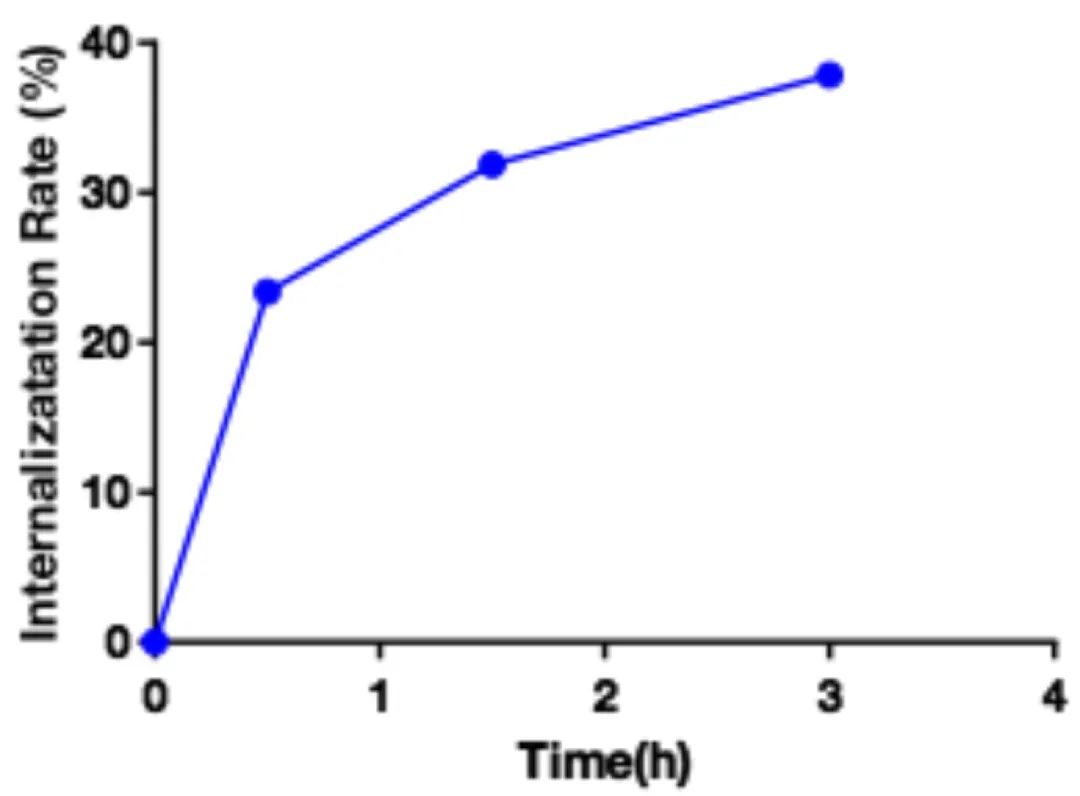 Figure 1. Single fluorescence method detection of Sacituzumab endocytosis by hu-TROP2-HEK293 curveLabel the extracellular bound antibody with a fluorescent secondary antibody and detect the fluorescent value of the antibody-labeled cells using flow cytometry. Calculate the difference in extracellular fluorescent value after antibody internalization as a ratio of the pre-internalization fluorescent value to obtain the endocytosis rate. Over time, the endocytosis rate of Sacituzumab by hu-TROP2-HEK293 gradually increases, reaching a peak value of 35% at 3 hours.7.1.2. Dual Fluorescence Method Detection of Sacituzumab Endocytosis by hu-TROP2-HEK293
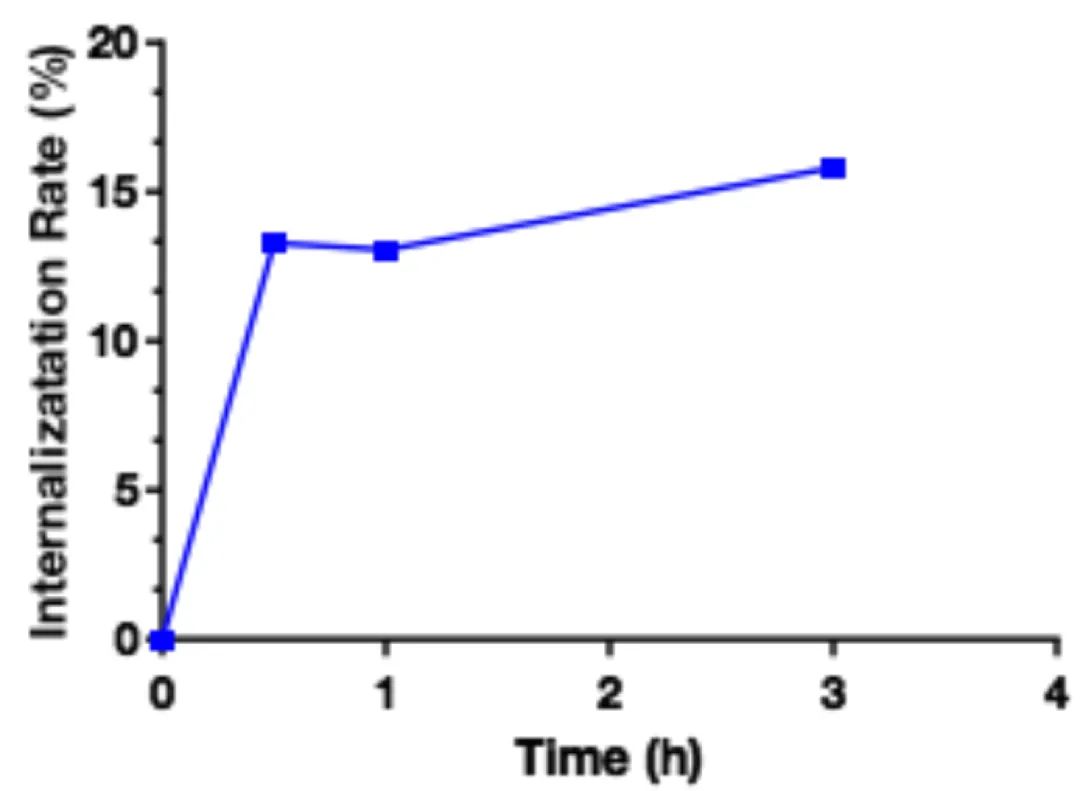 Figure 2. Dual fluorescence method detection of Sacituzumab endocytosis by hu-TROP2-HEK293 curve
Use a fluorescent secondary antibody to label the intracellular and extracellular antibodies, and detect the fluorescent value of the antibody-labeled cells using flow cytometry. Calculate the ratio of intracellular fluorescence to total fluorescence to obtain the endocytosis rate. Over time, the endocytosis rate of Sacituzumab by hu-TROP2-HEK293 gradually increases, reaching a peak value of 15% at 3 hours.
7.1.3. pH-rodo Method Detection of Sacituzumab Endocytosis by hu-TROP2-HEK293
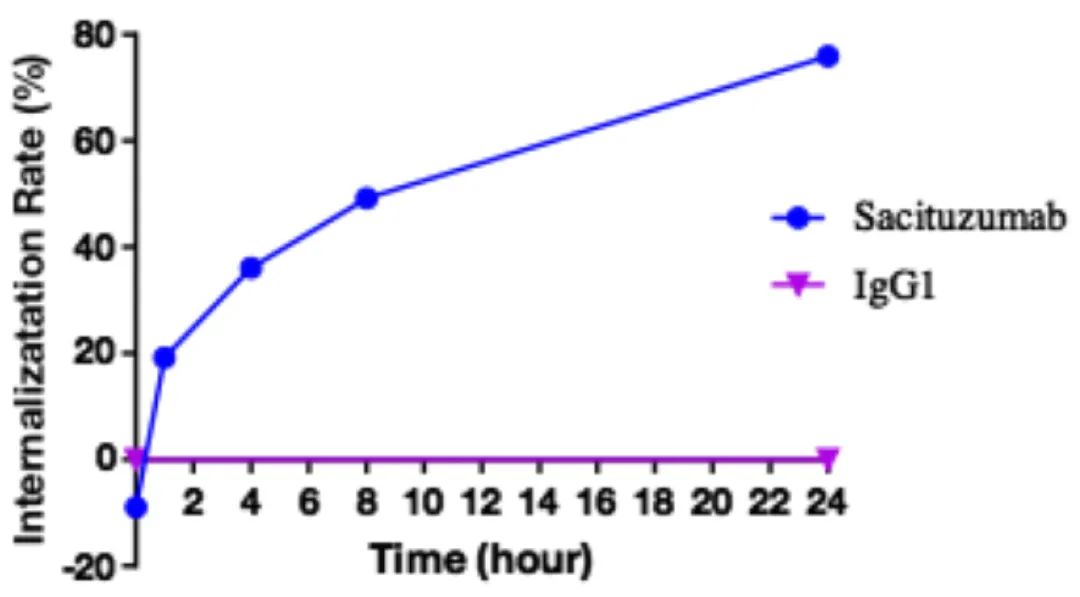
Figure 3. pH-rodo method detection of Sacituzumab endocytosis by hu-TROP2-HEK293 curveLabel the antibody with pH-rodo reagent, which does not fluoresce at neutral pH but produces bright fluorescence in the acidic environment of lysosomes. Use flow cytometry to detect the fluorescence intensity of the cells to measure the antibody endocytosis rate. Over time, the endocytosis rate of Sacituzumab by hu-TROP2-HEK293 gradually increases, reaching a maximum value of 80% at 24 hours with a concentration of 60 nM.7.1.4. Laser Confocal Method Detection of Sacituzumab Endocytosis by hu-TROP2-HEK293Incubate unlabelled IgG antibodies with Zenon pH-rodo iFL IgG labeling reagents containing fluorescently labeled Fab fragments. The labeled Fab fragments bind to the Fc region of IgG antibodies to form a labeled complex, which takes less than 5 minutes to form. The pH-rodo™ iFL dye significantly enhances fluorescence as the acidity of its surrounding environment increases. Label the antibody with pH-rodo reagent, which does not fluoresce at neutral pH but produces bright fluorescence in the acidic environment of lysosomes. Use laser confocal microscopy to photograph the cells to observe the localization and quantity of internalized antibodies.7.1.5. Fab-zap Method Detection of Sacituzumab Antibody Endocytosis by hu-TROP2-HEK293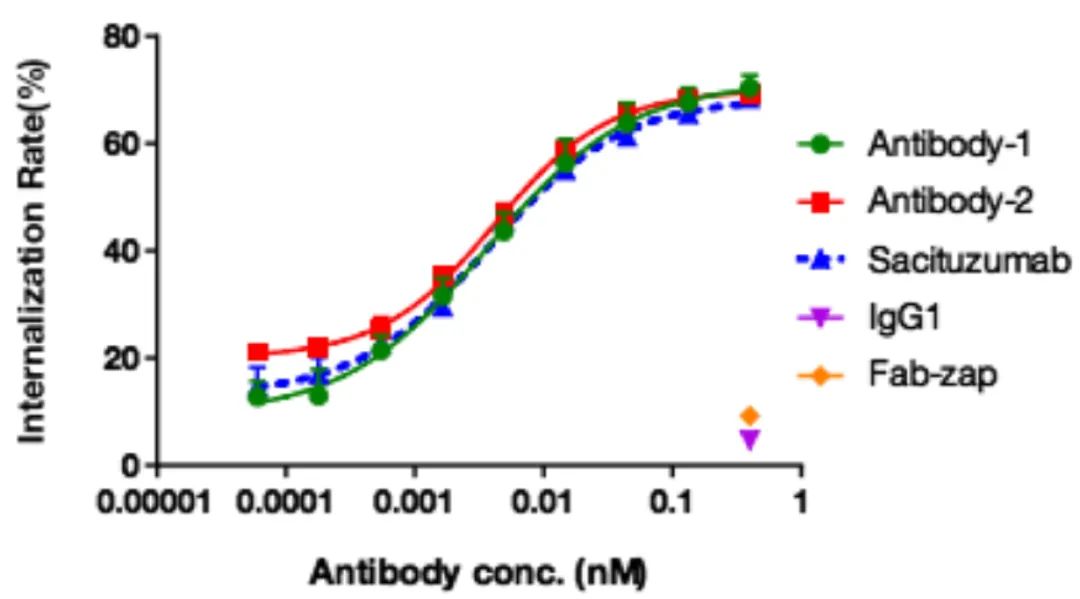 Figure 4. Fab-zap method detection of Sacituzumab antibody endocytosis on hu-TROP2-HEK293 overexpression cell lineUse Fab-zap reagent and antibody conjugation. The antibody guides the ZAP complex to the target cells, which then binds and is internalized. After the ZAP complex enters the cytoplasm, the linker is cleaved by enzymes, releasing Saporin to kill the cells. After co-culturing the antibody complex with the cells for 48 hours, calculate the endocytosis rate of the antibody based on the killing effect of the antibody complex on the cells. After 48 hours, the endocytosis rate of Sacituzumab by hu-TROP2-HEK293 gradually increases with the concentration of the antibody, reaching 70% at an antibody concentration of 0.4 nM.7.1.6. Fab-zap Method Detection of Sacituzumab Antibody Endocytosis by NCI-H292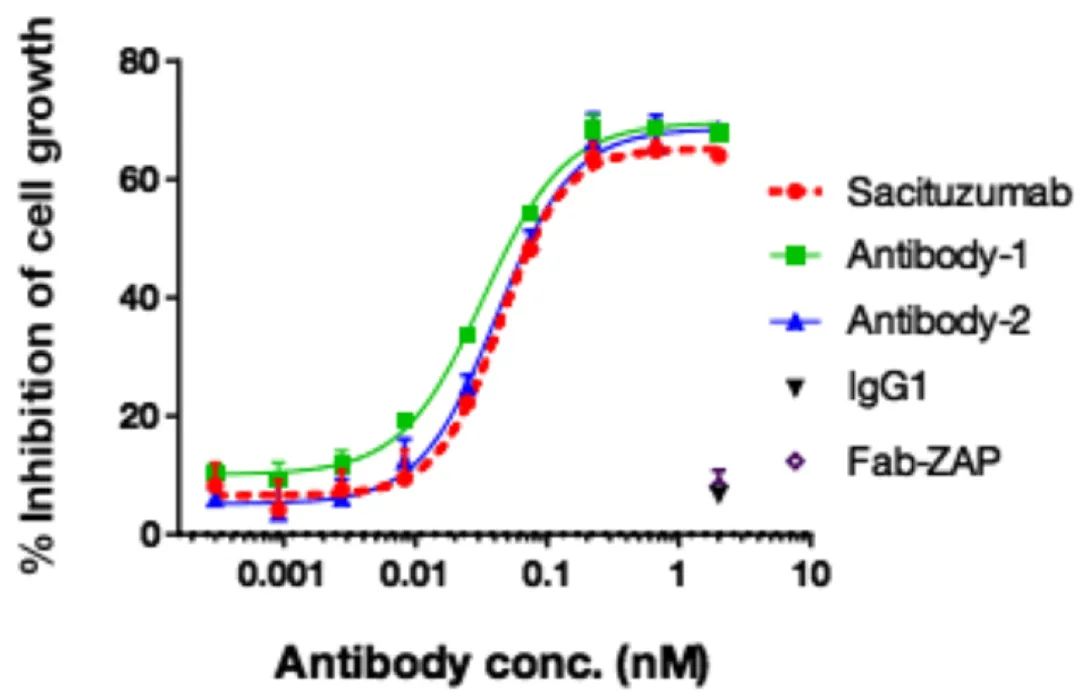
Figure 5. Fab-zap method detection of Sacituzumab antibody endocytosis on lung cancer cells NCI-H292
After co-culturing the antibody complex with NCI-H292 cells for 48 hours, calculate the endocytosis rate of the antibody based on the killing effect of the antibody complex on the cells. After 48 hours, the endocytosis rate of Sacituzumab by NCI-H292 gradually increases with the concentration of the antibody, reaching 70% at an antibody concentration of 0.4 nM.
7.1.7. Sacituzumab Conjugated ADC Drug Killing Effect on NCI-H292 Cells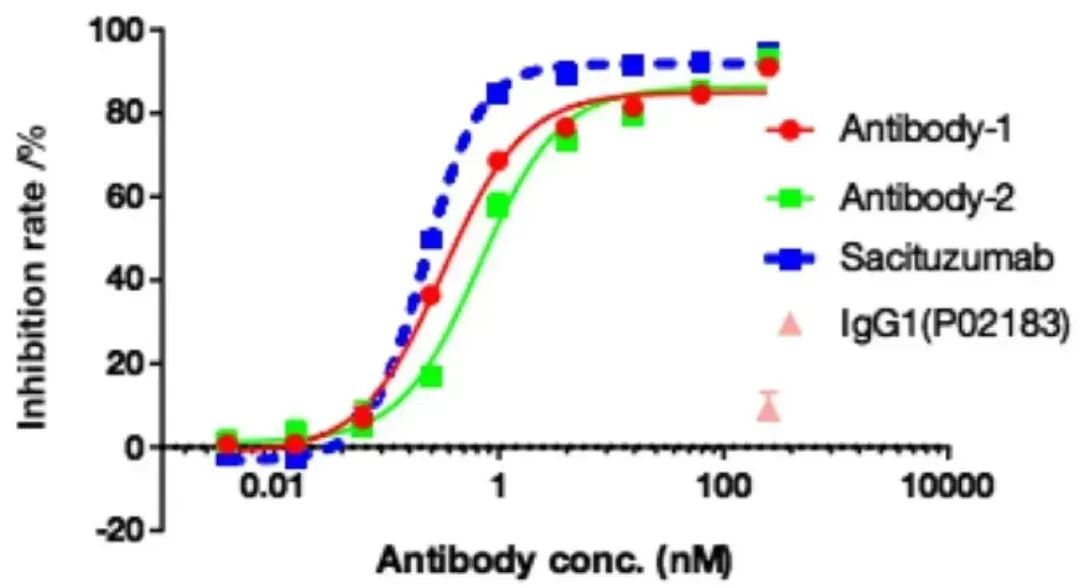 Figure 6. Detection of killing effect on NCI-H292 cells after antibody conjugation with ADCConjugate small molecule drugs with antibodies, guiding the conjugates to the target cells, which then bind and are internalized. After the complex enters the cytoplasm, the linker is cleaved by enzymes, releasing small molecule toxins to kill the cells. After co-culturing the antibody complex with the cells for 72 hours, the killing rate of the complex on the cells is measured based on the cell viability. After 72 hours, the killing rate of the Sacituzumab and small molecule toxin complex on NCI-H292 cells gradually increases with the concentration of the antibody, reaching 90% at an antibody concentration of 250 nM.▶7.2. R1 Project7.2.1. Single Fluorescence Method Detection of 99961.1 Endocytosis by hu-ROR1-HEK293
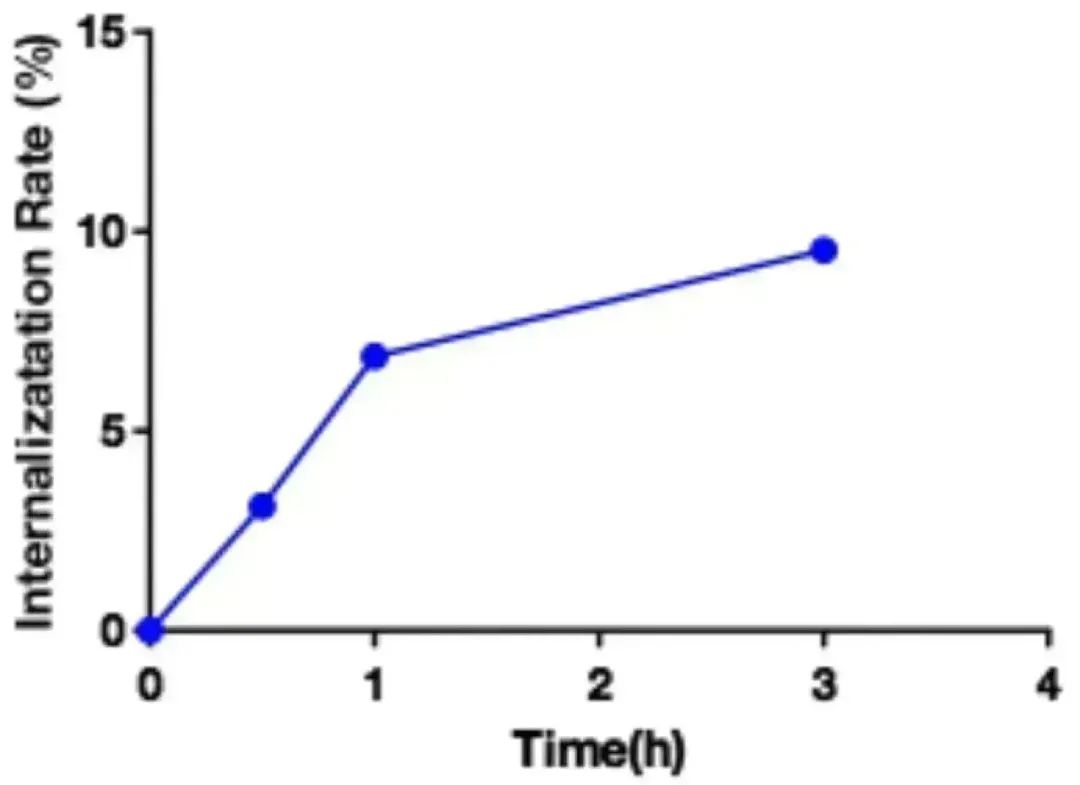
Figure 7. Single fluorescence method detection of 99961.1 endocytosis by hu-ROR1-HEK293 curveLabel the extracellular bound antibody with a fluorescent secondary antibody and detect the fluorescent value of the antibody-labeled cells using flow cytometry. Calculate the difference in extracellular fluorescent value after antibody internalization as a ratio of the pre-internalization fluorescent value to obtain the endocytosis rate. Over time, the endocytosis rate of 99961.1 by hu-ROR1-HEK293 gradually increases, reaching a peak value of 10% at 3 hours.7.2.2. Dual Fluorescence Method Detection of 99961.1 Endocytosis by hu-ROR1-HEK293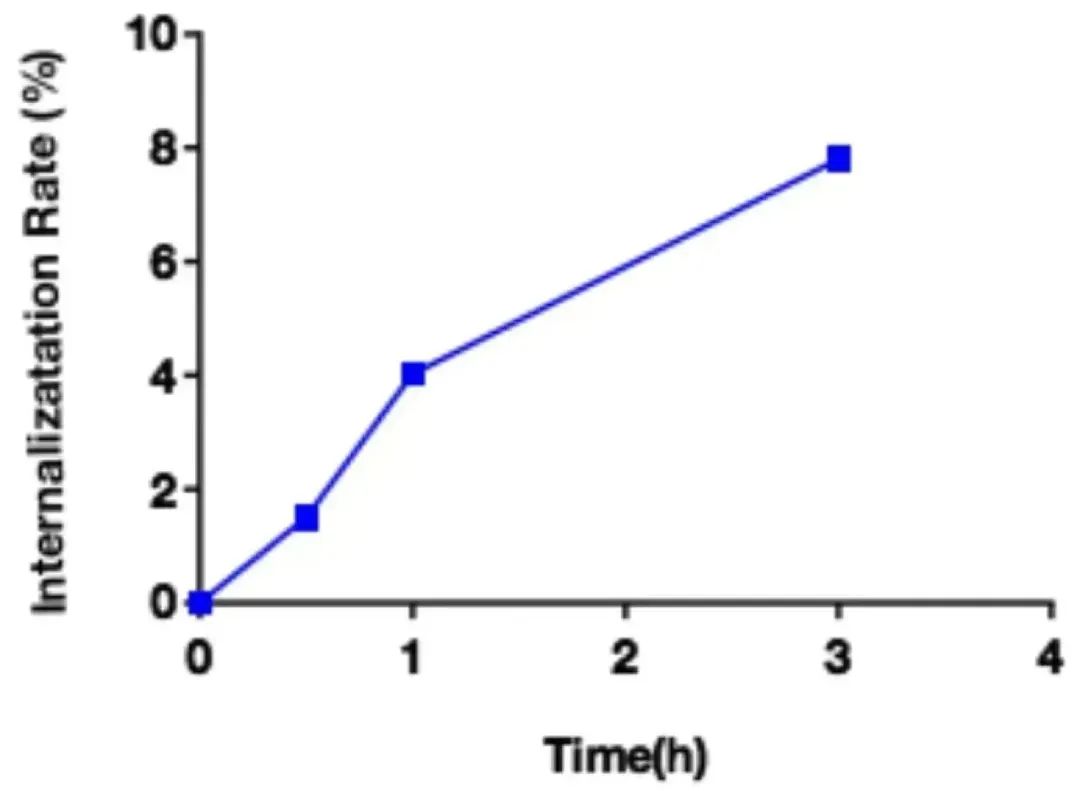 Figure 8. Dual fluorescence method detection of 99961.1 endocytosis by hu-ROR1-HEK293 curveUse a fluorescent secondary antibody to label the intracellular and extracellular antibodies, and detect the fluorescent value of the antibody-labeled cells using flow cytometry. Calculate the ratio of intracellular fluorescence to total fluorescence to obtain the endocytosis rate. Over time, the endocytosis rate of 99961.1 by hu-ROR1-HEK293 gradually increases, reaching a peak value of 8% at 3 hours.7.2.3. pH-rodo Method Detection of 99961.1 Endocytosis by hu-ROR1-HEK293
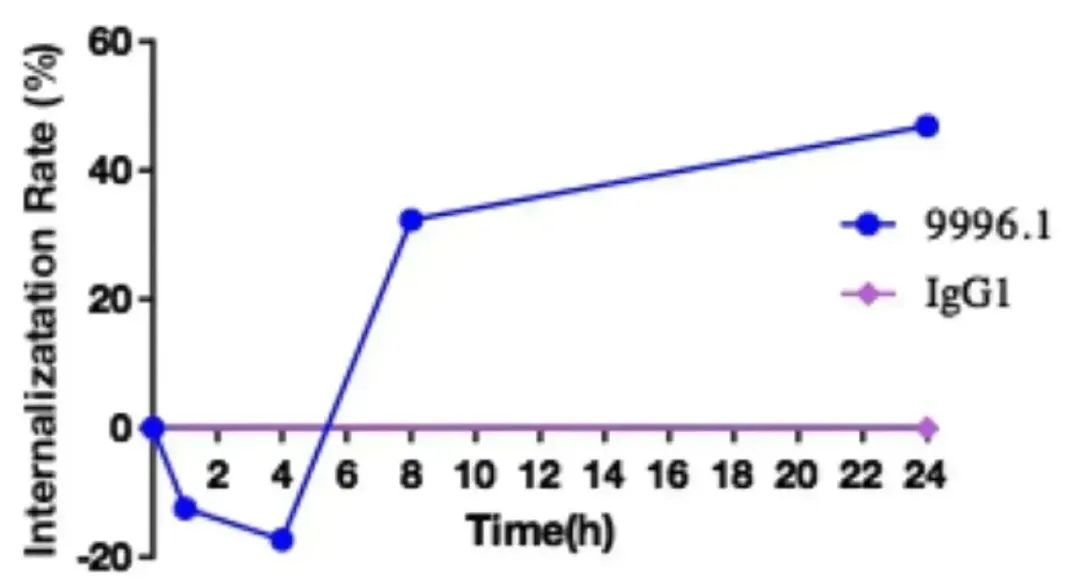
Figure 9. pH-rodo method detection of 99961.1 endocytosis by hu-ROR1-HEK293 curveLabel the antibody with pH-rodo reagent, which does not fluoresce at neutral pH but produces bright fluorescence in the acidic environment of lysosomes. Use flow cytometry to detect the fluorescence intensity of the cells to measure the antibody endocytosis rate. At 24 hours, with a concentration of 60 nM, the endocytosis rate of 99961.1 by hu-ROR1-HEK293 reaches a maximum of 46%.7.2.4. Fab-zap Method Detection of 99961.1 Endocytosis by hu-ROR1-HEK293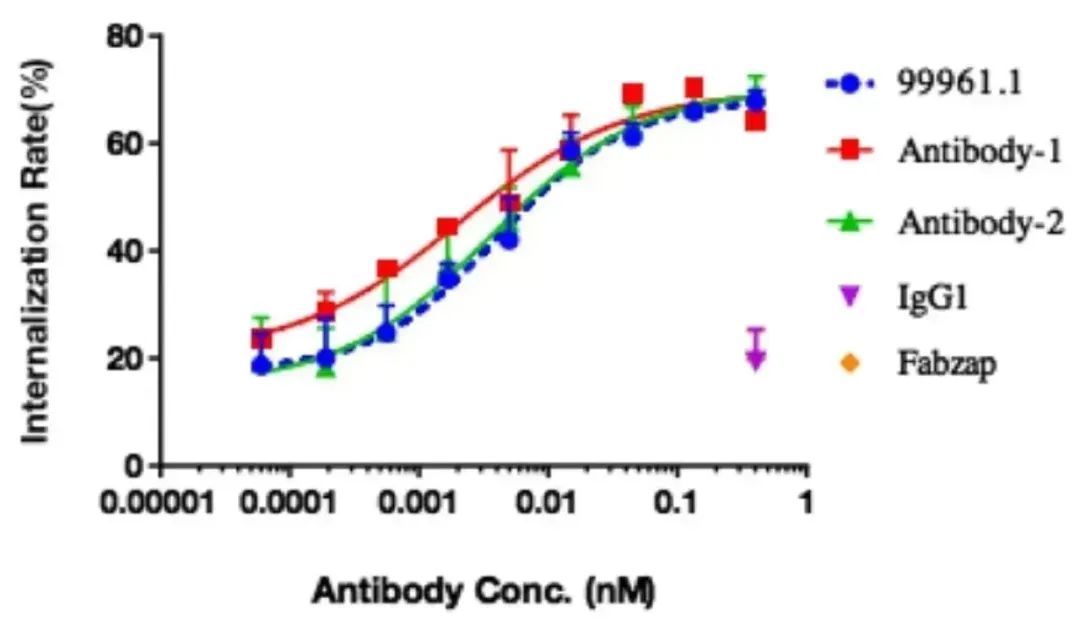 Figure 10. Fab-zap method detection of 99961.1 antibody endocytosis on hu-ROR1-HEK293 overexpression cell lineAfter co-culturing the antibody complex with hu-ROR1-HEK293 cells for 48 hours, calculate the endocytosis rate of the antibody based on the killing effect of the antibody complex on the cells. After 48 hours, the endocytosis rate of 99961.1 by hu-ROR1-HEK293 gradually increases with the concentration of the antibody, reaching 70% at an antibody concentration of 0.4 nM.7.2.5. Killing Effect of 99961.1 Conjugated ADC Drug on K562 Cells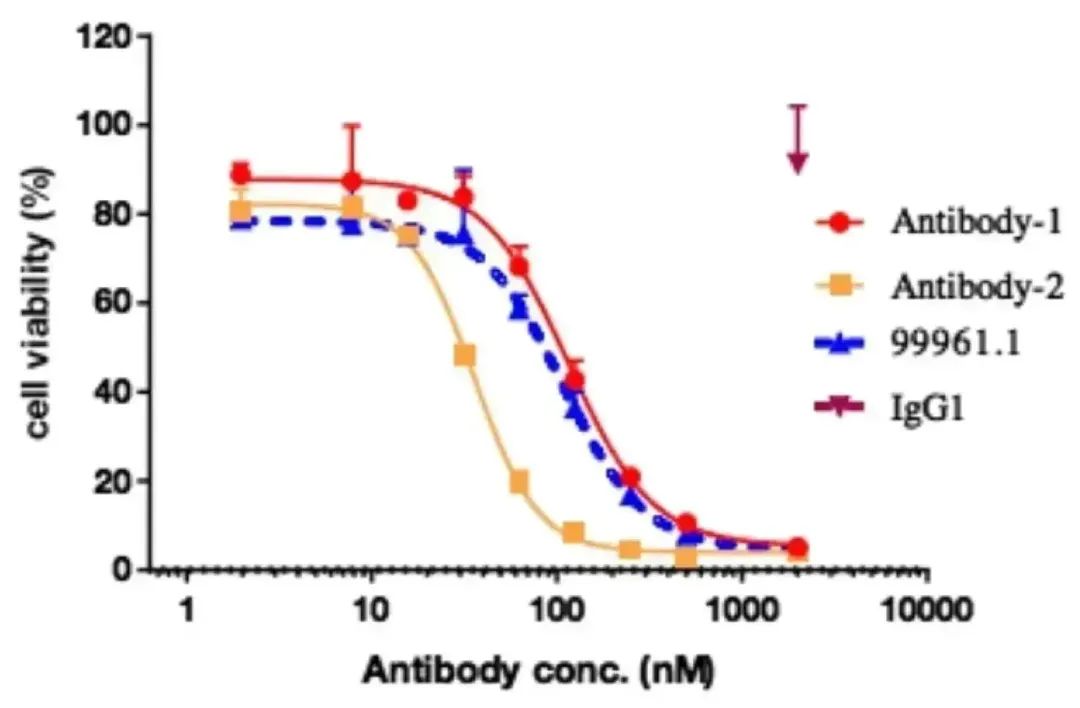
Figure 11. Detection of killing effect on K562 cells after antibody conjugation with ADC
After co-culturing the antibody complex with K562 cells for 96 hours, calculate the killing rate of the complex on the cells based on the cell viability. After 96 hours, the killing rate of the 99961.1 and small molecule toxin complex on K562 cells gradually increases with the concentration of the antibody, reaching a maximum at an antibody concentration of 1000 nM.▶7.3. BCMA Project7.3.1. Single Fluorescence Method Detection of GSK2857916 Endocytosis by NCI-H929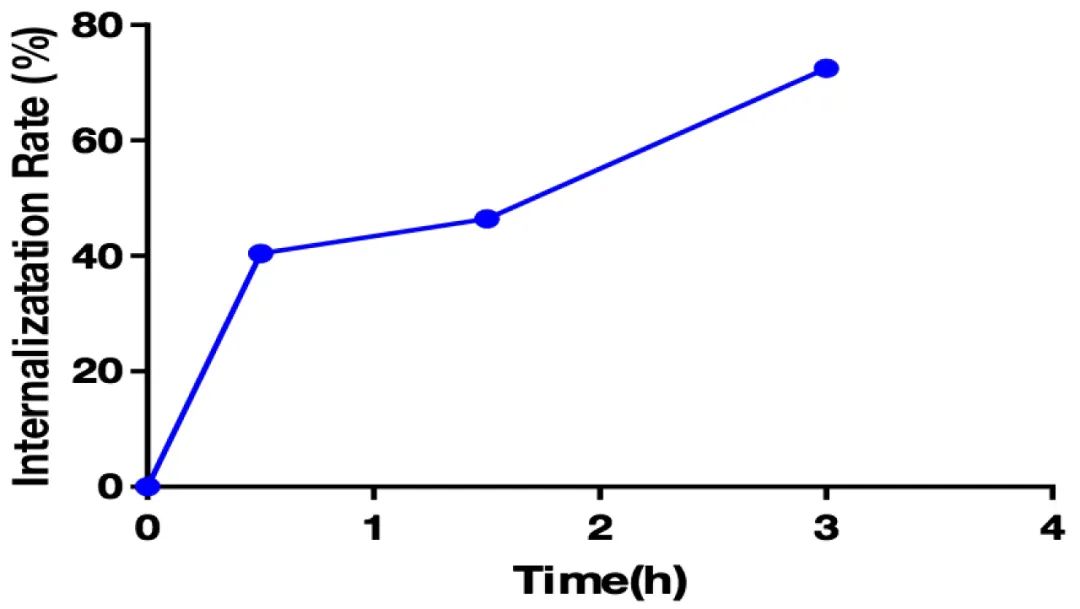
Figure 12. Single fluorescence method detection of GSK2857916 endocytosis by NCI-H929 curve
Label the extracellular bound antibody with a fluorescent secondary antibody and detect the fluorescent value of the antibody-labeled cells using flow cytometry. Calculate the difference in extracellular fluorescent value after antibody internalization as a ratio of the pre-internalization fluorescent value to obtain the endocytosis rate. Over time, the endocytosis rate of GSK2857916 by NCI-H929 gradually increases, reaching a peak value of 70% at 3 hours.7.3.2. Dual Fluorescence Method Detection of GSK2857916 Endocytosis by NCI-H929
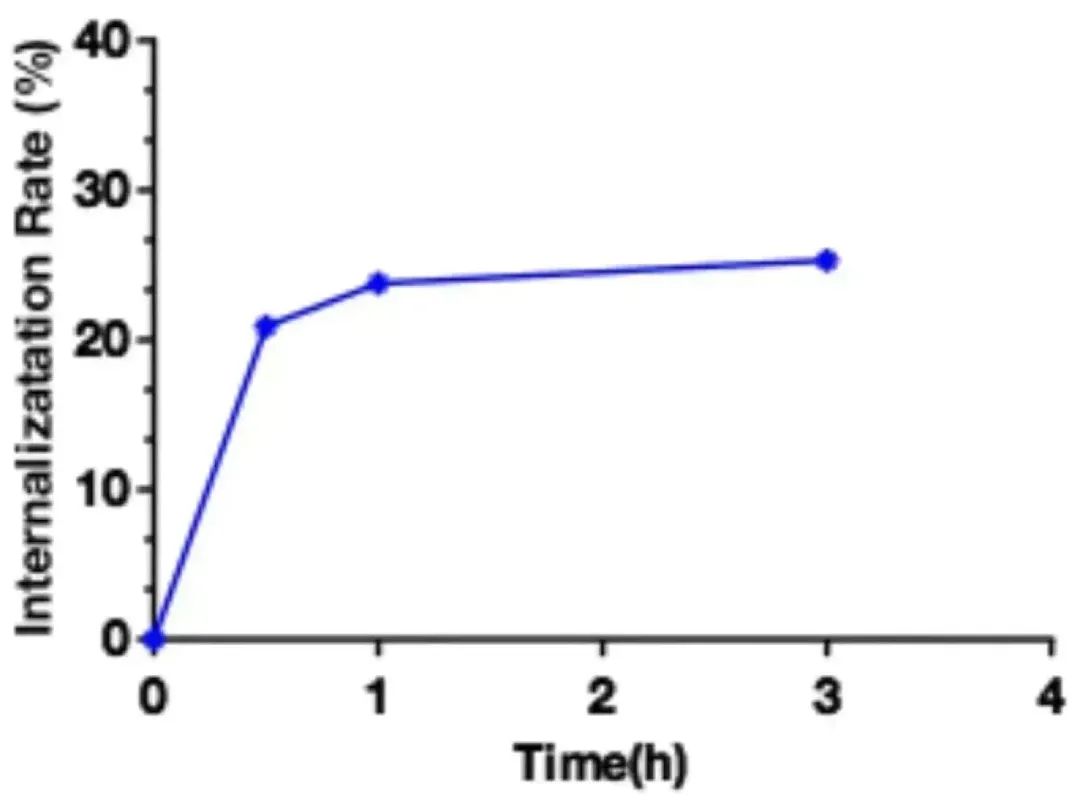
Figure 13. Dual fluorescence method detection of GSK2857916 endocytosis by NCI-H929 curveLabel the intracellular and extracellular antibodies with a fluorescent secondary antibody and detect the fluorescent value of the antibody-labeled cells using flow cytometry. Calculate the ratio of intracellular fluorescence to total fluorescence to obtain the endocytosis rate. Over time, the endocytosis rate of GSK2857916 by NCI-H929 gradually increases, reaching a peak value of 20% at 3 hours.7.3.3. pH-rodo Method Detection of GSK2857916 Endocytosis by NCI-H929
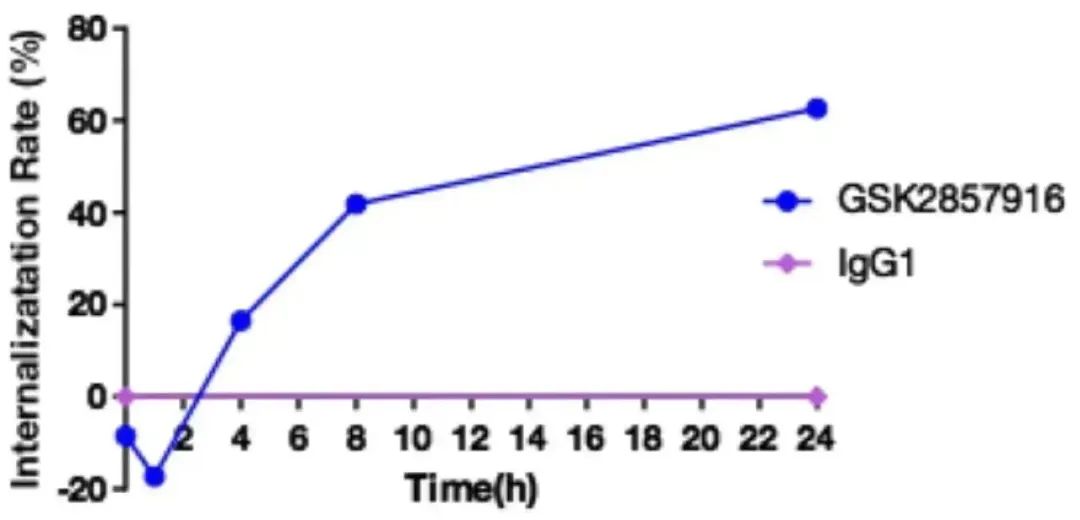
Figure 14. pH-rodo method detection of GSK2857916 endocytosis by NCI-H929 curve
Label the antibody with pH-rodo reagent, which does not fluoresce at neutral pH but produces bright fluorescence in the acidic environment of lysosomes. Use flow cytometry to detect the fluorescence intensity of the cells to measure the antibody endocytosis rate. Over time, with a concentration of 60 nM, the endocytosis rate of GSK2857916 by NCI-H929 gradually increases, reaching a maximum of 60% at 24 hours.7.3.4. Fab-zap Method Detection of GSK2857916 Endocytosis by NCI-H929
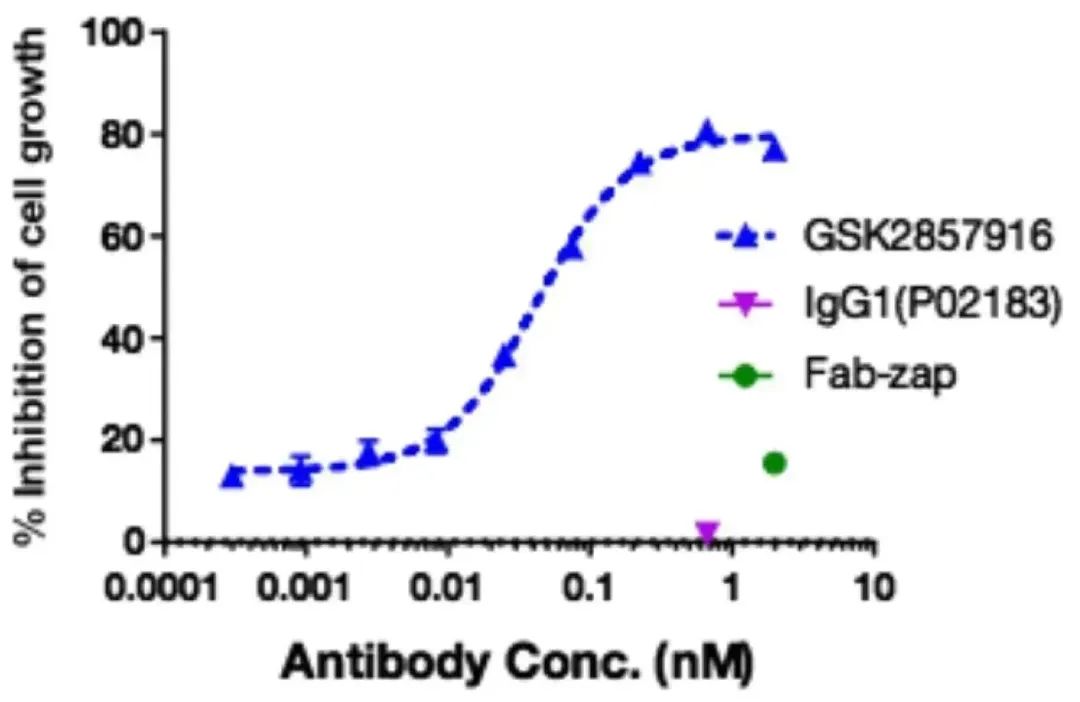
Figure 15. Fab-zap method detection of GSK2857916 antibody endocytosis on NCI-H929 overexpression cell line
After co-culturing the antibody complex with NCI-H929 cells for 48 hours, calculate the endocytosis rate of the antibody based on the killing effect of the antibody complex on the cells. After 48 hours, the endocytosis rate of GSK2857916 by NCI-H929 gradually increases with the concentration of the antibody, reaching 80% at an antibody concentration of 2 nM.
7.3.5. Killing Effect of GSK2857916 Conjugated ADC Drug on Cells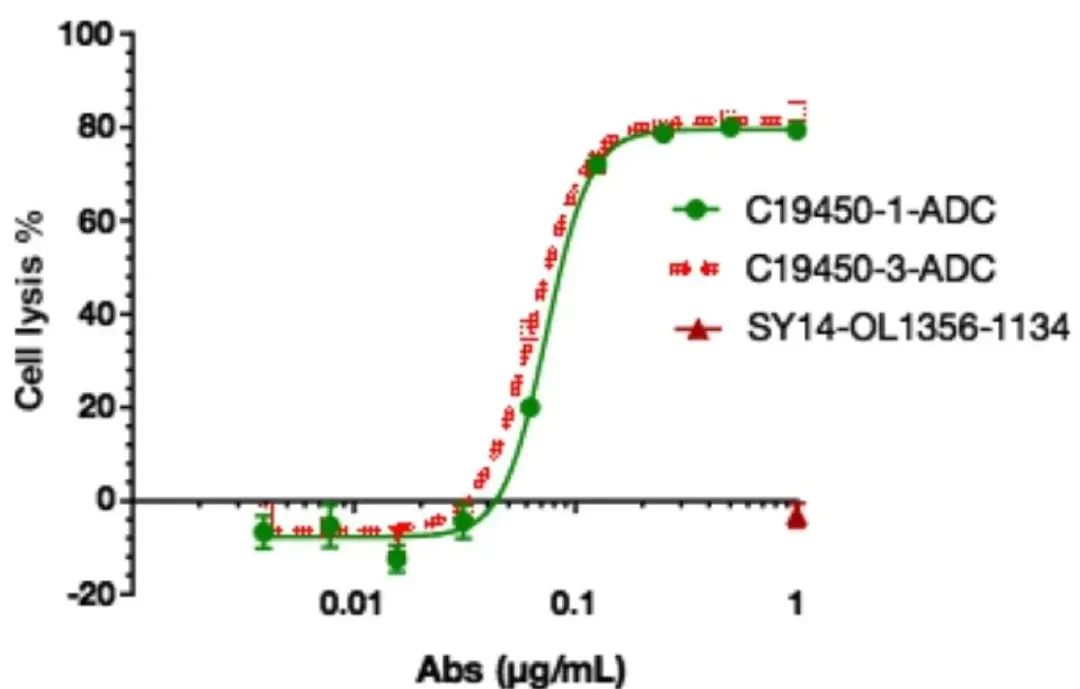
Figure 16. Detection of killing effect on NCI-H929 cells after antibody conjugation with ADC
After co-culturing the antibody complex with NCI-H929 cells for 120 hours, calculate the killing rate of the complex on the cells based on the cell viability. After 120 hours, the killing rate of the antibody and small molecule toxin complex on NCI-H929 cells gradually increases with the concentration of the antibody, reaching a maximum at an antibody concentration of 0.25 μg/mL.8. Quality SystemCurrently, SanYou Biotech has established a four-level document management system for its quality system, with the detailed structure as follows: the first level is the quality manual, the second level is divided into quality policy requirements, quality terms, and manufacturing verification procedures (process specifications), the third level includes standard operating procedures (SOPs) divided into six categories: ① General management/operations, ② Process operations, ③ Testing methods, ④ Equipment/system operations, ⑤ Equipment/system maintenance operations, ⑥ Measurement and calibration operations, forms, plans, and standards, and the fourth level includes various forms, training records, experimental records, inspection reports, validation reports, etc. This system has been in operation for three years, with over 200 operational procedure documents and over 150 record forms in effect, all of which are in an approved controlled state, covering all aspects of the company’s operations, including innovative R&D, quality assurance, project management, comprehensive management, finance, human resources, production process development, and engineering management, ensuring the robust operation of the company’s quality system.9. Related Services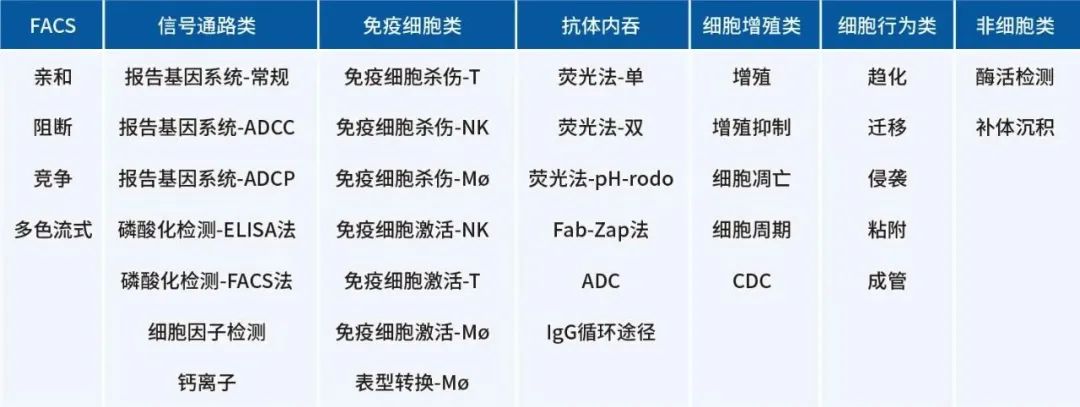 10. Assay Platform Scene Display
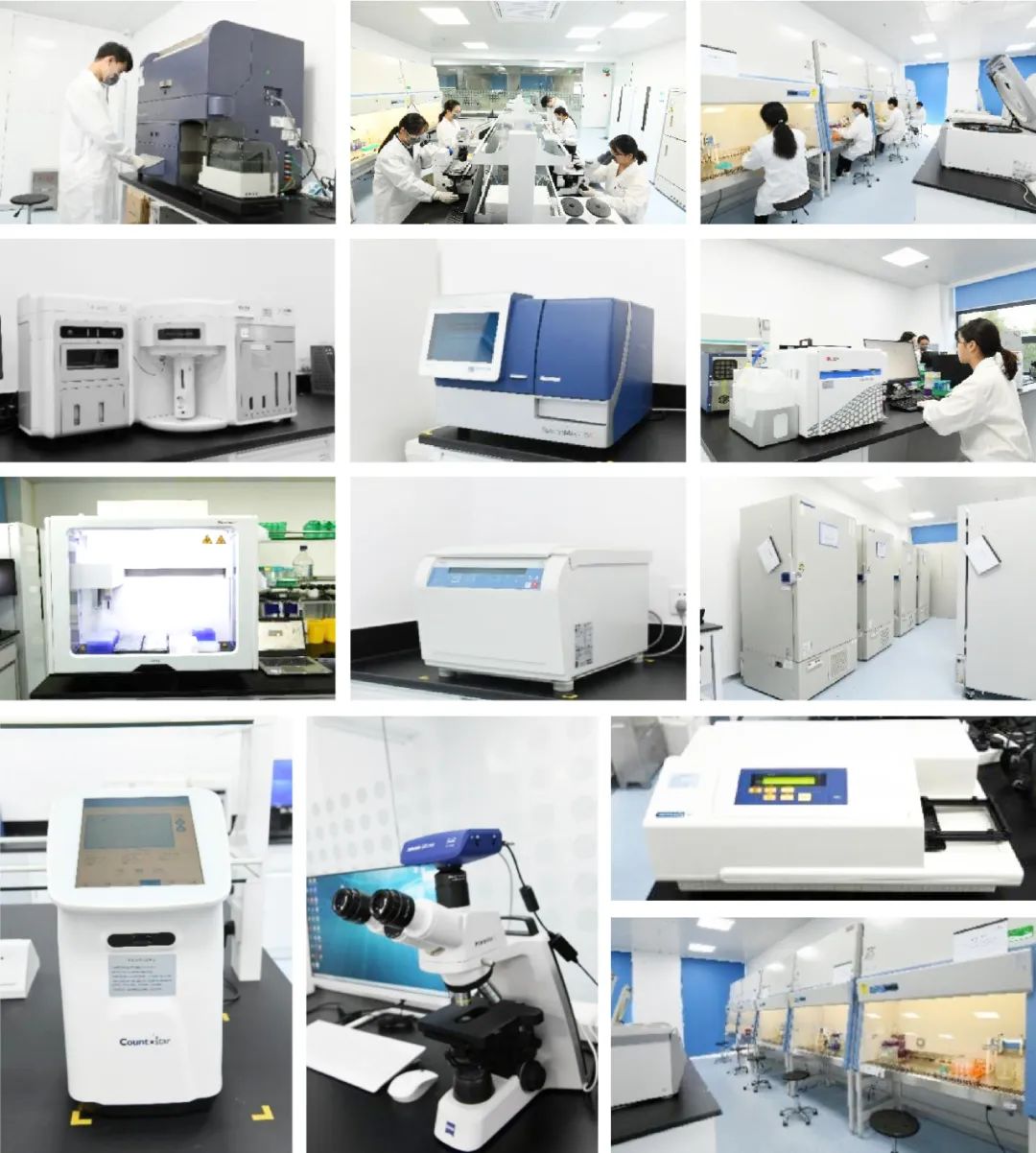
About SanYou BiotechSanYou Biotech is a high-tech company focused on the research and development of innovative biological drugs and services. The company is committed to building an internationally leading high-quality, high-throughput, integrated R&D and value transformation platform for innovative biological drugs, creating a business ecosystem for treatment, research and development, and diagnostic products and services, collaborating with global biopharmaceutical, diagnostic, and drug development companies to open new horizons in human disease diagnosis and treatment.SanYou Biotech has established an integrated R&D laboratory for innovative biological drugs covering over 20,000 square meters with advanced and complete facilities. It has created over 50 core innovative technology platforms, represented by a series of trillion-level phage display antibody libraries, covering innovative biological drug discovery, optimization, production cell line construction, upstream and downstream process development, preclinical R&D, and industrialization development. The company has built a business system that integrates differentiated CRO, innovative CPO, and specialized CRS. The company continues to launch new technologies, products, services, and scenarios with the “best quality, fastest speed, and highest cost-effectiveness” (SanYou).



Disclaimer: The articles sourced from this WeChat account are reprints for sharing purposes only and do not represent the platform’s position. If there are any copyright issues, please contact us as soon as possible, and we will make corrections immediately. Thank you!