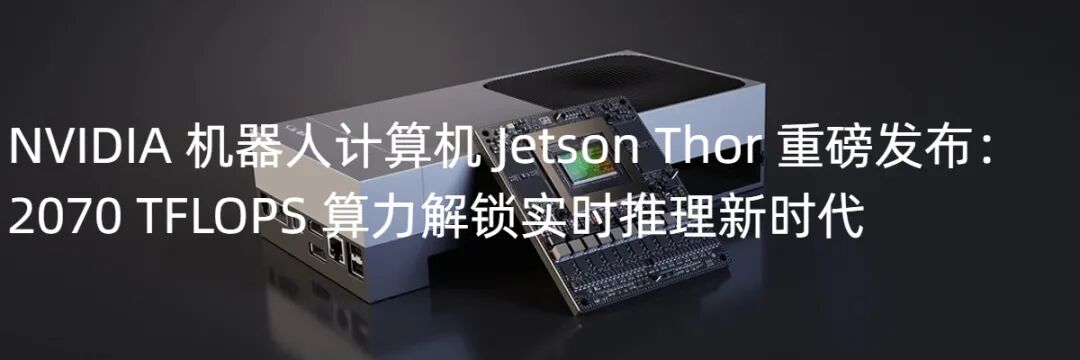
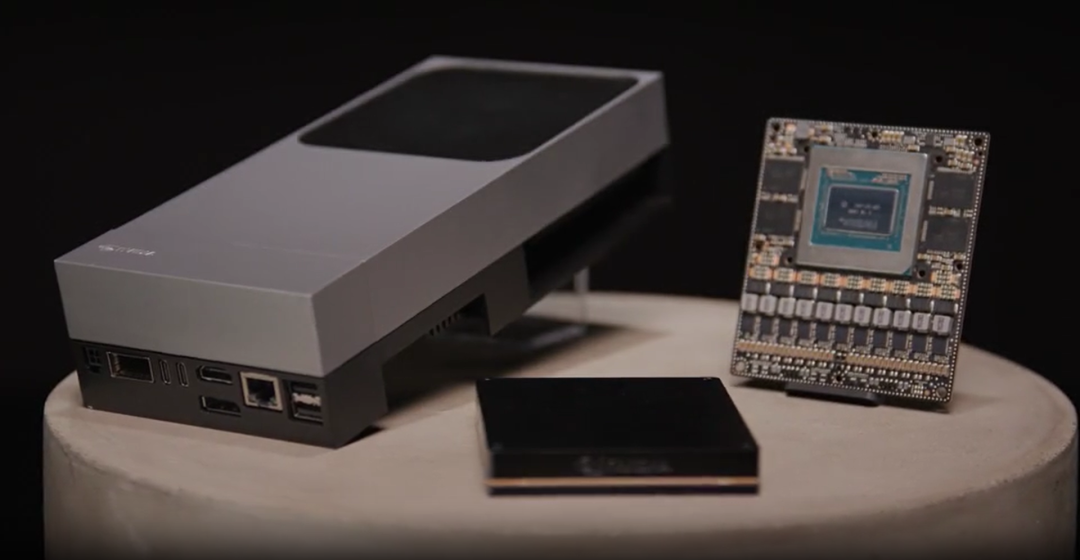
If you like it, please click ↘ to give us a 👍🏻 and ❤️ Last month,NVIDIA released its powerful new AI and robotics development kit NVIDIA Jetson AGX Thor.NVIDIA stated that this module provides supercomputer-level AI performance in a compact and energy-efficient design, enabling robots and machines to run advanced “physical AI” tasks—such as perception, decision-making, and control—locally and in real-time without relying on the cloud.It is powered by the complete NVIDIA Jetson software platform and supports all major AI frameworks and generative AI models. At the same time, it is fully compatible with NVIDIA’s software stack from cloud to edge, including NVIDIA Isaac (robot simulation and development), NVIDIA Metropolis (visual AI), and Holoscan (real-time sensor processing).NVIDIA believes that this platform addresses one of the most significant challenges in robotics: running multiple AI workflows, allowing robots to interact intelligently and in real-time with humans and the physical world. Jetson Thor unlocks real-time inference capabilities, which are crucial for performance-demanding physical AI applications, covering scenarios such as humanoid robots, agriculture, and surgical assistance.Despite the widespread attention Jetson Thor has garnered, it is not the only option on the market. Other players such as Intel’s Habana Gaudi, Qualcomm’s RB5 platform, and AMD/Xilinx adaptive SoCs are also targeting edge AI, robotics, and automation systems.Below is a comparison of currently available edge AI robotics platforms and their advantages:NVIDIA Jetson AGX ThorSpecifications and Advantages:Based on the NVIDIA Blackwell GPU, it offers up to 2,070 FP4 TFLOPS of computing power, equipped with 128 GB LPDDR5X memory, and a power range of 40–130 W. Compared to the previous generation Jetson Orin, AI computing power has increased by 7.5 times, and energy efficiency has improved by 3 times. It features 2,560 CUDA cores, 96 fifth-generation Tensor Cores, and supports Multi-Instance GPU technology. The system integrates a 14-core Arm Neoverse-V3AE CPU (1 MB L2 cache per core, 16 MB shared L3 cache), paired with 128 GB LPDDR5X memory, providing approximately 273 GB/s bandwidth. It also supports 1 TB onboard NVMe, and has robust I/O interfaces (including 100 GbE), optimized for real-time robotic workloads, and supports large language models (LLM) and generative physical AI.
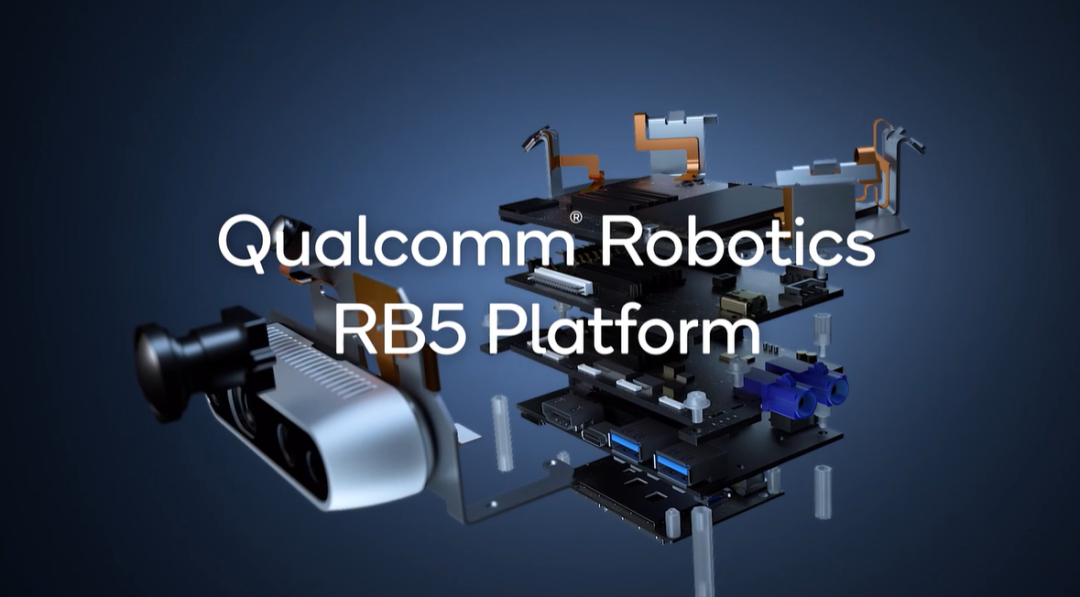
 Applications and Feedback:Several companies are currently conducting early pilots and evaluations, including Amazon Robotics, Boston Dynamics, Meta, Caterpillar, and projects from John Deere and OpenAI.Qualcomm Robotics RB5Specifications and Advantages:Equipped with the QRB5165 SoC, it combines an octa-coreKryo 585 CPU, Adreno 650 GPU, Hexagon tensor accelerator (providing 15 TOPS), multiple DSPs, and an advanced Spectra 480 ISP, capable of handling up to 7 concurrent cameras and 8K video. Connectivity is a highlight—integrating 5G, Wi-Fi 6, and Bluetooth 5.1 for remote low-latency operations. It includes a security processing unit that supports encryption, secure boot, and FIPS certification.
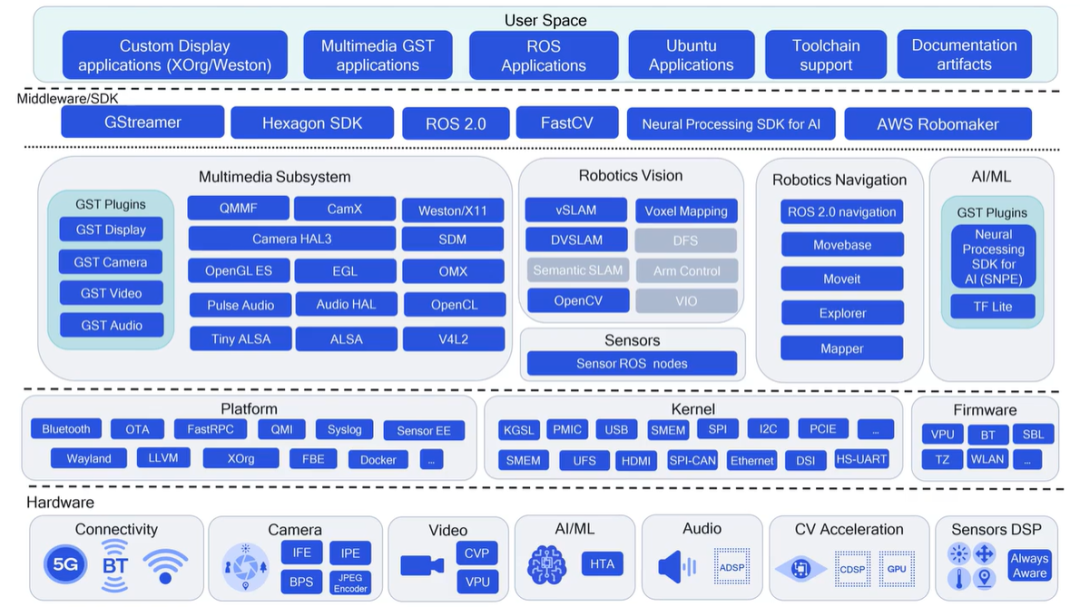
 Applications and Development Support:Suitable for SLAM, autonomous navigation, and AI inference tasks in robotics, and can also be used for drones. Supports Linux, Ubuntu, and ROS 2.0, providing a rich SDK for vision, AI, and robotics development.
 AMD Adaptive SoC and FPGA AcceleratorsKey Capabilities:AMD’s AI Engine ML (AIE-ML) architecture achieves higher TOPS/W through optimization for INT8 and bfloat16 workloads.
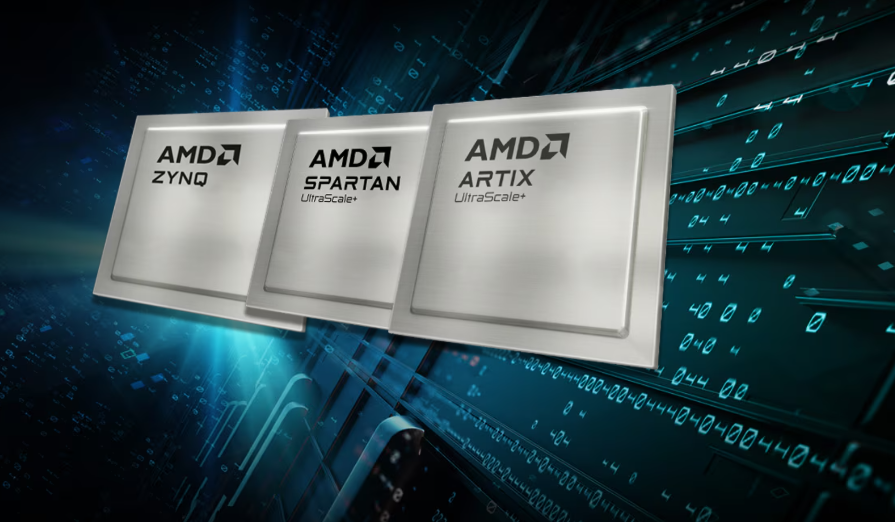 Innovation Highlights:The academic project EdgeLLM demonstrated superior performance in large language model tasks based on CPU–FPGA architecture (such as AMD/Xilinx VCU128), achieving 1.7 times higher throughput and energy efficiency up to 7.4 times better than the Nvidia A100.Drawbacks:Strong performance, but requires specialized development and lacks integrated robotics platforms and ecosystem support.Intel Habana GaudiPrimarily used for training in data centers, with limited applications in embedded robotics, mainly constrained by form factor.
#RobotBrains #NVIDIA #AMD #Intel
*This article’s materials and information sources include: How does NVIDIA’s Jetson Thor compare with other robot brains on the market? https://www.therobotreport.com/how-does-nvidias-jetson-thor-compare-with-other-robot-brains/, if there are copyright issues, please contact us for deletion or cooperation.
Recommended Previous Articles: