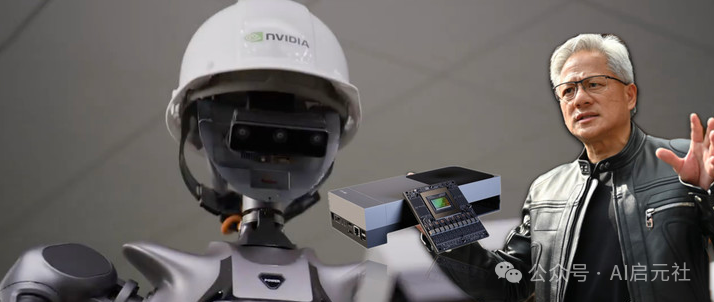
When AI meets the physical world, how to enable machines to perceive, decide, and act like humans has become a challenge that global tech giants are striving to overcome in the wave of artificial intelligence transitioning from virtual to reality.The latest NVIDIA Jetson Thor developer kit, built on the Blackwell architecture GPU and a full-stack software ecosystem, is referred to as an “edge AI performance monster,” injecting a “booster shot” into the fields of physical AI and humanoid robotics.
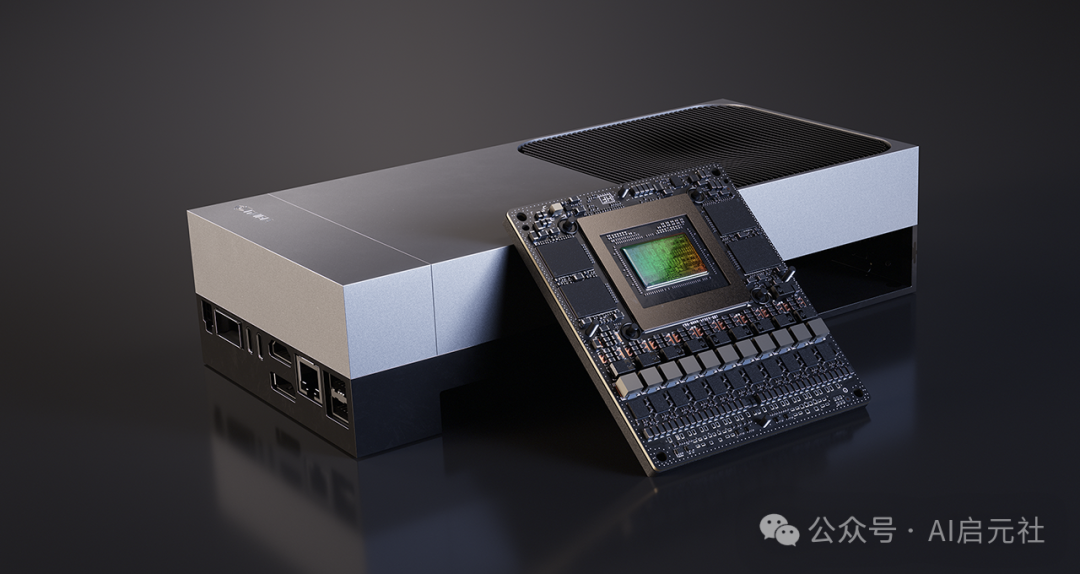
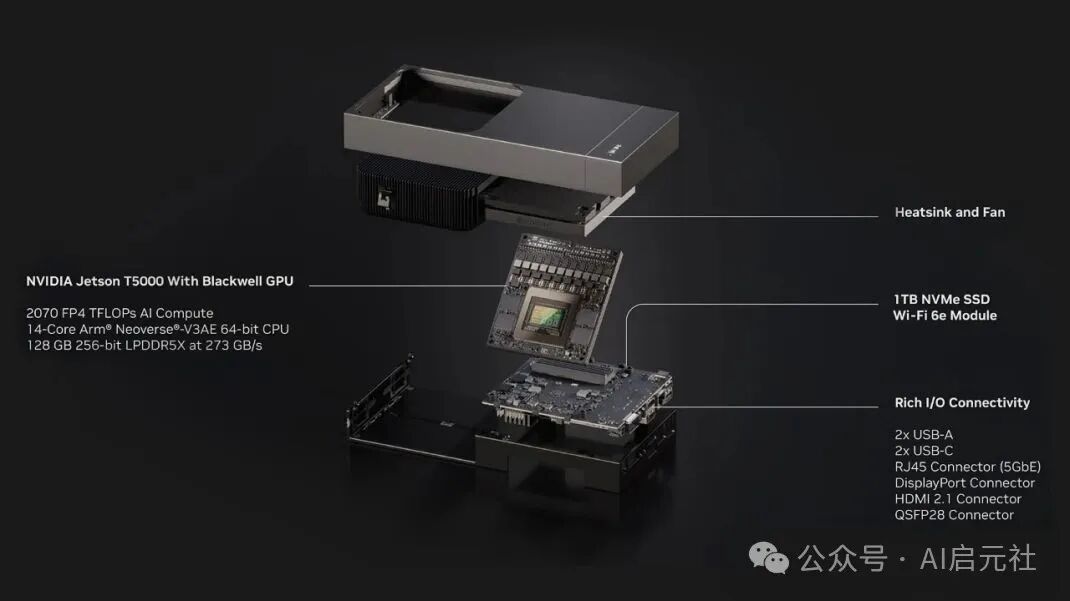
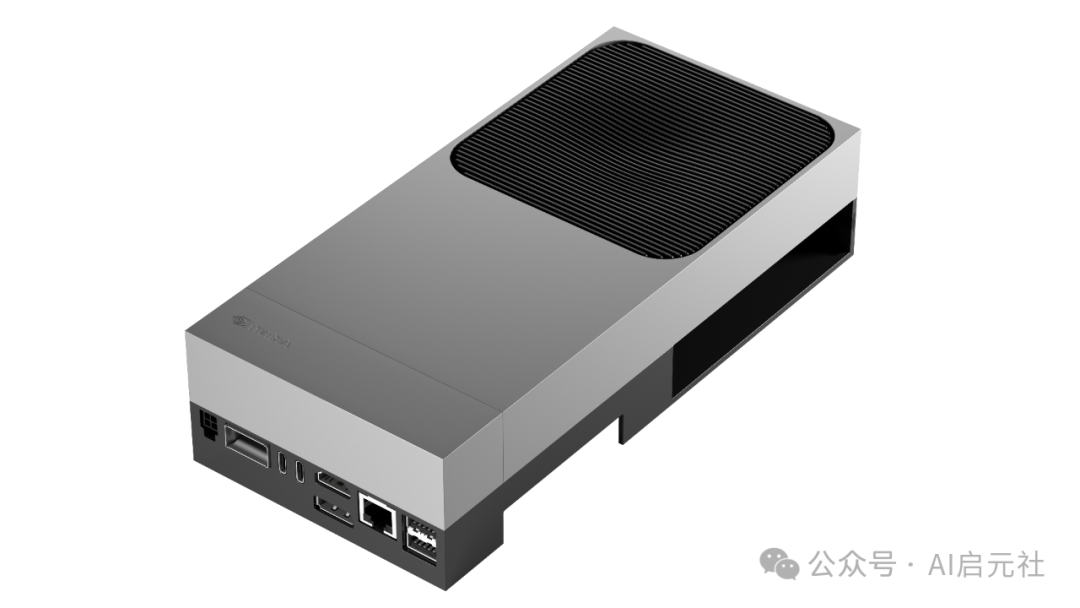
The NVIDIA® Jetson AGX Thor™ developer kit offers exceptional performance and scalability. Powered by the NVIDIA Blackwell GPU and 128 GB of memory, it delivers up to 2070 FP4 TFLOPS of AI computing performance, easily running the latest generative AI models, with a power consumption range of 130 W. Compared to the NVIDIA Jetson AGX Orin™, its AI computing performance and energy efficiency have improved by 7.5 times and 3.5 times, respectively.
The NVIDIA Jetson Orin™ Super developer kit is a compact yet powerful computer that redefines generative AI for small edge devices. The NVIDIA AI software and extensive AI software ecosystem provide an affordable and accessible platform for developers, students, and makers, priced at just $249.
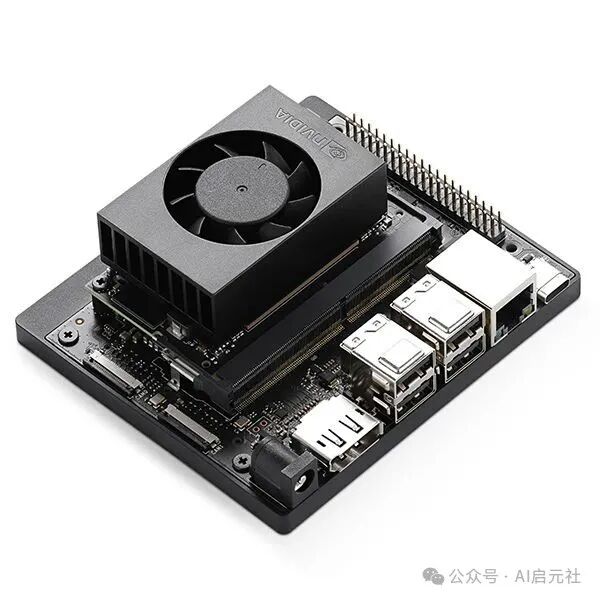
The NVIDIA Jetson AGX 64GB Orin developer kit shares a SoC architecture with all Jetson Orin modules, allowing the developer kit to simulate any module, making it easy to start developing the next product. This developer kit is compact, has multiple interfaces, and offers AI performance of up to 275 TOPS, making it ideal for prototyping advanced AI robots and other edge AI devices.
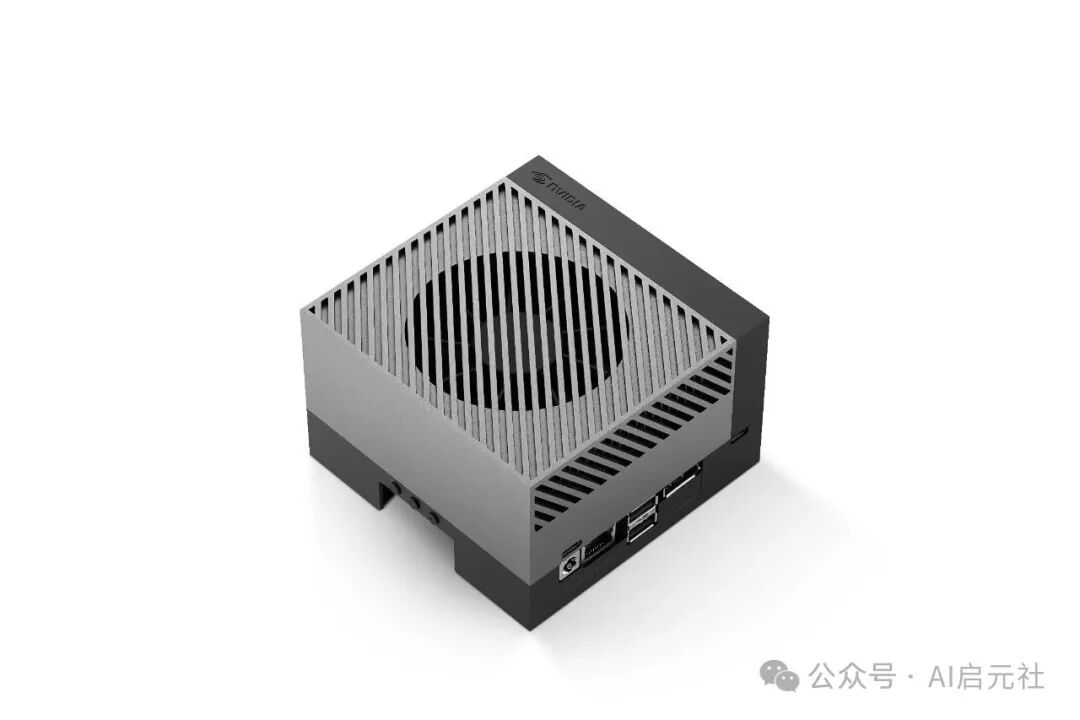
First, on a technical level, the Jetson Thor chip architecture has undergone revolutionary upgrades.
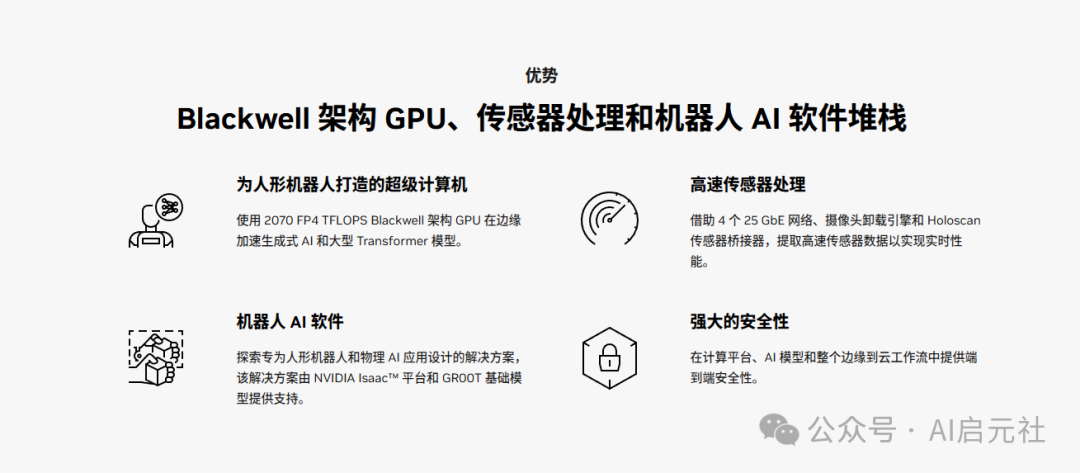
208 billion transistors, 4nm process: The Blackwell GPU in Jetson Thor is manufactured using TSMC’s 4nm process, integrating 208 billion transistors, supporting single GPU unified computing, with a performance increase of 7.5 times over the previous generation.
Fifth-generation NVLink: 1.8TB/s ultra-wide bandwidth: Through high-speed interconnect technology, 576 GPUs can work seamlessly together to meet the real-time inference needs of trillion-parameter large models.
Second-generation Transformer engine: Supports FP4/FP6 low-precision computing, with AI computing density breaking through 2070 TOPS (FP4 precision), and power consumption only 40W-130W, achieving industry-leading energy efficiency.
Hardware configuration designed specifically for humanoid robots.
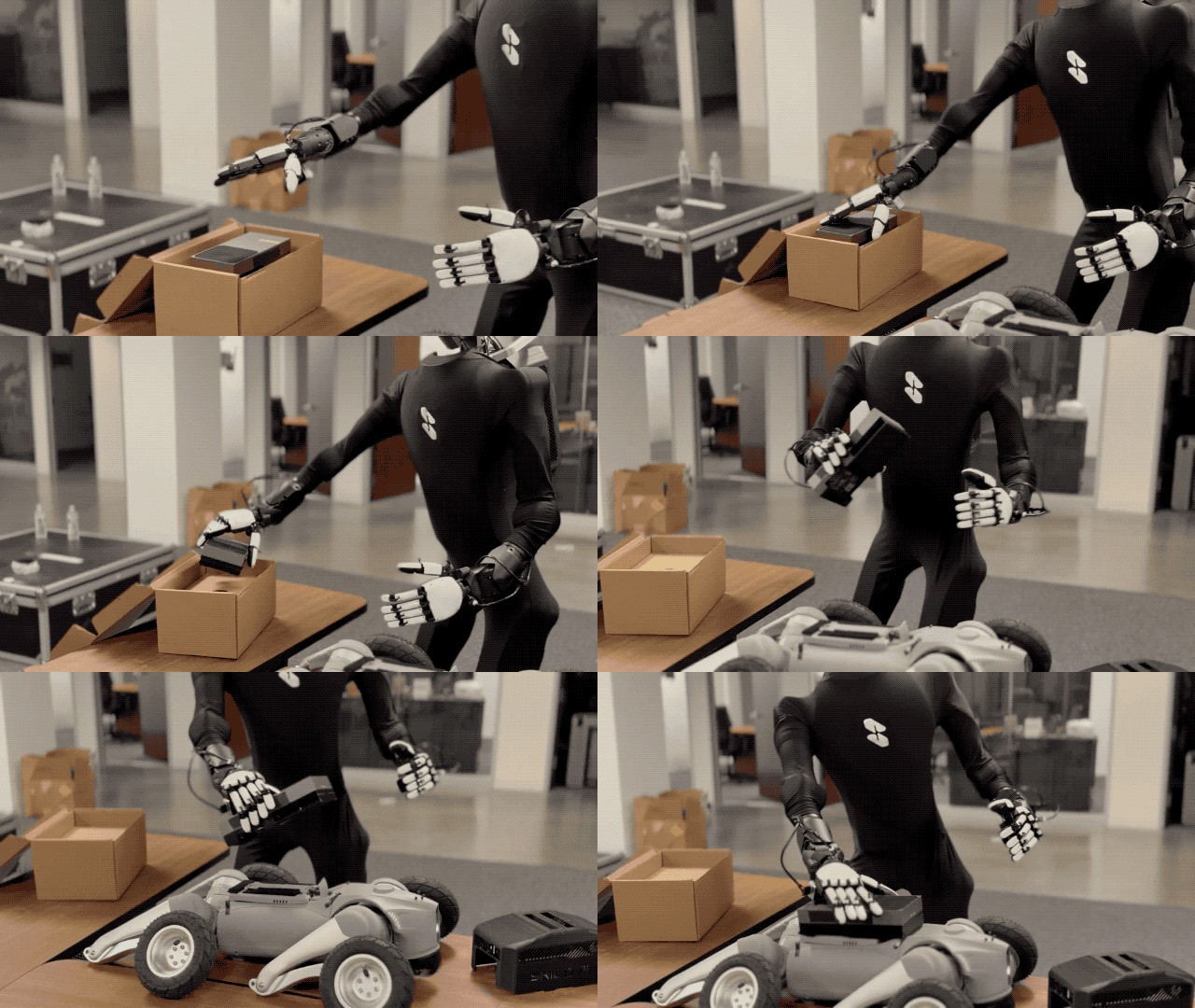
128GB LPDDR5X memory: The ultra-large bandwidth (273GB/s) supports the parallel operation of multiple models in complex scenarios, ensuring smooth operation from visual recognition to motion control.
Multimodal interface expansion: 4 25GbE network interfaces, HDMI 2.0b, WiFi 6E, easily connecting to sensors such as LiDAR, cameras, and microphones, achieving “eye-ear-hand” collaboration.
The use of Jetson Thor has also achieved “full scene coverage” in industrial applications.
Agility Robotics’ Digit: After integrating Jetson Thor, the sixth-generation Digit achieves real-time fusion of LiDAR and visual data in warehouse environments, dynamically adjusting its gait, improving handling efficiency by 40%.
Boston Dynamics’ Atlas: With edge AI acceleration, Atlas can autonomously analyze terrain and plan actions, significantly enhancing balance capabilities in complex environments.
Yushu Technology’s robotic dog: Leveraging the powerful computing capabilities of Jetson Thor, the robotic dog reduces obstacle avoidance response time to 50ms in unstructured terrain, approaching human reflex speed.
Galaxy Universal’s Galbot G1 Premium: In industrial palletizing tasks, Galbot processes 3D point cloud data in real-time through Jetson Thor, accurately grasping irregular objects, achieving fluidity comparable to human workers.
UBTECH’s Walker S2: The world’s first humanoid robot supporting autonomous battery swapping, completing restocking and guiding tasks in retail scenarios, with a single working duration exceeding 12 hours.
United Imaging’s smart operating room: After processing multi-camera data through Jetson Thor, it provides surgeons with three-dimensional anatomical structure visualization, reducing surgical error rates to below 0.1mm.
Medtronic’s surgical robot: Through Holoscan sensor bridging technology, it synchronizes endoscopic and force feedback data in real-time, achieving “millimeter-level” minimally invasive operations.
In terms of software ecosystem, the full-stack toolchain of Jetson Thor lowers the barriers to AI development.
Isaac platform: A “one-stop solution” from simulation to deployment
GR00T foundational model: Supports visual-language-action (VLA) end-to-end training, allowing developers to directly call pre-trained models without building algorithms from scratch.
Cosmos Reason world model: Endows robots with “common sense reasoning” capabilities, such as understanding the physical law that “an inverted cup will spill water,” autonomously planning task steps.
Omniverse simulation: “Rehearsing the future” with digital twins
Virtual debugging reduces costs: Building a digital twin of a factory in Omniverse allows robots to complete millions of action tests in a virtual environment, reducing real-world deployment failure rates by 90%.
Synthetic data training: By generating highly realistic scene data (such as rainy or foggy weather, sudden obstacles), it addresses the challenges of real data collection and high annotation costs.
Real-time processing and safety: “Insuring” edge AI
Holoscan sensor fusion: Synchronously processes multimodal data from LiDAR, microphones, etc., with a latency of less than 10ms, ensuring rapid robot response to sudden situations.
Hardware-level security protection: Built-in TEE trusted execution environment and NVLink encrypted channels protect model copyrights and user data privacy.
Currently, official data shows that over 2 million developers worldwide are using NVIDIA technology to accelerate robot development work. Watch the developer kit operation guide to start using Jetson Thor immediately.
In summary, from technological breakthroughs to ecosystem building, Jetson Thor is not just a hardware product but also a “strategic piece” in NVIDIA’s layout for the physical AI era. It transforms robots from “executing commands” to “autonomous decision-making,” from “laboratory toys” to “industrial productivity.” With over 500 global companies joining the testing, a trillion-level physical world market is being awakened.
In the future, when humanoid robots enter factories, hospitals, and homes, we may recall this summer of 2025—NVIDIA has redefined the way machines interact with the world with an edge chip.