Hello, friends! Today, let’s talk about a “tool” in the industry – the SP-831 differential pressure transmitter for wind pressure sensing. This device is renowned for its precision in micro pressure measurement, and many peers are using it, so we should discuss how to make it serve us better.
First, you need to know that the SP-831 differential pressure transmitter is not just any sensor. It employs advanced sensor technology to monitor wind pressure changes in real-time, with an accuracy that will surprise you. Despite its compact size, its impact is significant, especially in scenarios requiring precise wind pressure control, such as air conditioning systems and ventilation equipment.
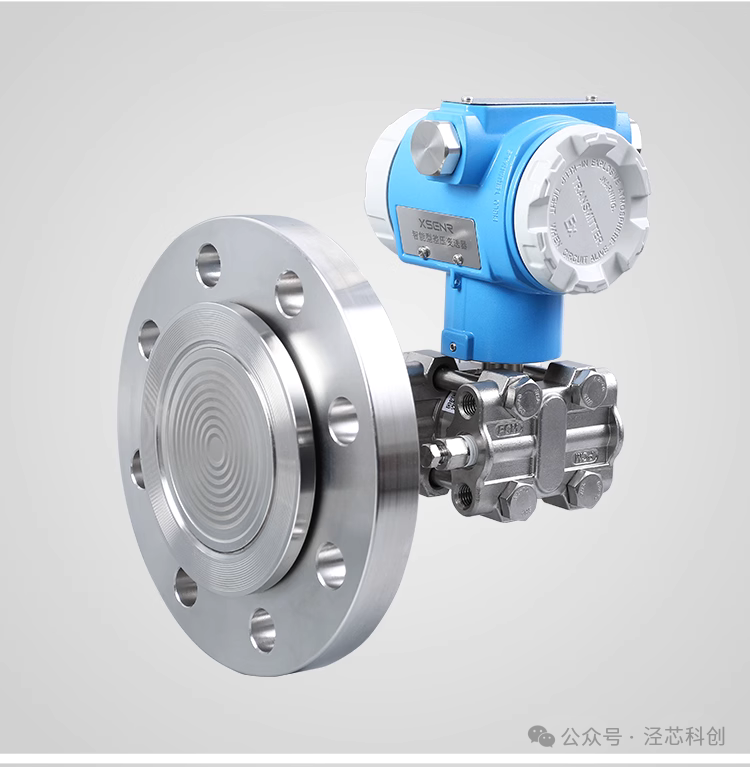
Let’s start with installation. Is the SP-831 differential pressure transmitter easy to install? The answer is: incredibly easy! First, you need to find a suitable location, preferably where wind pressure changes are significant. Then, connect the sensor to the transmitter and wire it to the control system. Done! Doesn’t it feel like a game?
But don’t get too excited; installation is just the first step. Next, you need to learn how to adjust it. The SP-831 differential pressure transmitter has the advantage of being adjustable for zero point and range to adapt to different working environments. For example, if you find that the measurement values are consistently high, you can adjust the range on the transmitter to better fit actual needs.
Now, let’s talk about maintenance. Although this sensor is durable, it can still encounter minor issues. For instance, the wires may get damaged due to friction, or dust may accumulate inside the sensor. Therefore, regularly checking the wires and the interior of the sensor to keep it clean is key to extending its lifespan.
Another point is data recording and analysis. The SP-831 differential pressure transmitter can transmit data in real-time, allowing you to utilize this data to optimize your system. For example, by analyzing historical data, you can predict trends in wind pressure changes and prepare in advance.
However, we should also discuss potential issues. For instance, sometimes the sensor’s accuracy may be affected by temperature changes. In such cases, you can install a temperature compensation device around the sensor or choose a sensor with better temperature stability.
Finally, I want to say that while the SP-831 differential pressure transmitter is useful, it is not a one-size-fits-all solution. You need to choose the appropriate model and specifications based on your actual needs. Don’t blindly pursue high-end products; sometimes, a cost-effective product can better meet your requirements.
Alright, that’s all for today. I hope these insights can help you make your work easier and more efficient. See you next time, friends! 👋💪