Hello, friends! Today, let’s talk about a practical industrial device—the HP-31E differential pressure transmitter. This device is a professional tool in the field of micro pressure measurement for wind pressure sensors, so let’s see how it excels in this area!
First, you need to know what the HP-31E differential pressure transmitter is. In simple terms, it is a sensor used to measure the pressure difference of fluids. Don’t underestimate this pressure difference; it directly affects our production efficiency and product quality. This device can accurately measure micro pressure differences under various working conditions. Isn’t it a “great helper”?
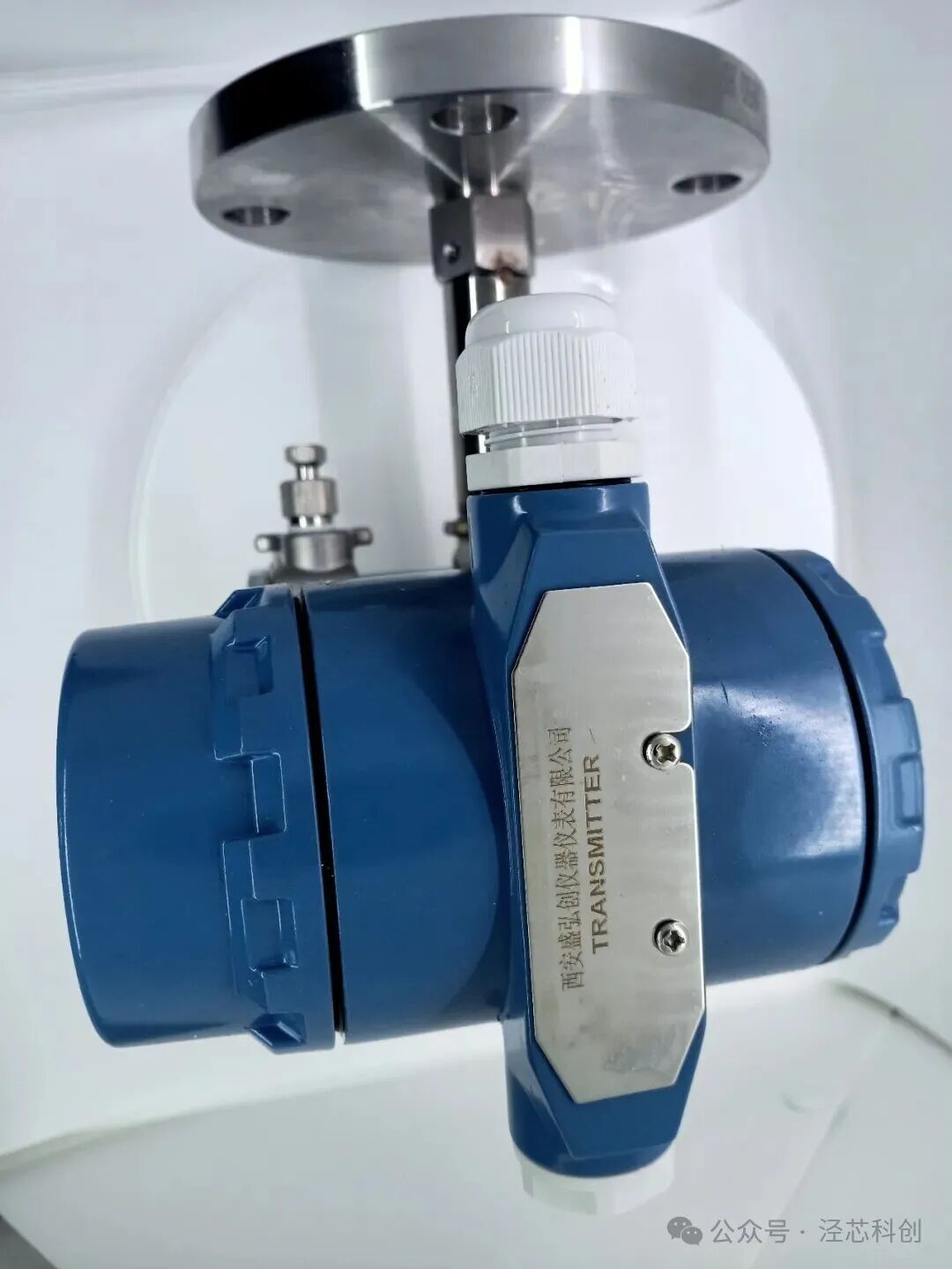
So, how do you operate the HP-31E differential pressure transmitter? Let me explain step by step.
Step 1: Installation. This device needs to be installed in a suitable location, preferably where the fluid flows smoothly. During installation, pay attention to the sealing of the connecting pipes to avoid measurement errors.
Step 2: Debugging. After installation, debugging is required. First, check whether the working voltage of the sensor is normal; secondly, adjust the zero point and range to ensure accurate measurement values.
Step 3: Calibration. To ensure measurement accuracy, regularly calibrate the HP-31E differential pressure transmitter. During calibration, you can use a standard pressure source for comparison, identify errors, and make corrections.
Step 4: Maintenance. This device also requires maintenance. Regularly check the sensor, pipes, and connecting components to ensure there is no damage or corrosion. If there is damage, replace it promptly.
So, how can we improve the measurement accuracy of the HP-31E differential pressure transmitter?
-
Select the appropriate measurement medium. Different media have different physical properties, which can affect measurement results. Therefore, when selecting a measurement medium, fully consider its physical properties.
-
Optimize the installation position. The installation position greatly affects measurement accuracy. Try to choose a location with smooth fluid flow and no interference for installation.
-
Select the appropriate sensor. The accuracy, sensitivity, and stability of the sensor directly affect measurement results. When purchasing a sensor, consider these factors comprehensively.
-
Regular calibration and maintenance. Regular calibration and maintenance can ensure measurement accuracy and extend the service life of the equipment.
Finally, let me share a little tip: when using the HP-31E differential pressure transmitter, be careful to avoid the following issues:
-
The fluid flow rate in the pipe is too fast, which can easily cause turbulence and affect measurement accuracy.
-
Presence of bubbles or deposits in the pipe can lead to measurement errors.
-
Improper installation position of the sensor, such as near elbows or valves, can affect measurement results.
In summary, the HP-31E differential pressure transmitter is a good choice in the field of micro pressure measurement for wind pressure sensors. As long as you master the correct operating methods, you can maximize its potential. Friends, let’s take action and let your equipment realize its value! 😄