

Core Differences and Implementation Principles of HTTP and HTTPS including technical details, parameter comparisons, and examples.

1. Core Differences Comparison Table
|
Feature |
HTTP |
HTTPS |
|
Protocol Nature |
Hypertext Transfer Protocol (Plaintext Transmission) |
HTTP over SSL/TLS (Encrypted Transmission) |
|
Default Port |
80 |
443 |
|
Transmission Security |
Data is exposed (can be eavesdropped/tampered) |
AES-256 and other encryptions (prevents man-in-the-middle attacks) |
|
Performance Overhead |
Low (Header overhead about500 bytes) |
High (TLS handshake increases2 timesRTT, transmission encryption increasesCPU load) |
|
SEO Impact |
No additional points |
Google prioritizes indexing ranking |
|
Certificate Requirement |
No certificate required |
Must deploySSL certificate (DV/OV/EV) |
|
Response Header Identification |
– |
HTTP/2 + Strict-Transport-Security |
2. Implementation Principles of HTTPS
1. Encryption and Authentication Process (TLS 1.3)
ServerClientServerClientClientHello (Supported algorithm list + SNI)ServerHello (SelectECDHE_RSA/AES_256_GCM) sends certificate chain (including public keyPK_server)[Pre-shared key] + Session key encrypted transmissionFinished (Verification message)Finished (Encrypted communication starts)
Key Improvements (compared toTLS 1.2):RTT reduced from2 times to 1 time, handshake time shortened by60%
2. Hybrid Encryption Principle
Key Exchange: Asymmetric encryption (ECDHE curve secp256r1)
Data Encryption: Symmetric encryption (AES-256-GCM), efficiency improved100x
3. Certificate System Technical Details
1. Certificate Hierarchical Structure
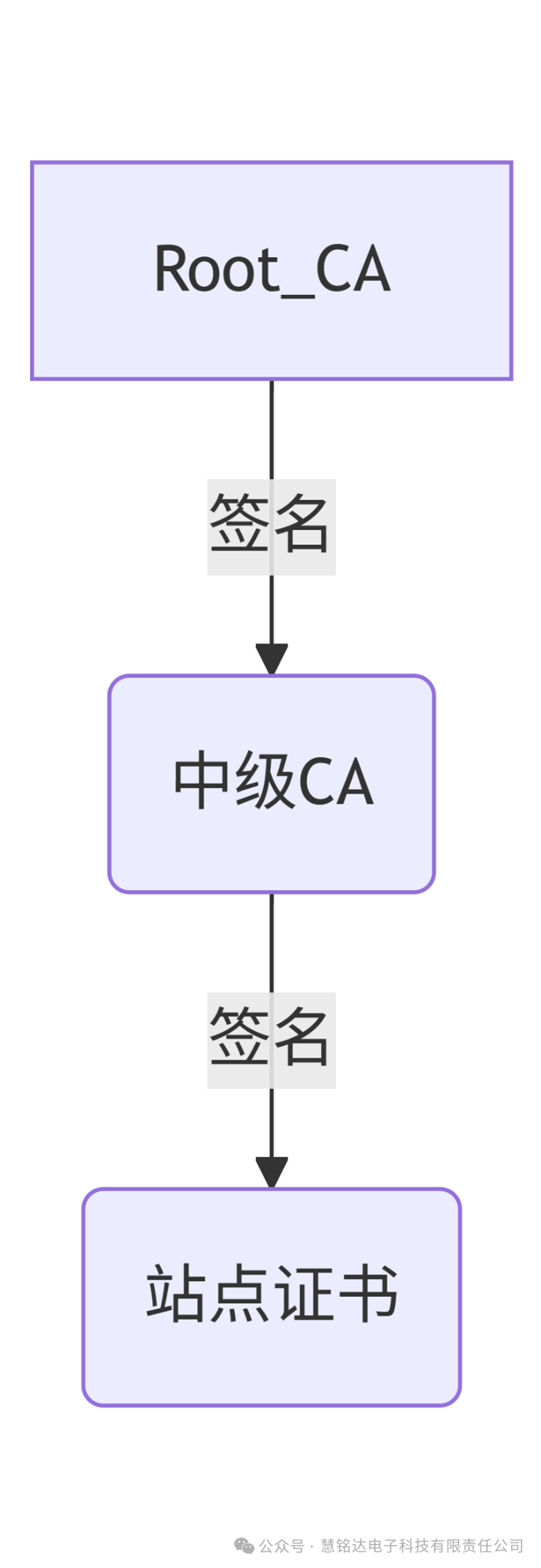
Trust Mechanism: Browsers have built-in100+ root certificates (such asISRG Root X1)
2. Certificate Verification Process
# OCSP Real-time verification command
openssl s_client -connect example.com:443 -status < /dev/null 2>&1 | grep “OCSP”
Time Consumption:
OCSP query: increases100~300ms delay
OCSP Stapling optimization: server pre-fetches response → delay reduced to0ms
4. Performance Comparison Test Data
|
Test Index |
HTTP/1.1 |
HTTPS (TLS 1.3) |
Difference Rate |
|
First Load Time (RTT=50ms) |
350ms |
420ms |
+20% |
|
Large File Transfer (1GB) Speed |
940Mbps |
850Mbps |
-9.6% |
|
CPU Usage (Gigabit Network) |
8% |
35% |
+337% |
|
Handshake Stage Power Consumption (Mobile) |
<5mAh |
≈15mAh |
×3 times |
5. Enterprise Practical Configuration Cases
Case1: E-commerce Platform HTTPS Optimization
Certificate Type: OV Certificate (Organization Validation)
Encryption Suite: TLS_AES_256_GCM_SHA384:ECDHE-ECDSA-AES256-GCM-SHA384
Performance Optimization:
1. EnableSession Resumption (Reuse rate > 80%)
2.Set HSTS header max-age=63072000; includeSubDomains
3.CDN accelerationTLS handshake (edge nodes cache certificates)
Case2: IoT Devices HTTPS Challenges
Problem: ESP32 microcontroller has only512KB
Solution:
UseECDSA 256 bit certificate (70% smaller thanRSA-2048)
EnableTLS 1.3 0-RTT mode (saves1 handshake)
Memory usage: from180KB to 45KB
6. Security Parameter Configuration
Best HTTPS Configuration for Nginx
ssl_protocols TLSv1.3 TLSv1.2; # DisableTLS 1.1 and below
ssl_ciphers ECDHE-ECDSA-AES256-GCM-SHA384:ECDHE-RSA-AES256-GCM-SHA384;
ssl_prefer_server_ciphers on;
ssl_session_timeout 1d;
ssl_session_cache shared:SSL:50m;
ssl_session_tickets off;
ssl_stapling on; # EnableOCSP Stapling
ssl_buffer_size 4k; # Reduce initial buffer
7. Deployment Notes
Mixed Content Blocking: HTTP resources (such as images/JS) in the page → browser displays yellow triangle warning
Certificate Validity:Let’s Encrypt certificates need to be renewed every 90 days → ACME automation script solution
Quantum Computing Threat: Future migration to quantum-resistant signature algorithms (such asCRYSTALS-Dilithium):

Original Statement: This article is for learning and communication purposes only and may not be used for commercial purposes without the author’s written permission. Chaoyang Huimingda Electronic Technology Co., Ltd.