In industrial settings, have you ever encountered the dilemma where remoteI/O modules are just a hundred meters away, yet due to electromagnetic interference, the data fluctuates? When production lines are too long, frequent packet loss occurs with copper cables, leading to downtime losses of tens of thousands? Don’t worry, today we will unveil theNaisun AutomationProfibus fiber converter, which is the “industrial communication savior” that addresses these pain points.
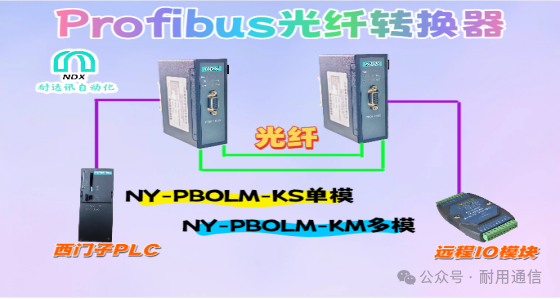
1. Master-Slave Pairing Logic: Who is the “Commander”, and who is the “Scout”?
The connection logic of the Naisun AutomationProfibus fiber converter is a “golden partner” in industrial communication, with clear division of roles between master and slave, precisely tailored to industrial control needs.
Master Station Connection: The converter’s electrical port (RS-485) directly interfaces with the PLC master station (such as SiemensS7-300/400, Schneider Quantum series), effectively equipping the control center with a “light signal transmitter”. The master station converts control commands, parameter configurations, and other electrical signals into optical signals through the converter, utilizing fiber optics for long-distance transmission, completely eliminating the troubles of electromagnetic interference.
Slave Station Connection: RemoteI/O modules (such as Siemens ET200, Phoenix I/O terminals) act as “data acquisition terminals”, connecting to another Profibus fiber converter via the electrical port. This converter plays the role of a “light signal receiver”, restoring the optical signals received from the fiber back into electrical signals, passing them to theI/O module for execution, while also returning the collected field data to the master station.
This architecture of “master station – converter – fiber – converter – remote I/O” enables lossless transmission of control signals, even over a distance of 20 kilometers, with signal delays controlled to the microsecond level.
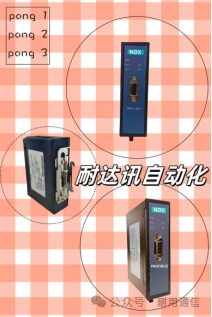
2. Practical Case: The “Miracle of Anti-Interference”
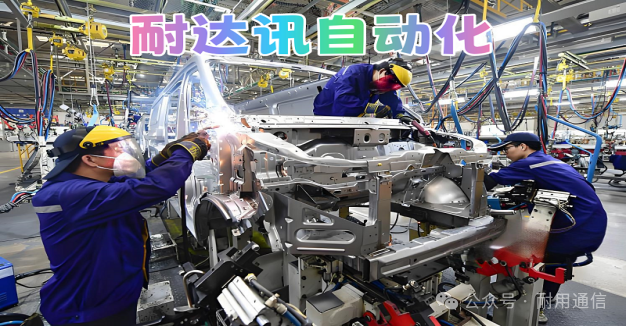
A certain automotive factory’s welding workshop was once plagued by issues: 12 welding robots paired with remoteI/O modules experienced a data packet loss rate of up to 3% due to proximity to high-frequency welding machines, leading to frequent welding deviations. After switching to theNaisun Automation Profibus fiber converter, the master station PLC connected the remoteI/O modules at both ends of the workshop via single-mode fiber, completely shielding against the strong electromagnetic interference generated by the welding machines, while extending the transmission distance from 100 meters of copper cable to 800 meters, reducing the packet loss rate to below 0.01%, and increasing the production line utilization rate by 15%.
3. Conclusion: The “Essential Tool”
The Naisun Automation Profibus fiber converter, with its clear and powerful anti-interference capability and ultra-long transmission distance, has become a core device for industrial remoteI/O communication. It not only solves the distance limitations and interference issues of traditional copper cable connections but also adapts to mainstream industrial equipment through the standardized Profibus protocol, widely used in various industries such as automotive, metallurgy, and petrochemicals. Whether for long-distance production line networking or precise control in high-interference environments, the Naisun Automation Profibus fiber converter can break communication barriers with its professional performance, making it a “stable player” in the field of industrial communication.