MQTT: Message Queuing Telemetry Transport

MQTT (Message Queuing Telemetry Transport) is a messaging protocol based on the publish/subscribe paradigm, defined under the ISO standard (ISO/IEC PRF 20922).The main features and applications of the MQTT protocol are as follows:
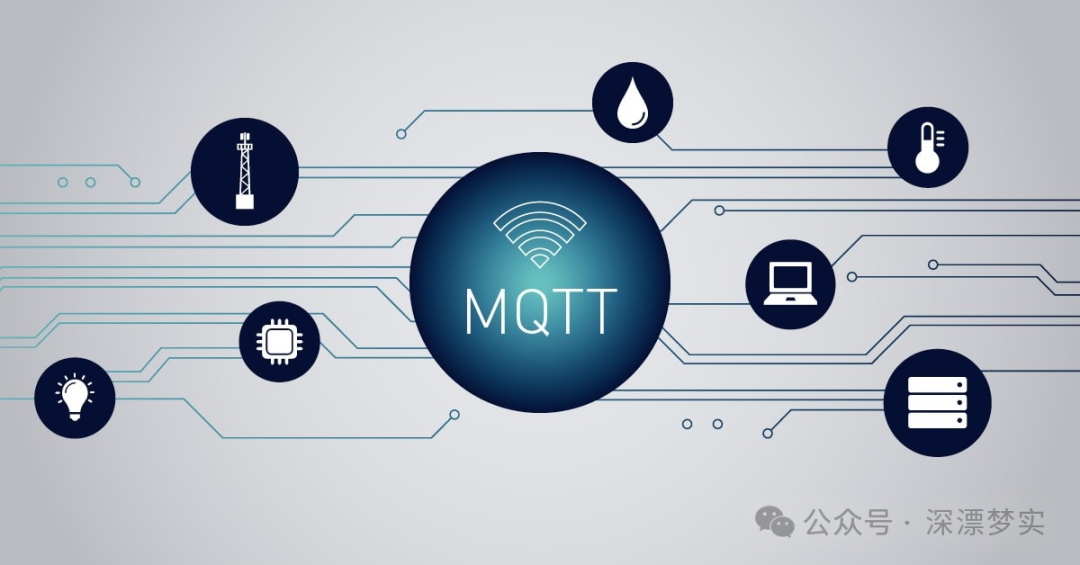
1. Features of the MQTT Protocol
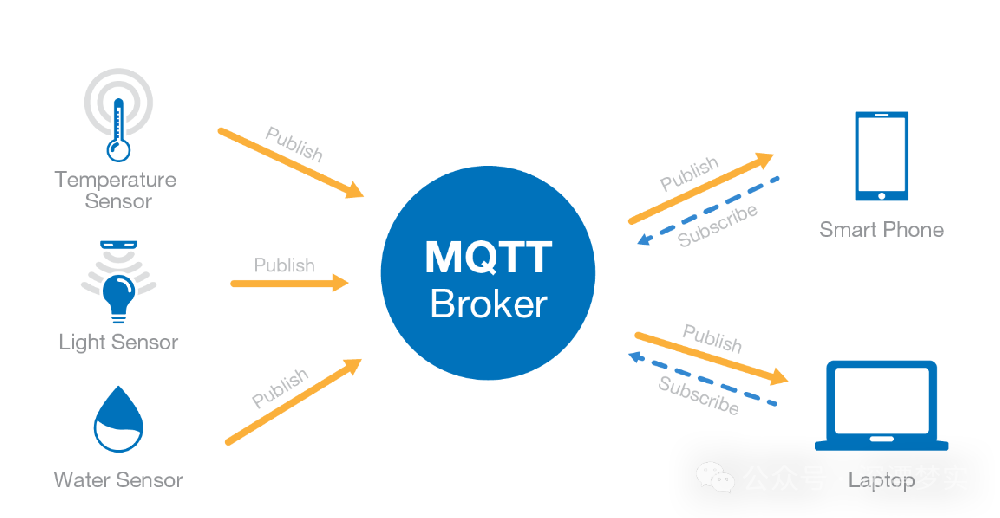
1. Lightweight and Simplicity:
The MQTT protocol is lightweight, simple, open, and easy to implement, making it suitable for resource-constrained devices such as embedded systems and sensors.
2. Publish/Subscribe Model:
MQTT adopts a publish/subscribe model, providing one-to-many message distribution, decoupling message publishers and subscribers, making message delivery more flexible and efficient.
3. Based on TCP/IP:
The MQTT protocol is built on top of the TCP/IP protocol suite, providing an ordered, reliable, and bidirectional network connection.
4. Message QoS: MQTT supports three levels of message Quality of Service (QoS):
QoS 0: At most once, messages may be lost.
QoS 1: At least once, guarantees message delivery but may result in duplicates.
QoS 2: Exactly once, guarantees that messages are delivered only once.
5. Small Transmission and Low Overhead:
MQTT has a small transmission overhead, with a fixed-length header of only 2 bytes, minimizing protocol exchanges, which helps reduce network traffic.
6. Last Will and Testament Feature:
The MQTT protocol also provides a Last Will and Testament feature to notify relevant parties in case of an abnormal client disconnection.
2. Applications of the MQTT Protocol
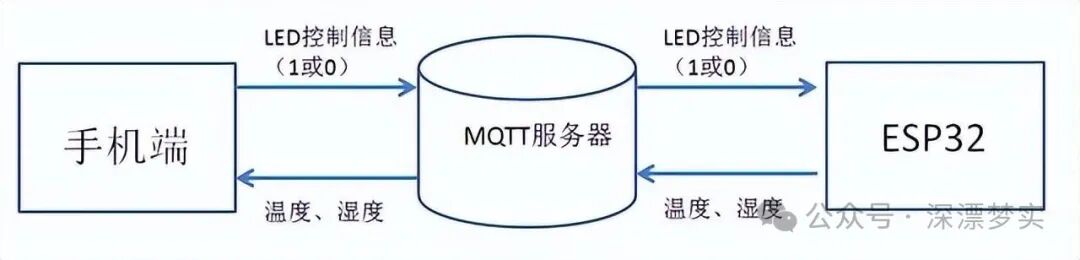
Due to its lightweight and efficient nature, the MQTT protocol has been widely applied in various fields, especially in the Internet of Things (IoT) and mobile applications:
1. Internet of Things (IoT):
MQTT is widely used in the IoT field, including smart homes, smart cities, and industrial automation scenarios. Through the MQTT protocol, IoT devices can exchange data in real-time and reliably, achieving interconnectivity.
2. Mobile Applications:
MQTT is also widely used in mobile applications for push notification features. Due to its low overhead and efficiency, MQTT can help mobile applications achieve real-time message notifications, enhancing user experience.
3. Embedded Systems:
For resource-constrained embedded systems, the MQTT protocol provides a lightweight and efficient communication method. These systems can exchange data with other devices via the MQTT protocol, enabling remote monitoring and control.
3. Future Development of the MQTT Protocol
With the continuous development of IoT technology, the application scope of the MQTT protocol will become increasingly broad. In the future, the MQTT protocol may continue to optimize its performance, improving the reliability and efficiency of message transmission. Additionally, with the proliferation of new communication technologies such as 5G, the MQTT protocol will be better suited to high-bandwidth, low-latency network environments, providing more efficient and reliable communication services for IoT devices.

In summary, the MQTT protocol, as a lightweight and efficient publish/subscribe messaging protocol, has broad application prospects in fields such as IoT, mobile applications, and embedded systems.
Follow WeChat Official Account: Deep Dream Reality for more valuable content sharing!