In the servo system sector, Inovance Technology leads with a market share of 32%, leaving Siemens, which holds only 9.2%, far behind. However, in the mid-to-large PLC (Programmable Logic Controller) market, Siemens dominates with an absolute advantage of 44.2%, while Inovance’s 5.1% market share ranks sixth, still in the chasing pack. This “executive layer leading, control layer chasing” dichotomy is a true reflection of the transformation and upgrading of China’s industrial automation industry—domestic brands have made breakthroughs in certain areas but still need to solve the “bottleneck” problem in high-end core technologies.
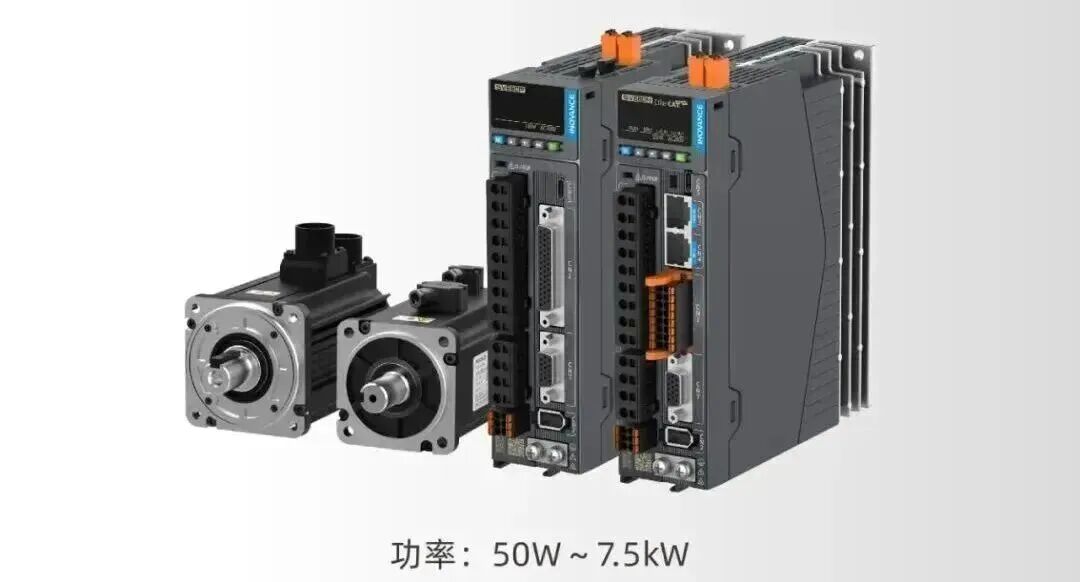
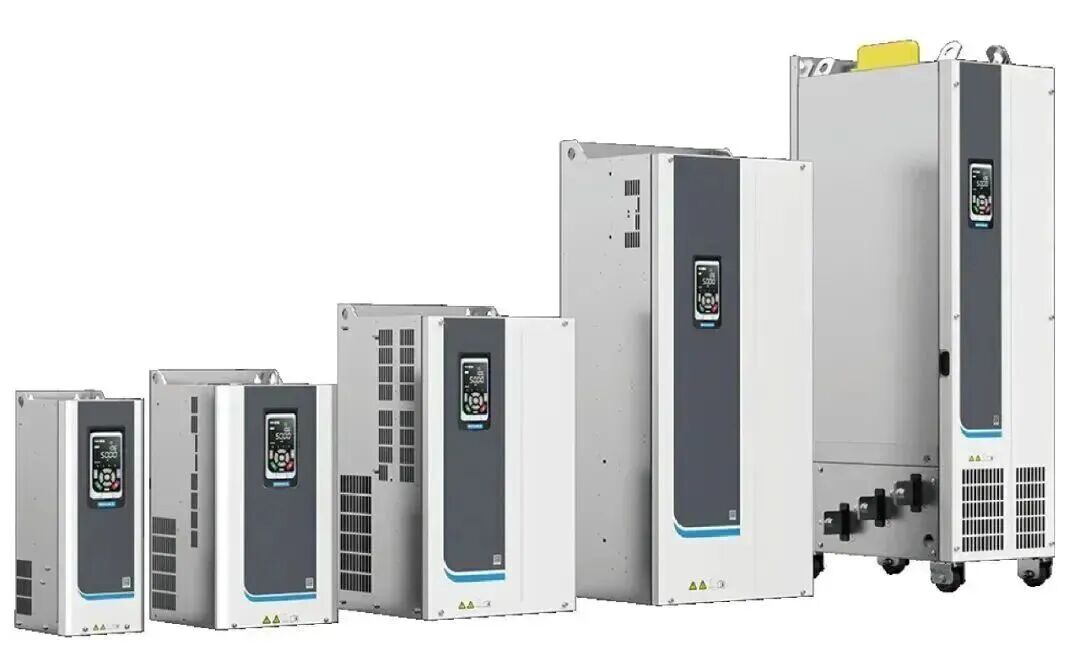
The resurgence of domestic brands in the servo system market is no coincidence. Inovance’s 32% market share is backed by a triple force of cost-effectiveness, service efficiency, and policy support. Compared to international brands, domestic brands have a significant price advantage, with hardware costs generally 20-30% lower, which aligns perfectly with the manufacturing industry’s urgent need for cost control in China. The localized service with a 72-hour rapid response also addresses the operational pain points that international vendors struggle to cover. Additionally, the policy dividends from the national self-controllable strategy make companies that prioritize supply chain security more inclined to choose domestic equipment. More importantly, as the “executive organ” of industrial automation, the technology barriers for servo systems are relatively controllable, and domestic brands have achieved “sufficient technology and standard experience” after years of accumulation. This logic also applies to the low-voltage inverter market, where Inovance has surpassed ABB (16.9%) and Siemens (15.2%) with a 22% share, confirming that domestic brands have firmly established themselves in the executive layer of equipment.
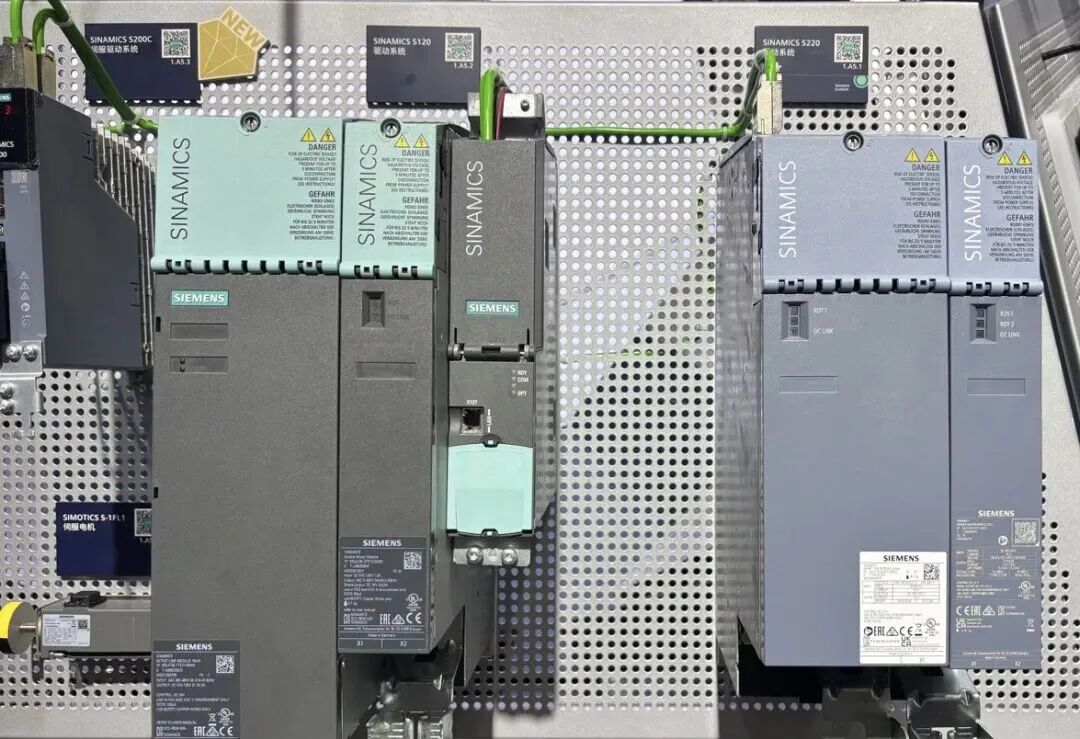
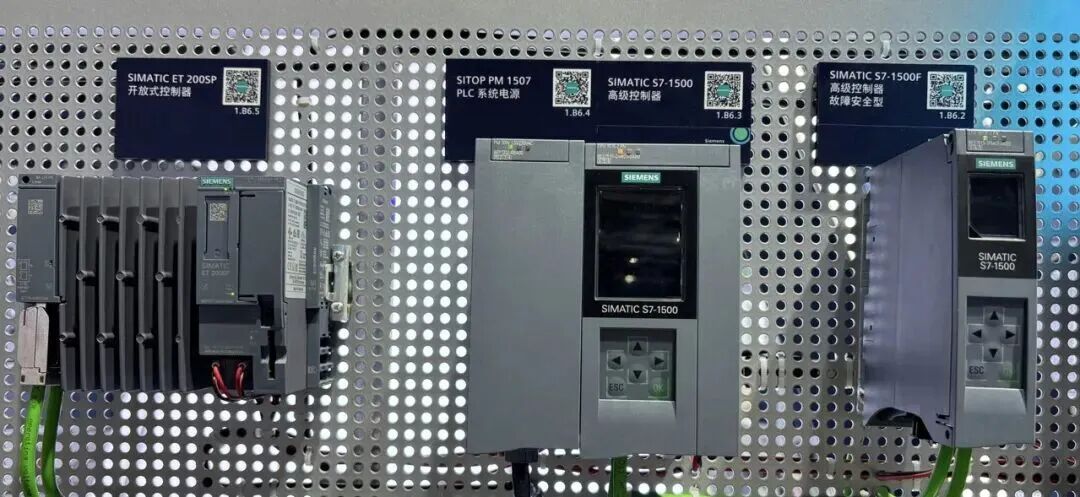
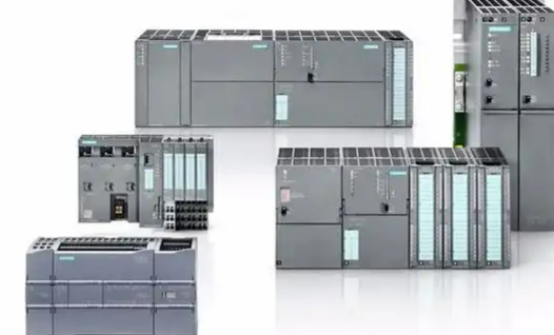
However, the core competitiveness of industrial automation ultimately lies in the control layer. PLCs, as the “brain” of industrial systems, represent a technological ceiling that domestic brands find hard to surpass. Mid-to-large PLCs need to handle complex logical operations and real-time control, with technology barriers covering high-end chips, real-time operating systems, and precision algorithms, each requiring decades of technological accumulation. Siemens’ long-standing 44.2% market share stems not only from its deep technological foundation but also from strong customer loyalty—once a factory adopts a certain brand of PLC, the entire control system, programming habits, and maintenance processes become deeply intertwined, making the cost of switching brands extremely high. Even in the small PLC market, Siemens’ 42.3% share remains far ahead, with Omron (9.6%) and Mitsubishi (7.1%) closely following, highlighting the depth of its technological moat.
It is encouraging to see that the ice of domestic substitution is beginning to crack. Facing a large PLC market worth 1.75 billion yuan, companies like Inovance, Kangjisen, and Aotuo Technology are ramping up efforts, opening new paths through full-stack self-research and differentiated competition. Inovance has launched large PLC products with functional safety, achieving process breakthroughs in industries such as photovoltaics and lithium batteries, and has received functional safety certification from TÜV Rheinland; Kangjisen’s safety control systems have been successfully applied in benchmark projects like the State Energy Group, meeting stringent SIL3 safety standards; Aotuo Technology has made core breakthroughs in national projects such as the Three Gorges Hydropower Station renovation and Qingdao Metro. Behind these advancements is the upgrade of domestic brands’ competitiveness from “price advantage” to “safety and controllability + localized service,” with lower hardware costs, more flexible responses, and more stable supply chains gradually allowing domestic PLCs to replace international brands in key areas such as energy, chemicals, and hydropower.
In 2024, China’s industrial automation market size has surpassed 280 billion yuan, and it is expected to reach 480 billion yuan by 2030, providing a broad stage for domestic breakthroughs. Inovance’s success in the executive layer proves that domestic brands have the capability to compete with international giants; however, the gap in the PLC field reminds us that there are no shortcuts to breakthroughs in core technologies. Currently, domestic PLCs are transitioning from “usable” to “user-friendly,” although there is still room for improvement in computational efficiency and fault-free operation time in ultra-large complex scenarios, AI empowerment and software ecosystem development have become new breakthrough directions.
The differentiated pattern of China’s industrial automation market not only showcases the growth resilience of domestic brands but also points to future challenges. The resurgence in the executive layer is a source of confidence, while the breakthroughs in the control layer are key. With the continuous advancement of technological autonomy and the ongoing improvement of the domestic ecosystem, this industrial breakthrough across technological barriers will ultimately propel China’s industrial automation from “scale expansion” to “quality leadership,” securing a core position in the global industrial chain.