
Friends in the industrial control industry may often come across a term—PLC, but those outside the industry may not be familiar with it.
Today, let’s take a look at what a PLC is.
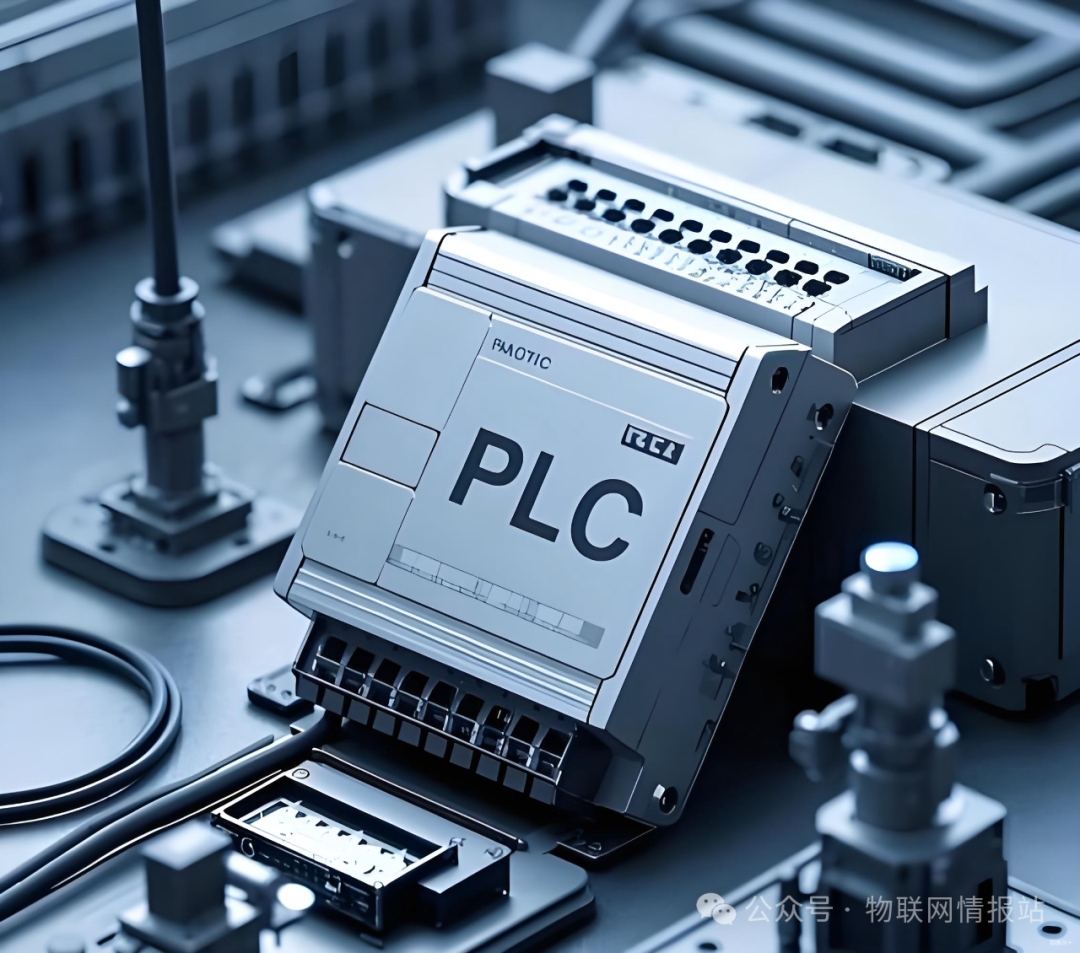
1. One-sentence definitionPLC (Programmable Logic Controller) is an “industrial computer” designed specifically for industrial scenarios. It achieves automated control of machines, production lines, and even entire factories by real-time scanning of input signals, executing user logic, and refreshing output signals.
2. Why was it born? — A revolution born from the “relay nightmare”In 1968, General Motors (GM) in the United States sought to eliminate the pain points of traditional relay control cabinets, which were “large, messy wiring, difficult to troubleshoot, and required rewiring for modifications,” by publicly bidding for a “solid-state programmable controller.” In 1969, Dick Morley’s team launched the world’s first PLC—Modicon 084.The core demands remain unchanged to this day:
-
Durable like a relay (-25 °C to +70 °C, dust, vibration, electromagnetic interference);
-
Programmable and modifiable like a computer;
-
Maintainable by field engineers like a point-and-shoot camera.
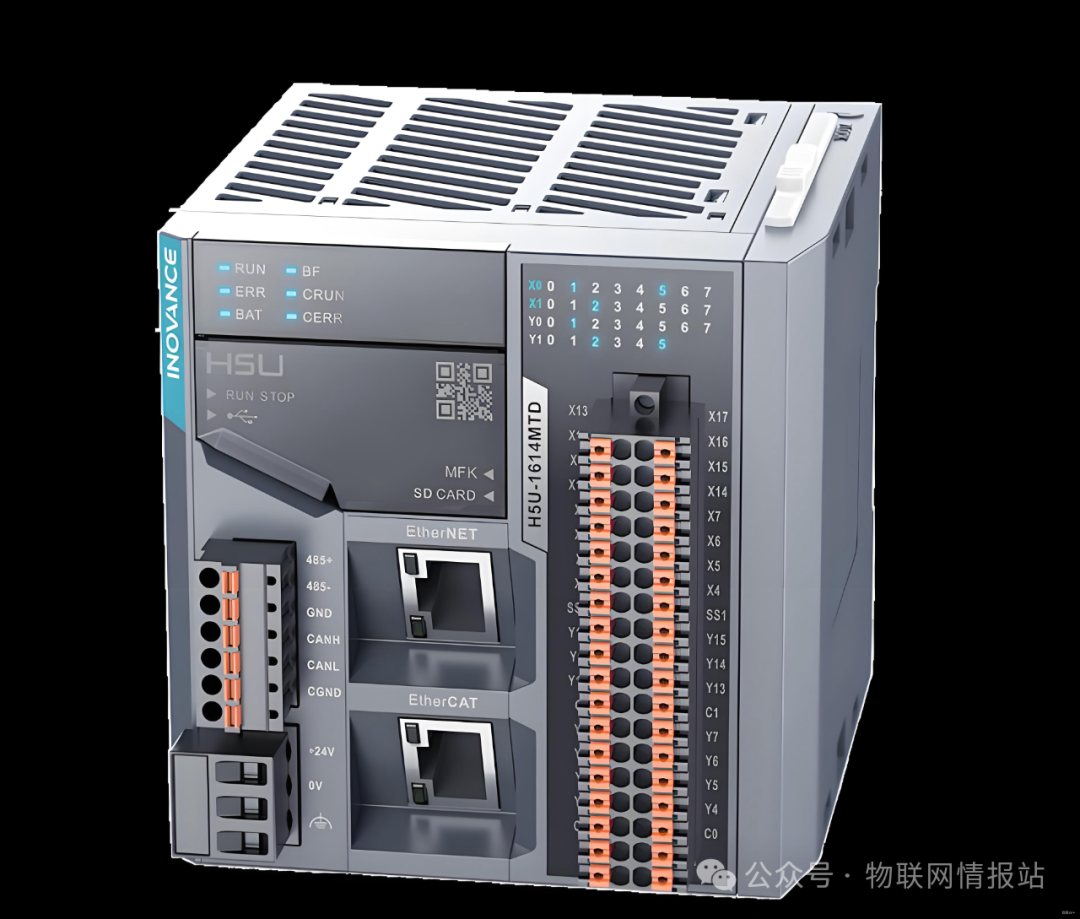
3. What does the hardware look like? — Building an industrial fortress with “four blocks”
-
CPU Module: Industrial-grade processor + real-time operating system, millisecond-level cyclic scanning;
-
Power Module: Converts 220 V AC or 24 V DC to internal 5 V/3.3 V, surge protection, and maintains operation for 10 ms during power loss;
-
I/O Module:• Digital DI/DO: 24 V switch signals, relays, solenoids;• Analog AI/AO: 0–10 V, 4–20 mA, thermocouples, thermistors, 16-bit precision;• Special Modules: High-speed counting, motion control, safety SIL3, redundant CPU;
-
Communication Module: Profinet, EtherNet/IP, EtherCAT, Modbus TCP/RTU, OPC UA, all in one network.
4. How is the software written? — “Drawing circuit diagrams” instead of codingThe five languages of the IEC 61131-3 international standard:
-
Contact Diagram (LD) — Most familiar to electricians, resembles relays;
-
Function Block Diagram (FBD) — Like building blocks, PID and motion control can be dragged directly;
-
Structured Text (ST) — Pascal syntax, a tool for complex algorithms;
-
Sequential Function Chart (SFC) — Flowchart thinking, suitable for steps and recipes;
-
Instruction List (IL) — Assembly style, gradually being phased out.Once written, it can be downloaded with one click. The CPU reads inputs, executes logic, and writes outputs in each scanning cycle, repeating this process, with the fastest cycle time under 50 µs.
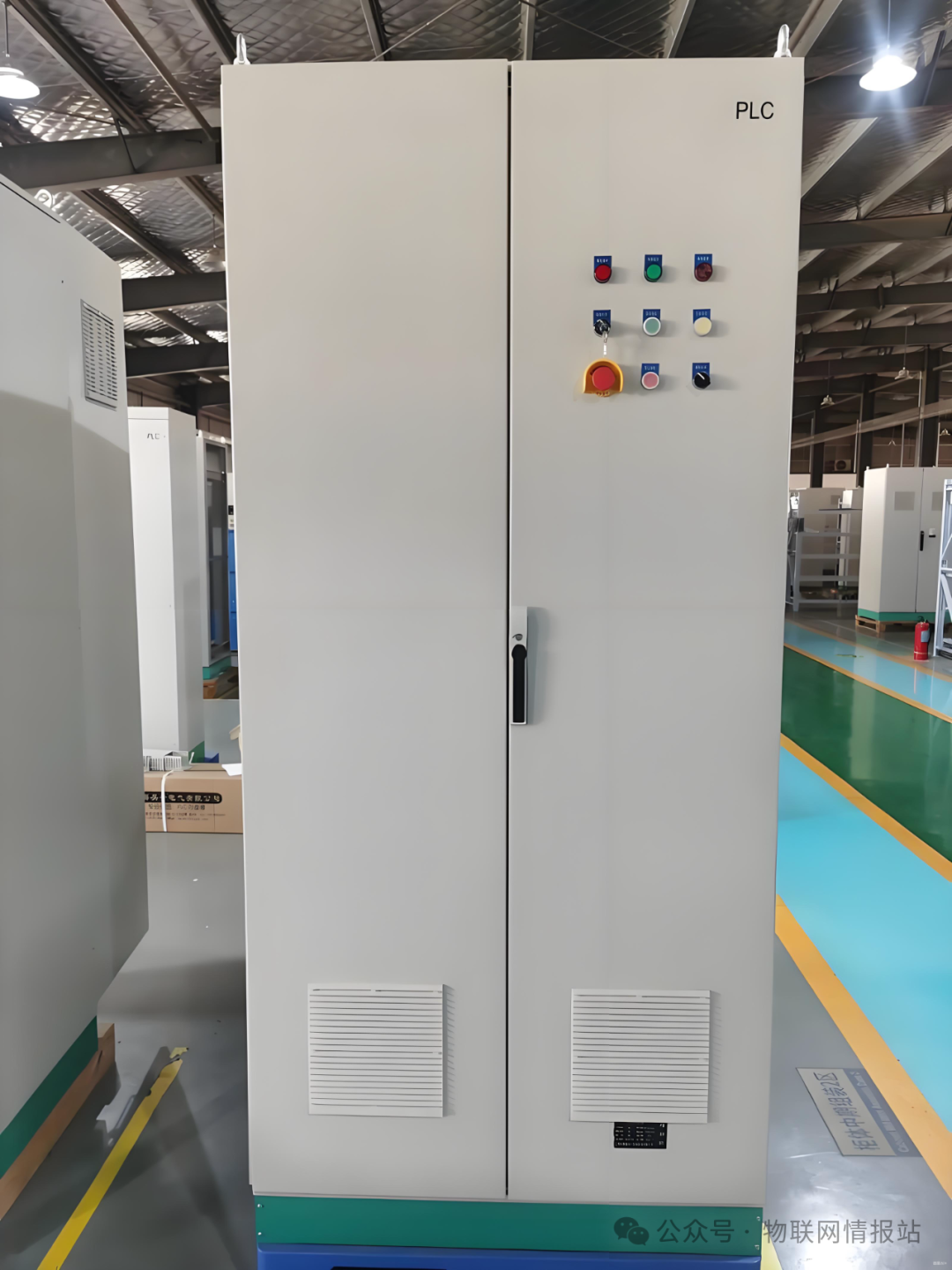
5. What can a PLC do? — From single machines to “unmanned factories”• Single machines: Injection molding machines, CNC machine tools, packaging machines;• Production lines: Automotive welding, food and beverage filling, battery module stacking;• Infrastructure: Elevators, air conditioning units, sewage treatment plants;• Smart logistics: Automated warehouses, AGV scheduling, express sorting lines;• Energy: Photovoltaic combiner boxes, wind turbine pitch control, auxiliary control for power plants.In short: as long as there are “sensors + actuators + process logic,” a PLC can be involved.
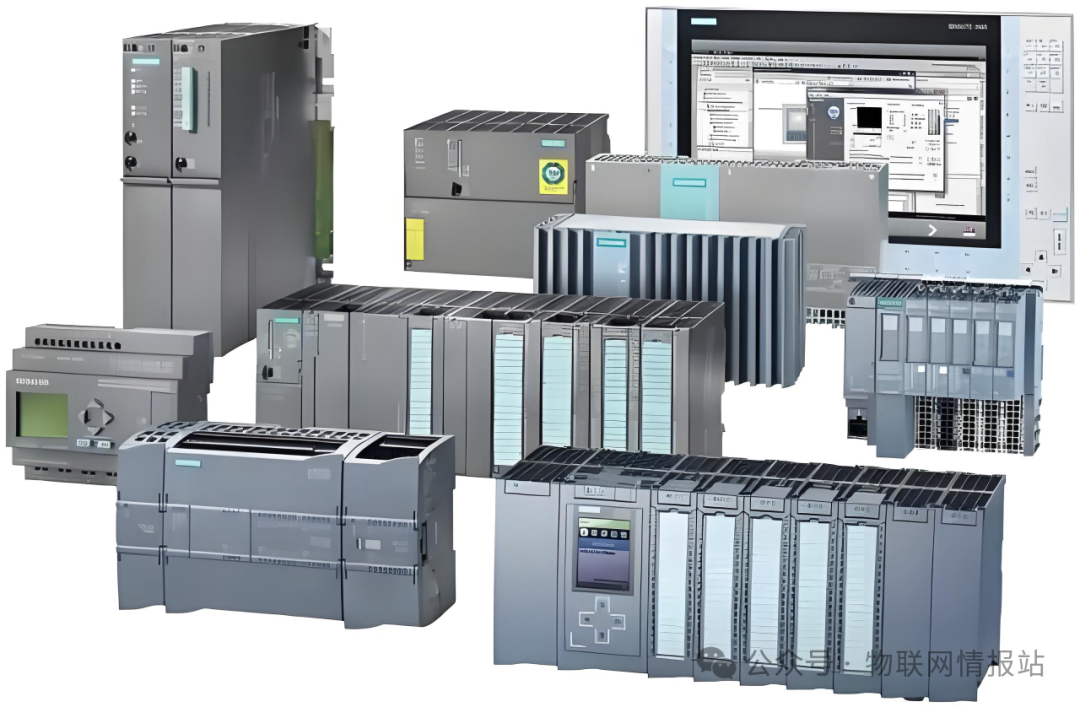
6. How does it differ from “the neighbors”?
-
vs Relay: PLC is programmable, reduces wiring, and occupies 1/10 of the space;
-
vs Microcontroller: PLC is directly resistant to interference, has modular I/O, and does not require low-level development;
-
vs IPC (Industrial PC): PLC has higher real-time performance, retains data during power loss, and has an MTBF of 100,000 hours;
-
vs DCS: DCS is more suited for process industries (chemical, thermal power) with continuous adjustments, while PLC is more suited for discrete manufacturing with high-speed logic, but the boundaries are being merged by PAC (Programmable Automation Controller);
-
vs Motion Controllers: High-end PLCs come with 128-axis EtherCAT synchronization, 1 µs jitter, and are already competing with traditional dedicated controllers.
7. Latest trends — “PLC is no longer just a PLC”
-
Soft PLC: x86 or ARM cores running real-time Linux + IEC runtime, halving hardware costs;
-
Edge PLC: Runs MQTT, Node-RED, Docker locally, with data directly uploaded to the cloud;
-
Open Automation: Schneider EcoStruxure, Phoenix PLCnext, supports Python, C++, and Git version management;
-
Safety PLC: SIL3/PLe level, redundant dual CPU cross-checking, safeguarding collaborative robots and stamping lines;
-
AI PLC: Built-in ONNX engine, millisecond-level inference for defect detection, encapsulating visual algorithms into function blocks, making it accessible for electricians.
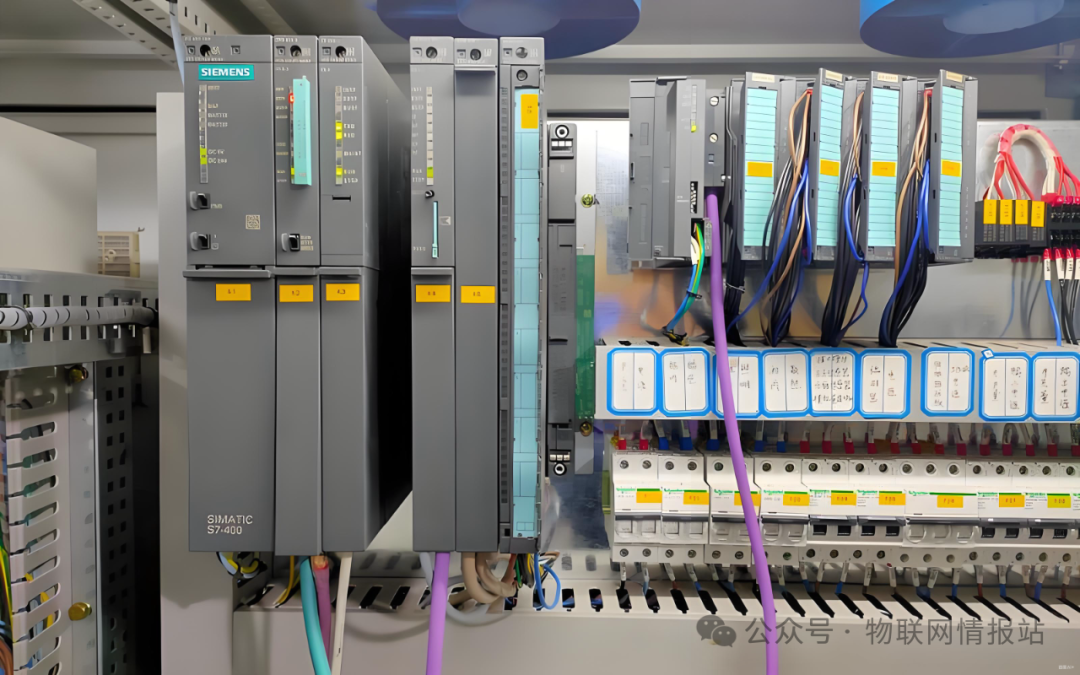
8. A quick example to get started in ten minutes — Making a motor rotate forward and backwardHardware: 24 V power supply + CPU 1212C + two buttons + one contactor;Contact Diagram:Rung 1: Forward button → self-locking forward coil → in series with the normally closed point of the reverse (interlock);Rung 2: Reverse button → self-locking reverse coil → in series with the normally closed point of the forward;Rung 3: Stop button → reset all coils.Download and run, press the button, and the motor will instantly rotate forward and backward; add two lines of timers to achieve an automatic cycle of “forward for 10 s → stop for 2 s → reverse for 10 s.” No soldering iron or C language required, electricians can complete it in 10 minutes.
9. How to choose? — Five key phrases
-
First, calculate the I/O points, how many digital/analog/high-speed counting;
-
Check real-time performance, scanning cycle < 1/10 of the fastest signal change in the process;
-
Select communication, if Profinet is already on-site, don’t force EtherCAT;
-
Leave a 20% margin to prevent the boss from asking for “additional features”;
-
Check the environment, select coated boards for high temperature and humidity, and choose Ex ia intrinsic safety type for explosive areas.
10. ConclusionFrom the “iron box” with 84 I/O points in 1969 to today’s edge controllers that can run AI while synchronizing 256-axis servos and directly communicating with cloud databases, PLCs are no longer just a simple “replacement for relays” but have become the underlying neural center of Industry 4.0.For field engineers, it is a tangible “building block”; for managers, it is a “translator” that allows equipment to communicate and data to flow; for the entire manufacturing industry, it is the “industrial brain” that defines processes through software and enhances efficiency through algorithms.Next time you walk into a factory and see that row of green RUN lights flashing in the cabinet, remember: this is the “heartbeat” of modern industry—PLC.
To learn more about IoT news, please click the link below to follow us!