
Research Background
 The global carbon neutrality goal is driving hydrogen energy to become the core of future clean energy systems. Electrochemical water splitting is a key pathway for sustainable hydrogen production, but traditional strong acid/strong alkali electrolytes have issues such as high corrosion and equipment costs. Neutral conditions (pH 3-11) offer advantages such as low corrosiveness, good material compatibility, and direct utilization of natural water sources, but face severe challenges including extremely low proton concentration, poor interfacial conductivity, and slow kinetics of water molecule dissociation, resulting in HER activity far below that of acid/alkaline systems. Therefore, there is an urgent need to develop advanced catalysts that can synergistically optimize multi-step reactions.
This article is supported by the “Yiban Editor” technology.

Innovative Points of the Article
 1. A comprehensive review of neutral HER multi-active site catalysts is presented for the first time, filling a gap in this field.2. In-depth analysis of the essential differences between neutral HER and acid/alkaline HER (double layer structure, proton source transformation, microenvironment effects).3. From dual-site to high-entropy alloys, a systematic summary of the structure-activity relationships of various multi-active site catalysts is provided.4. Special emphasis is placed on the engineering challenges and solutions for transitioning from three-electrode laboratory tests to practical MEA electrolyzer applications.
This article is supported by the “Yiban Editor” technology.

Illustrative Interpretation

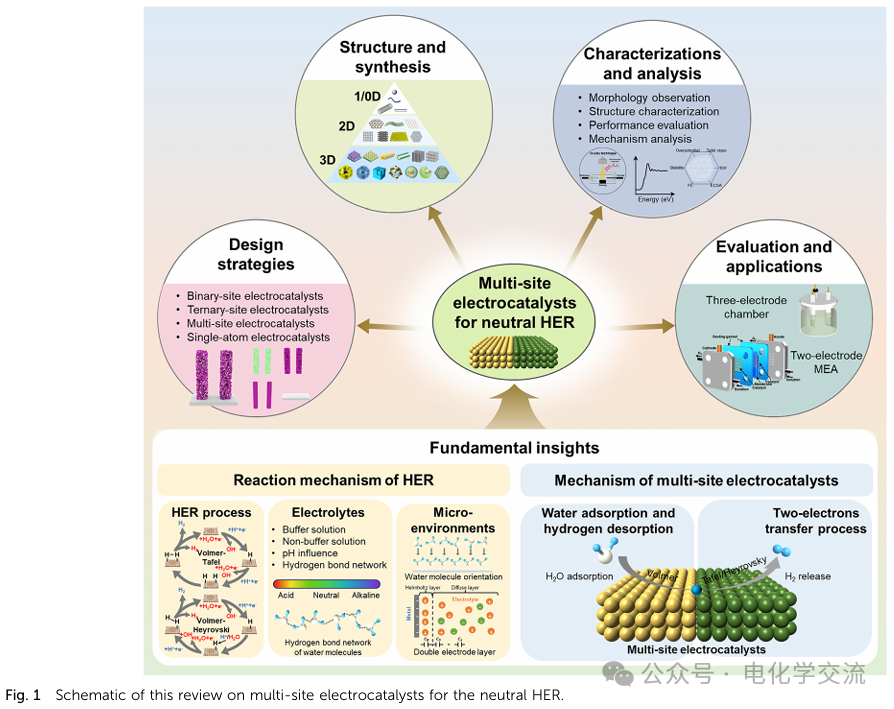 Figure 1 illustrates the overall framework of the review, summarizing the challenges faced by neutral HER, the design of multi-active site catalysts (from binary to high-entropy systems), structural engineering for synthesis, advanced characterization techniques, and the complete research chain for practical electrolyzer conversion.
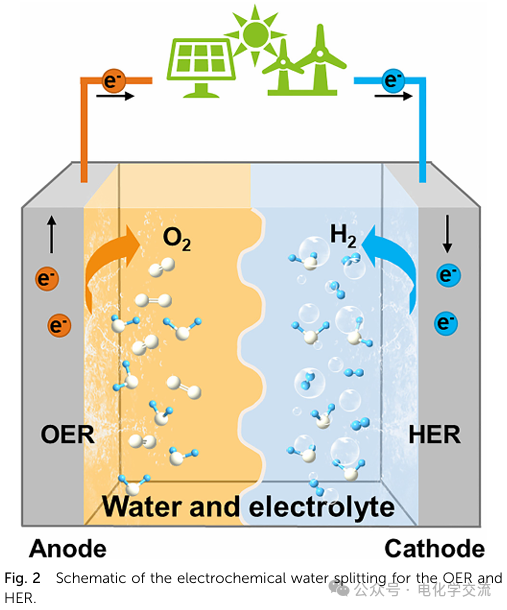 Figure 2 shows the schematic of electrochemical water splitting, displaying the two half-reactions of anodic OER and cathodic HER, emphasizing the two-electron transfer process involved in HER (Volmer, Tafel, Heyrovsky steps).
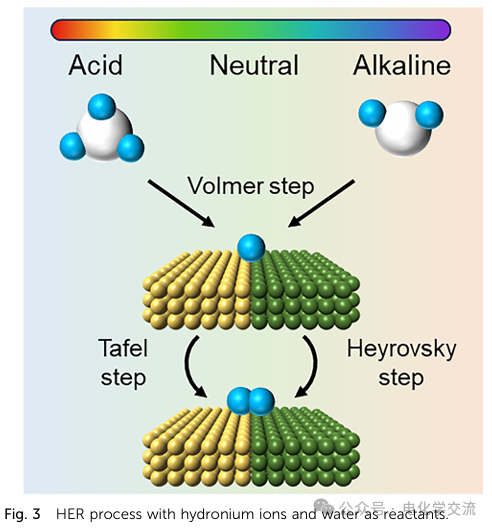 Figure 3 compares the HER process under different pH conditions, highlighting that in acidic conditions, H₃O⁺ serves as the proton source, in alkaline conditions, H₂O serves as the proton source, and in neutral conditions, it is a mixed reaction system (H₃O⁺ dominates at low potentials, while H₂O dominates at high potentials), with the neutral medium exhibiting the slowest kinetics due to a thick diffusion layer and weak electric field.
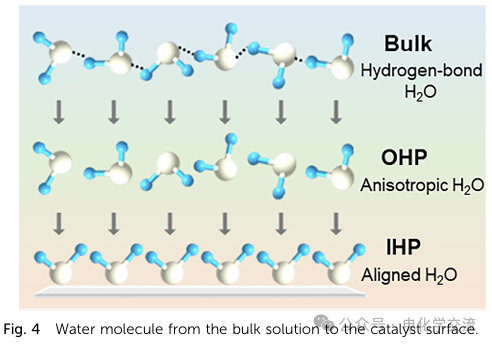 Figure 4 illustrates the migration process of water molecules from the bulk phase to the catalyst surface, consisting of three stages: bulk hydrogen bond network dissociation → diffusion to the outer Helmholtz plane (OHP) → redirection at the interface (H atoms oriented towards the surface). The energy consumption of these pre-adsorption steps is often overlooked but is crucial for neutral HER.
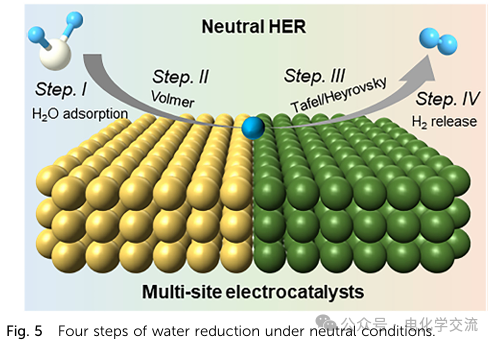 Figure 5 outlines the four fundamental steps of water reduction under neutral conditions: 1) water molecule adsorption 2) Volmer step (water dissociation) 3) Tafel/Heyrovsky steps (H₂ formation) 4) H₂ release, emphasizing that multi-site catalysts can achieve functional separation for each step.
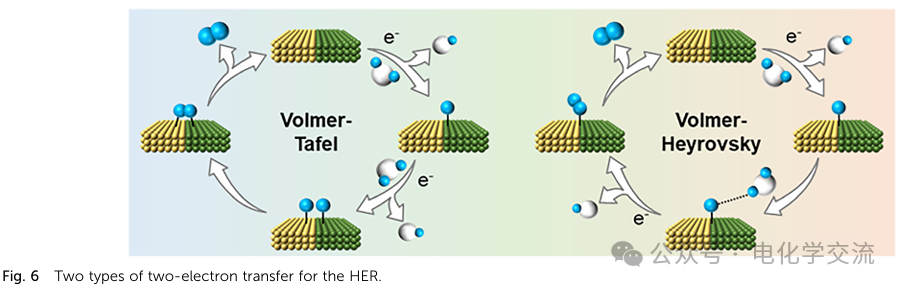 Figure 6 illustrates the two electron transfer pathways for HER: Volmer-Tafel (two *H directly couple) and Volmer-Heyrovsky (*H reacts with H₂O), indicating that multi-site design is particularly important for optimizing the Heyrovsky pathway.
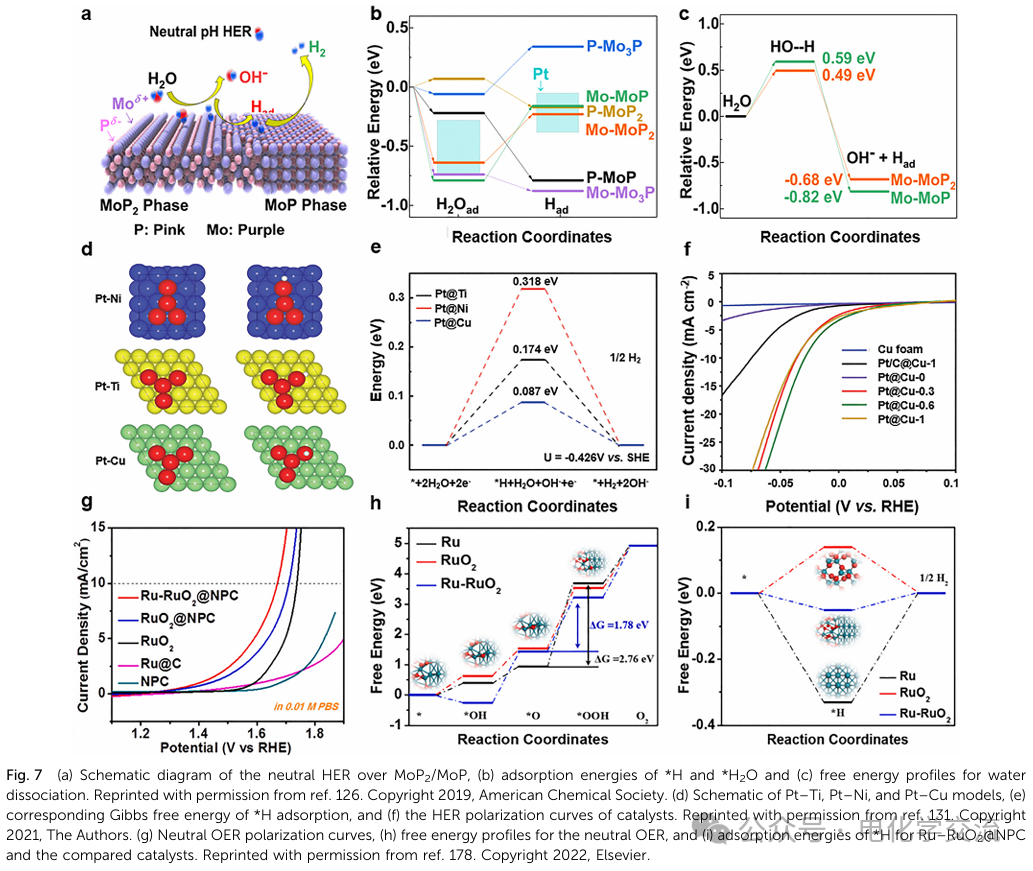 Figure 7a-c: MoP₂/MoP bifunctional catalyst, MoP₂ promotes water dissociation (low energy barrier of 0.49 eV), MoP optimizes hydrogen recombination (weak H adsorption), achieving a synergistic performance of 196 mV@10 mA/cm².d-f: Pt-Cu dual-site regulation of *H adsorption energy to near thermoneutral (0.087 eV), [email protected] requires only 28 mV overpotential.g-i: Ru-RuO₂ bifunctional catalyst, Ru site optimizes *OOH adsorption (energy barrier of 1.78 eV), achieving excellent dual activity for HER/OER.
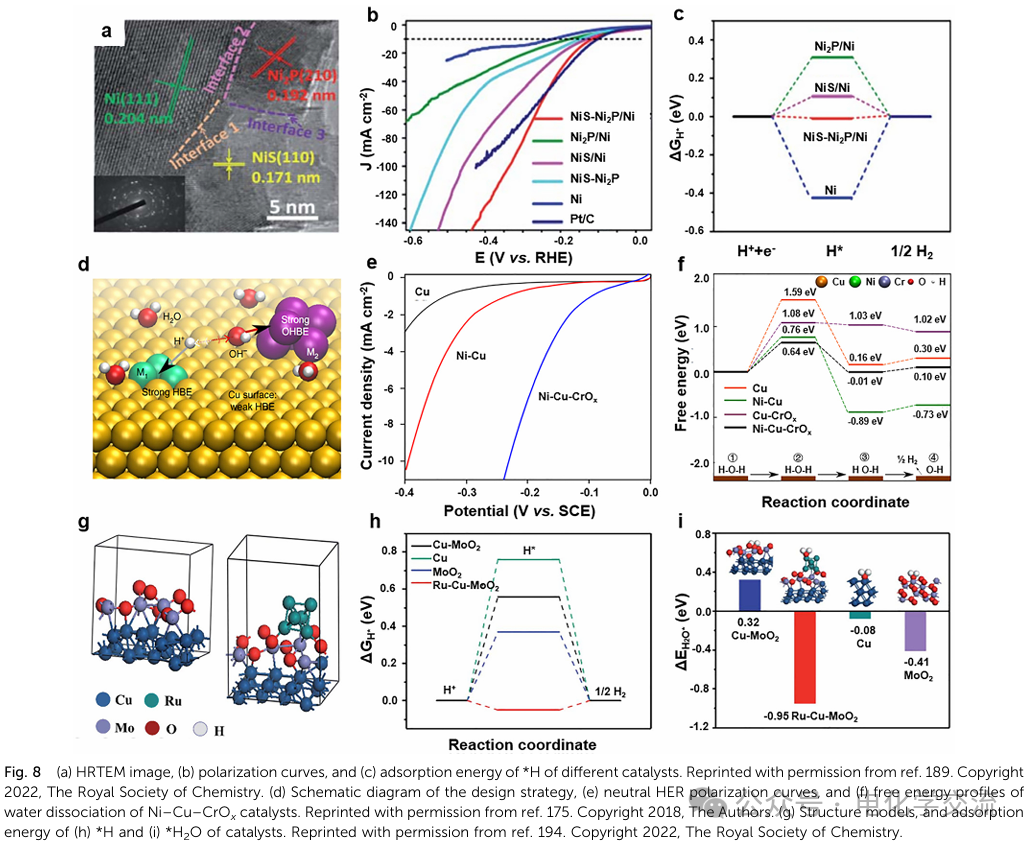 Figure 8a-c: NiS-Ni₂P/Ni ternary site, NiS/Ni₂P regulates water adsorption/dissociation, Ni site optimizes *H adsorption (ΔG_H decreases from 0.425 to 0.006 eV).d-f: CrOx/Ni-Cu ternary design, CrOx strongly adsorbs OH, Ni moderately adsorbs H, Cu weakly adsorbs *H, reducing the water dissociation energy barrier to 0.64 eV.g-i: Ru-Cu-MoO₂ hollow octahedra, synergistically reducing H₂O and *H adsorption energies, achieving excellent HER across a wide pH range.
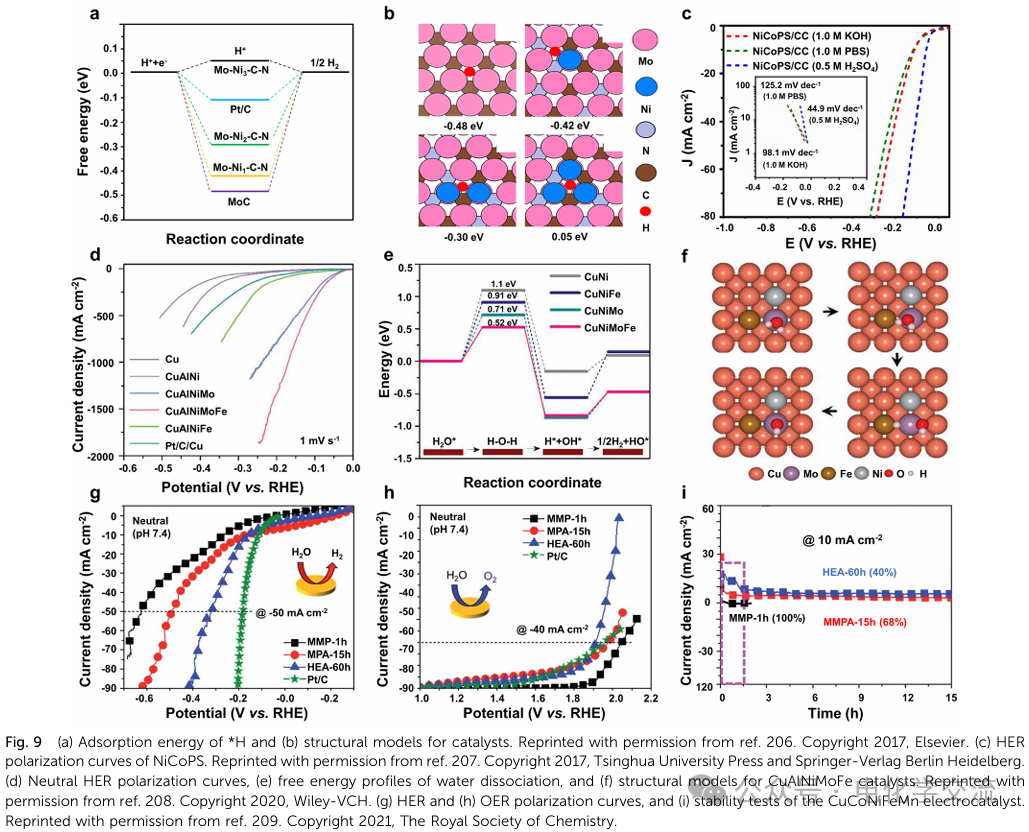 Figure 9 presents multi-site (≥4 components) catalysts.a-b: Mo-Ni-N-C quaternary site, regulating the d-band center to achieve ΔG_H at thermoneutral (0.05 eV), overpotential of 135 mV.c: NiCoPS quaternary nanowires, 55 mV@10 mA/cm².d-f: CuAlNiMoFe high-entropy alloy, water dissociation energy barrier as low as 0.52 eV, overpotential as low as 23 mV.g-i: CuCoNiFeMn high-entropy alloy, demonstrating good dual functionality and stability for HER/OER.
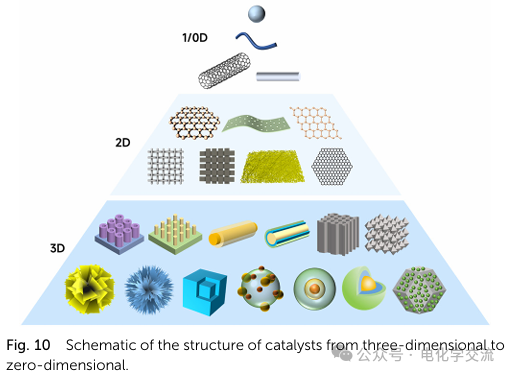 Figure 10 illustrates the dimensionality of catalyst structures, from three-dimensional porous frameworks to zero-dimensional nanoparticles/single atoms, emphasizing the advantages of different dimensions in mass transfer and active site exposure.
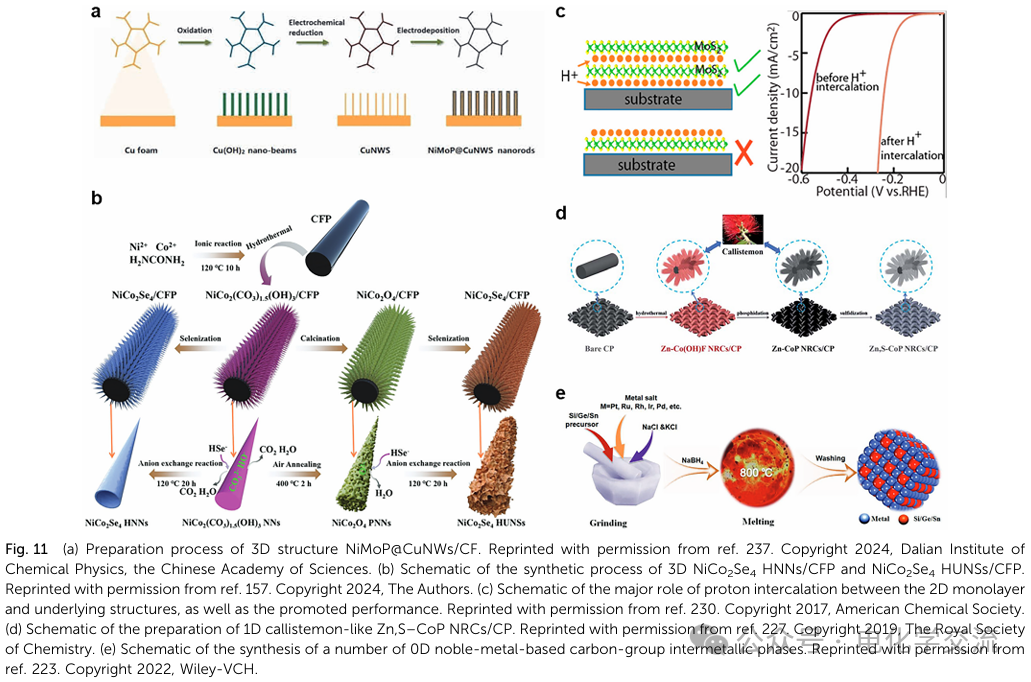 Figure 11a: Preparation of 3D core-shell structure NiMoP@Cu nanowires, superhydrophilic properties promote mass transfer.b: 3D hierarchical NiCo₂Se₄ nanosheets obtained through selenization of NiCo₂O₄ nanoneedles, edge effects enhance charge accumulation.c: 2D MoS₂ proton intercalation, stabilizing the proton reservoir to optimize hydrogen adsorption energy.d: 1D Zn,S co-doped CoP nanorod clusters, defect engineering enhances activity.e: 0D noble metal-carbon group intermetallic compounds (e.g., PtSi) synthesized via molten salt method.
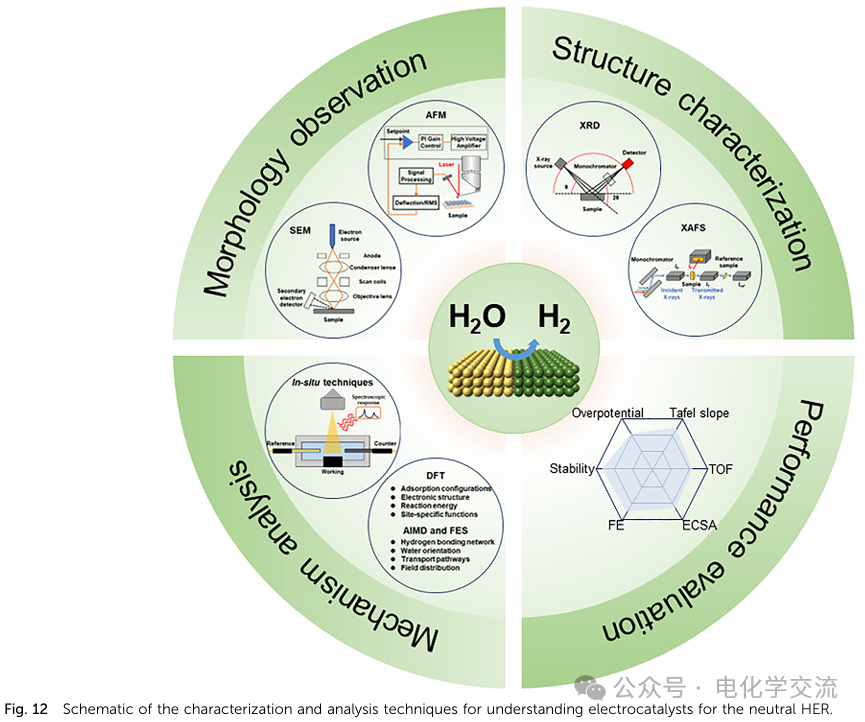 Figure 12 systematically summarizes the characterization and analysis techniques for neutral HER electrocatalysts, covering morphology observation (SEM/TEM/AFM), structural characterization (XRD/XPS/XAFS, etc.), performance evaluation (overpotential/Tafel slope/stability, etc.), and mechanism analysis (in situ techniques/DFT calculations), emphasizing the importance of multi-technical integration for a comprehensive understanding of the “structure-performance” relationship of multi-active site catalysts.
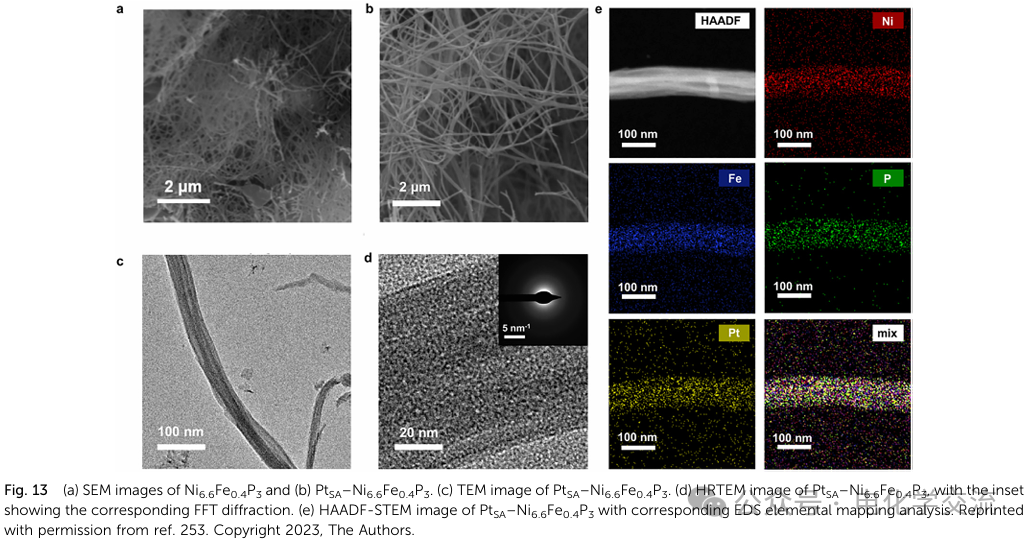 Figure 13 shows the morphological characteristics of Pt single atom modified amorphous Ni₆.₆Fe₀.₄P₃ nanowire catalyst—intertwined nanowire structure (diameter about 60 nm), amorphous phase (no lattice fringes), HAADF-STEM confirms uniform distribution of Pt, Ni, Fe, and P elements, supporting successful anchoring and synergistic action of single atoms.
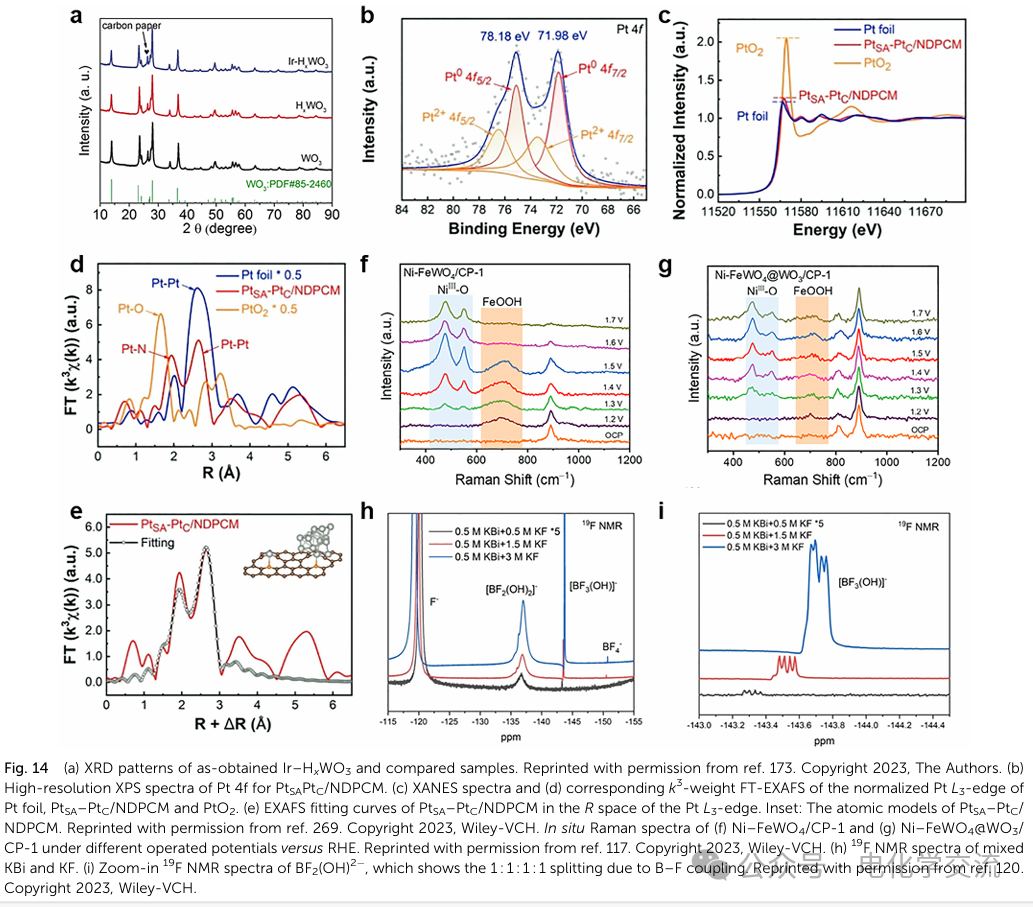 Figure 14 reveals catalyst structural information through multi-technical integration: (a) XRD identifies Ir-HₓWO₃ crystal phase; (b-e) XPS/XAFS analyzes the coexistence and coordination environment of Pt single atoms and PtC; (f-g) in situ Raman tracks the potential-dependent structural evolution of Ni-FeWO₄; (h-i) ¹⁹F NMR identifies active species BF₂(OH)₂⁻ in the electrolyte, reflecting the need for multi-scale integration in structural characterization.
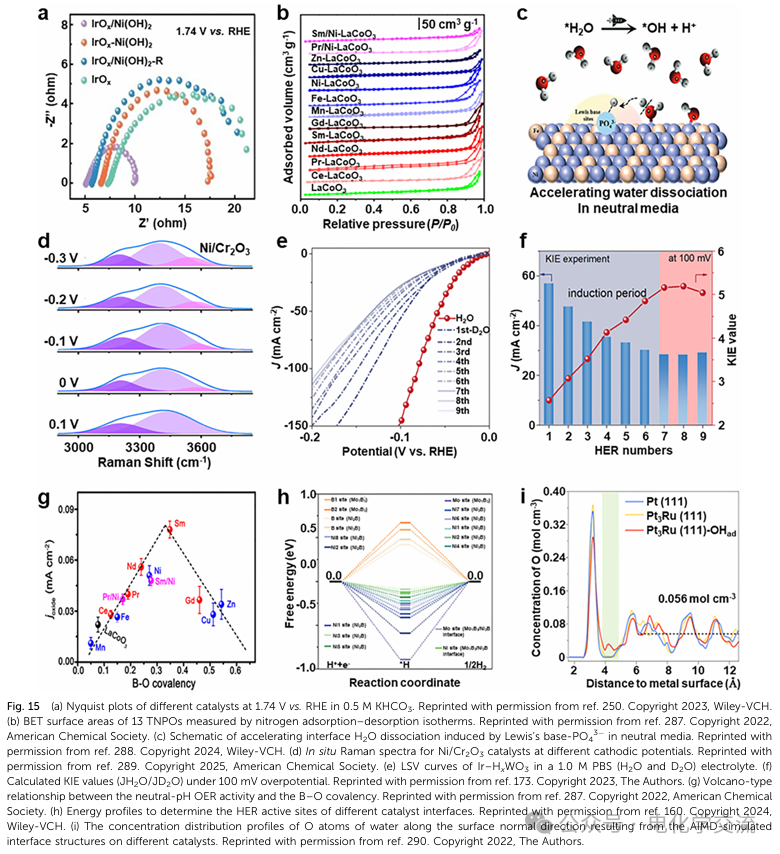 Figure 15 provides a comprehensive performance evaluation and mechanism analysis: (a) EIS shows charge transfer resistance; (b) BET quantifies specific surface area; (c) PO₄³⁻ regulates interfacial water molecule dissociation; (d) in situ Raman analyzes interfacial hydrogen bond network; (e-f) KIE experiments reveal lattice hydrogen participation in reactions; (g) volcano plot correlates B-O covalency with OER activity; (h-i) DFT/AIMD calculations link active sites with interfacial water structure, demonstrating the importance of combining experimental and theoretical approaches.
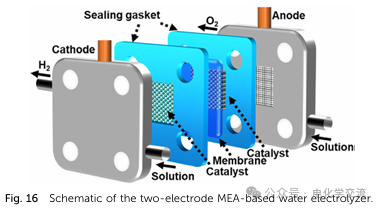 Figure 16 illustrates the structure of a two-electrode MEA electrolyzer, emphasizing the need to consider the integrated design of electrodes, membranes, seals, and flow fields when transitioning from a three-electrode laboratory system to a practical two-electrode device, in order to accurately assess catalyst performance under real operating conditions.
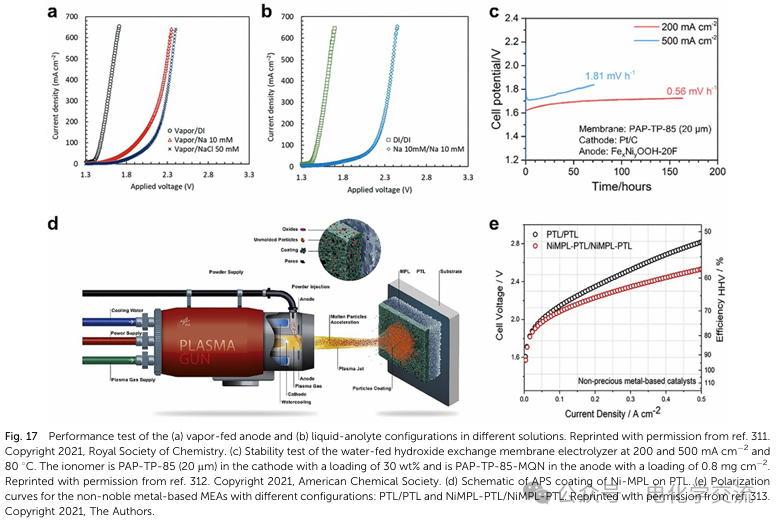 Figure 17 shows performance optimization of different MEA electrolyzers: (a-b) PEMWE vapor feed performs comparably to liquid feed; (c) AEMWE pure water feed shows poor stability at high current densities; (d-e) Ni microporous layers improve gas-liquid transport, significantly reducing voltage (2.53 vs 2.82 V @ 0.5 A/cm²), demonstrating the critical role of engineering structure in neutral media performance.
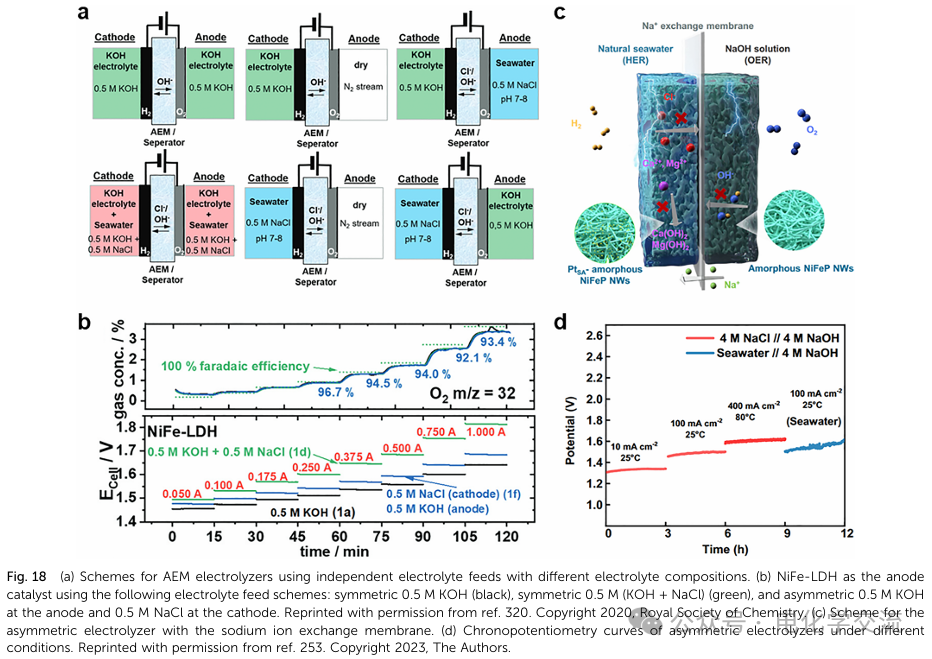 Figure 18 presents a strategy for asymmetric electrolyte MEA electrolyzers—separate liquid supply for anode and cathode (e.g., KOH for anode/seawater for cathode), (a) schematic shows various configurations; (b) avoids anode chlorine corrosion; (c-d) Na⁺ exchange membrane blocks Cl⁻ migration, achieving stable operation of seawater direct electrolysis for over 100 hours, representing a forward direction for hydrogen production from complex water sources.
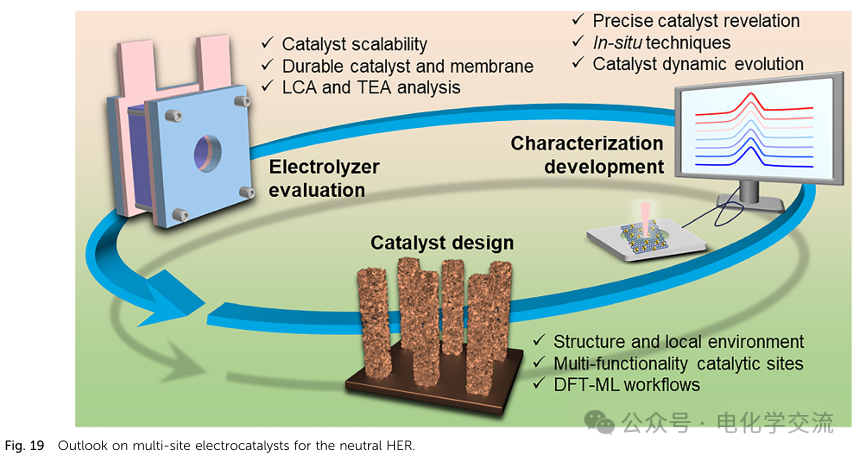 Figure 19 is a summary outlook, clearly pointing out the three core challenges for the future development of neutral HER multi-active site catalysts:Enhancing intrinsic activity and reproducibility,Developing advanced in situ characterization techniques,Building practical two-electrode flow field systems (integrating catalysts/membranes/engineering optimization), emphasizing that interdisciplinary collaboration is essential to drive the translation of laboratory results to industrial applications.
Article Summary
1. Neutral HER is severely limited by low proton concentration and weak interfacial electric fields, while multi-active site catalysts can break through the limitations of the Sabatier principle through functional separation (water adsorption/dissociation/desorption), showing great potential.2. The review comprehensively summarizes the full-chain research progress from mechanistic understanding (double layer structure, proton source transformation) to material design (dual-site → high-entropy alloys), synthesis regulation (dimensional engineering), and advanced characterization (in situ/operando techniques).3. Achieving industrialization requires addressing three core issues—synthesis reproducibility and scalability, long-term stability and reconstruction mechanisms, economic feasibility assessment, and urgently developing AI-assisted design, standardized two-electrode testing, and comprehensive system integration optimization strategies.
References
 Multi-site electrocatalysts for hydrogen production under neutral conditionshttp://dx.doi.org/10.1039/D5CS00881F
FOLLOW US
Follow us
Wishing you successful experiments
