Objective
This study aims to evaluate the dimensional accuracy and fit of three-unit monolithic zirconia restorations manufactured using various additive manufacturing (AM) technologies: Stereolithography (SLA), Digital Light Processing (DLP), and Light-Cured Ceramic Manufacturing (LCM), compared to the Computer Numerical Control (CNC) method.
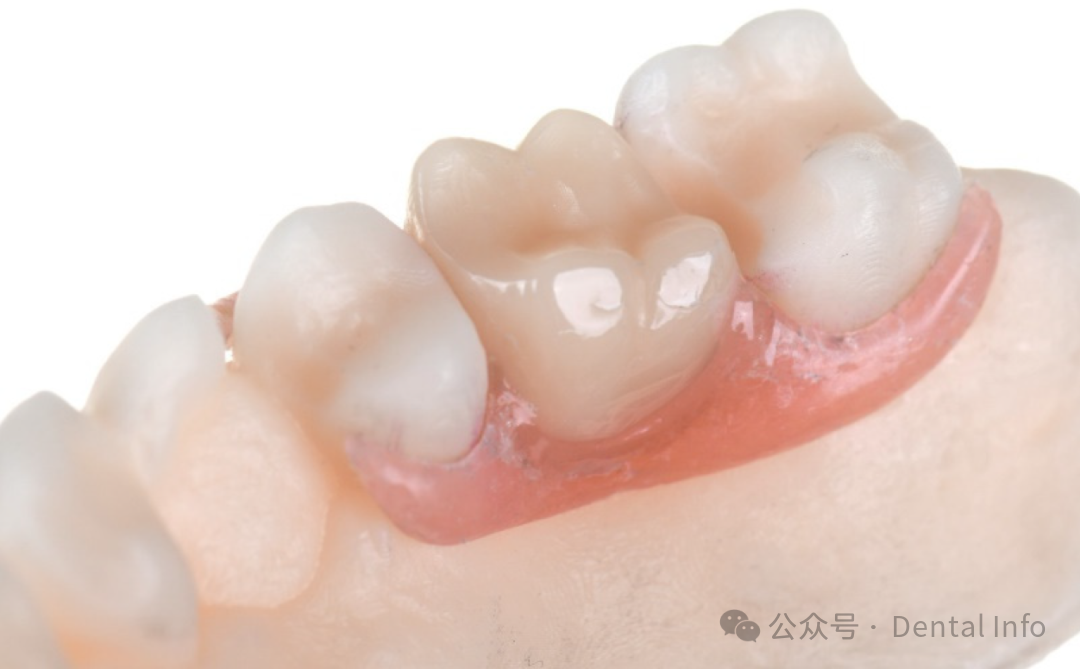
Materials and Methods
A total of 32 three-unit fixed partial dentures (FPD) were fabricated using three different AM methods (SLA, DLP, and LCM), with CNC serving as the control group. All groups utilized 3 mol% yttria-stabilized tetragonal zirconia polycrystal (Y-TZP). The restorations, models, and the models themselves were digitized. For authenticity and internal fit analysis, all STL datasets were imported into high-precision metrology-grade 3D inspection software (Geomagic Control X 2022; 3D Systems) and virtually divided into four regions: concave, closure area, axial area, and edge area. Surface deviations were analyzed using the Root Mean Square (RMS) method, while the triple scan method was used for internal fit. The obtained data were subsequently analyzed using two-way ANOVA, followed by Bonferroni and Tukey post-hoc tests (α = 0.05).
Results
SLA, CNC, and LCM provided similar and clinically acceptable marginal and internal fit values (p > 0.05). In contrast, the DLP method exhibited significantly larger differences in all areas, particularly at the margins and concave surfaces (p ≤ 0.001). The group with the lowest overall RMS deviation was the SLA group (39.88 ± 4.84 microns), while the maximum internal gap was observed in the DLP group (218.29 ± 11.88 microns).
Conclusion
The additive manufacturing method influenced the fabrication accuracy and fit of three-unit zirconia FPDs. Due to the higher marginal and internal gap values produced by the DLP method, adjustments are necessary before clinical use.