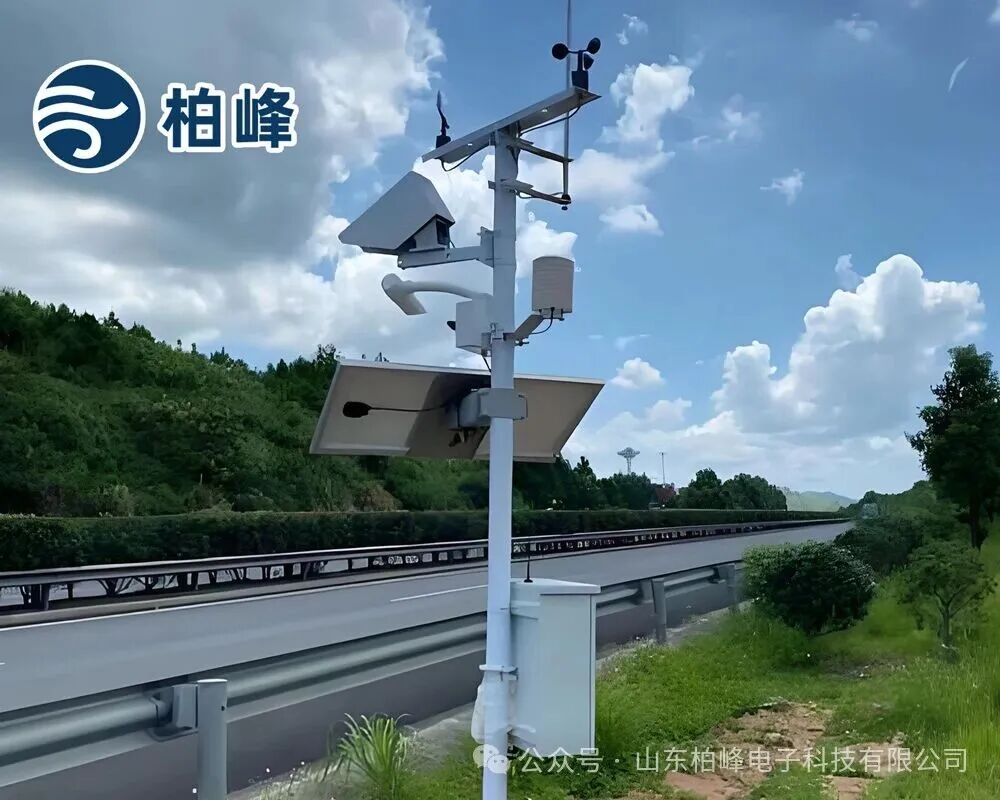
The safe and efficient operation of road traffic systems highly relies on real-time and accurate meteorological data support. Weather disasters such as rain, snow, fog, and road icing are among the main causes of traffic accidents. As a core node in the traffic meteorological service system, road weather monitoring stations integrate various specialized meteorological sensors to achieve comprehensive perception of atmospheric environment and road conditions. These sensors act as the “perceptive nerves” of the monitoring station, and their technical performance directly determines the reliability of meteorological data, which in turn affects the scientific nature of traffic control decisions.
1. Environmental Meteorological Parameter Sensors: Building an Atmospheric Environment Perception Network
Environmental meteorological parameter sensors mainly monitor the macro meteorological conditions along the road, providing basic data for road condition prediction and traffic meteorological warnings. The core sensors include wind speed and direction, temperature and humidity, atmospheric pressure, and precipitation sensors. These sensors must have the capability to operate stably for long periods in complex road environments.
1.1 Wind Speed and Direction Sensors: The “Wind Field Sentinel” for Traffic Safety
Strong crosswinds pose significant safety hazards on highways, particularly on bridges and interchanges, potentially leading to vehicle overturns and loss of control. Wind speed and direction sensors are specifically designed to meet this need for precise monitoring. Currently, the most widely used in road weather stations are ultrasonic wind speed and direction sensors, which have significant advantages over traditional mechanical rotating sensors.
1.2 Temperature, Humidity, and Atmospheric Pressure Sensors: The “Basic Ruler” of Meteorological Systems
Temperature, humidity, and atmospheric pressure are fundamental parameters in meteorological monitoring. They not only directly affect drivers’ comfort and visibility conditions but also serve as key indicators for predicting hazardous weather such as road icing and fog. Integrated temperature, humidity, and pressure sensors are commonly used in road weather stations, featuring capacitive humidity sensing elements and platinum resistance temperature sensing elements, characterized by high precision and low drift.
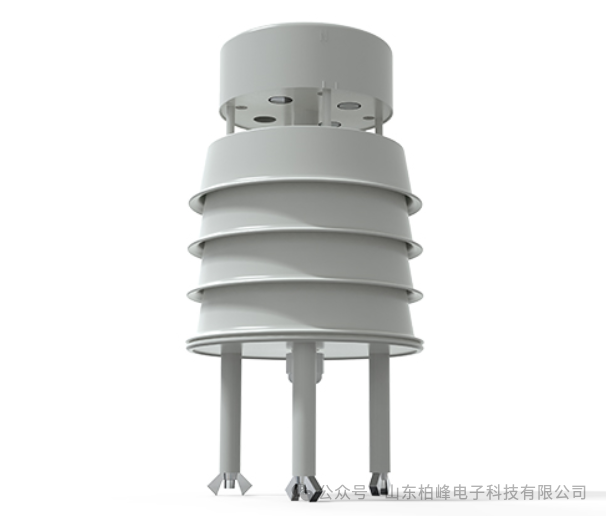
1.3 Precipitation Sensors: The “Precision Detector” for Rain and Flood Disasters
Precipitation is a major factor leading to road flooding, landslides, and mudslides. Accurately monitoring precipitation amount and intensity is crucial for traffic control and disaster prevention and mitigation.
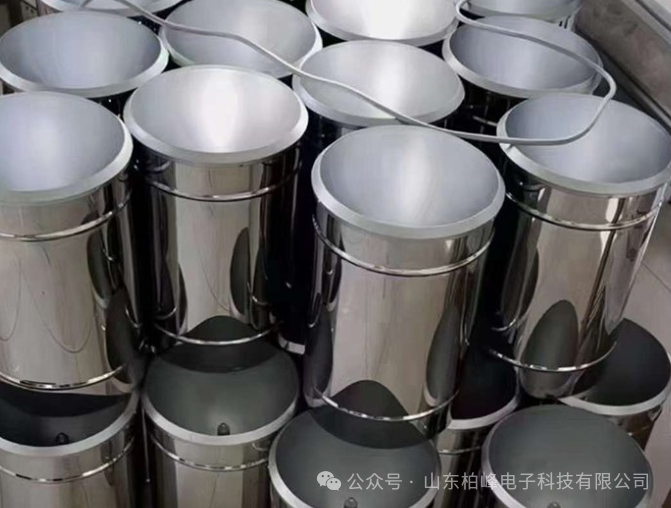
2. Specialized Road Sensors: Core Perception Devices Focused on Road Safety
Compared to conventional weather stations, the core feature of road weather monitoring stations is the direct monitoring of road conditions. These specialized sensors can accurately capture whether there are hazardous conditions such as water accumulation, snow accumulation, or icing on the road, serving as the “last line of defense” for ensuring driving safety.
2.1 Visibility Sensors: The “Safety Guardian” for Driving in Fog
Low visibility is the primary meteorological factor leading to chain-reaction accidents on highways. When visibility drops below 200 meters, the risk of rear-end collisions increases by more than five times. Visibility sensors are specifically designed to address this issue by providing real-time monitoring and warnings.
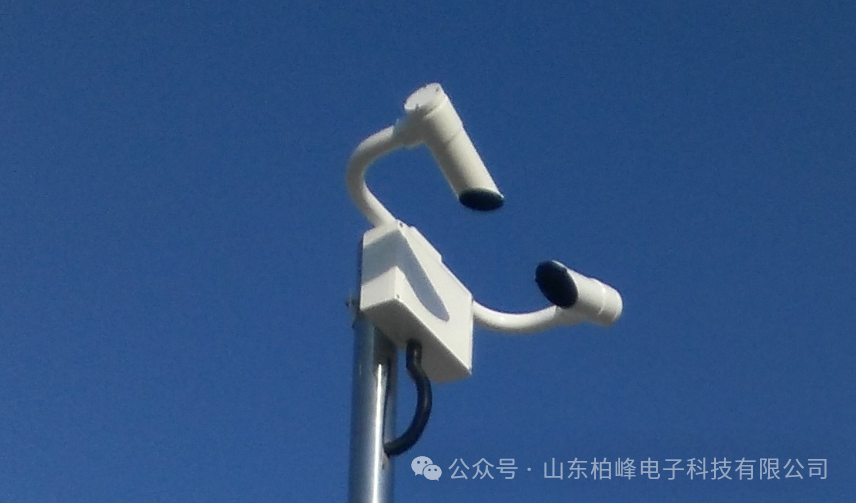
2.2 Road Condition Sensors: The “Real-Time Monitoring Instrument” for Ice and Snow Disasters
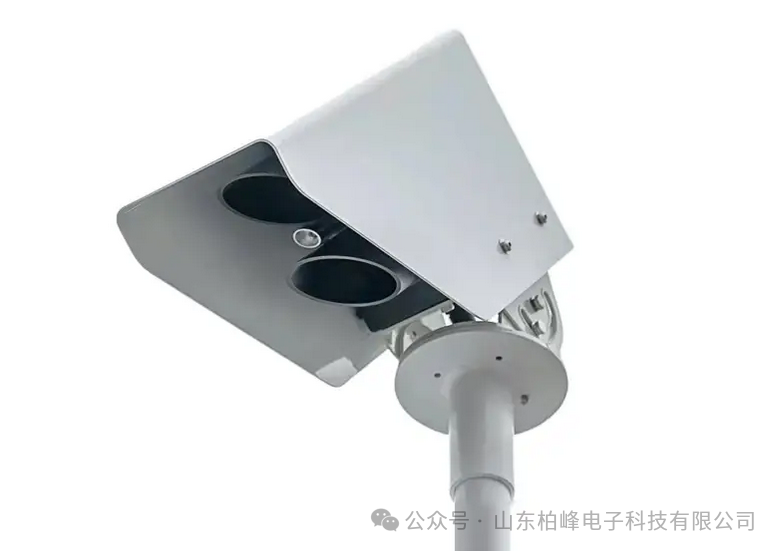
Road icing, snow accumulation, and water accumulation are the main safety hazards on roads during winter. Road condition sensors can accurately identify road conditions and quantify related parameters through direct contact or non-contact measurement, providing precise guidance for snow and ice removal operations. Currently, multi-spectral road condition sensors are the mainstream choice in road weather stations, with the technical advantage of being able to accurately distinguish multiple road conditions simultaneously.
These sensors emit different wavelengths of spectra (such as near-infrared light, microwaves, etc.) towards the road, utilizing the differences in reflectivity of water, ice, snow, and dry road surfaces to identify road conditions (dry/wet/icy/snowy) in conjunction with machine learning algorithms.
In terms of installation methods, sensors are typically installed in a road-embedded or roadside bracket style. Embedded installation can prevent damage from vehicle traffic, while bracket installation facilitates maintenance. Their operating temperature range covers -40°C to +85°C, with an IP68 protection rating, allowing stable operation in extreme environments such as severe cold in the north and heavy rain in the south.
3. Sensor System Integration and Technical Assurance: Ensuring Reliable Data Transmission and Application
The precise measurement of a single sensor is just the foundation; the core value of road weather monitoring stations lies in the integrated interaction of sensor systems, achieving reliable data transmission, fusion analysis, and intelligent applications. This process involves three key technical assurances: standardization of data interfaces, environmental adaptability design, and calibration and maintenance systems.
3.1 Standardized Data Interfaces and Transmission Protocols
Sensors in road weather stations generally adopt standardized data interfaces and transmission protocols. Currently, the most widely used is the RS485 serial communication interface, which features long transmission distances (up to 1000 meters) and strong anti-interference capabilities, suitable for the complex electromagnetic environment along roads. In terms of data protocols, MODBUS-RTU protocol is commonly used to ensure that data from sensors from different manufacturers can be uniformly parsed and integrated.
Some advanced monitoring stations also support 4G/5G wireless transmission modules, enabling remote real-time uploading of sensor data, avoiding the construction challenges of wired transmission in mountainous areas, bridges, and other special sections. These standardized designs allow sensor systems to quickly connect to regional traffic meteorological service platforms, providing unified decision support for traffic management departments.
3.2 Extreme Environment Adaptability Design
The environment along roads is complex and diverse, and sensors must withstand multiple challenges such as high temperatures, severe cold, heavy rain, strong dust, and vehicle vibrations. Therefore, environmental adaptability design is one of the core technical indicators. In terms of protection level, mainstream sensors reach IP66 or IP68 protection, with sealing designs effectively preventing dust and moisture intrusion. In terms of temperature adaptability, they can meet a working range of -40°C to +85°C, covering the usage needs of cold northern regions and hot southern regions in China.
To address specific interferences in road scenarios, sensors also have specialized anti-interference designs: for example, visibility sensors use narrow-band optical filters to eliminate sunlight interference, optical rain sensors use arc designs to avoid water retention, and road sensors employ signal processing technology resistant to vehicle electromagnetic interference, ensuring data stability under complex working conditions.
3.3 Calibration and Maintenance System
The long-term precise operation of sensors relies on a scientific calibration and maintenance system. Sensors in road weather stations typically adopt a “regular calibration + remote diagnosis” maintenance model: for basic sensors such as wind speed and direction, temperature and humidity, on-site calibration is performed once a year; for core sensors such as precipitation and road conditions, calibration is conducted every six months using standard equipment. Some advanced sensors also have remote self-diagnosis capabilities, allowing real-time monitoring of equipment status and automatically sending fault alerts when data anomalies occur, shortening maintenance response times.
4. Application Value and Development Trends
The collaborative operation of various meteorological sensors enables road weather monitoring stations to achieve comprehensive coverage from “atmospheric environment monitoring” to “road safety warning.” Through the precise data provided by these sensors, traffic management departments can realize multiple application values: optimizing maintenance work plans in daily operations, reducing maintenance costs; issuing precise warnings before disaster weather, guiding vehicle diversion; and providing data support for emergency rescue during sudden disasters, reducing personnel and property losses.
Meteorological sensors are core components of road weather monitoring stations, and their technical performance directly relates to the safety and efficiency of road traffic. As the construction of intelligent transportation accelerates, further strengthening the research and application of meteorological sensor technology will provide important support for building a safe, efficient, and green road traffic system.