Modern vehicles, including most new cars, are equipped with tire pressure monitoring systems. We often see news reports about significant safety incidents caused by tire pressure issues.
The Importance of Tire Pressure Monitoring
When it comes to vehicle safety, most car owners focus on how many airbags there are, whether there are anti-collision beams, the results of crash tests, and the thickness of the body panels. However, during actual vehicle use, the potential dangers of abnormal tire pressure are often overlooked. Even the most experienced drivers cannot easily detect changes in tire pressure without data monitoring.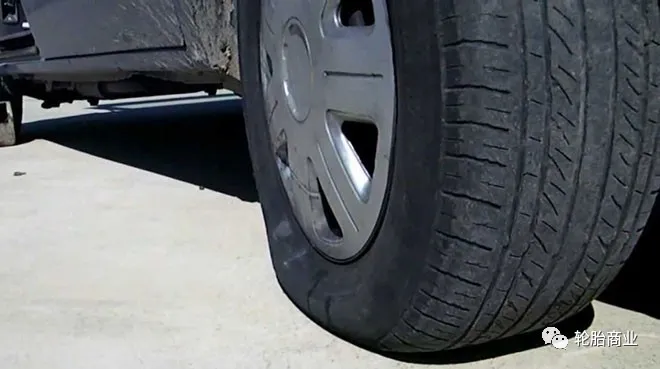
The Dangers of High or Low Tire Pressure
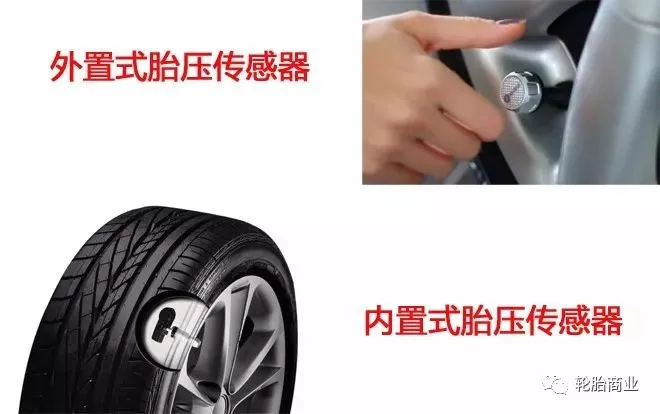
Unstable tire pressure can lead to longer braking distances, increasing the likelihood of rear-end collisions or vehicles veering off the road. More dangerously, unstable tire pressure raises the risk of tire blowouts, which can result in catastrophic accidents at high speeds. As an active safety feature, tire pressure monitoring significantly reduces the occurrence of blowouts due to abnormal tire pressure and can also extend tire lifespan. Data shows that maintaining proper tire pressure can save car owners a significant amount of fuel costs each year.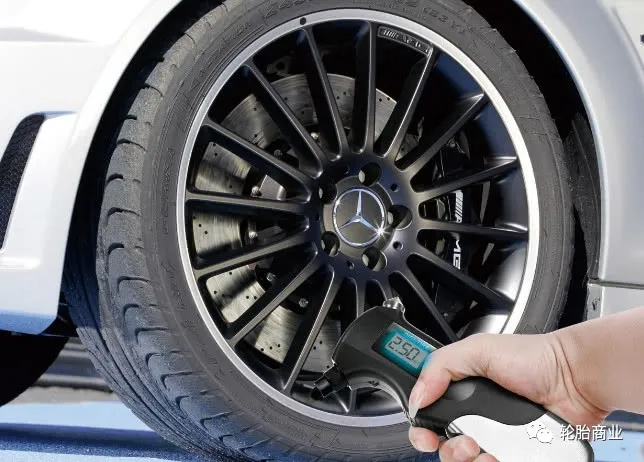 Tire pressure monitoring effectively reflects real-time tire pressure conditions, helping to avoid tire damage caused by under-inflation and improving driving safety. Currently, due to differences in vehicle models and configurations, tire pressure sensors are classified into two types: internal and external.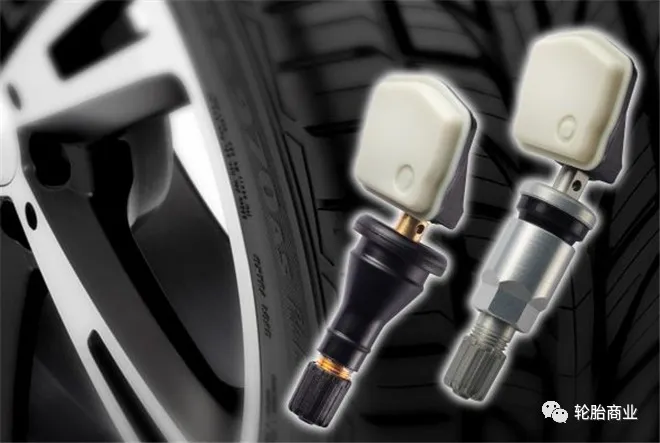
Tire Pressure Sensors: A Key Business for Tire Shops
 For older vehicles that do not have tire pressure monitoring systems, it is possible to retrofit tire pressure sensors. Since this is a crucial safety feature, car owners are willing to install them, and the cost of tire pressure sensors is not prohibitively expensive. Therefore, some tire shop owners also display tire pressure monitoring equipment in their shops. However, when asked about tire pressure sensors, they may not have much knowledge about them. In the tire business, tire pressure sensors are an important accessory.
Working Principle of Tire Pressure Sensors
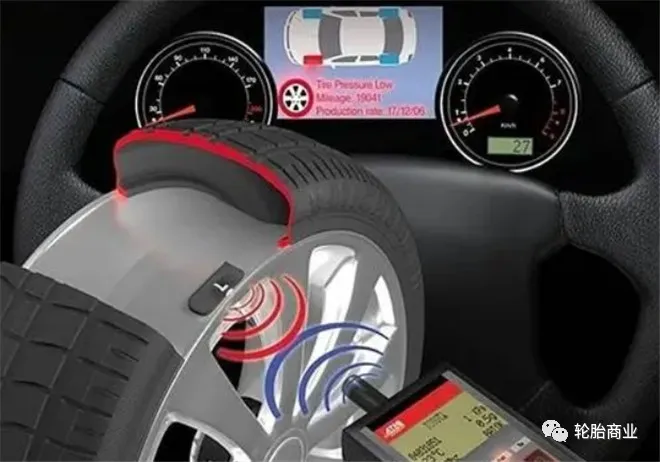 The tire pressure sensor transmits a wireless signal at 433 MHz or 355 MHz to an antenna receiver. The receiver sends the tire pressure data to the BCM (Body Control Module) via LIN (Local Interconnect Network), comparing it with the preset tire pressure data. If the tire pressure is too low, the BCM sends a signal to the dashboard via a high-speed CAN (Controller Area Network) to indicate low tire pressure.
External Tire Pressure Sensors:
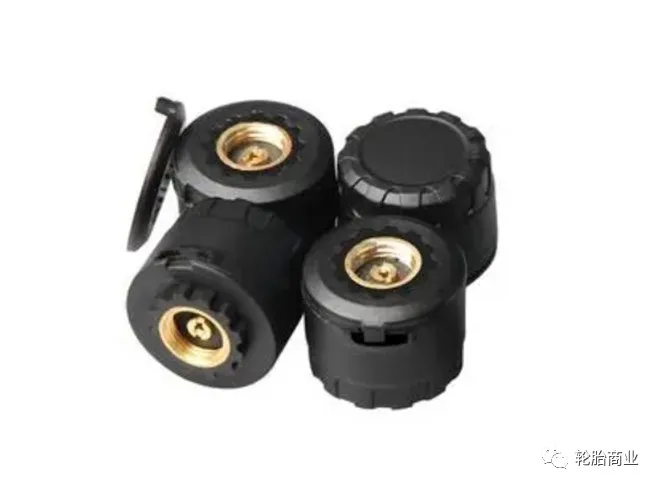 External tire pressure sensors are easy to install and suitable for retrofitting vehicles. However, since they are located externally, some can display the current tire pressure, while others only alert when the tire is under-inflated. Their lifespan and accuracy are significantly limited, but fortunately, replacing the battery is relatively simple.
Internal Tire Pressure Sensors:
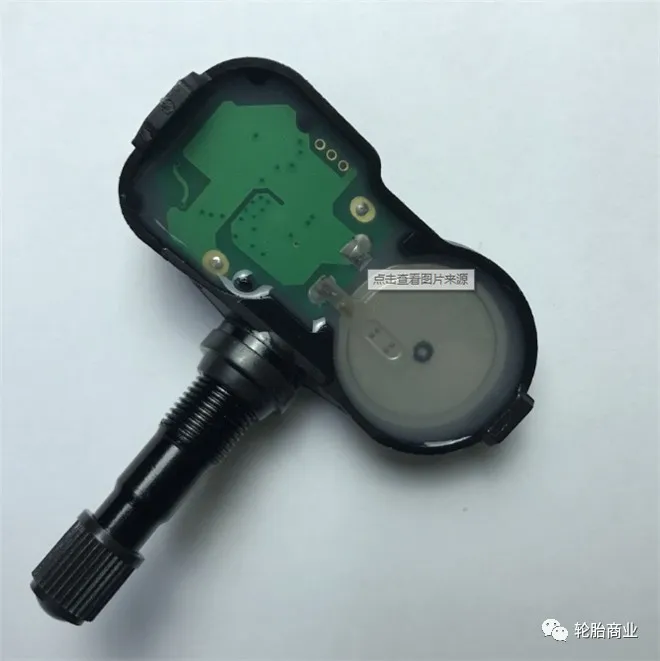 Internal sensors perform very well in this regard, as they are less susceptible to theft and external interference, and have a longer lifespan! Many people wonder why the original tire pressure sensors can last a long time, while retrofitted sensors need frequent battery replacements. This is mainly due to differences in their working principles.
 Typically, the original sensors enter a sleep mode 30 minutes after the vehicle is stationary. When the vehicle exceeds 30 km/h, the sensor sends a signal to the receiver once per minute, with a transmission frequency around 433 MHz. In contrast, retrofitted tire pressure sensors transmit a signal approximately every 5 seconds as long as the tire is rotating, leading to higher battery consumption due to the frequent signal transmission.For driving safety, shorter signal transmission intervals are preferable. However, tire leaks are usually slow; in the case of a blowout, the rapid loss of pressure means the tire pressure sensor may not be effective. Therefore, a transmission interval of one minute is quite reasonable, significantly extending battery life.
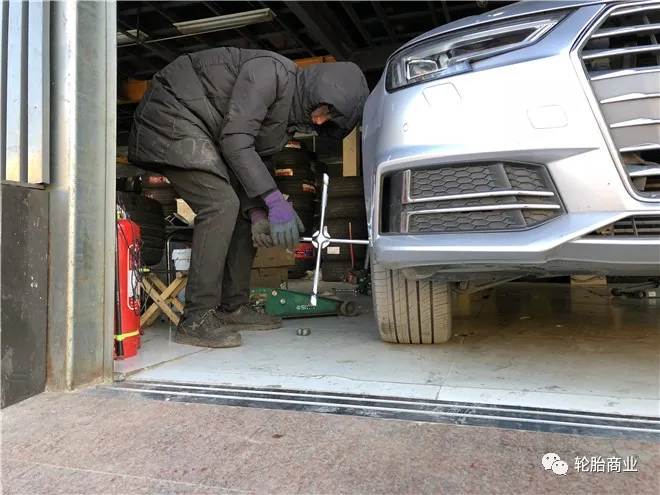 Whether internal or external, the principle is not complex: the sensor sends tire pressure data via a wireless signal to the receiver, which then displays the information on a screen.It is important to note that having tire pressure that is too high or too low is detrimental. High pressure can reduce tire grip and performance, while low pressure can increase fuel consumption, damage the tires, and lead to blowouts. Therefore, tire pressure sensors represent a significant potential market in tire services.(Editor: Maggie)
 Tire Business Recommended Reading:

| · Global Boycott: The Reshaped Chinese Tire Industry |
| · Old Tire Factory Employee: Don’t Buy Chinese Tires! |
| · The Four Kings of Chinese Semi-Steel Tires |
| · The Three Forces Influencing Chinese Tires |
| · 1.1 Billion Chinese Tires: A Frenzy |
| · The Most Expensive Tires Have This Marking |
| · The “Dark Horse” Company in the Tire Industry! |
| · Global Tire Company Rankings | 2025 |
| · Global Warning on Chinese Tires Again |
| · Who is the Leader in the Dongying Tire Industry? |
| · Chairpersons of Chinese Tire Companies |
| · How Impressive are the Top Five Global Tire Companies? |
| · The Most Comprehensive Tire Knowledge: Essential for Choosing Tires |
| · Is the End of the Show? |
Tire ComplaintsPlease ClickRead the Original Article