Just
Recently, while organizing my Baidu Cloud storage, I found a video file named “Simple Development Process.mp4“ in the folder of “A Xiao Mei Ge All Video Tutorials and Materials“. This video seems to be the first episode of a tutorial series for a certain development board. It was probably placed here by accident and I was going to delete it as it seemed useless.
However, when I clicked on it, I might have double-clicked it by mistake and the video started playing immediately.
This was actually a video recorded on May 24, 2015, with the date clearly displayed in the bottom right corner of the computer.
Below is the video from Xiao Mei Ge Electronics
Memories flooded back, everything was still so clear.This was a trial recording I made to test the waters, mainly to hear everyone’s feedback on what I should pay attention to while recording videos and what knowledge points I should cover in the series of videos.
At that time, I was still a moderator on the Electronics Enthusiasts forum, so I posted this video on the Electronics Enthusiasts forum and held a small contest. At that time, Douyin and B station were not as popular as they are now, and everyone’s technical exchanges were still concentrated on BBS, so in just half a month time, I received many replies from netizens. Most of the replies were friendly encouragement and recognition, of course, there were also quite a few netizens who provided me with valuable suggestions. Seeing everyone’s enthusiasm so high, and the anticipation for the subsequent course content was so strong, I thought that this course was worth my time to record it.
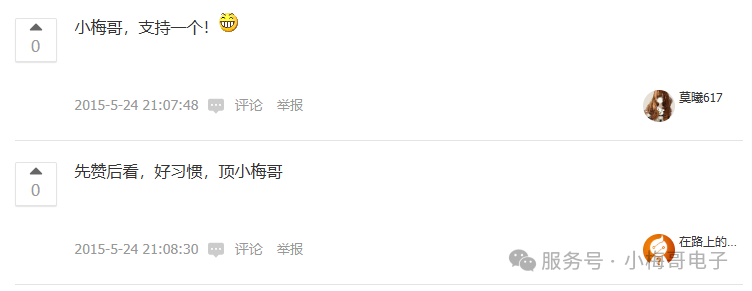
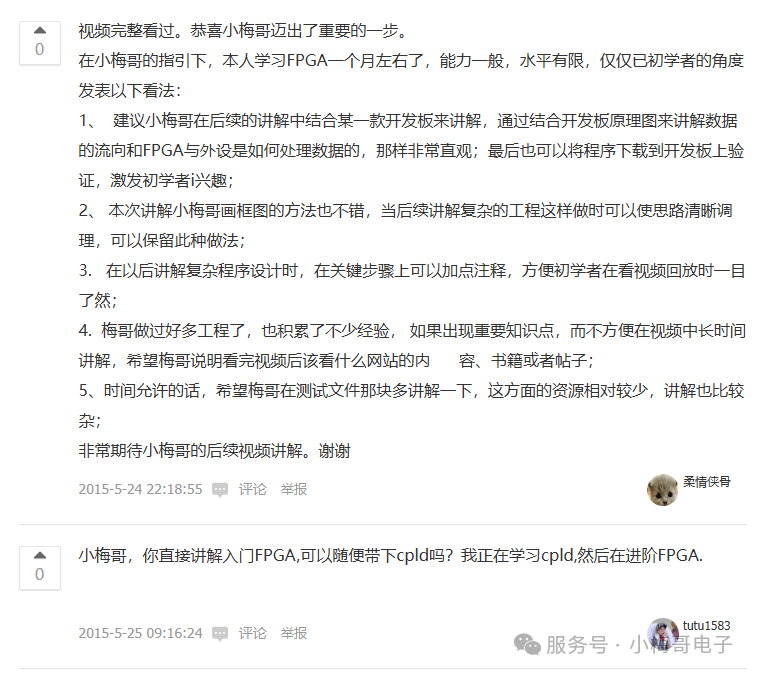
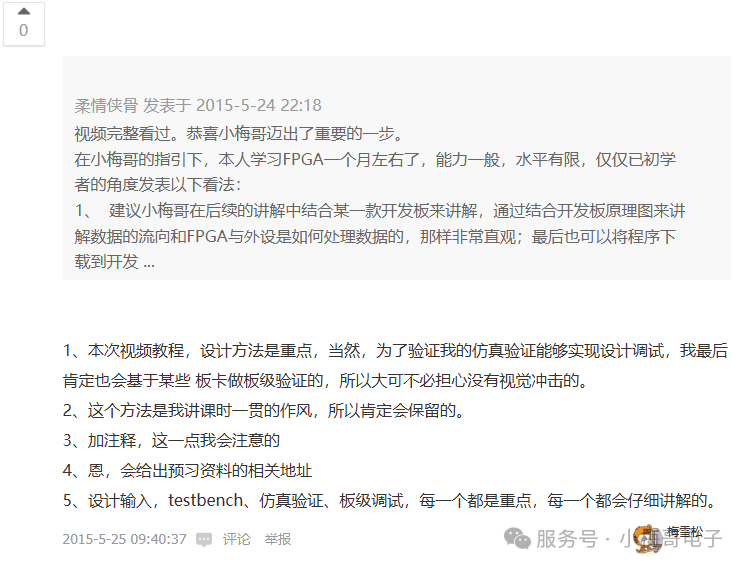
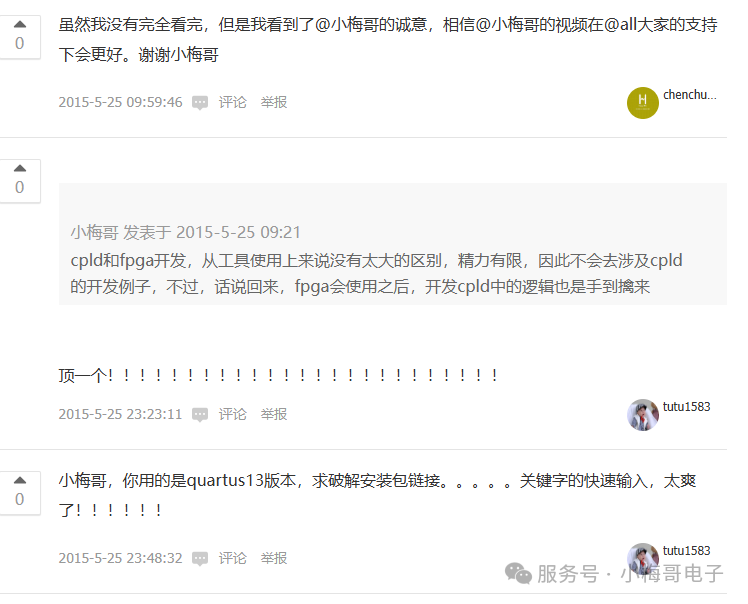
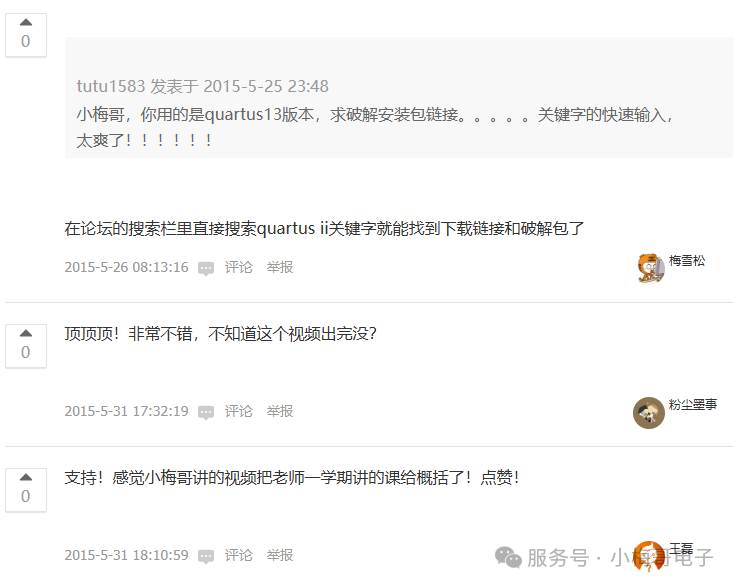
Just as I was full of passion, sending out the course outline, preparing to start recording this series of courses, I was completely unaware of how to leverage this course for my future prospects. At that time, the Electronics Enthusiasts forum was led by Chen Feng, who found me and said, while recording courses is good, if you don’t design and supply a corresponding course platform well, it will be inconvenient for the audience to conduct experiments, affecting the learning outcomes, and for me, I won’t be able to effectively realize the potential benefits of the course in my pocket, and it may ultimately lead to abandoning things halfway or being a flash in the pan, unable to continue to push forward and iterate on this course to produce more quality or valuable content.
After listening to Brother Chen Feng’s words, I felt it made a lot of sense, for a technical guy, doing things often just follows the heart and cannot see the long-term. Brother Chen Feng’s advice was a very good direction. At that time, the FPGA development board market was still not very mature, and more than half of the products on the market had no accompanying materials for courses, and the simulation debugging and verification were not mentioned, and everything was just translating experiments originally done on microcontrollers into Verilog, and lighting up the corresponding peripherals on the FPGA was considered done.
As for me, as a self-taught student of almost all the tutorials on the market at that time, I also entered a professional FPGA training institution called “Zhixin Technology“ and studied for four months there, deeply realizing the true FPGA development ideas, development methods and the significant differences between the open-source tutorials available on the market. I thought, if I could apply the methods and ideas I learned in the training institution to the FPGA open-source teaching courses and materials development, it would definitely be meaningful for this industry. Doing this is promising.
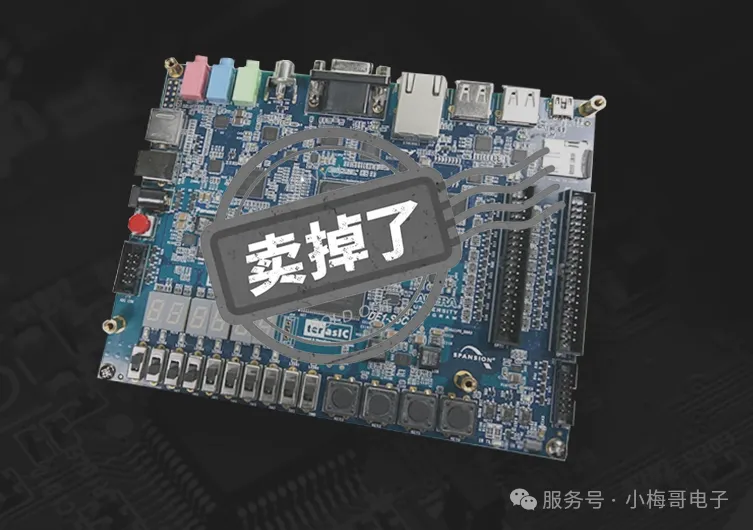
However, at that time, I had just started a job at a company in the photovoltaic energy sector, and my monthly salary was 4,820 yuan. At that time, I was also repaying a loan for the training I attended, and every month I was living paycheck to paycheck. I was so broke that I had to sell my DE1-SoC development board to repay the loan. So I told Brother Chen Feng that I had the will but no means, and I didn’t have the money to do this thing.
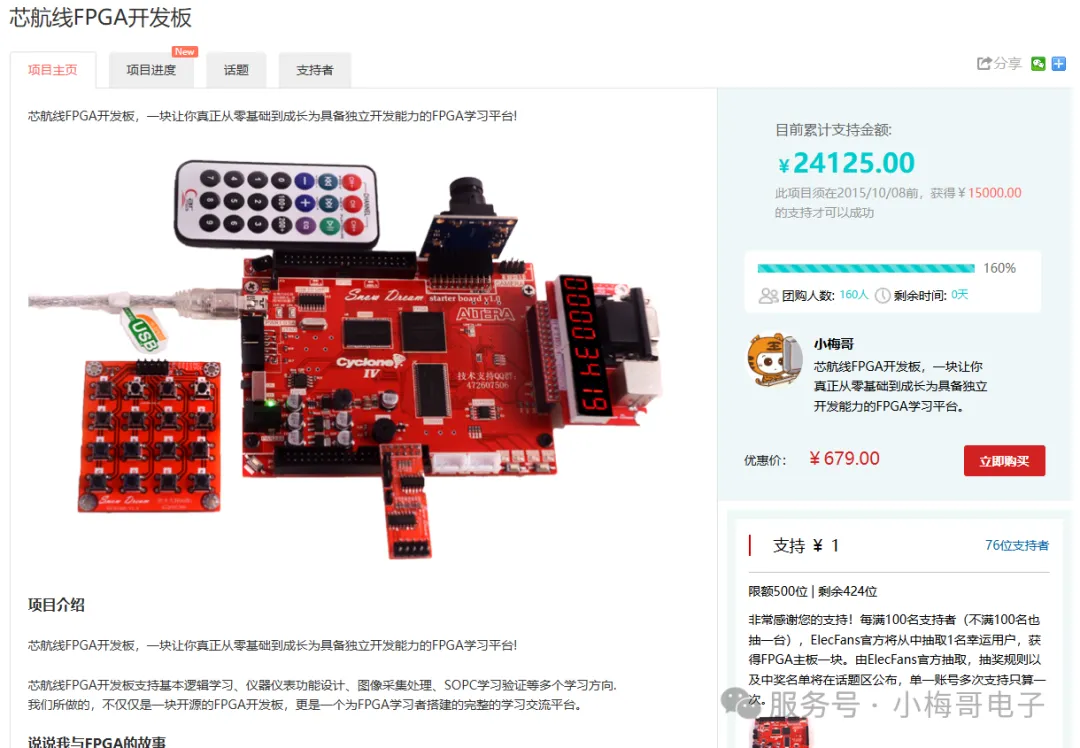
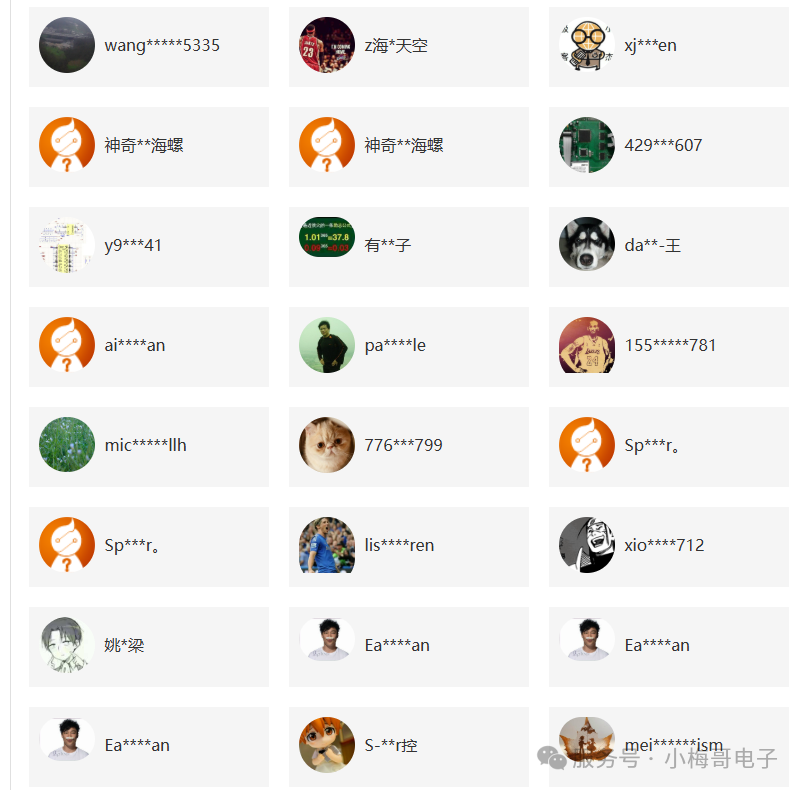
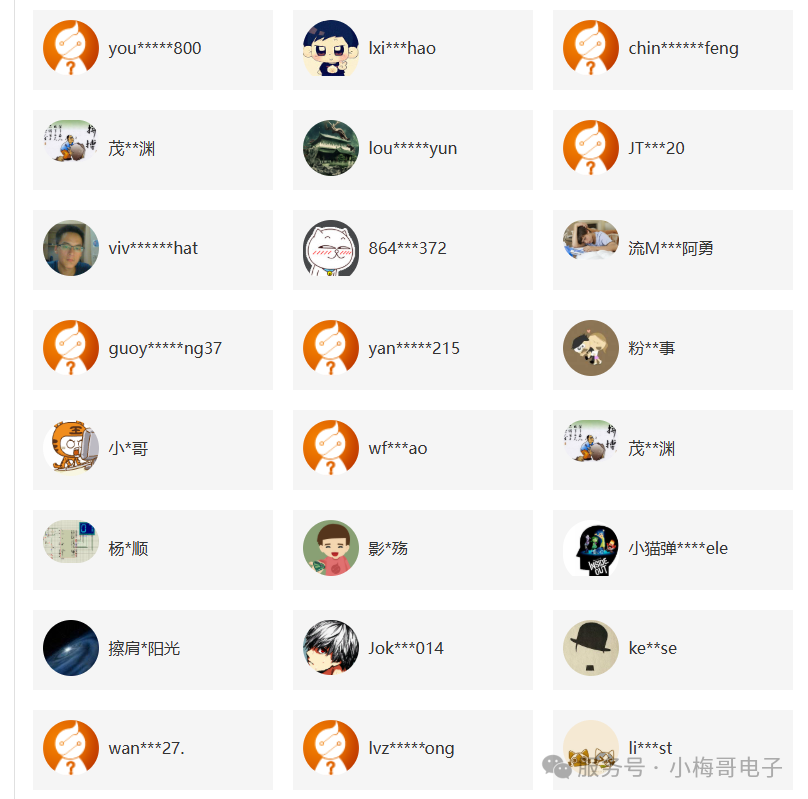
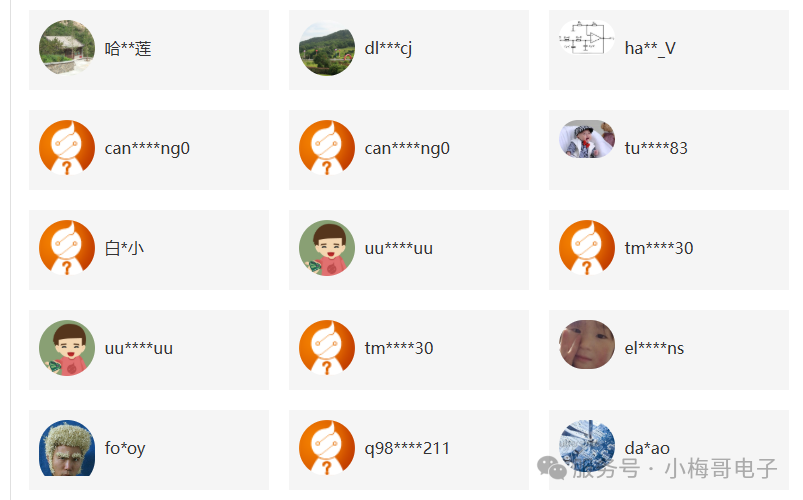
Brother Chen Feng soon found me again and said, for the sake of this matter, he proposed the idea of online crowdfunding at their company and received the company’s support. Through crowdfunding, initially I only needed to design the development board and record the course, and the costs for production and procurement could wait until after the crowdfunding ended to be paid with the funds raised. This plan precisely solved my pain points. So, we hit it off, and they (the Electronics Enthusiasts forum) started building the crowdfunding platform, while I began designing the development board, debugging the program, and recording the video courses. Finally, on September 11, 2015, my first teaching development board Snow Dream Starter Board officially launched, and my development board also became the first project on the crowdfunding platform of the Electronics Enthusiasts forum. Shortly after the project went live, it received support from dozens of backers. By the end of the project on October 8, we had received support from 59 netizens and raised a total of 24,125 yuan. Prior to this, we had already borrowed money to complete the production of the development board ahead of schedule. So as soon as the crowdfunding ended, we shipped all the goods to the backers within three days.
Since then, I have officially embarked on the path of selling boards, with my daily routine consisting of adjusting boards, writing documentation, recording courses, and answering after-sales questions. In the blink of an eye, today marks exactly ten years since then.
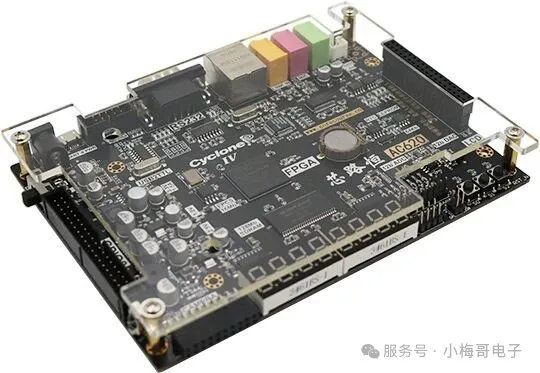
In these ten years, I have launched products that once dominated the sales charts for three years, such as the best-selling AC620, and I have also developed products that were launched and then quickly withdrawn, suffering significant losses like the Cyclone V SoC series. There have been many positive reviews for the “FPGA Design Concepts and Verification Methods video tutorial” and mixed reviews for the Xilinx self-study video tutorials, and then in 2023 I launched a new Xilinx FPGA development tutorial that has been widely recognized and has had its ups and downs. In September 2020, due to personal life challenges, I was unable to manage the business, leading to my colleagues leaving one by one, leaving me alone in the company. Now, I have over twenty like-minded partners working together and growing together.
On this journey, many netizens have turned from customers into friends, witnessing the growth of Xiao Mei Ge. Now, at this significant moment, I especially want to thank all the netizens who supported me during my early stages for their encouragement and orders, and thank all the netizens who chose Xiao Mei Ge’s courses, and chose Xiao Mei Ge’s experimental platform for learning and development over the past ten years, thank you for your trust and support and for growing with me but leaving midway colleagues, and I also want to thank Brother Chen Feng who guided me back then, who not only pointed the way but also invested a lot of resources to help my crowdfunding project succeed, giving me the confidence to continue in this industry. Today, on this special tenth anniversary, I have so much to say but don’t know where to start.
To all those who supported me back then, I have kept your IDs safe; each ID carries the warmth and strength of that time. Look at these supporters below, do you remember your ID from back then? If you do, leave a message.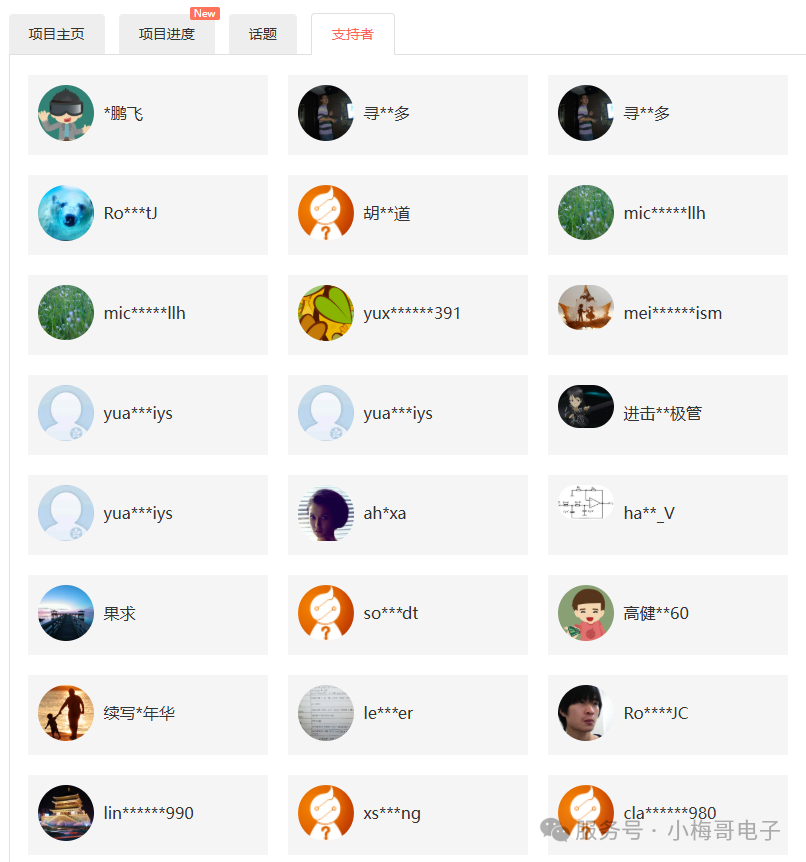
 At the tenth anniversary, with so much to say, I can only express it in four words: Thank you all!