

Recently, our hospital has introduced a batch of high-end rehabilitation robot equipment that utilizes advanced sensing technology and algorithms, integrating force feedback, gamified interaction, and multimodal perception, to comprehensively upgrade the rehabilitation treatment service system. This provides patients with more precise, efficient, and engaging rehabilitation options, propelling our rehabilitation medicine into a data-driven, intelligent-assisted scientific new era.
High-tech Support, Rehabilitation Robots Understand You Better

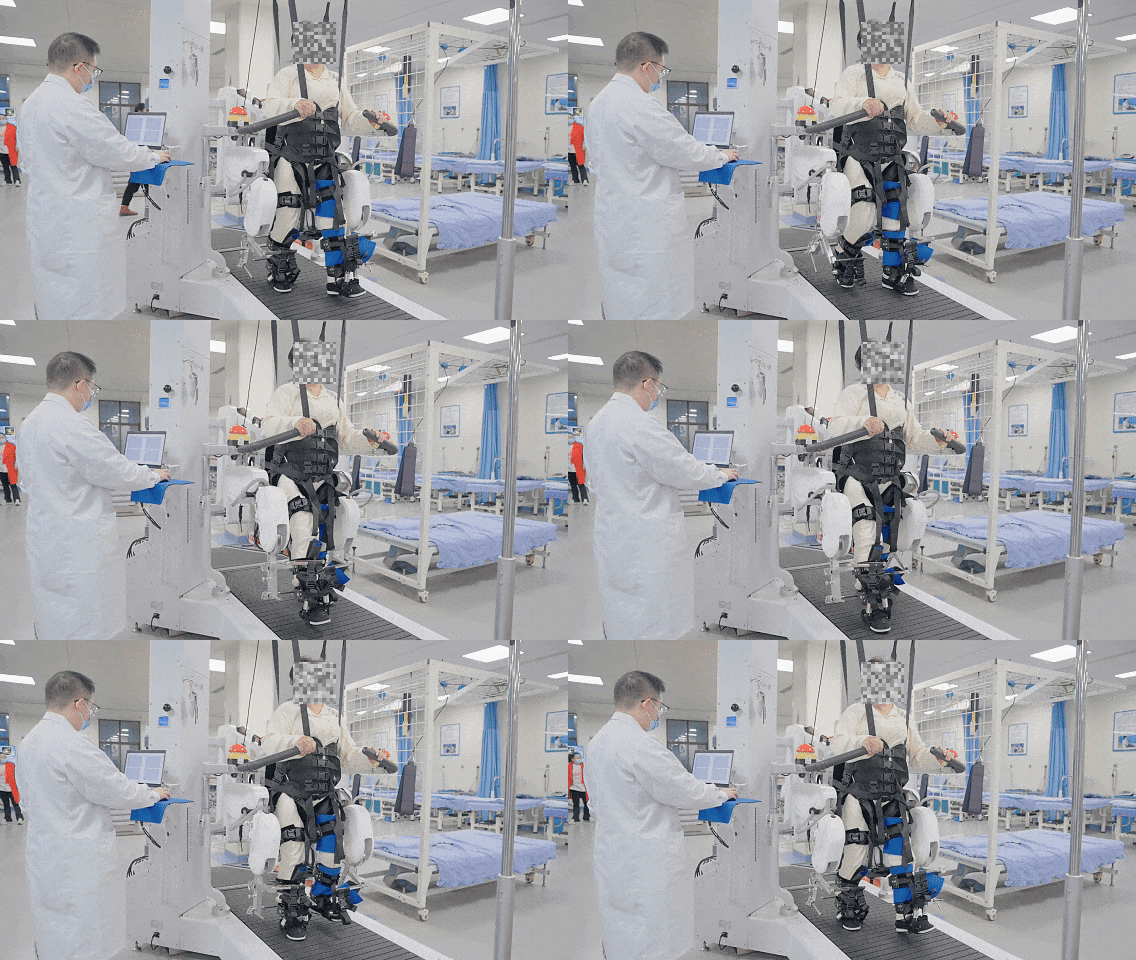
Gait Training and Assessment System
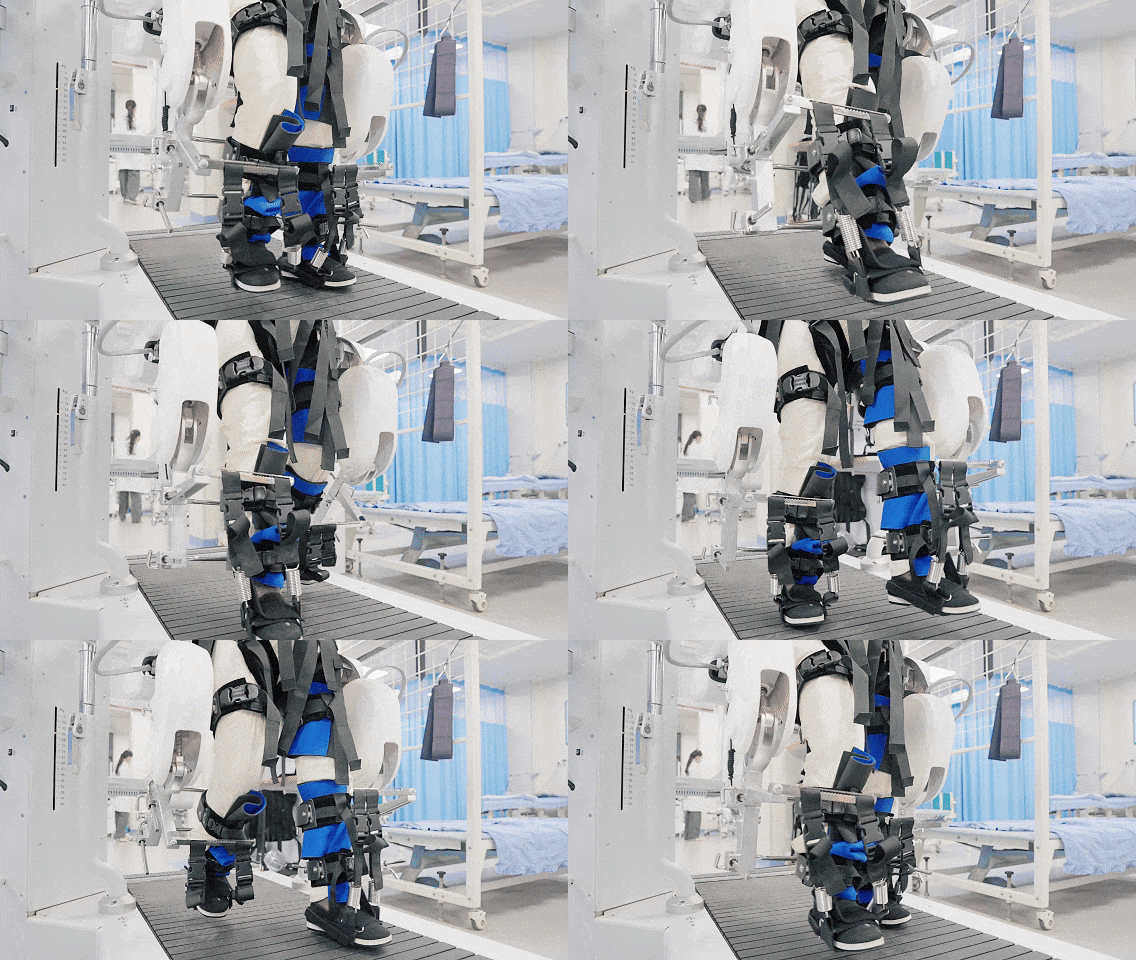
The gait training and assessment system (commonly known as rehabilitation robot) integrates bionics, sensors, and neuroscience technology to simulate normal walking patterns, activate neuroplasticity, and enhance proprioception through multimodal feedback and personalized parameter adjustments to promote neural remodeling. It is suitable for walking dysfunction caused by various conditions such as stroke, spinal cord injury, cerebral palsy, and Parkinson’s disease. This system can provide various types of gait training and assessment modes, including balance training, gait simulation, and gait analysis. Patients can choose the training mode that best suits their rehabilitation needs to achieve optimal recovery results..

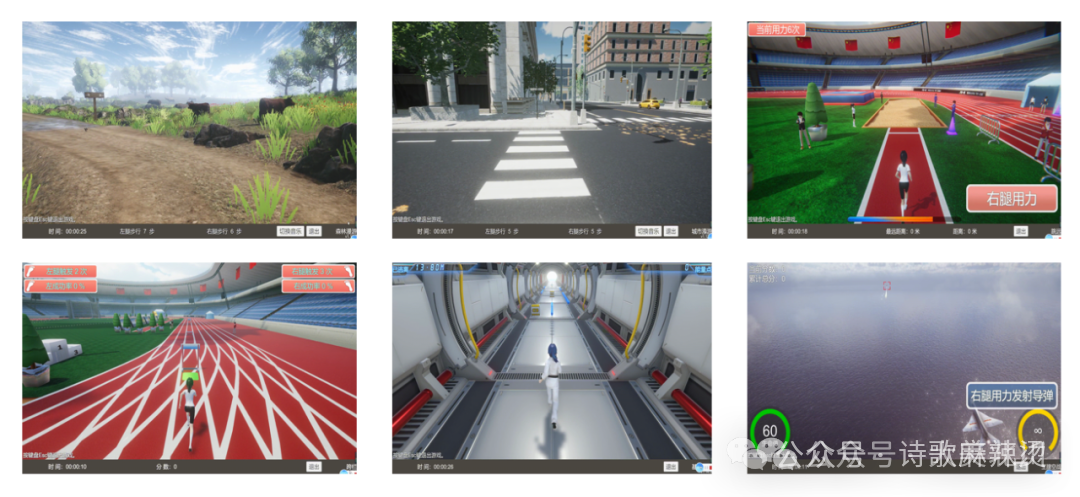
Rich games and diverse situational interactive training scenarios

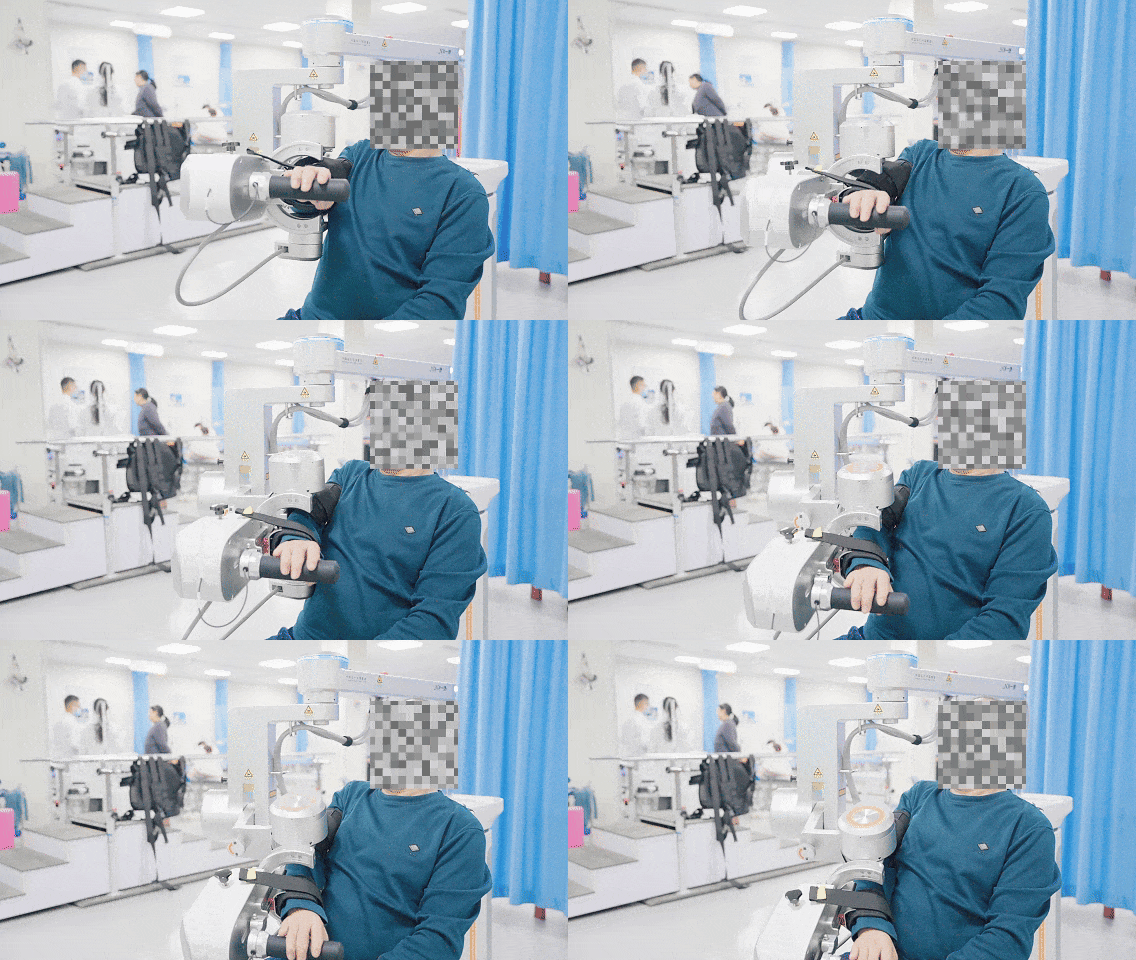
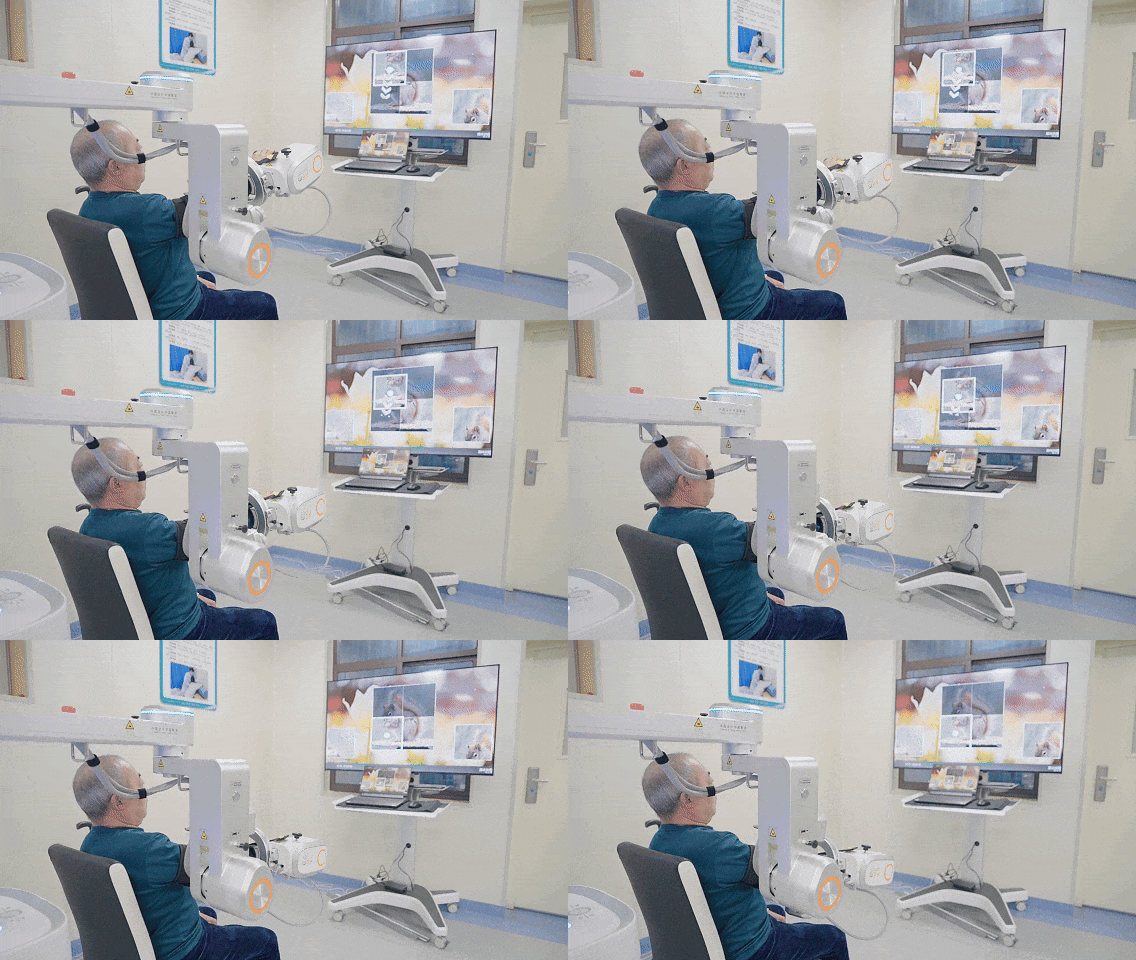
Upper Limb Training and Assessment System
The upper limb training and assessment system integrates bionic mechanical structures, multi-sensor monitoring, and intelligent control algorithms. Based on the principles of neuroplasticity, it accurately adapts to different rehabilitation needs through repeated standardized training and AI personalized assessment. It is suitable for upper limb dysfunction caused by stroke, cerebral palsy, post-fracture, as well as scenarios involving children’s rehabilitation, sensory integration, and cognitive disorders. It supports various modes such as ADL training and coordination stability training, providing efficient and precise support for upper limb functional recovery. When a patient’s muscle strength is weak, the robot can provide gentle compensatory force to assist in training; during recovery training, the robot can apply reverse resistance to help patients enhance muscle strength and joint control.
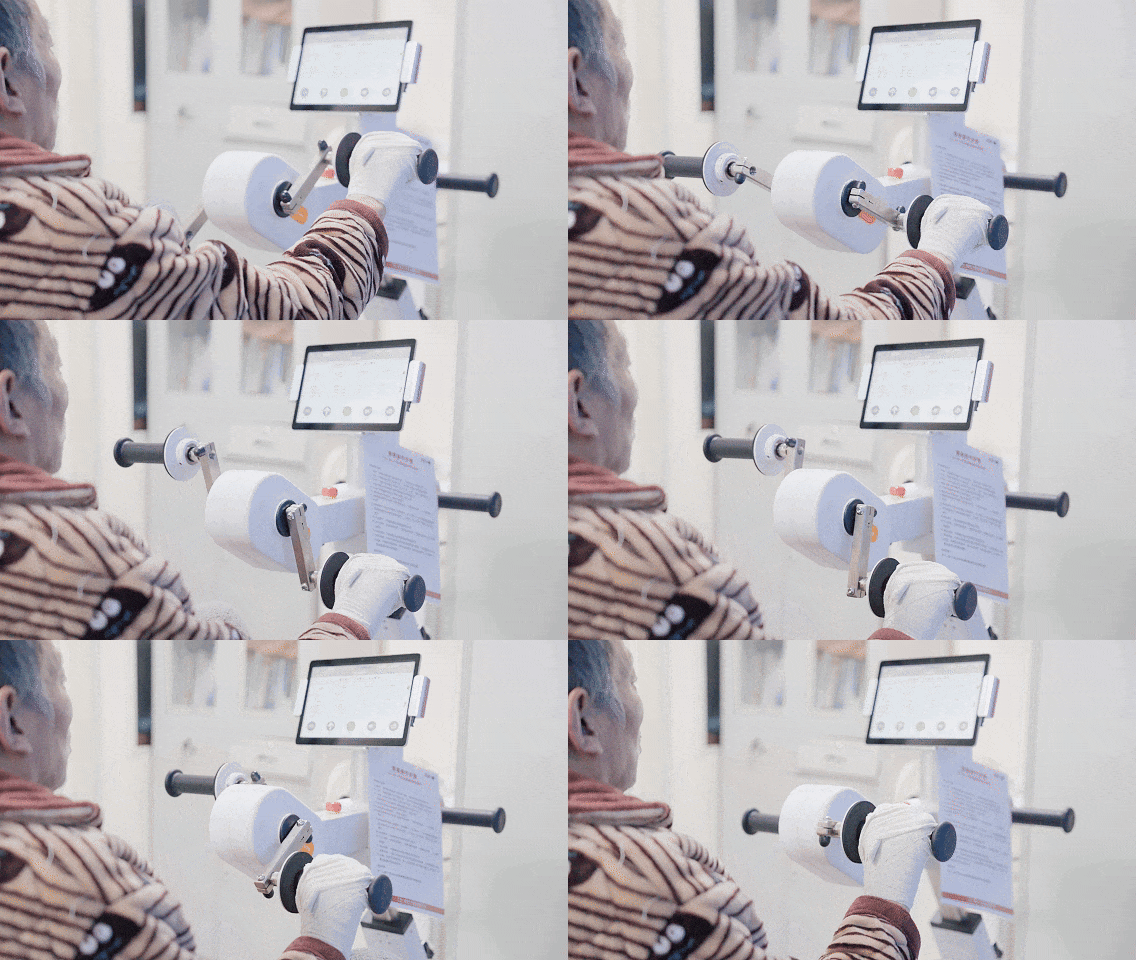
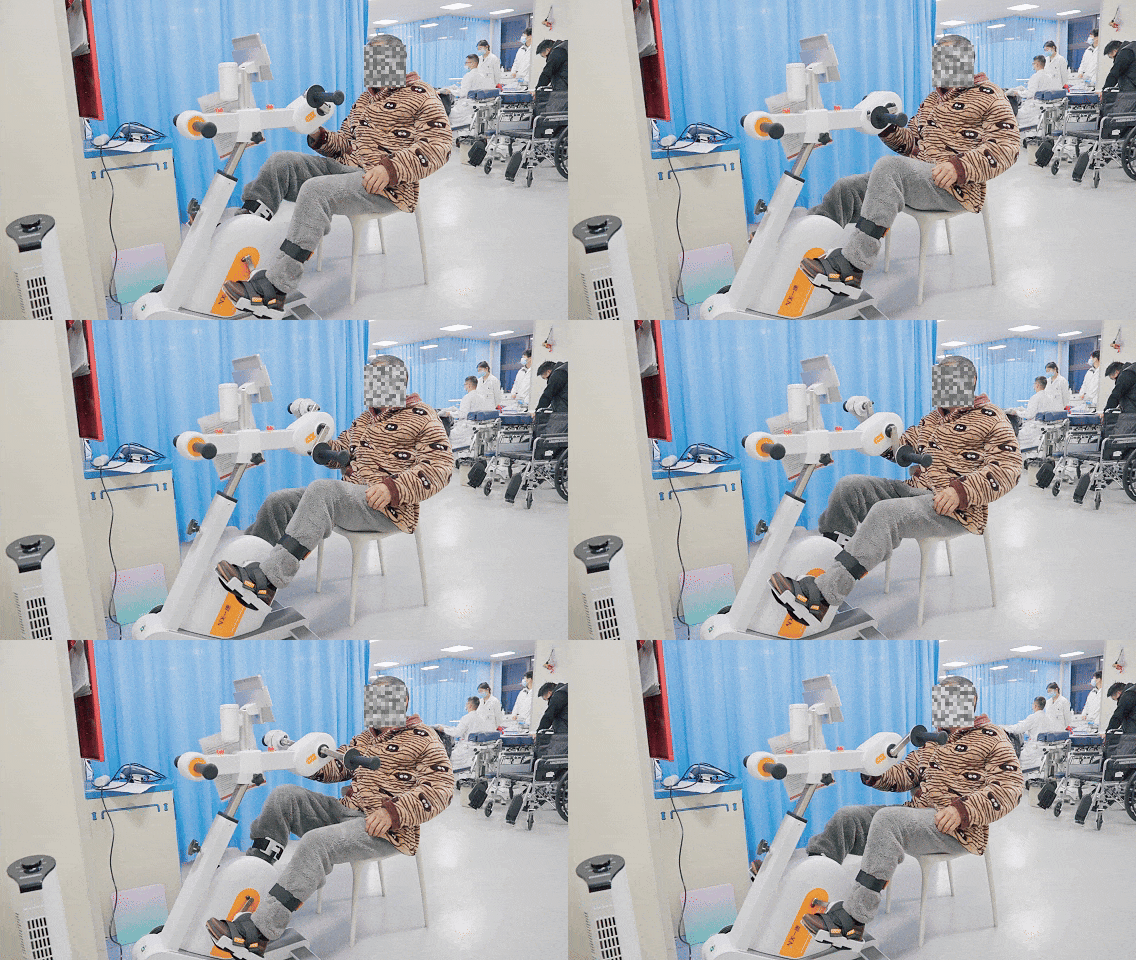
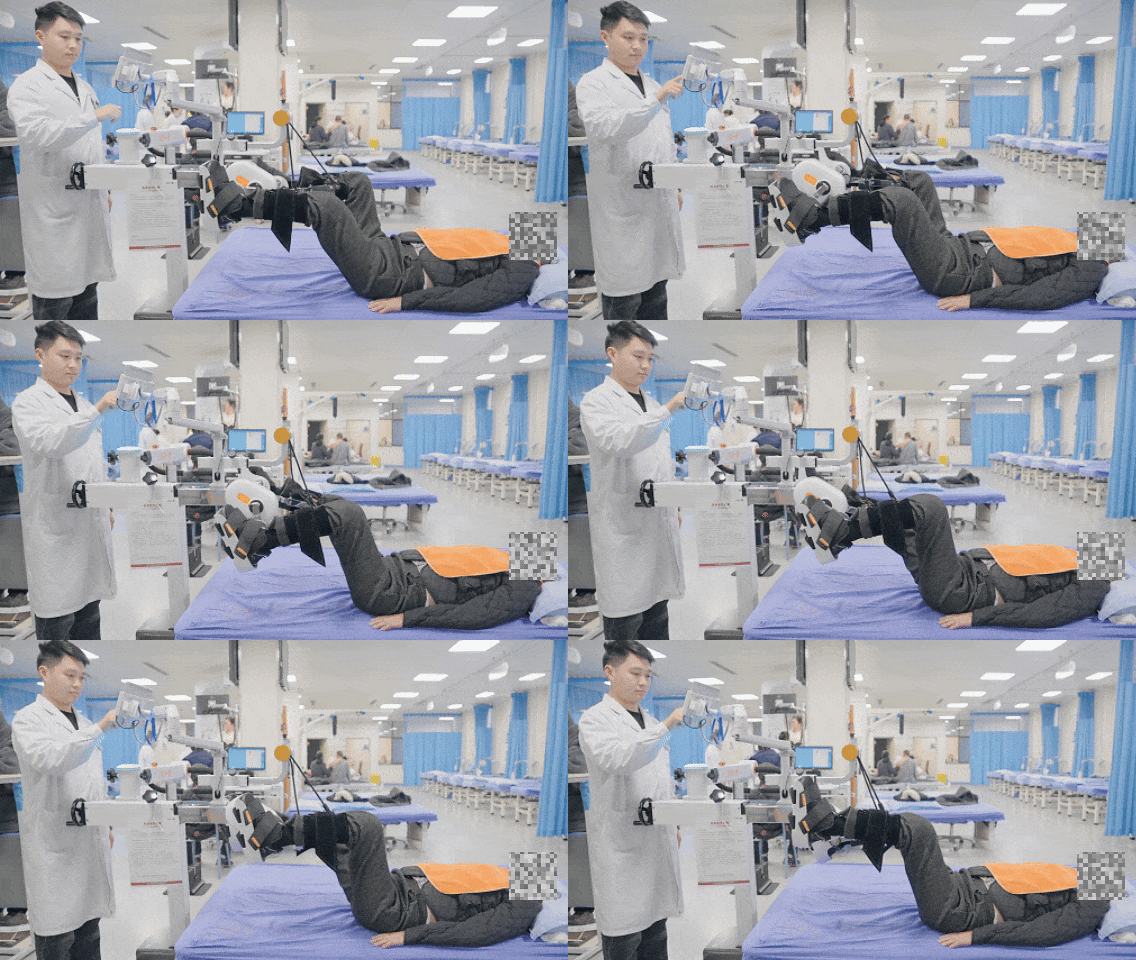
Upper and Lower Limb Active and Passive Motion Assessment Training Device
The upper and lower limb active and passive motion assessment training device simulates natural human movement driven by motors, combined with residual muscle strength exploration, real-time sensor monitoring, and multi-mode training (passive, active-passive, active resistance), along with personalized parameter customization and safety protection features, to assist in neural remodeling and limb functional recovery. It is suitable for functional impairments caused by neurological diseases such as stroke and spinal cord injury, as well as musculoskeletal disorders such as post-fracture and arthritis, providing safe and efficient limb rehabilitation support for patients at different stages of recovery..
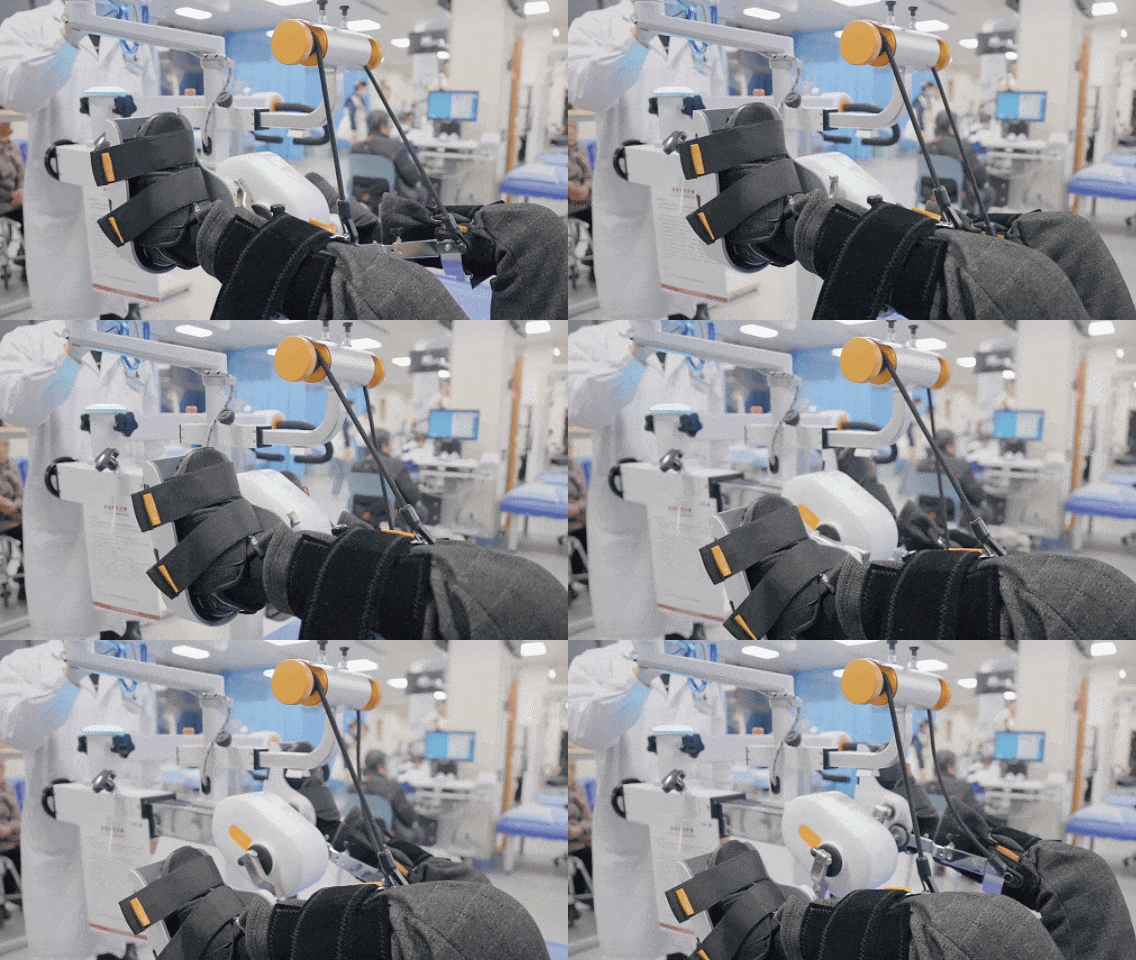
Language Disorder Rehabilitation Assessment Training System
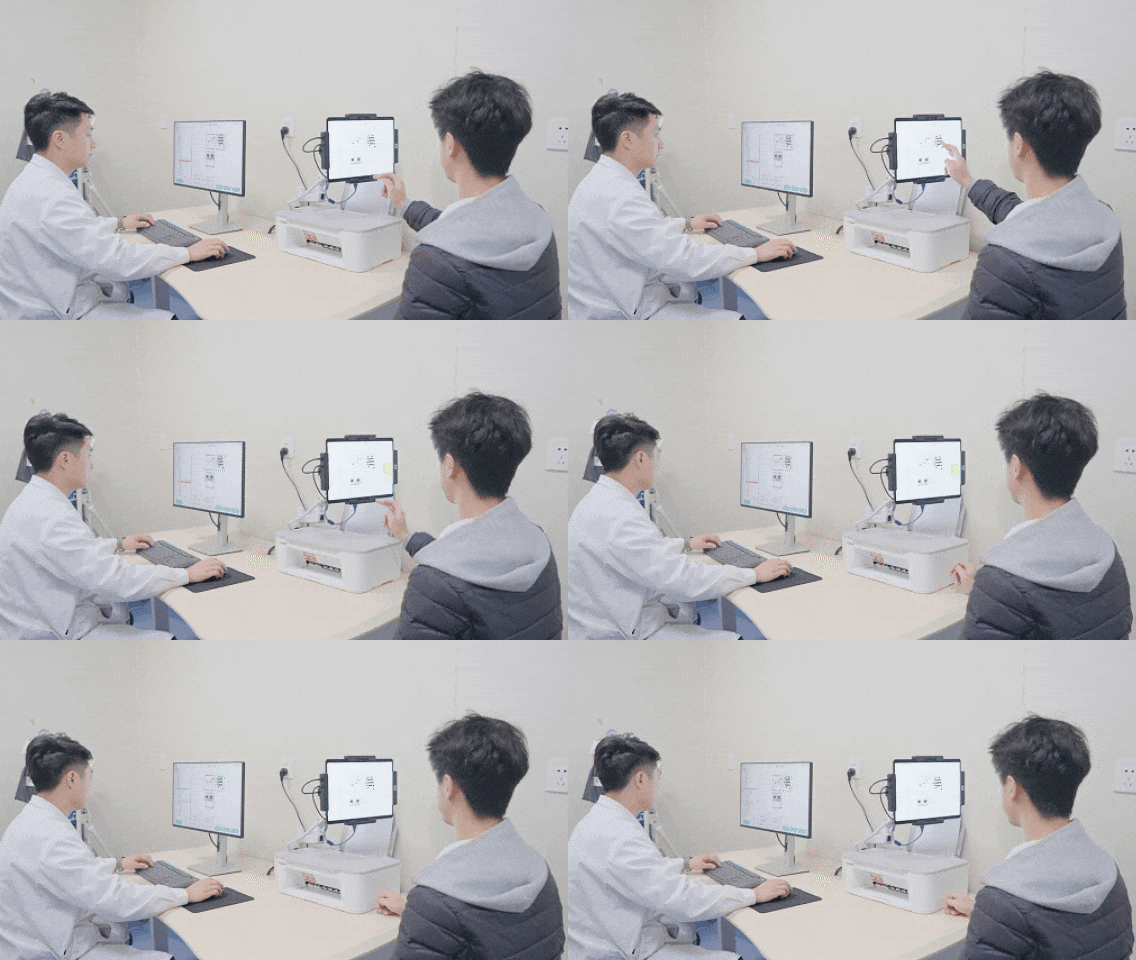
The language disorder rehabilitation assessment training system integrates speech recognition analysis, cognitive training modules, and personalized program generation technology. Through dual-screen interaction, instant feedback, and quantitative data recording, it achieves precise assessment and closed-loop training for language disorders. It is suitable for patients with aphasia, articulation disorders, and children with language development delays, providing scientific and efficient language rehabilitation support.
Rehabilitation robots are not a replacement for traditional therapy but an upgraded version, transforming rehabilitation from a “manual task” into a data-driven, intelligent-assisted, user-friendly, and more efficient scientific process.

In addition to rehabilitation robots, our hospital has also newly equipped advanced medical devices such as CT, color ultrasound, children’s lung function testing, laser scanning ophthalmoscopes, psychological assessment systems, sleep apnea screening devices, and telemetry monitoring systems.
This upgrade of equipment further optimizes the configuration structure of important devices in county-level hospitals, enhancing our hospital’s comprehensive service capabilities. In the future, our hospital will continue to be patient-centered, relying on advanced equipment and professional technology to provide the public with higher quality, more precise, and more convenient medical services.
END
Source: Beichuan Qiang Autonomous County Third People’s Hospital