Zhimi Technology is venturing into the automotive industry! This company, known for its robot vacuums, has suddenly announced its challenge against Bugatti Veyron, and many people’s first reaction is, “Here comes another overambitious player.”
To be honest, I was taken aback when I first heard this news. The new energy vehicle market in 2024 is extremely competitive, with even traditional car manufacturers struggling financially. What makes a home appliance company think it can grab a share of the pie? But upon closer reflection,this might actually be a good opportunity.
To be fair, the barriers to entry in the automotive industry have indeed reached an all-time low. In the past, building a car required developing engines and transmissions, but now electric vehicles are essentially just batteries and four wheels, making the technical challenges significantly lower than those for gasoline vehicles. More importantly,China already has the most mature new energy industry chain in the world, so if one wants to build a car, they can easily find suppliers to produce a product that scores around 70 or 80 points.
Zhimi is not just joking around. Established in 2017, the company is projected to exceed 10 billion yuan in revenue by 2024, ranking fifth globally in robot vacuum sales, with 6,000 offline stores and 30 million users. More importantly,they hold over 6,000 patents, 45% of which are invention patents, with core technologies in high-speed motors and intelligent algorithms.
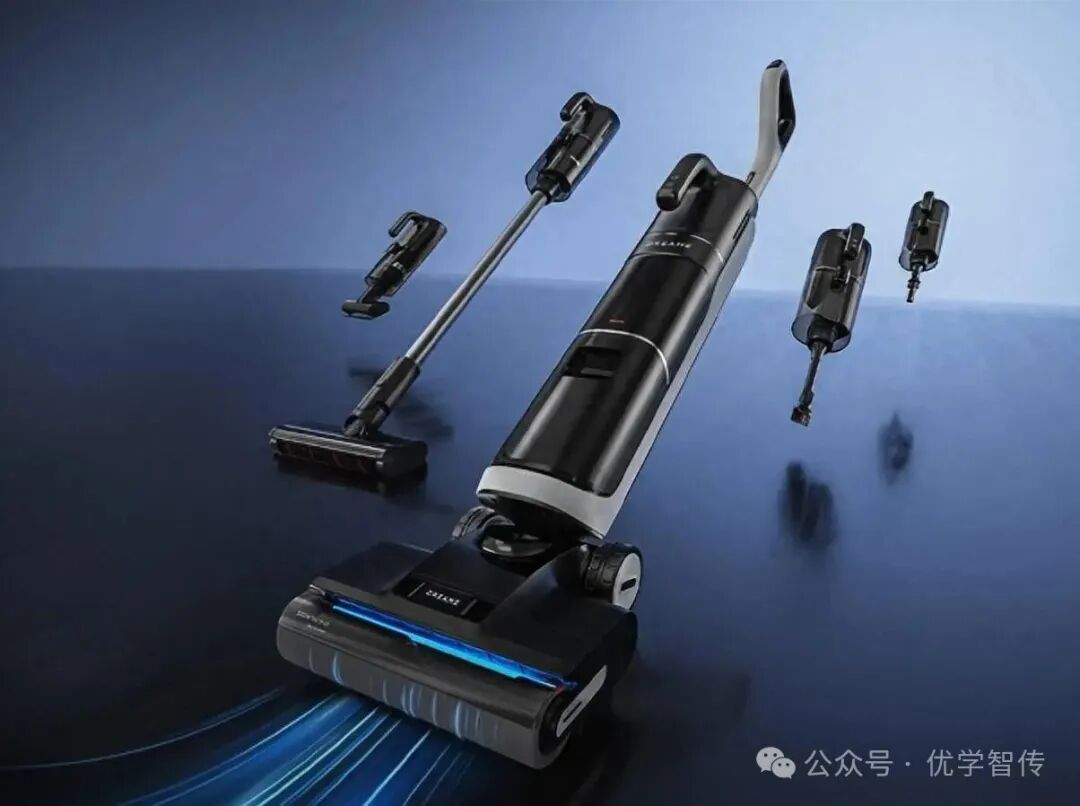
Don’t underestimate these technologies; motor control technology can provide more stable power output in electric vehicles, and intelligent algorithms can enhance autonomous driving capabilities. From a technical perspective, Zhimi indeed has the confidence to cross over into the automotive sector.
Moreover, their chosen market segment is quite smart,directly targeting the ultra-luxury electric vehicle market. Currently, traditional luxury brands like Bugatti and Bentley are not doing well in electrification, while Tesla lacks the luxury appeal. There is indeed a gap in the market. If Zhimi can leverage China’s supply chain advantages and technological accumulation to create competitive products, they might just carve out a path for themselves.
Of course, the risks are evident.Building cars is a money-burning endeavor; NIO has spent 100 billion yuan, and Xiaomi has invested 10 billion. Although Zhimi has decent cash flow, they still need to maintain their core business. If there are issues with the cash flow, they might struggle on both fronts.
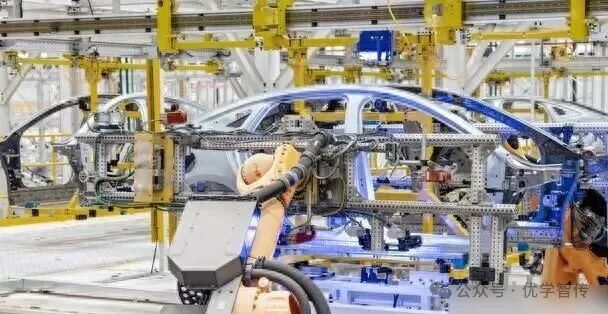
The greater challenge lies in brand recognition. Ultra-luxury car users value brand history and cultural heritage; Bugatti and Bentley have been around for decades, and it is indeed a significant challenge for Zhimi to convince consumers that a company known for robot vacuums can produce cars that rival these brands,which is no small feat.
However, it must be said thatXiaomi and Lei Jun have already proven the potential of new automotive forces. As long as the product definition is bold enough and the marketing strategies are sophisticated enough to attract significant attention, they can achieve remarkable success. Zhimi plans to launch its first car in 2027, so the timeline is not too urgent.
From an industry perspective, there is a deeper reason behind this wave of automotive enthusiasm. Many “new forces” are actually forced into this situation; rather than waiting to die in their current industries, they might as well take a gamble. Traditional industries like real estate, home appliances, and consumer electronics are becoming increasingly difficult, while the automotive industry, despite its fierce competition, still has policy support and room for imagination.

Moreover, the current landscape of the automotive industry is far from settled. As He Xiaopeng from XPeng said,there are still five years until the elimination round, and in the end, only about five companies will remain, with even Tesla not guaranteed a ticket. Since everyone is trying to make a big splash, there is a chance for everyone to succeed.
Zhimi’s “left-hand model” is also quite interesting: the left hand focuses on contract manufacturing for quick returns overseas, while the right hand develops ultra-luxury models to build the brand. This strategy can reduce risks,and even if the self-developed models do not succeed, the contract manufacturing business can maintain cash flow.
Ultimately, whether Zhimi’s venture into car manufacturing succeeds will depend on how the market reacts when the car is produced in 2027. They have the technical accumulation and sufficient funding; the remaining challenge is whether they can convert robot vacuum users into car customers and establish brand recognition in the ultra-luxury market.It is still too early to draw conclusions, but at least Zhimi’s attempt proves that Chinese companies have reached a level of technological accumulation that allows them to challenge the high-end market. If successful, it will be a win-win situation; if not, it will provide valuable experience for future entrants. After all, in this era, how can one know if they don’t try?