The Raspberry Pi is a microcomputer based on the ARM architecture, equipped with a complete operating system and strong computing capabilities, suitable for running complex applications; while a microcontroller is an integrated processor, memory, and I/O interface, typically running bare metal or real-time operating systems, focusing on real-time control and simple task processing. There are significant differences between the two in terms of hardware complexity, functional positioning, and application scenarios.
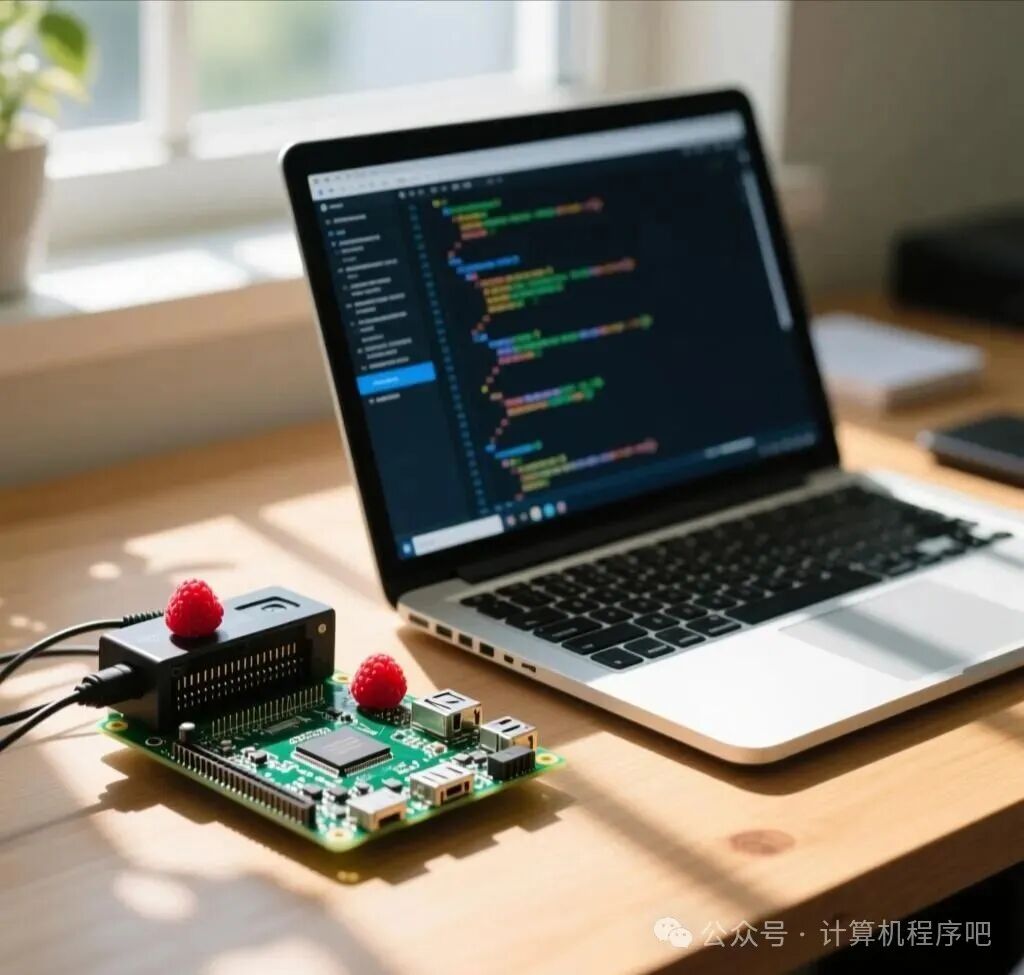
Differences Between Raspberry Pi and Microcontrollers
The Raspberry Pi and microcontrollers are two different types of embedded devices, and they have significant differences in architecture, performance, development methods, and application scenarios. The main differences are as follows:
1. Hardware Architecture and Performance
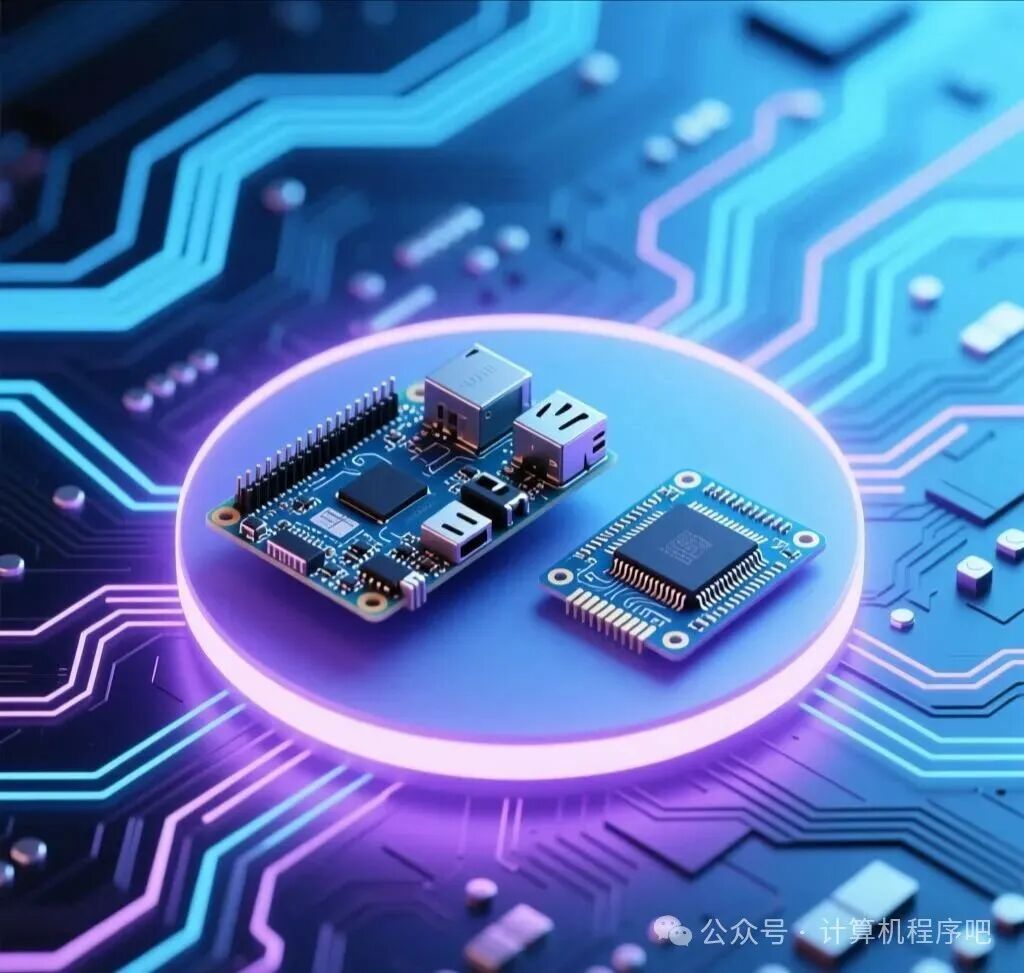
· Raspberry Pi: It is a single-board computer that uses an ARM architecture processor, has strong performance, can run a complete operating system (such as Linux), and is equipped with rich hardware resources such as USB interfaces, HDMI output, and network interfaces. It can connect to peripherals like monitors, keyboards, and mice, and can execute complex tasks (such as multimedia playback and network services).
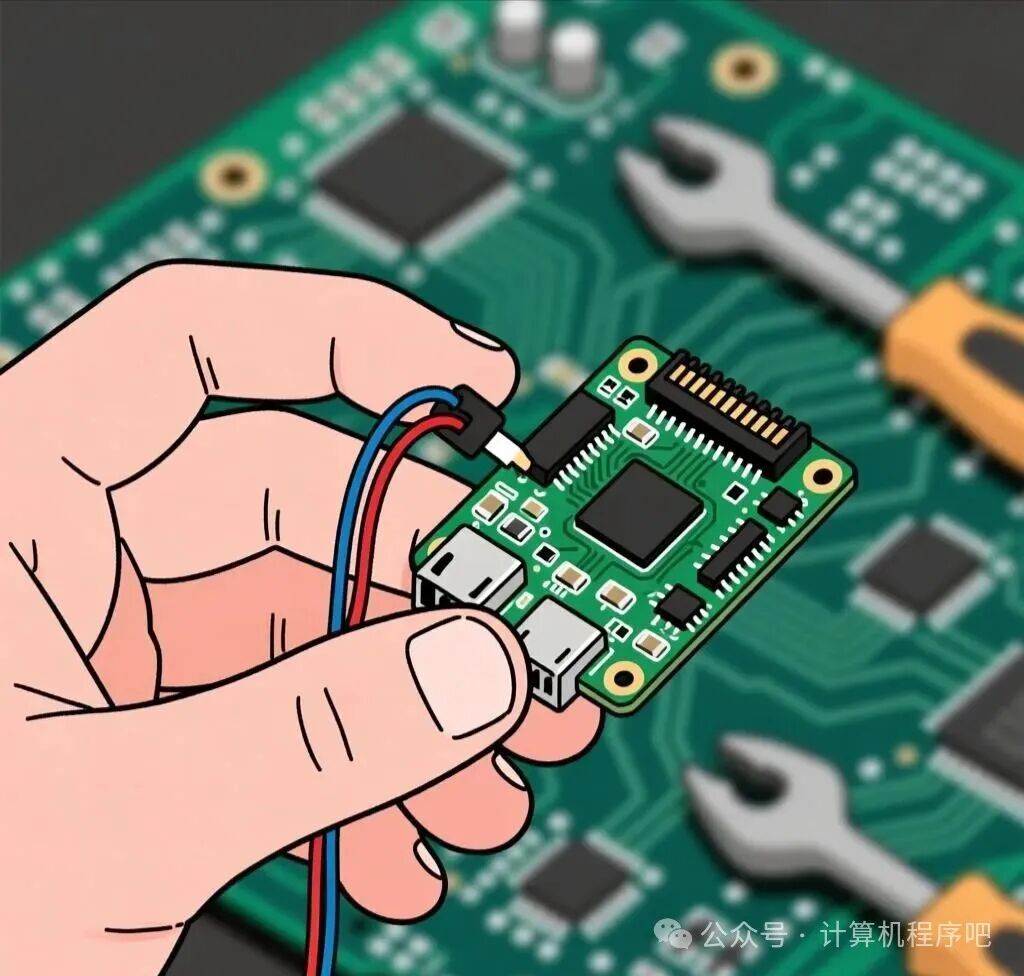
· Microcontroller: It is a microcomputer system integrated on a single chip, containing a CPU, memory, I/O interfaces, etc. Its performance is relatively lower, with limited storage space, and is typically used for simple control tasks, requiring specific peripheral interfaces to be configured based on the application.
2. Development Methods
· Raspberry Pi: Development is based on an operating system, and general programming languages such as Python and C++ can be used. The development environment is similar to that of a regular computer, supporting graphical interfaces and a rich set of open-source libraries, making it suitable for rapid application development.
· Microcontroller: Development is usually done in bare metal or using small real-time operating systems (such as UCOS), requiring direct manipulation of hardware registers. Development tools are mostly specialized IDEs, and the programming language is primarily C, necessitating a deep understanding of hardware principles.
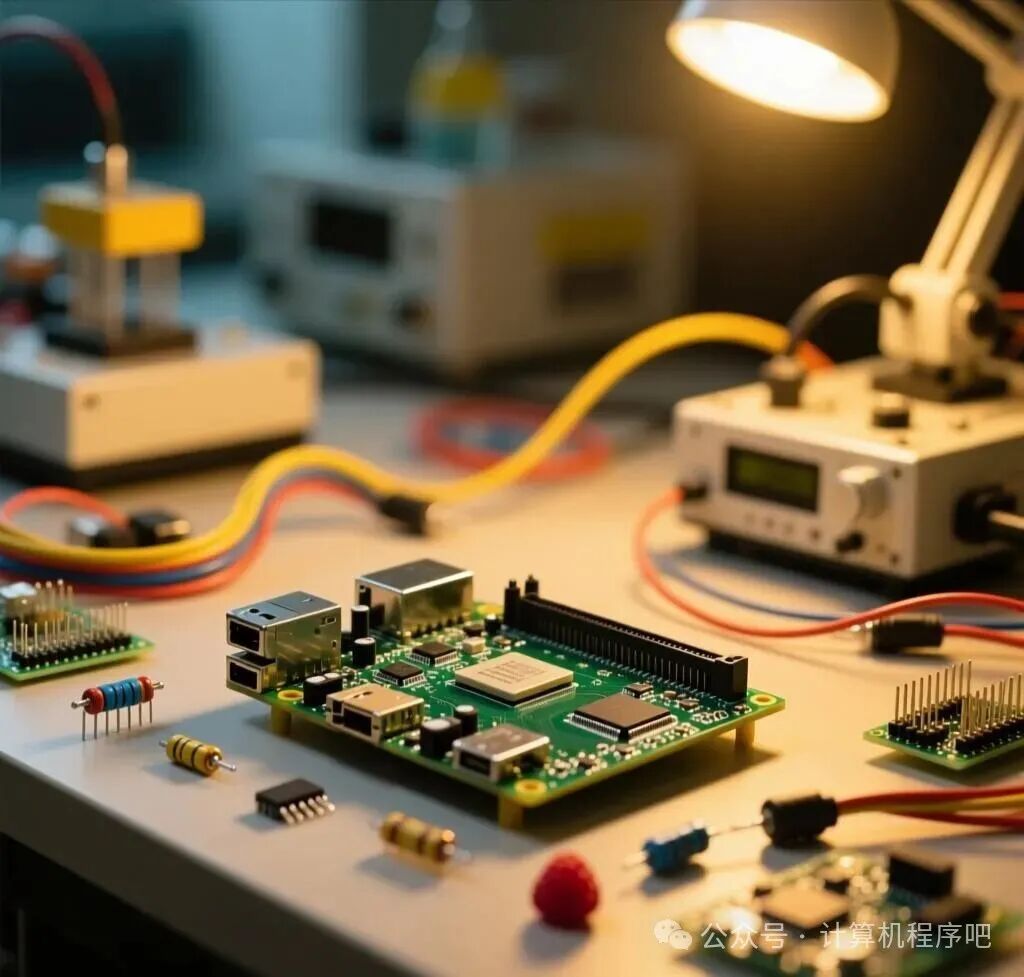
3. Application Scenarios
· Raspberry Pi: Suitable for scenarios requiring high performance, rich interfaces, and complex functions, such as IoT gateways, smart home control centers, media players, and educational programming platforms.
· Microcontroller: Widely used in fields with high requirements for cost, power consumption, and real-time performance, such as appliance control, automotive electronics, industrial automation, and sensor nodes.
4. Price and Cost
· Raspberry Pi: Relatively high price, generally ranging from hundreds to thousands of yuan, suitable for projects with high performance and functional requirements.
· Microcontroller: Lower price, especially for general-purpose microcontroller chips, with costs as low as a few yuan to several tens of yuan, suitable for large-scale production and low-cost applications.
What Programming Language is Used for Raspberry Pi Microcontrollers?
Raspberry Pi microcontrollers primarily use Python for programming, but also support C, C++, and other languages.
Python is the official programming language for Raspberry Pi, characterized by its simplicity and ease of learning, making it very suitable for beginners. For GPIO pin control, MicroPython can be used for development.
When programming GPIO, three coding methods need to be noted: onboard coding (numbered by physical location), BCM coding (numbered by chip channel), and wiringPi coding.
Conclusion:
The Raspberry Pi is suitable for scenarios requiring rapid development of complex applications with high performance and interface requirements; microcontrollers are more suitable for embedded control applications with strict requirements for cost, power consumption, and real-time performance.
Both can be chosen based on specific needs, with the Raspberry Pi focusing more on application development and microcontrollers focusing more on hardware control.