Introduction
Intelligent sensors in precision agriculture are known as “field doctors” that can monitor soil moisture, crop health, and weather changes in real-time. They are divided into six major categories, from capacitive sensors that measure moisture to crop sensors that detect diseases, helping farmers to irrigate and fertilize accurately. This not only saves costs and protects the environment but also increases yield, making agricultural black technology extremely practical!
Types of Intelligent Sensors in Precision Agriculture
Source:Journal of Sensors
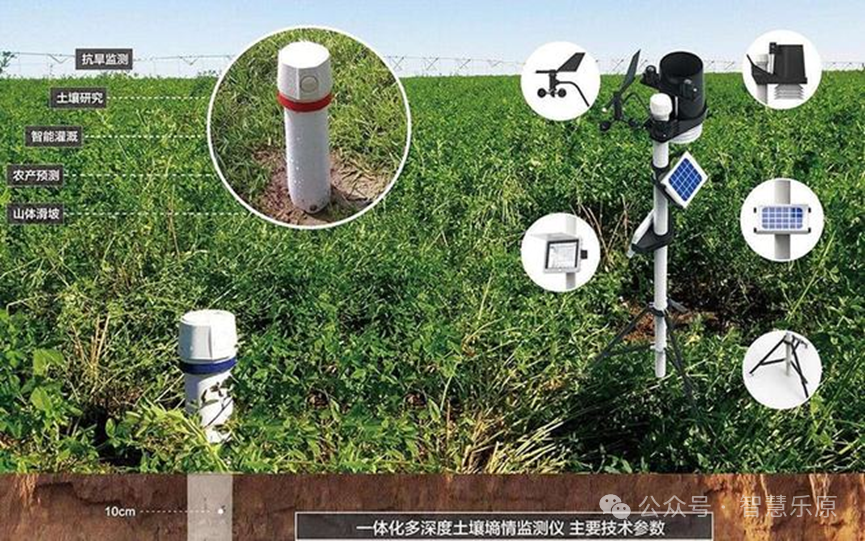
In the field of precision agriculture, various intelligent sensors play a core role in collecting key agronomic data, which can provide a basis for data-driven decision-making and targeted interventions. Intelligent sensors continuously collect real-time data related to key agricultural factors such as soil moisture, temperature, nutrient concentration, crop growth, weather conditions, and other indicators. This continuous flow of information enables farmers to monitor changes and respond promptly to the ever-changing environment.
By collecting data from different locations in the field, intelligent sensors can reveal the spatial variability of soil characteristics and crop health. This insight helps farmers identify areas with specific needs, allowing resources to be allocated precisely to the most beneficial locations. With the accurate data provided by intelligent sensors, farmers can optimize resource input to match the precise needs of different areas in the field. This precision applies to water resources, fertilizers, pesticides, and other inputs, maximizing waste reduction and minimizing environmental impact.
Intelligent sensors enable targeted interventions by early detection of pests or stress factors in crops. The early warning mechanism allows farmers to selectively and efficiently take appropriate control measures, reducing the need for comprehensive chemical treatments. In the face of unpredictable weather patterns brought about by climate change, intelligent sensors help enhance climate adaptability. This data assists farmers in adjusting planting methods to cope with environmental changes and protect crops from extreme weather events.
The vast data provided by intelligent sensors is processed through data analysis and artificial intelligence tools. The resulting observations enable farmers to make data-driven decisions, improving management practices for better returns. Intelligent sensors typically feature remote monitoring capabilities, allowing farmers to access real-time data via smartphones or computers. The automation and remote control of irrigation systems and other equipment simplify farm operations and enhance overall efficiency.
By promoting precise resource management, intelligent sensors contribute to environmental sustainability. Reducing chemical use, conserving water resources, and improving soil health are core elements of sustainable agricultural practices. Precision agriculture enabled by intelligent sensor technology can enhance productivity and profitability—optimized resource use, reduced input costs, and higher yields all contribute to the economic viability of agricultural operations.
These intelligent sensors are designed to monitor specific parameters related to soil health, crop conditions, and environmental factors. Key types of intelligent sensors used in precision agriculture include:
1 Soil Moisture Sensors
Soil moisture sensors are precision instruments used to measure the total water content in the soil. They provide highly accurate and reliable data, making them valuable tools in agriculture, environmental monitoring, and research. These sensors can help farmers, researchers, and land managers optimize irrigation practices, increase crop yields, and conserve water resources.
The working principle of soil moisture sensors is based on measuring the dielectric constant of the soil. The dielectric constant is a characteristic indicator of a material’s ability to store charge in an electric field: when the soil is moist, the water content is higher, and the dielectric constant of water is greater than that of dry soil. By comparing the dielectric constant of the soil with known values of completely dry soil, the sensor can calculate the volumetric water content.
2 Tensiometers
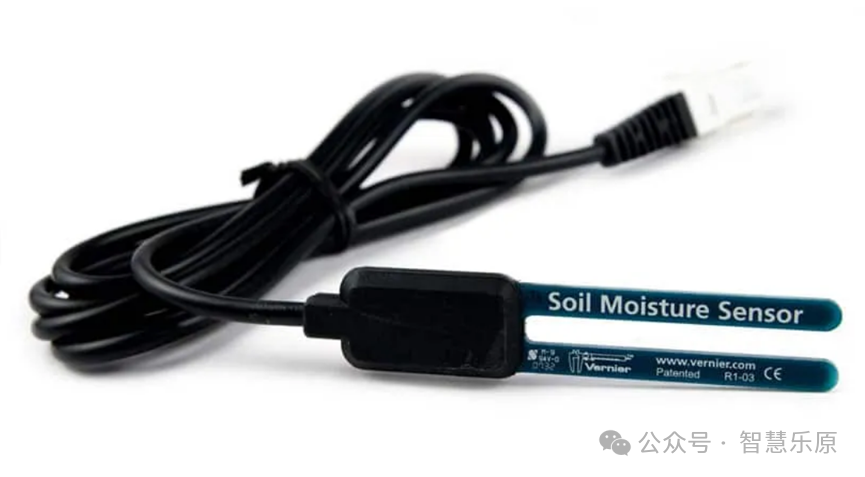
Tensiometers are specialized instruments used to measure soil matric potential (or soil tension), reflecting the strength of soil water retention. These devices are widely used in agriculture, horticulture, and environmental research, helping to optimize irrigation practices by monitoring soil moisture levels. They provide important information about soil water retention capacity, enabling farmers and researchers to scientifically determine irrigation timing and manage water resources.
The working principle of tensiometers is based on capillarity. The bottom of the instrument is equipped with a porous ceramic cup (or tube), connected to a transparent sealed tube above. After filling the ceramic container with water, it is buried underground to the desired depth. When the soil loses moisture, water from the ceramic container is drawn into the soil through capillarity; the tube above the ceramic cup is connected to a pressure gauge or data logger, and as moisture flows into the soil causing the water level in the tube to drop, a vacuum is created in the tube. The degree of vacuum measured by the pressure gauge is directly related to the soil matric potential (or tension): the lower the water level in the tube, the drier the soil; the higher the water level, the wetter the soil.
3 Capacitive Sensors
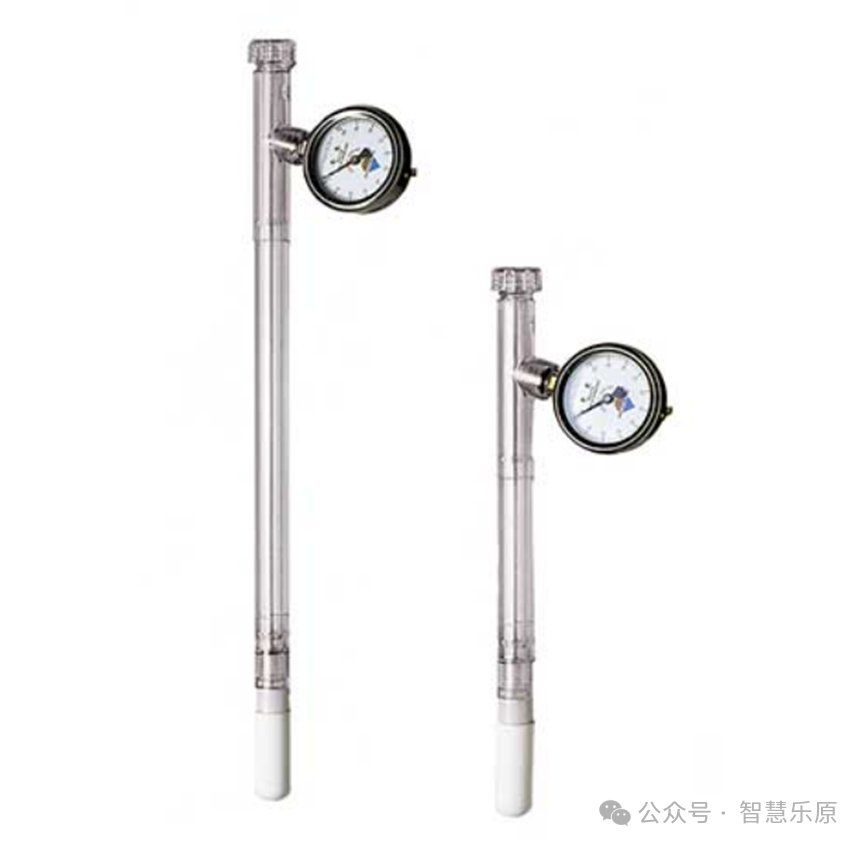
Capacitive sensors (also known as capacitive soil moisture sensors) are commonly used tools for measuring soil moisture. They operate based on the principle of capacitance—capacitance refers to the ability of a capacitor to store charge between two conductive plates separated by a dielectric material. These sensors provide a practical and non-invasive method for soil moisture monitoring in agriculture, horticulture, and environmental fields.
Capacitive sensors typically consist of two electrodes (or probes) inserted into the soil, acting as the plates of a capacitor, with the soil itself serving as the dielectric material between the plates. When the soil is dry, the dielectric constant is lower, allowing the capacitor to store more charge; conversely, when the soil is moist, the dielectric constant increases, reducing the capacitor’s ability to store charge. By measuring the capacitance value of the sensor, the device can determine the soil moisture content. The sensor usually has built-in circuitry that converts the capacitance readings into corresponding moisture values, providing real-time data on soil moisture levels.
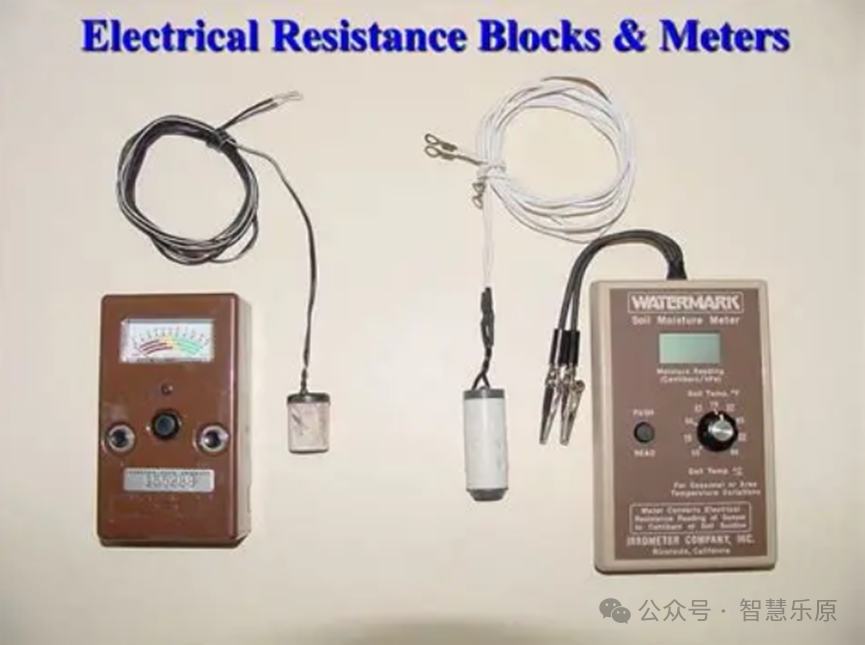
4 Resistive Block Sensors
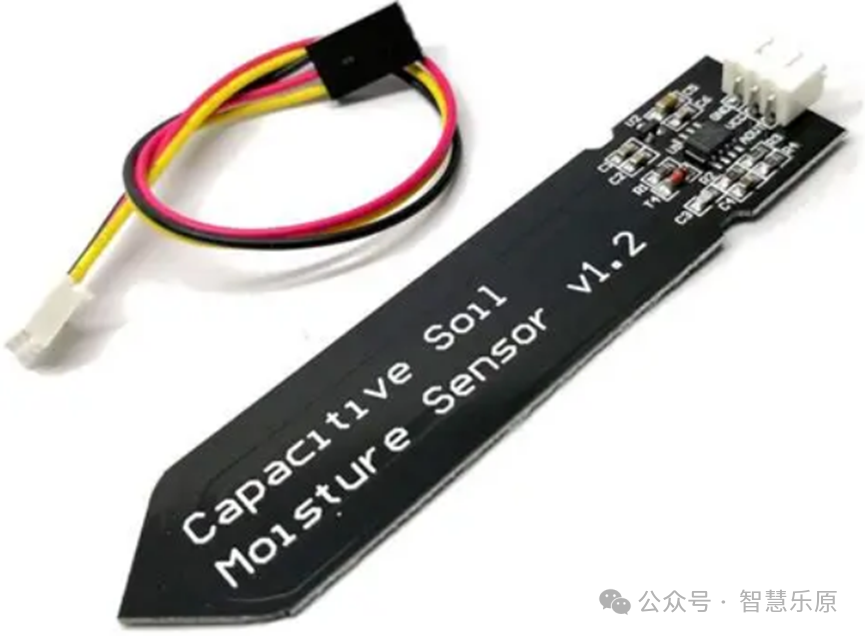
Resistive block sensors are made with corrosion-resistant materials and determine soil moisture by measuring resistance values related to soil water content. They provide real-time data on soil moisture, helping farmers make informed irrigation decisions to avoid overwatering or drought. Resistive block sensors help conserve water resources, reduce nutrient leaching, and improve overall resource use efficiency. With the data collected from resistive block sensors, farmers can implement precise irrigation strategies, thereby increasing crop yields, reducing input costs, and enhancing the sustainability of agricultural practices.
5 Crop Health Sensors
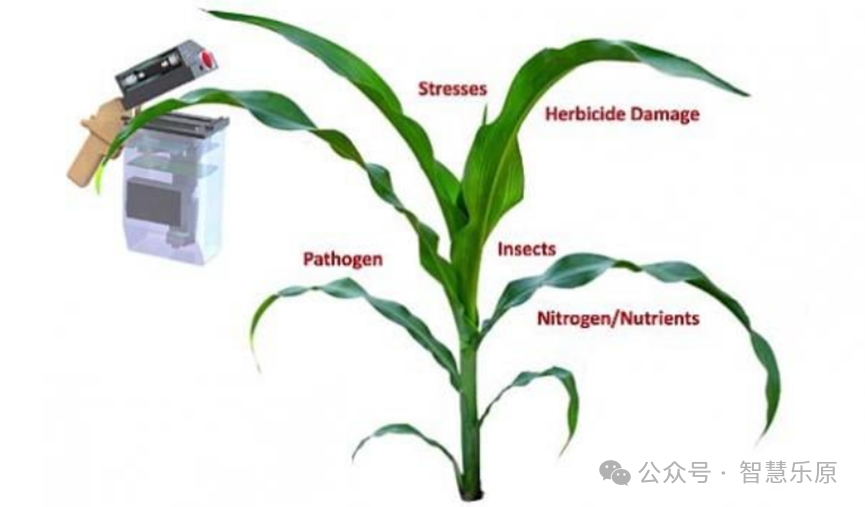
Crop health sensors are specialized devices used to monitor and assess the health status of crops in the field. These sensors are crucial in precision agriculture, providing real-time information on various crop indicators, helping farmers make informed decisions to promote crop growth, prevent diseases, and maximize yields. By monitoring key indicators, crop health sensors can detect potential issues early, supporting targeted interventions and promoting sustainable agricultural practices. These sensors are key tools for early detection of crop diseases, pests, and stress factors:
-
Disease Detection Sensors identify potential infections by analyzing physiological changes in plants or the presence of pathogens;
-
Pest Monitoring Sensors can detect the presence of pests, assisting in the implementation of targeted pest management strategies;
-
Stress Sensors assess crop health status and stress levels by measuring leaf temperature, chlorophyll fluorescence, and other plant response indicators.
6 Meteorological and Environmental Sensors
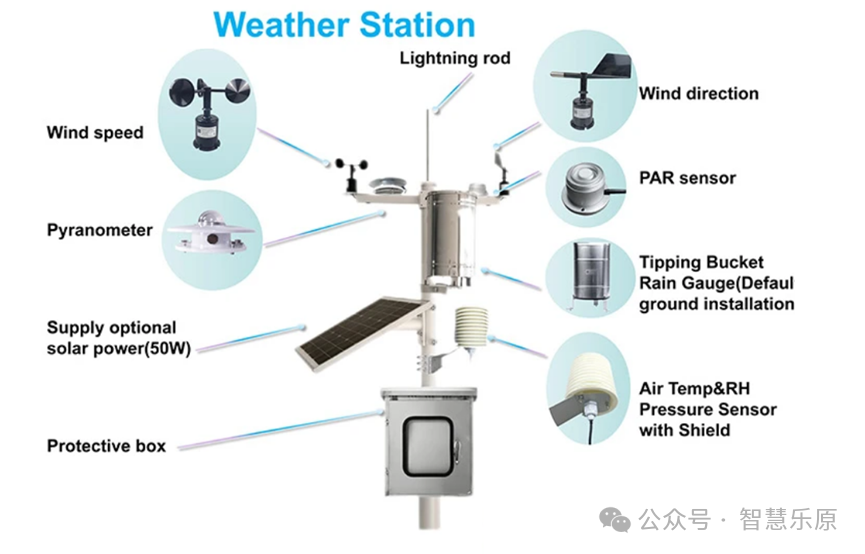
Meteorological and environmental sensors collect data on climatic conditions that directly affect crop growth and health:
-
Temperature and Humidity Sensors provide information on field microclimate, serving as a basis for precise microclimate management;
-
Rainfall Sensors measure precipitation, assisting in water resource management and irrigation decisions;
-
Wind Speed and Direction Sensors assess wind speed and direction, which is crucial for planning pesticide application and preventing drift.
Integrating these intelligent sensors into precision agriculture enables farmers to grasp the status of soil and crops in real-time. By understanding spatial variability and making data-driven decisions, farmers can optimize resource use, reduce input costs, and enhance overall agricultural efficiency. The data collected by these intelligent sensors is often processed through data analysis and artificial intelligence technologies, enabling predictive modeling and precise intervention strategies, promoting sustainable and environmentally friendly agricultural practices. Ultimately, the various intelligent sensors used in precision agriculture play a significant role in increasing yields and conserving resources, supporting the long-term sustainability of agriculture in the context of growing global food demand.

Click the blue text to follow us

Disclaimer: The content of this article is sourced from Smart Agriculture LearnSomeAgtech, and the copyright belongs to the original author. Please indicate the source when reprinting. If there is any infringement, please contact us, and we will promptly correct the source and author or delete it based on the copyright owner’s opinion, and we do not bear any other responsibility.