As the global population ages, traditional elderly care models face challenges of resource shortages and uneven service quality. The rise of artificial intelligence technology has injected new vitality into the elderly care industry. AI-driven smart elderly care achieves comprehensive care for the health, safety, and social needs of the elderly through smart devices, big data analysis, and robotics. This model not only enhances care efficiency but also allows the elderly to enjoy more personalized and convenient life services. From smart homes to telemedicine, AI is gradually transforming the ecology of the elderly care industry, promoting a shift towards a more humane elderly care system.
Recently, the world’s first international standard for elderly care robots was officially released. This milestone event was led by the International Organization for Standardization (ISO), with experts from multiple countries participating in its formulation. The standard covers the design specifications, safety performance, interaction protocols, and certification processes for robots, aiming to ensure reliable operation of products in real-world environments. For example, the standard requires robots to have fall detection, emergency call capabilities, and personalized learning abilities to meet the diverse needs of the elderly. This initiative not only fills a gap in the industry but also provides a unified technical framework for the global elderly care robot market, facilitating international recognition and trade.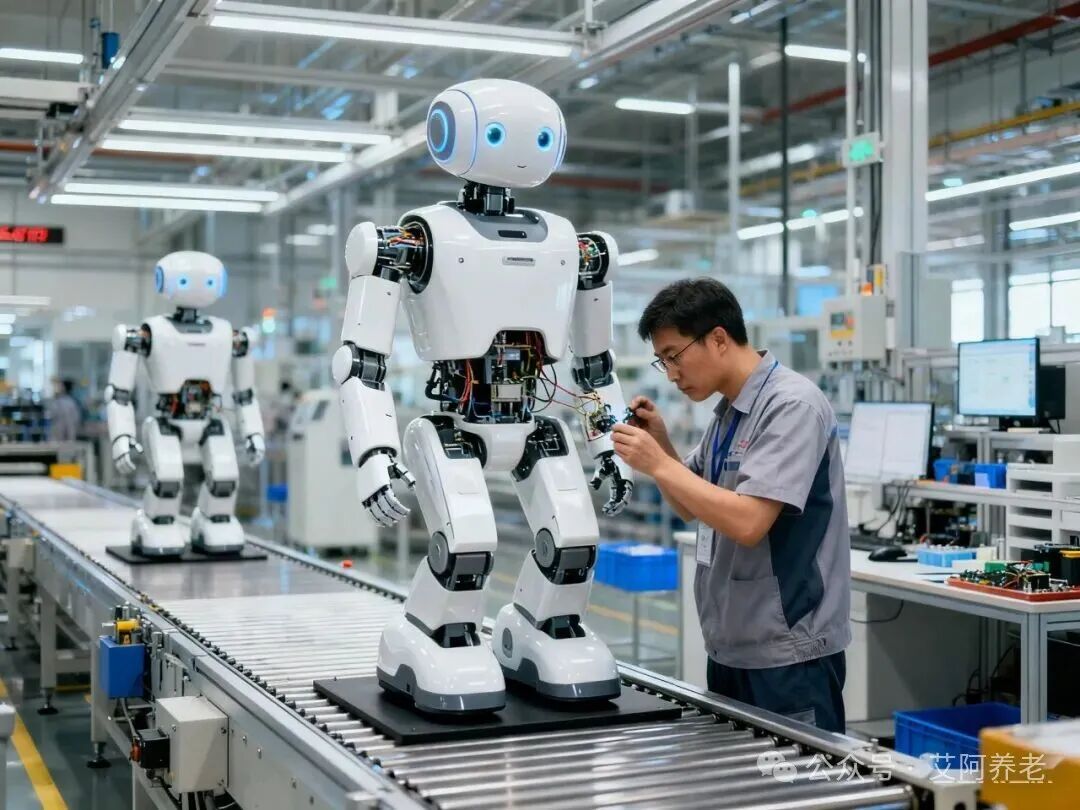
The implementation of the international standard for elderly care robots will profoundly impact various aspects of the industry chain. Firstly, it promotes the standardization of product design, requiring companies to focus on user experience and safety, thereby reducing accidents caused by design flaws. Secondly, the standard encourages technological innovation, prompting research and development institutions to focus on cutting-edge areas such as intelligent perception and emotional interaction, developing robots that better adapt to the psychological and physiological characteristics of the elderly. Additionally, the standard lowers market entry barriers, helping small and medium-sized enterprises gain certification to enter the global market, thus accelerating the popularization of elderly care technology. It is expected that in the next five years, compliant elderly care robots will cover more households and institutions, significantly improving the quality of life for the elderly population.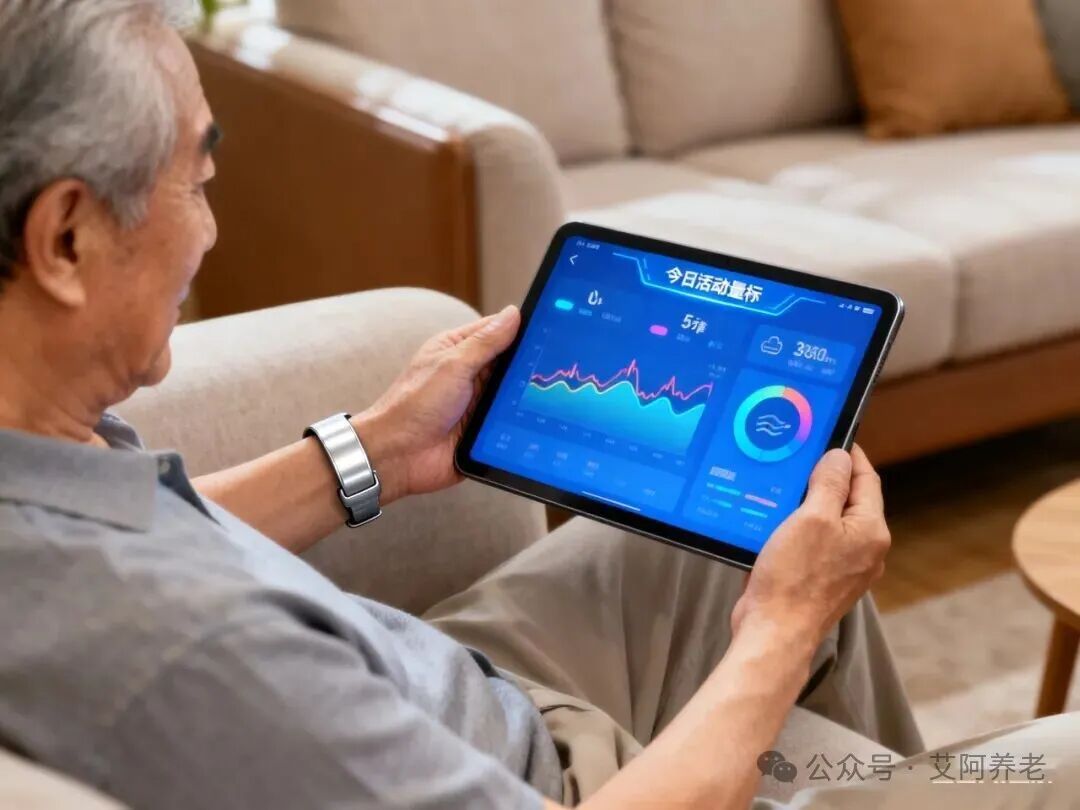
In addition to robots, AI technology shows broad application potential in the elderly care field. Intelligent health monitoring systems collect real-time data on the elderly’s heart rate, blood pressure, and other metrics through wearable devices, combined with algorithms to warn of potential diseases; virtual assistants provide daily reminders, medication management, and entertainment interactions to alleviate feelings of loneliness; big data platforms can analyze the distribution of elderly care resources, optimize service allocation, and improve overall efficiency. These applications collectively build a smart elderly care ecosystem, making technology not just a cold tool but a warm companion. For example, in some pilot projects, AI systems have successfully helped the elderly live independently, reducing the burden on caregivers.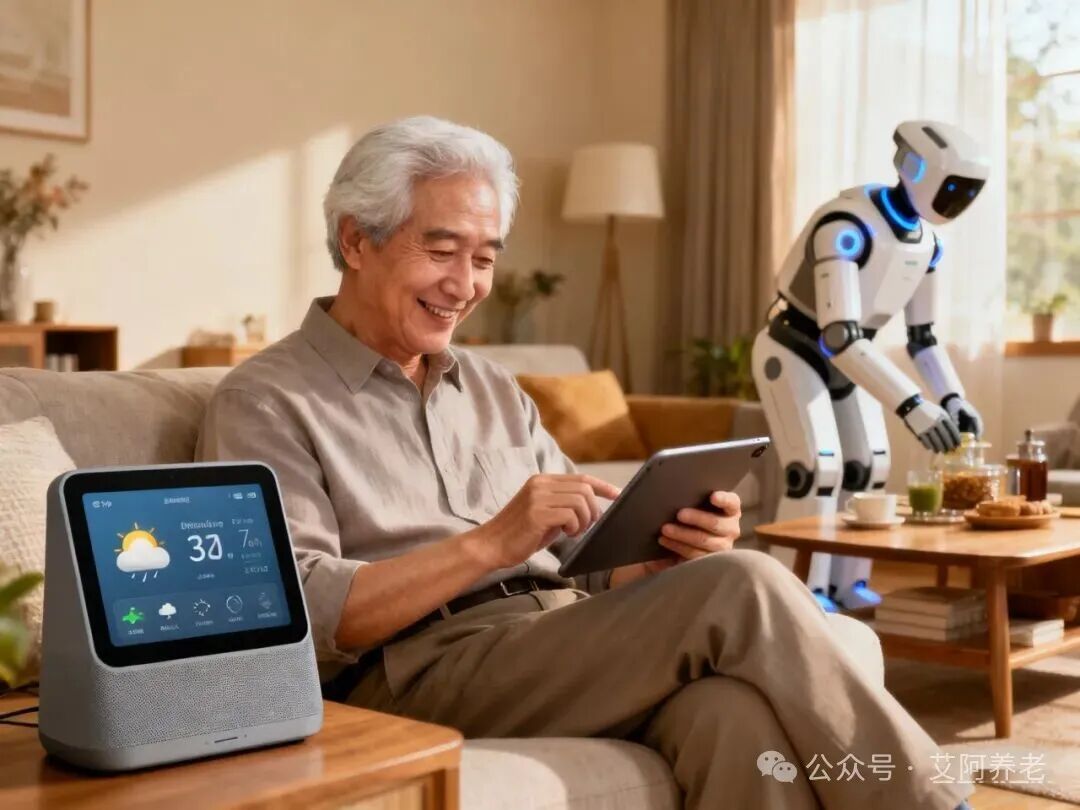
Despite the broad prospects of AI-driven smart elderly care, multiple challenges still need to be overcome. Privacy and security issues are paramount, as sensitive data of the elderly may face leakage risks, necessitating enhanced encryption and regulatory measures. High costs are also a significant barrier, as many families find it difficult to afford advanced AI devices, requiring government subsidies or insurance mechanisms to lower the threshold. Furthermore, there is a significant disparity in technology acceptance, with some elderly individuals being skeptical of new technologies, necessitating education and training to enhance willingness to use. To address these challenges, the industry should promote cross-sector collaboration, establish ethical guidelines, and focus on human-centered product design to ensure that technology truly serves people.
Looking ahead, AI-driven smart elderly care will deeply integrate with 5G, the Internet of Things, and blockchain technology to achieve smarter, more personalized services. Elderly care robots may evolve into family companions, providing emotional support and emergency assistance; smart city infrastructure will integrate elderly care resources to create barrier-free living environments. At the same time, global cooperation will strengthen to jointly address the social issues brought about by aging. We look forward to an era where technology and humanity are balanced, allowing every elderly person to enjoy a dignified and healthy old age. Through continuous innovation and the promotion of international standards, AI-driven smart elderly care is expected to become a key force in addressing the global aging challenge.
— End of Text —