In the bustling streets of the city, traffic congestion has long been a headache. During peak hours, vehicles line up in long queues, significantly extending commuting times and increasing exhaust emissions, which exacerbates environmental pollution. However, with the rise of IoT communication technology, a breakthrough is being brought to this dilemma, injecting a “digital engine” into smart transportation and opening a new chapter of unobstructed travel. Henan Huayangnian Communication Technology Co., Ltd., through its deep cultivation in the field of IoT card sales, provides crucial communication support for the development of smart transportation, helping the transportation system move towards intelligence and efficiency.
The Era of Smart Transportation: IoT Communication Shines
With the acceleration of urbanization, traditional traffic management models are increasingly unable to meet the growing traffic demands. Smart transportation has emerged, relying on advanced information technology for comprehensive and refined management of traffic systems. IoT communication technology, as the “nervous system” of smart transportation, tightly connects various traffic devices, vehicles, and pedestrians, enabling real-time data collection, transmission, and sharing, becoming the core driving force for the development of smart transportation.
Currently, many countries and regions around the world are actively laying out smart transportation projects. According to relevant data, it is expected that by 2026, the global smart transportation market will exceed $400 billion, with a compound annual growth rate of over 15%. Domestically, major cities are also increasing their investment in smart transportation, entering a period of rapid development.
How Does IoT Communication Empower Smart Transportation?
Extensive Data Collection “Touchpoints”
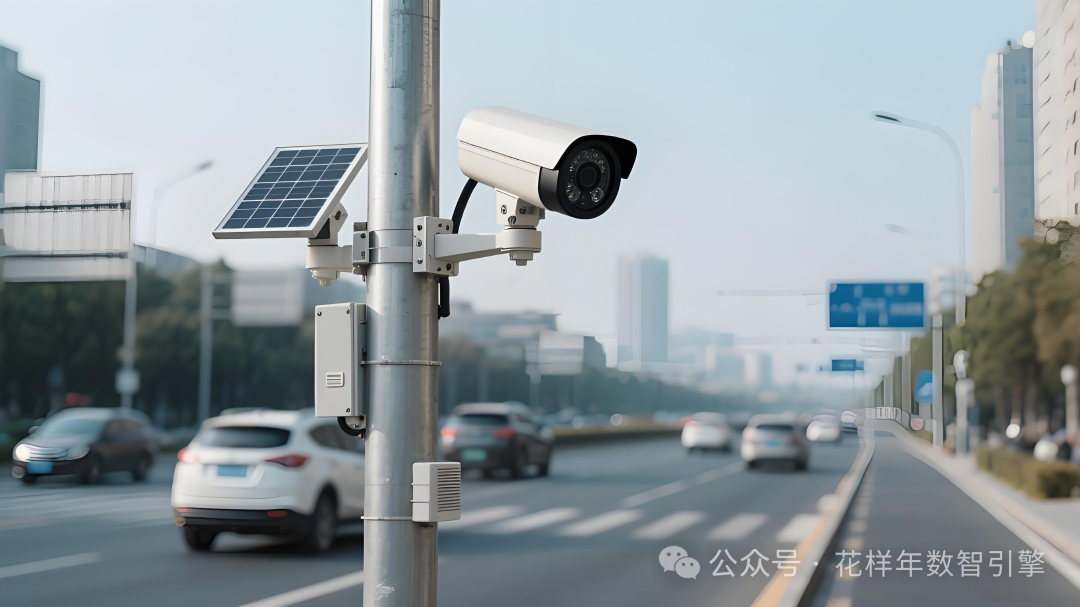
In the smart transportation system, data is the foundation for decision-making. The IoT cards provided by Henan Huayangnian Communication Technology facilitate the efficient operation of various sensors, widely collecting traffic data. On the roads, geomagnetic sensors and microwave radar sensors use IoT cards to transmit real-time information about vehicle flow, speed, and occupancy rates back to the traffic management system. High-definition cameras, also utilizing IoT cards, can not only capture vehicle violations but also analyze traffic density, providing a basis for traffic signal optimization.
For example, at a smart traffic monitoring point deployed on a major road in a city, the combination of sensors and IoT cards achieved a data transmission success rate of 99.8%. Compared to previous traditional solutions, data integrity improved by 30%, providing traffic management departments with more accurate and comprehensive road condition information.
Stable Communication Ensures “Vehicle-Road Collaboration”
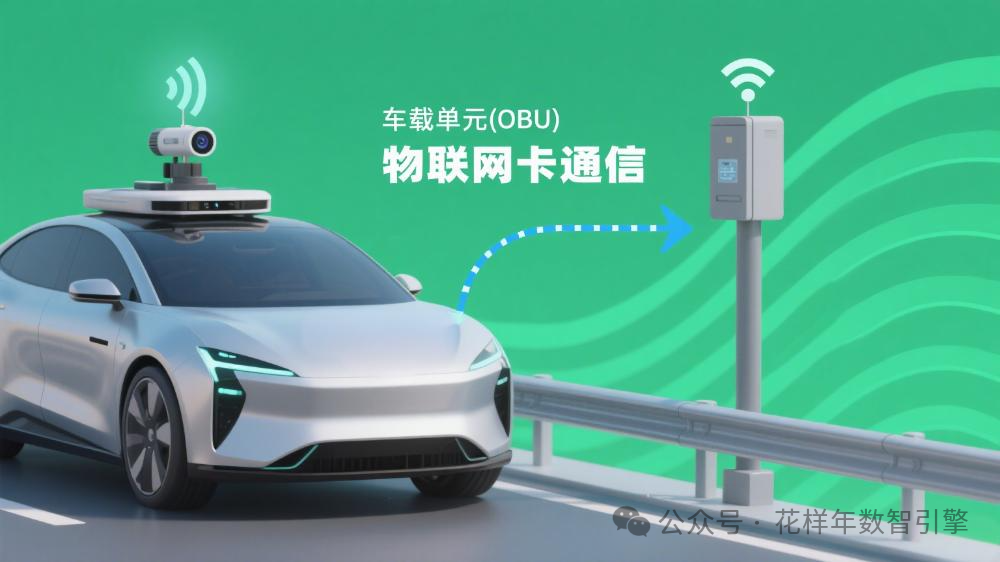
Vehicle-road collaboration is an important development direction for smart transportation, requiring real-time and stable communication between vehicles and road infrastructure. The IoT cards from Henan Huayangnian possess strong anti-interference capabilities and stable signal connections, ensuring uninterrupted data transmission even in complex traffic environments. In vehicle networking applications, vehicles communicate with roadside units (RSUs) via IoT cards, receiving information about road conditions and traffic light statuses in advance to make driving decisions. At the same time, vehicles can upload their own location, speed, and driving intentions, achieving efficient collaboration between vehicles and roads.
In some pilot areas, smart vehicles equipped with IoT cards can obtain traffic light change information 3-5 seconds in advance when passing through intersections, improving vehicle passage efficiency by 20% and effectively alleviating congestion at intersections.
Supporting Efficient Operation of Intelligent Bus Systems
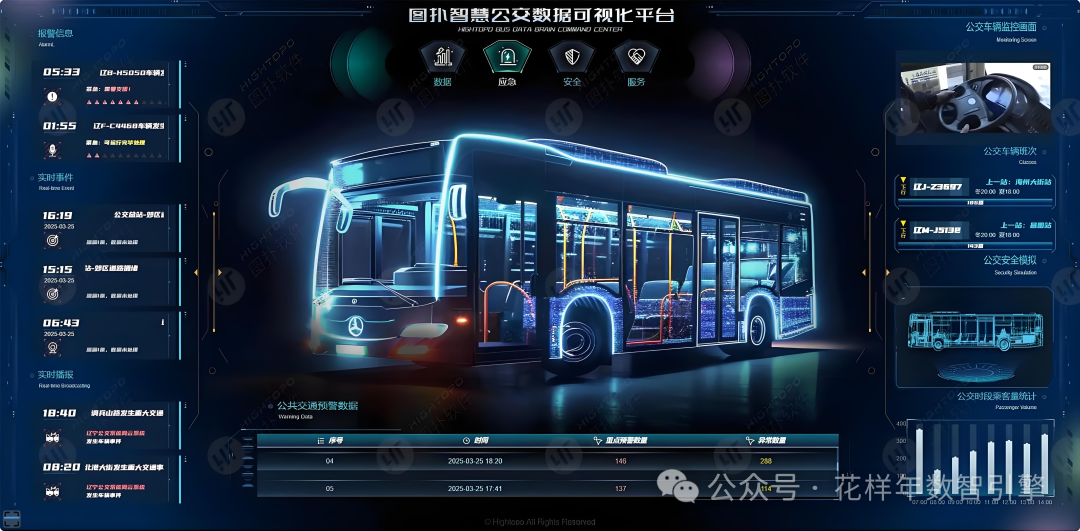
Intelligent bus systems are the development trend of urban public transportation, with IoT communication technology playing a key role. The IoT cards from Henan Huayangnian enable intelligent management of buses. By installing GPS positioning devices, onboard cameras, and passenger flow sensors on buses, and utilizing IoT cards, data on vehicle location, operating status, and passenger flow is transmitted in real-time to the bus dispatch center. The dispatch center uses this data to reasonably arrange departure intervals and optimize bus routes, improving operational efficiency.
After adopting the IoT cards from Henan Huayangnian, a city’s bus punctuality rate increased from 70% to 90%, and the average waiting time for passengers was reduced by 5 minutes, significantly enhancing citizen satisfaction with bus travel.
Successful Cases Witness Strength
Case 1: Upgrade of Urban Intelligent Traffic Management System
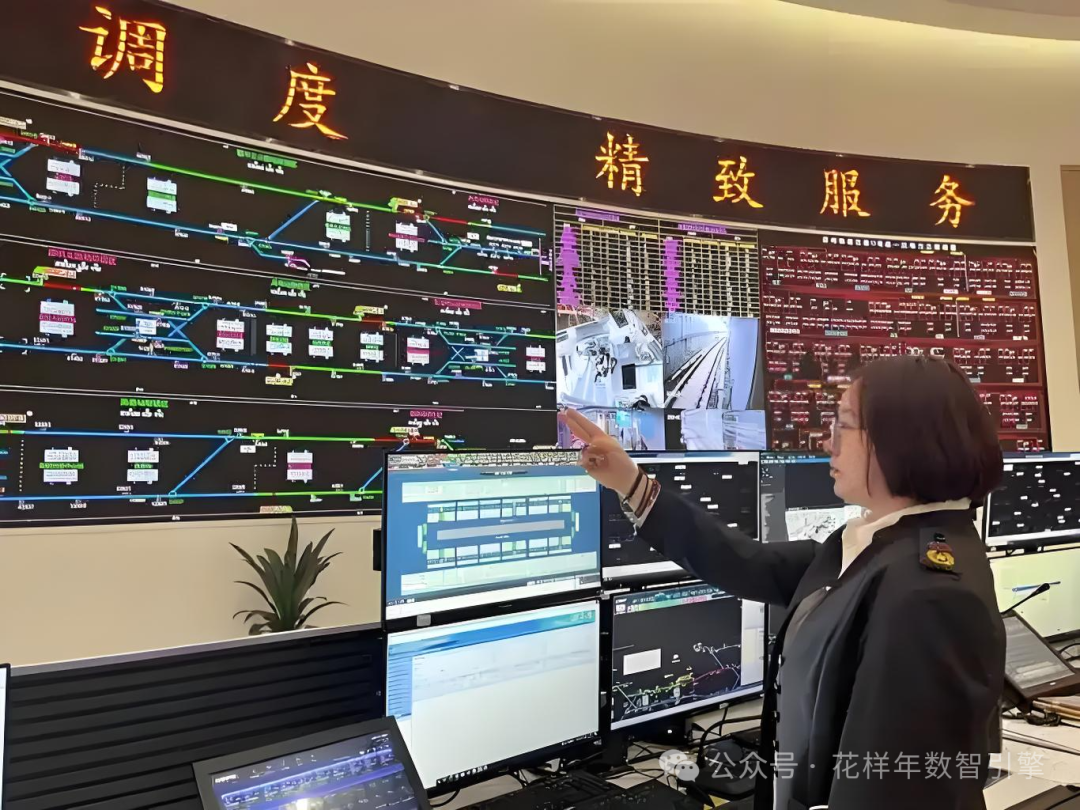
A second-tier city upgraded its urban intelligent traffic management system to alleviate traffic congestion, introducing the IoT card solution from Henan Huayangnian Communication Technology. A large number of smart traffic sensors and cameras were deployed at major intersections and road sections, transmitting collected data in real-time to the traffic command center via IoT cards. The command center utilized big data analysis and artificial intelligence algorithms to monitor and predict traffic flow in real-time, dynamically adjusting traffic signal timing.
After project implementation, the average speed on the city’s main roads increased by 18%, and the duration of congestion during peak hours was reduced by 30 minutes, with a 15% decrease in traffic accident rates. Traffic management departments stated that the IoT cards from Henan Huayangnian are stable and reliable, providing timely and accurate data transmission, which strongly supports the efficient operation of the intelligent traffic management system.
Case 2: Optimization of Smart Logistics Distribution in a Logistics Park
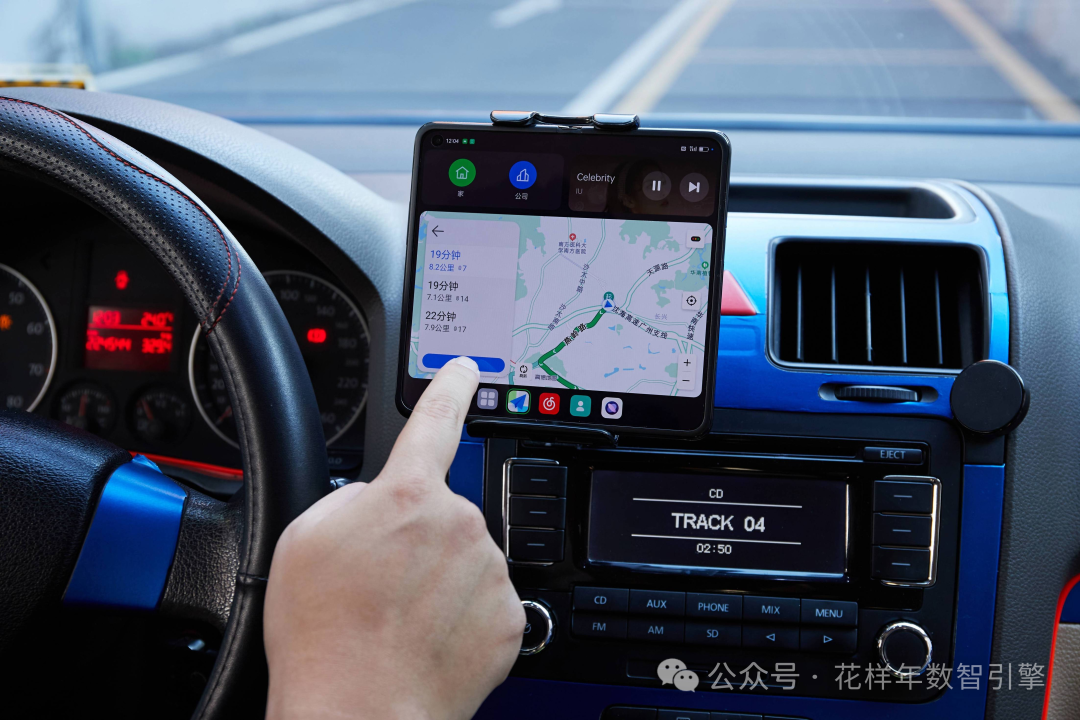
A large logistics park aimed to enhance logistics distribution efficiency by creating a smart logistics distribution system, where IoT cards became a key component. Delivery vehicles in the park were equipped with smart onboard terminals, which communicated with the park management system, warehouse management system, and customer terminals via IoT cards. During transit, vehicles uploaded real-time information on location, travel trajectory, and cargo status, allowing the park management system to optimize delivery routes and reasonably arrange vehicle dispatch. Customers could also track the progress of their deliveries in real-time through a mobile app.
After adopting this solution, the logistics park’s vehicle empty running rate decreased by 25%, delivery time was shortened by 20%, logistics costs dropped by 15%, and customer satisfaction increased from 80% to 95%. The logistics park manager praised, “The IoT cards have made our logistics distribution smarter and more efficient, greatly enhancing our competitiveness.”
Policy Support: The Industry Development Welcomes a “Favorable Wind”
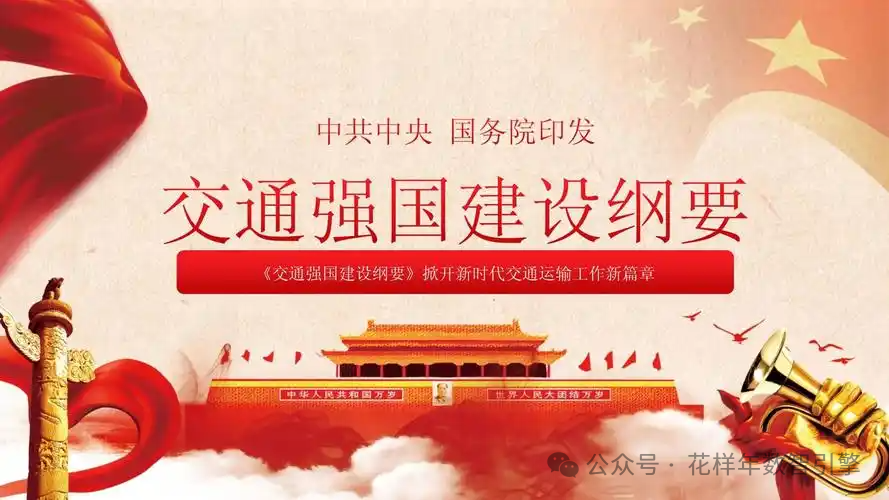
The national and local governments attach great importance to the development of smart transportation, issuing a series of policies to support the application of IoT communication technology in the transportation field. The “Outline for Building a Strong Transportation Nation” clearly states the need to vigorously develop smart transportation and promote the deep integration of new technologies such as IoT, big data, and artificial intelligence with the transportation industry. Local governments are also following suit, providing financial subsidies, tax incentives, and special support for smart transportation projects.
In Henan, the government actively promotes the development of the smart transportation industry, encouraging enterprises to carry out innovative applications of IoT communication technology in the transportation field, and providing R&D subsidies, rent reductions, and other preferential measures to relevant enterprises.
Future Outlook: The Infinite Potential of IoT Communication and Smart Transportation
With continuous technological advancements, IoT communication will achieve deeper integration with smart transportation, showcasing infinite development potential.
5G and IoT Integration Accelerates Smart Transportation Transformation
The large-scale commercial use of 5G technology will bring a qualitative leap to the application of IoT communication in smart transportation. The high speed, low latency, and massive connectivity characteristics of 5G can meet the higher demands of smart transportation for high-definition video transmission, real-time remote control, and massive device connections. In the future, autonomous vehicles will become more widespread, and through the integration of 5G and IoT, vehicles will achieve more precise environmental perception and faster decision-making responses, truly realizing safe and efficient autonomous driving.
Deep Integration of IoT and Artificial Intelligence Achieves Autonomous Intelligent Decision-Making in Transportation
The application of artificial intelligence technology in smart transportation will become increasingly widespread, and IoT communication provides a rich data source for artificial intelligence. In the future, traffic systems will be able to achieve autonomous intelligent decision-making by combining massive traffic data collected through IoT with artificial intelligence algorithms. For example, intelligent traffic signal systems can automatically adjust signal timing based on real-time traffic conditions and predictive data without human intervention; logistics distribution systems can automatically plan optimal delivery routes based on vehicle locations, traffic conditions, and order demands, achieving intelligent logistics scheduling.
Upgrading IoT Security Technology to Safeguard Smart Transportation
As the application of IoT in smart transportation deepens, data security and network security become crucial. In the future, IoT communication will continue to innovate in security technology, ensuring the secure transmission and storage of traffic data through encryption algorithms, identity authentication, intrusion detection, and other means, preventing attacks on vehicle control systems.
From the streets of the city to the transportation routes of logistics parks, IoT communication is injecting continuous power into the development of smart transportation with its strong connectivity. Henan Huayangnian Communication Technology Co., Ltd., as an important participant in the field of IoT communication, will continue to leverage its advantages, providing high-quality IoT card products and services to support more smart transportation projects, making travel more convenient and efficient, and jointly driving towards a bright future of smart transportation.