As the global population ages, traditional elderly care models face significant challenges, and smart elderly care has emerged as a solution. Breakthrough advancements in artificial intelligence technology have injected new vitality into elderly care services. Elderly care robots have evolved from being simple emotional companionship tools to intelligent companions that integrate multiple functions such as health monitoring, safety alerts, and daily assistance. These robots can engage in smooth conversations with the elderly through natural language processing and utilize sensors and data analysis to track health conditions in real-time. For instance, by using built-in cameras and microphones, robots can recognize changes in the elderly’s emotions and provide personalized interactions. This comprehensive intelligent device is reshaping the elderly care industry, bringing warmth to the later years of life.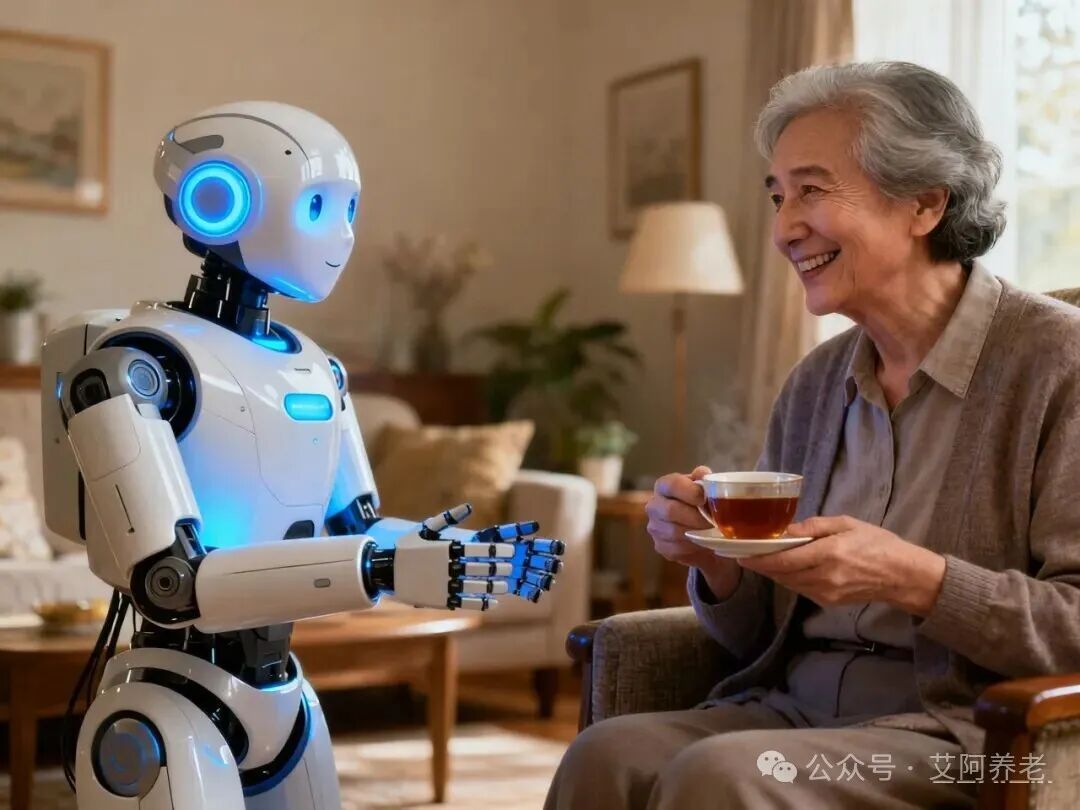
Emotional companionship, as the core function of elderly care robots, has undergone an upgrade from basic conversation to deep emotional support. Early models could only perform preset Q&A or play media content, but modern AI robots are equipped with emotional computing algorithms that analyze voice tone, facial expressions, and body language to understand the psychological state of the elderly. When loneliness, anxiety, or depression is detected, the robot proactively initiates comforting conversations, recommends relaxing music or reminiscence therapy, and even simulates intimate companionship behaviors. Some high-end models can learn the elderly’s interests and hobbies, adjust their communication style, and establish long-term emotional bonds. This intelligent upgrade significantly enhances the mental health of the elderly and reduces feelings of social isolation.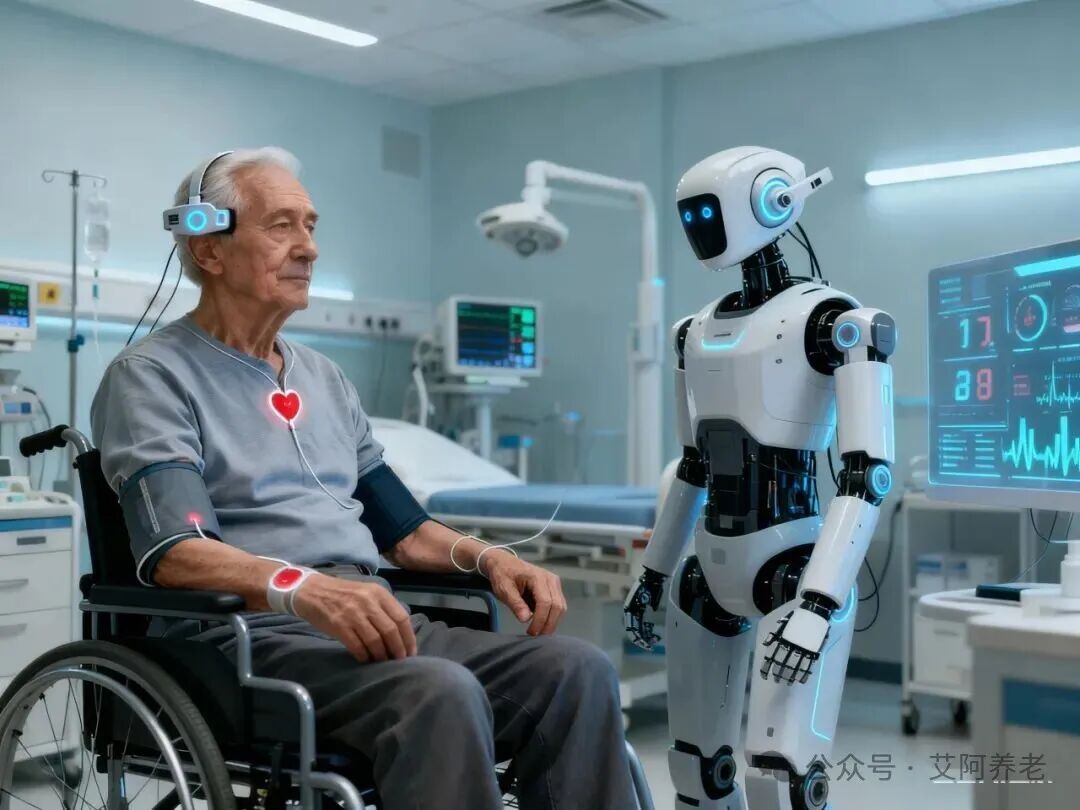
The integration of health monitoring functions has turned elderly care robots into mobile “health managers.” By incorporating various biosensors, such as optical heart rate monitors, infrared temperature detectors, and motion accelerometers, robots can collect physiological data 24 hours a day. This information is uploaded in real-time to a cloud platform via 5G networks, where AI algorithms perform trend analysis and anomaly alerts. For example, the system can identify irregular heart rates, blood pressure fluctuations, or declines in sleep quality and generate health reports sent to family members’ phones. Additionally, the robots support telemedicine integration, automatically contacting emergency services in critical situations. This proactive health management not only prevents the deterioration of chronic diseases but also reduces the risk of sudden medical events.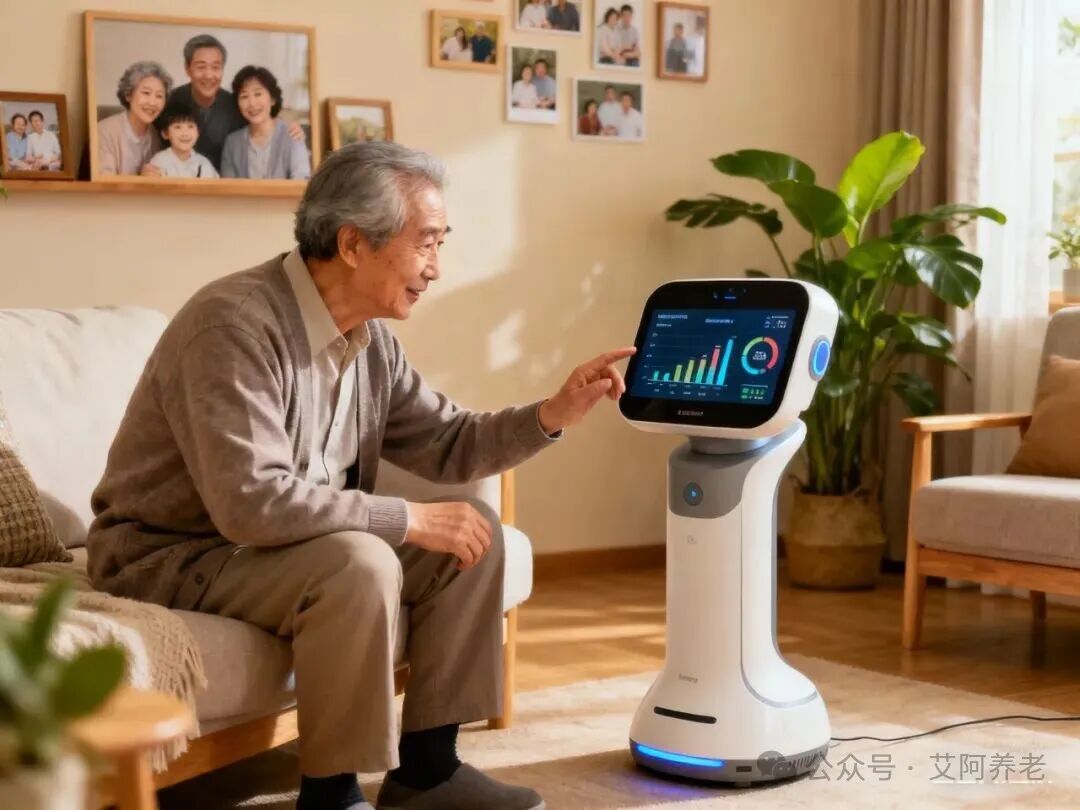
The safety alert system is another innovative dimension of elderly care robots. In addition to physiological monitoring, robots also integrate environmental sensing modules, including smoke detectors, gas sensors, and smart door magnets. When detecting fire hazards, gas leaks, or unauthorized intrusions, they immediately activate sound and light alarms and send notifications. Furthermore, using UWB precise positioning technology, robots can track the elderly’s movements indoors, preventing tragedies from falls without assistance. Some models even have automatic patrolling functions, regularly inspecting the living environment to ensure safety without blind spots. These designs greatly enhance the sense of security for elderly individuals living alone, allowing their children to monitor them remotely with peace of mind.
In the future, elderly care robots will develop towards a more comprehensive ecological direction. With the maturity of IoT and edge computing technologies, robots can interact with smart home devices to achieve scenario-based services such as automatic temperature adjustment and lighting control. In terms of entertainment, the integration of AR/VR technology will provide immersive cognitive training and social experiences. However, the widespread adoption of technology also needs to address issues of data privacy protection and human-machine ethical boundaries. Governments and enterprises should jointly establish standards to ensure that AI elderly care technology truly serves people, allowing every elderly individual to enjoy a dignified and safe later life.
— End of Article —