



Indoor Methane Concentration Alarm
Research
Topic
Group Eight
✦
Arduino-based Indoor Methane Concentration Alarm
✦
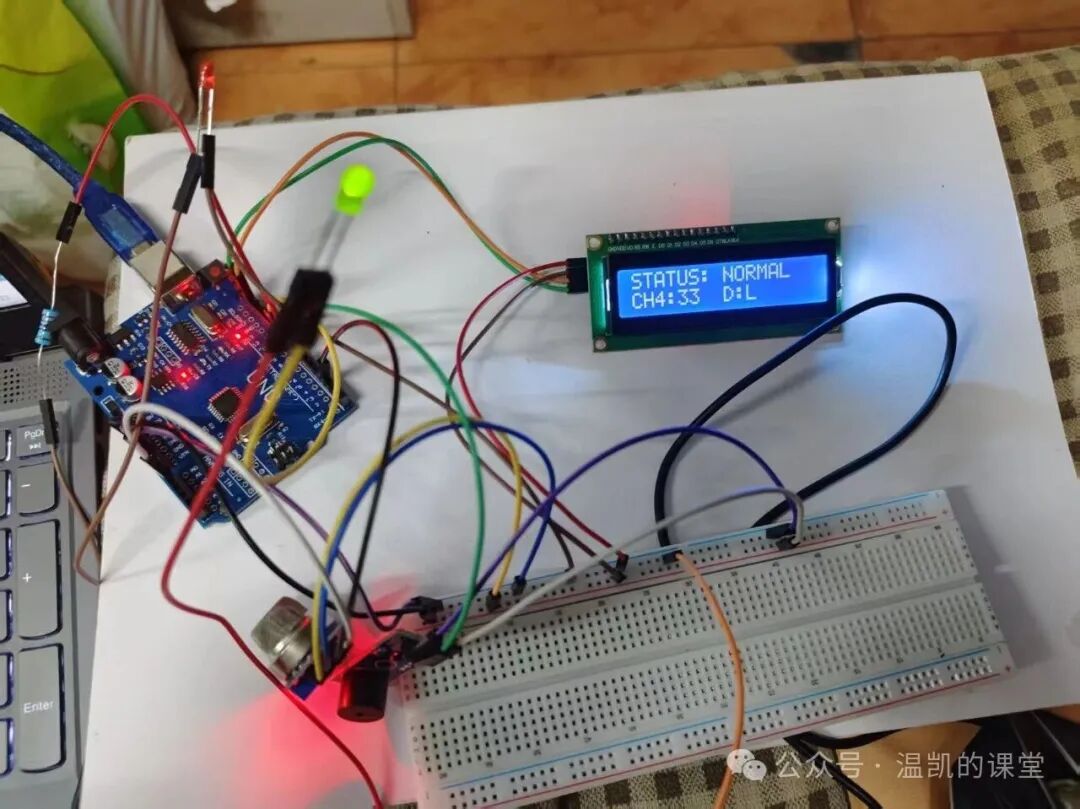
Methane (CH₄) is the main component of natural gas. When the concentration of methane in the air reaches 5% to 15%, it can easily cause an explosion when exposed to an open flame, posing a serious threat to personal and property safety. Based on a low-cost, open-source hardware platform (Arduino), we designed a rapid-response, highly stable indoor methane concentration alarm with basic intelligent judgment capabilities. It uses the Arduino UNO as the main control board, equipped with the MQ-4 methane sensor module, and features red and green dual-color LEDs and an active buzzer as the sound and light alarm device. An embedded C language program is written to achieve automatic switching between “normal – alarm – recovery” states.

01: Research Background
✦Core Issues ✦
Flammable gases (such as hydrogen, carbon monoxide, alcohol vapor, etc.) can cause reactions at set temperatures, leading to false alarms. Additionally, it cannot operate in an oxygen-deficient environment. The hardware foundation (sensor) itself does not possess multifunctional capabilities, so its accompanying circuits and software are extremely simple, usually only implementing basic concentration display, threshold alarms, and relay outputs, without complex functions like remote communication.
✦Problem Solving ✦
Reduce the cost of the methane concentration detector Enhance the alarm functionality, further subdivide alarm situations, reduce false alarm rates, and increase alarm capabilities Implement remote notification signal functionality

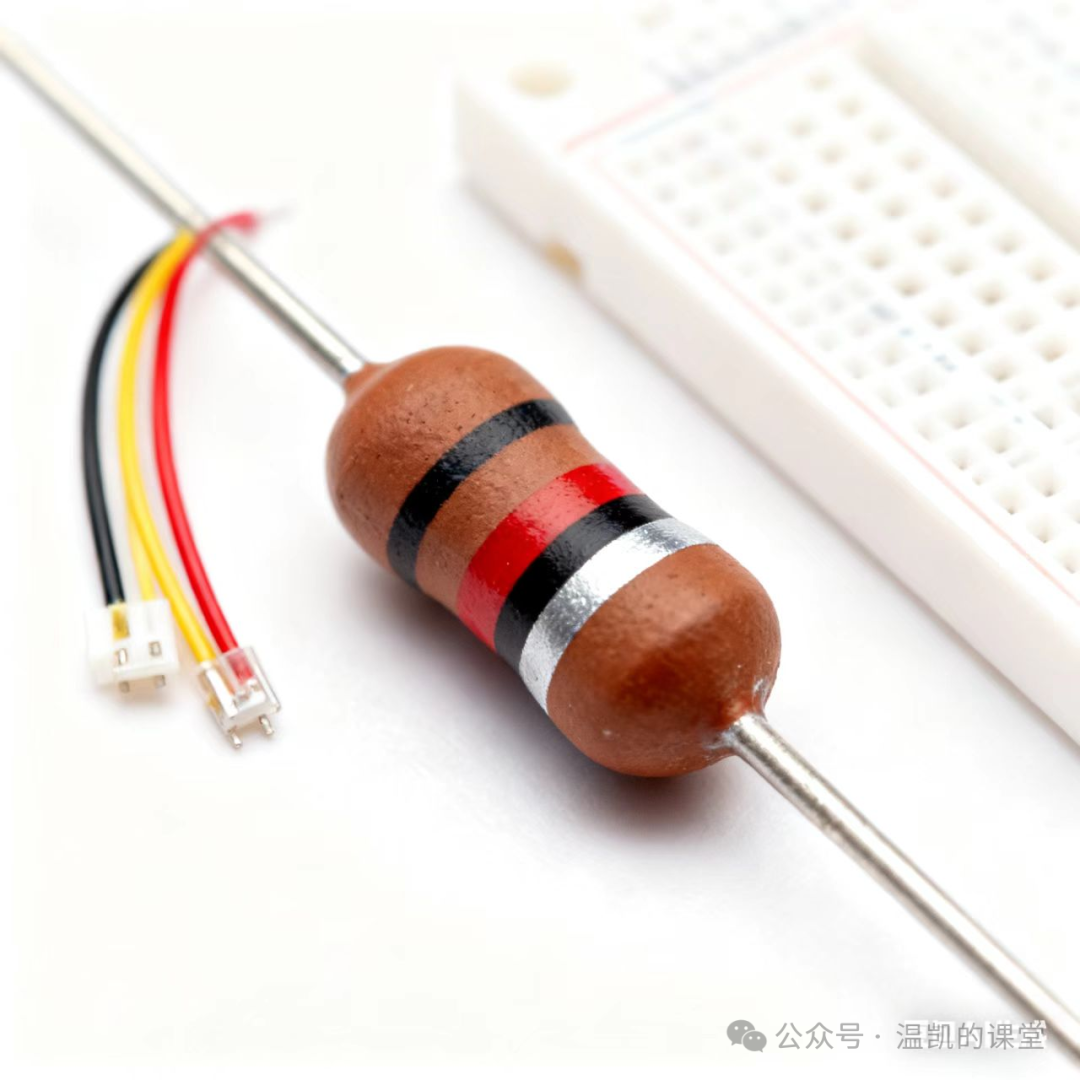
02: Required Components
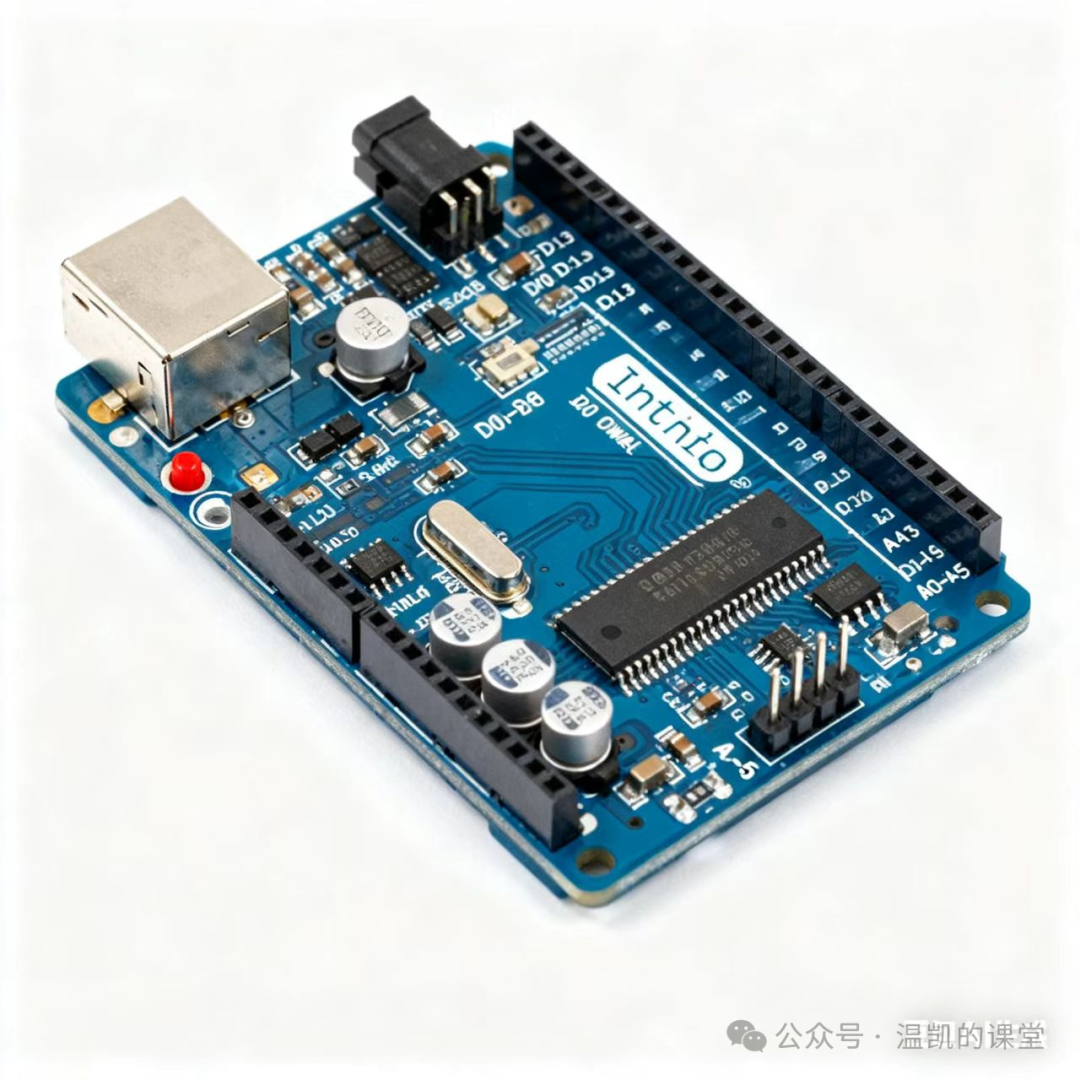
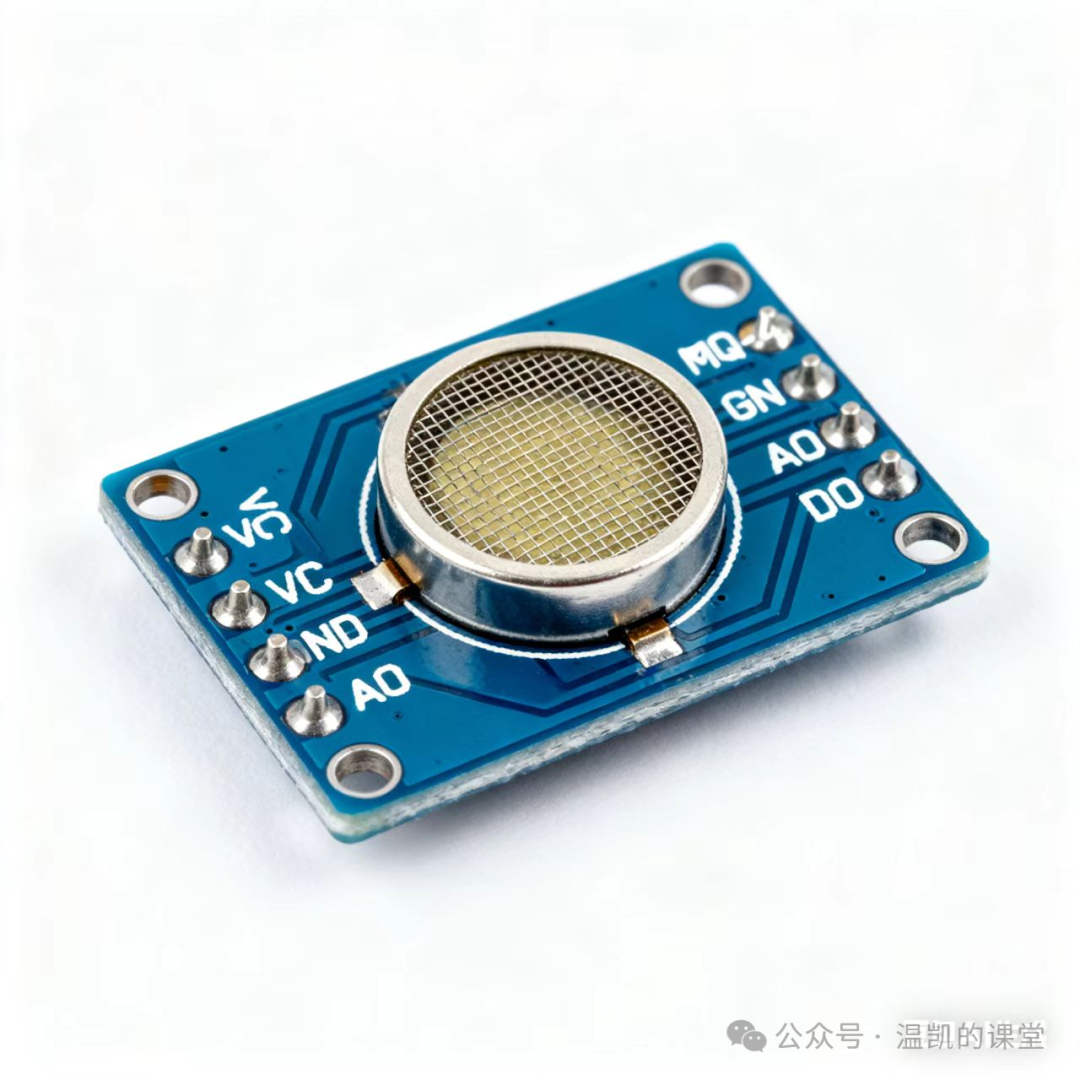
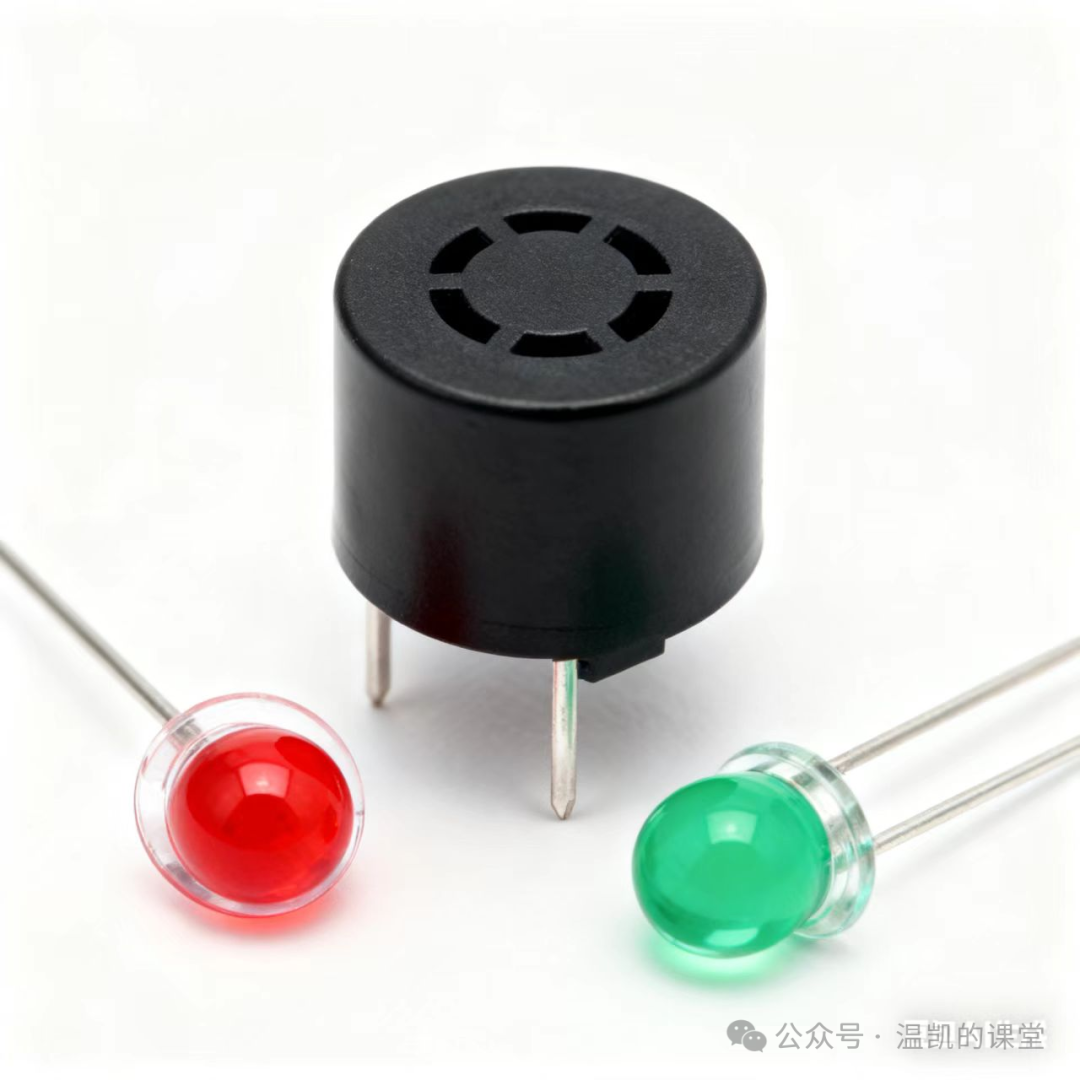
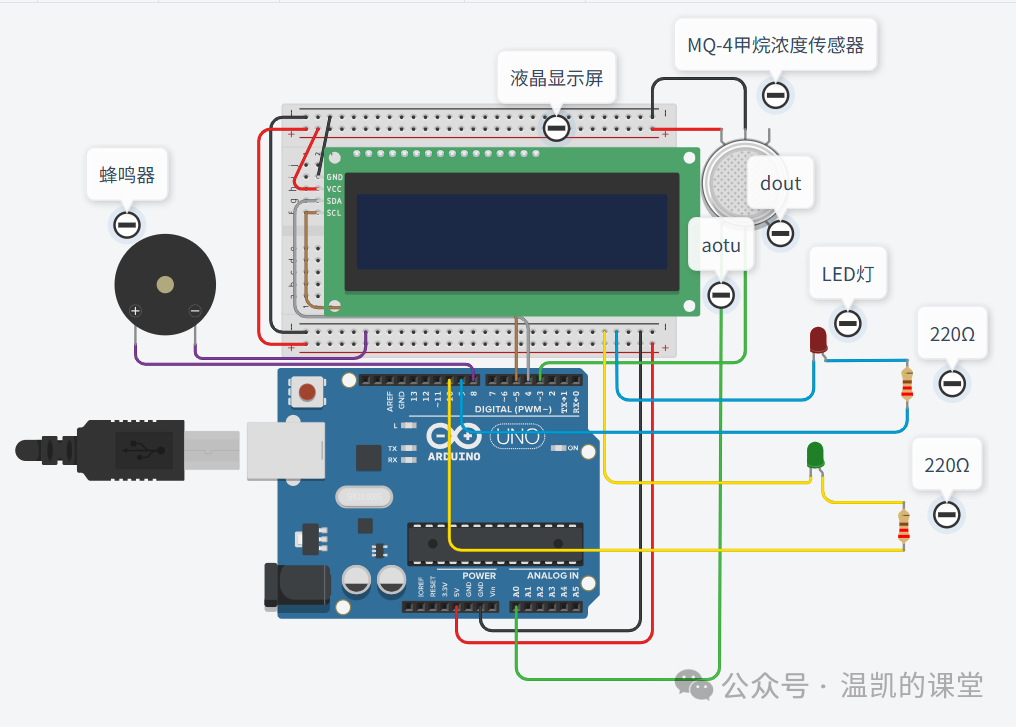
03: Circuit Design
✦Analog Circuit ✦
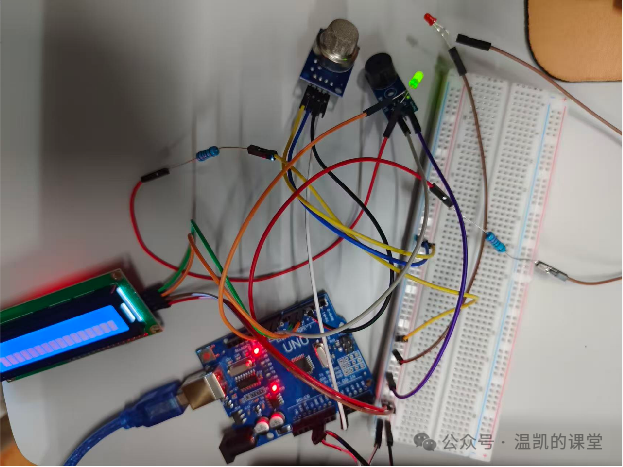
✦Real Circuit ✦
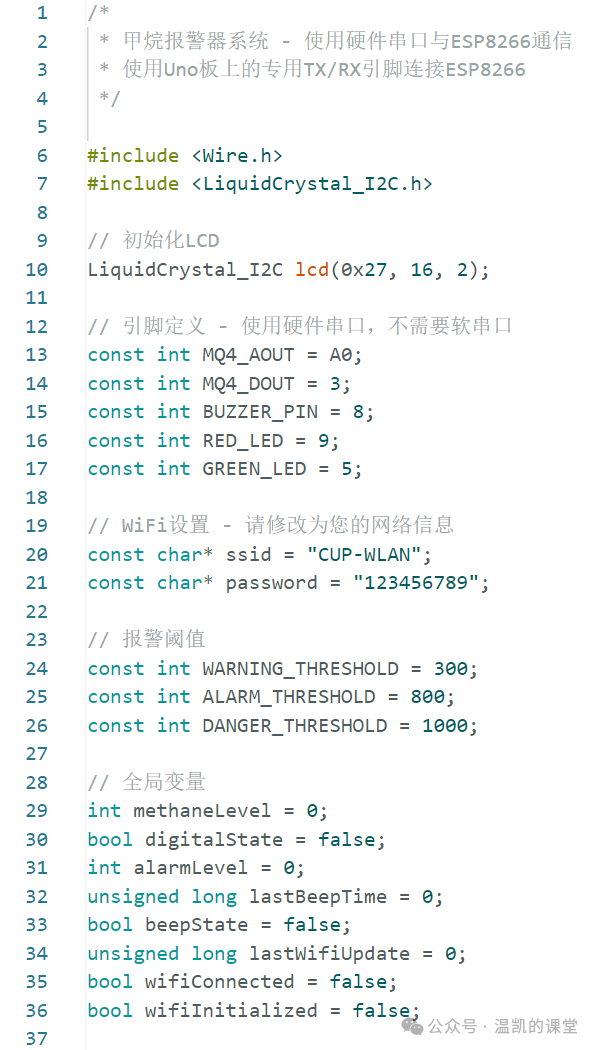
04: Programming Design
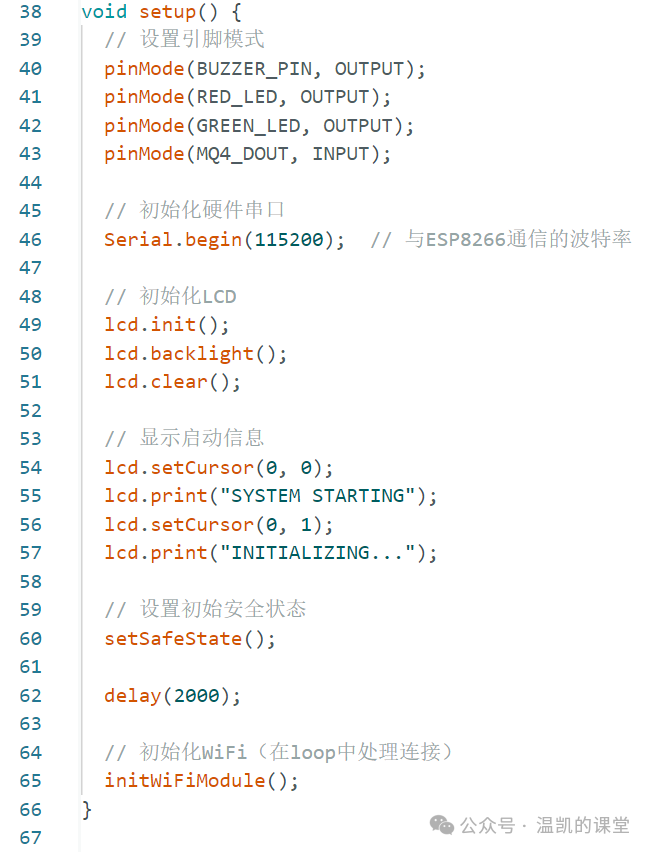
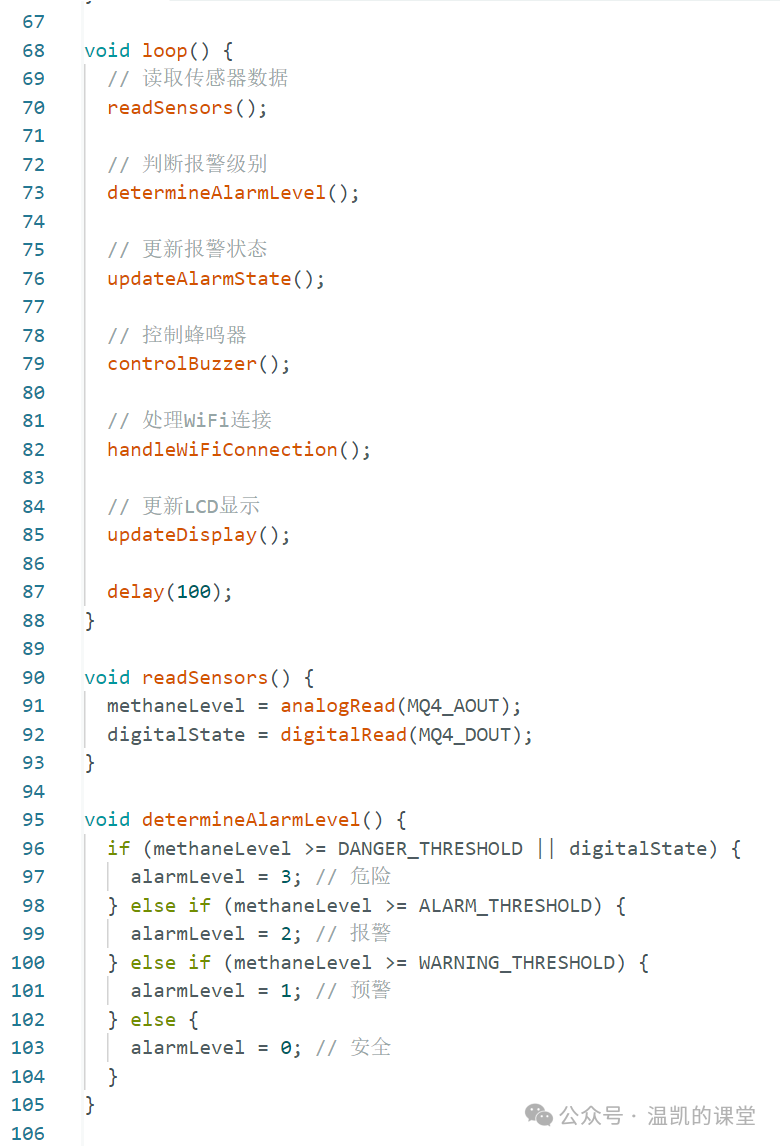
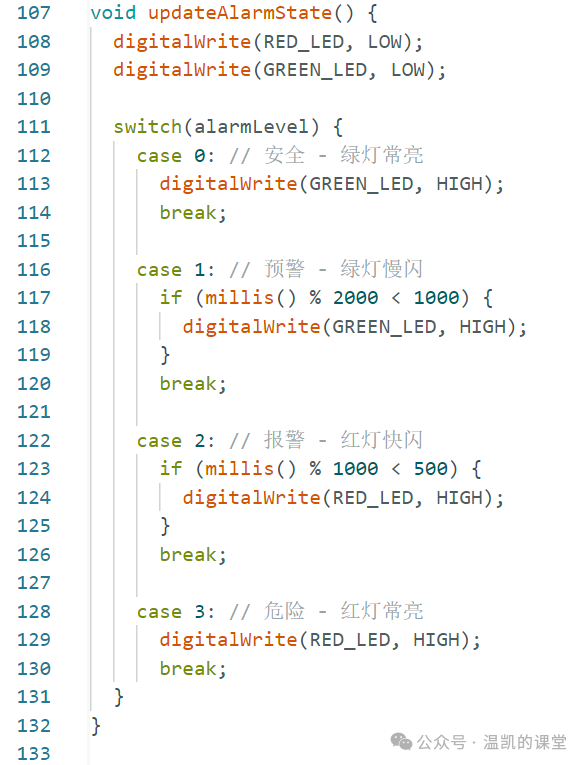
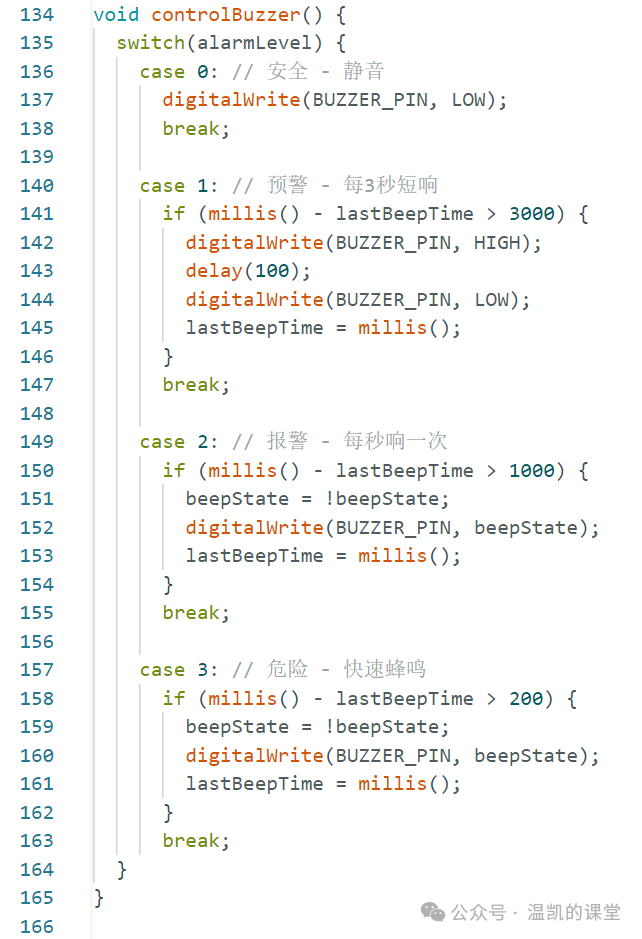
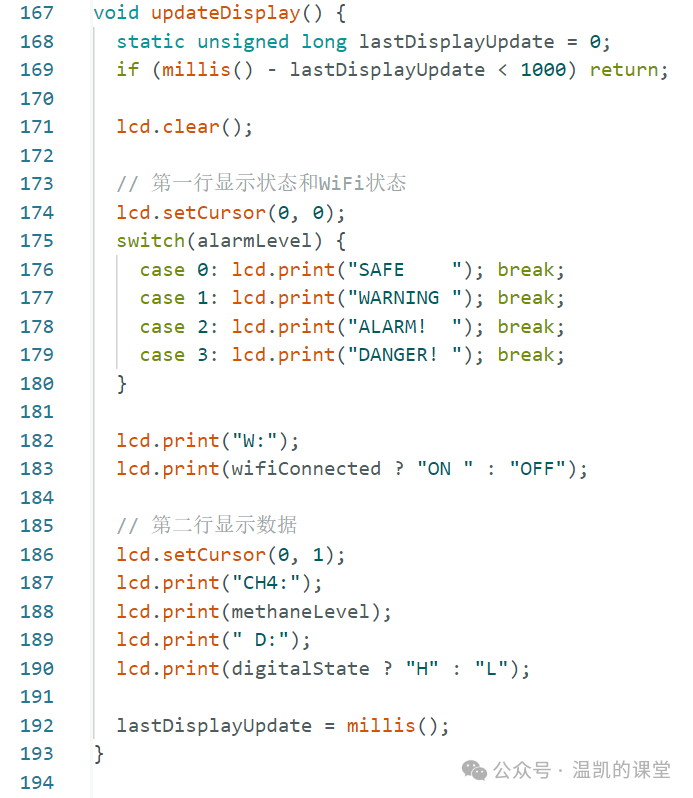
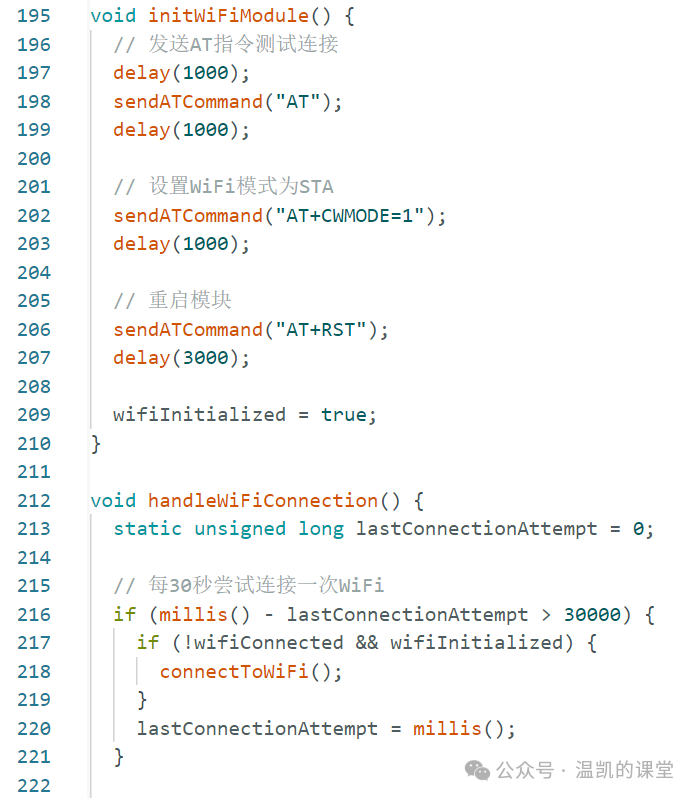
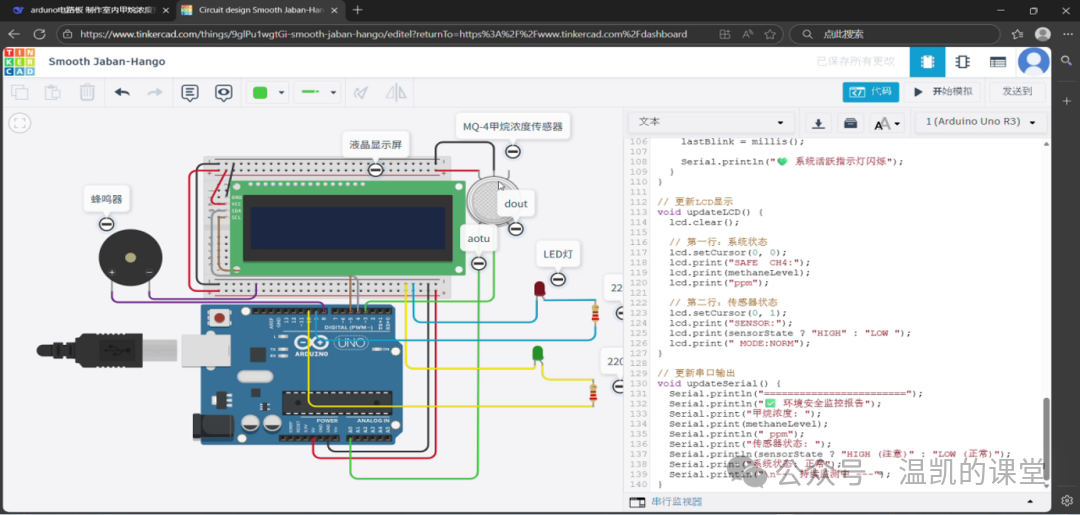
05: Virtual Simulation Experiment
✦Normal State✦
✦Alarm State ✦
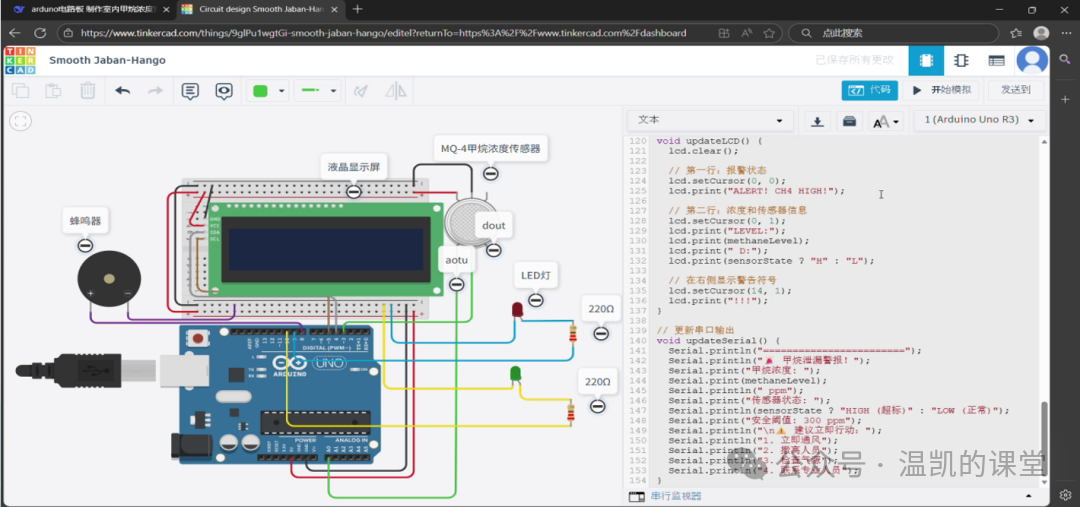
05: Physical Demonstration
06: Design Process Record
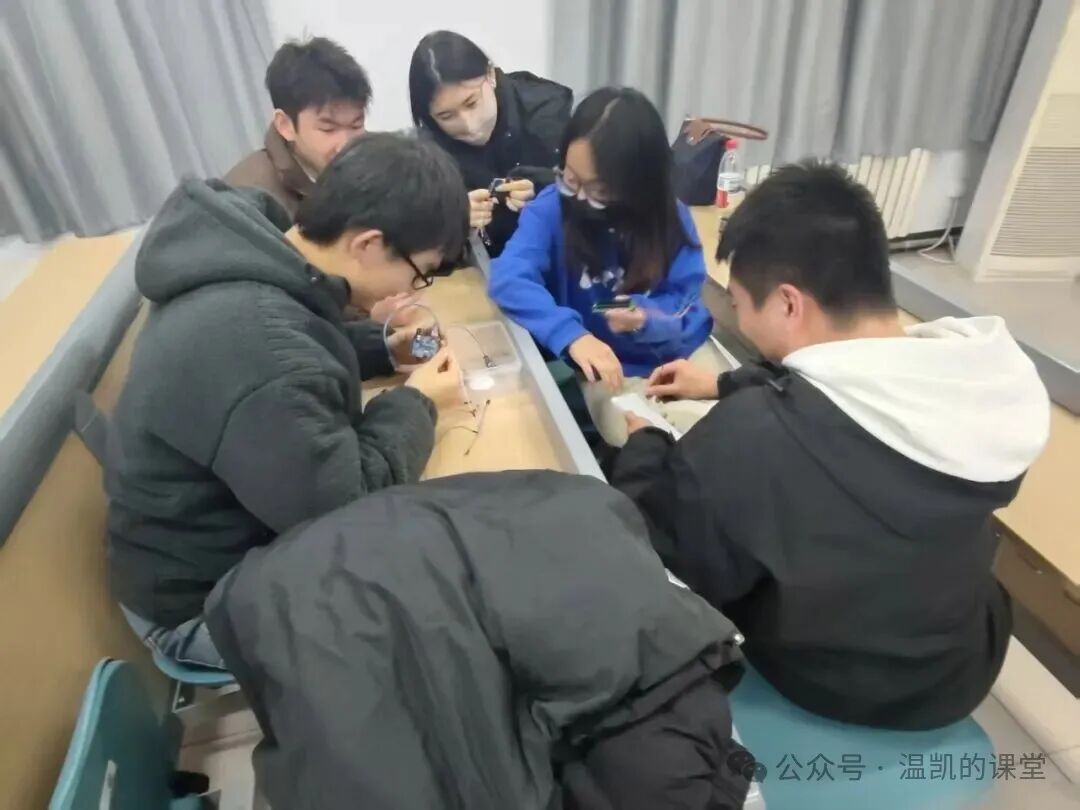

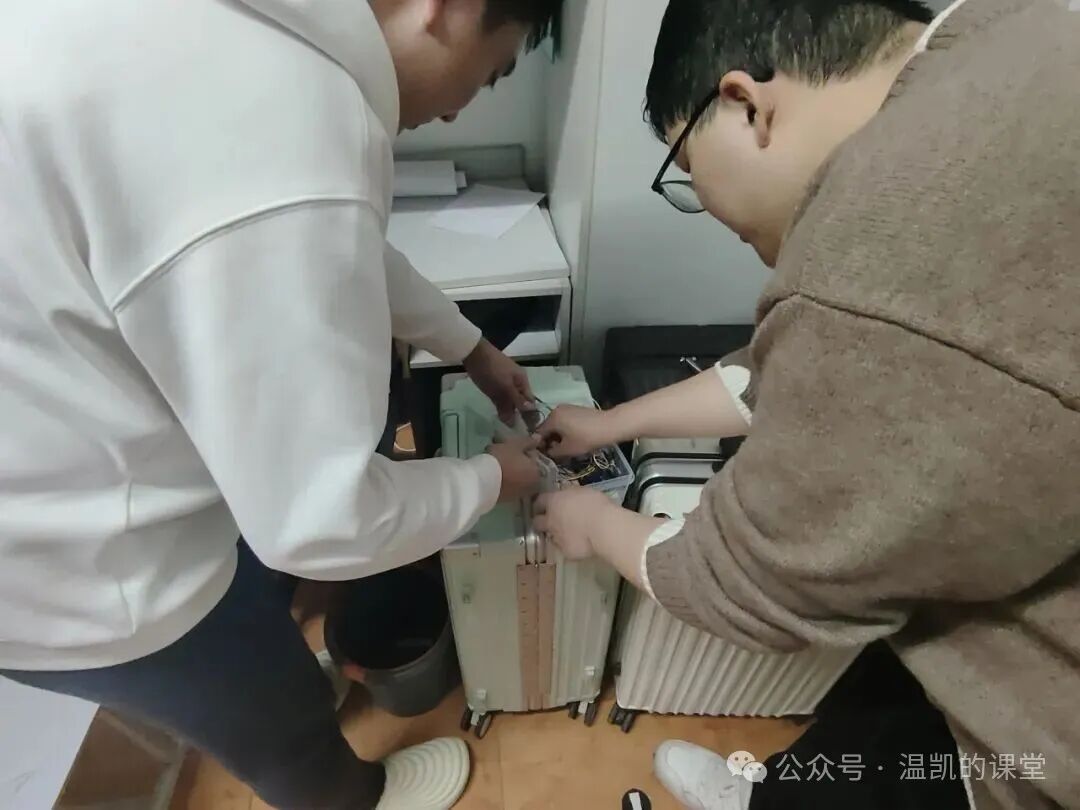
07: Team Member Responsibilities
Zhang Jianhang: Overall planning, circuit code design, division of labor arrangementDong Jiaqi: PPT production, defense, circuit code designJi Mingxuan: Circuit connection, code modificationAheyeerke: Push notification production, results organizationLi Shaoqing: Report writing, result testingWumitinur: Assisting in report writing, data organization
08: Summary and Gains
✦Conclusion ✦
This project successfully developed a prototype of an indoor methane concentration alarm based on Arduino. The system can detect methane concentration in real-time, trigger sound and light alarms when the concentration exceeds the limit, and automatically recover when the concentration decreases. By optimizing threshold settings, introducing a preheating mechanism, and intermittent alarm strategies, the false alarm rate was effectively reduced, enhancing user experience. The team gained valuable experience in embedded programming, sensor applications, circuit construction, and structural design. In the future, we can further integrate Wi-Fi modules to achieve remote alarms and explore low-power designs to support battery-powered scenarios.
✦Gains ✦
Through this project practice, we organically combined the electronic circuits, programming languages, and engineering thermodynamics learned in class, forming a more complete and systematic knowledge system. We gained a deeper understanding of the intrinsic connections between various disciplines, laying a solid foundation for future professional course studies.
The successful implementation of the project has given us a clearer understanding of our future career development direction. The practical experience accumulated in hardware design, program development, and system integration has sparked our strong interest in related professional fields.