Hey, everyone! Today, let’s talk about the LFM110 differential pressure transmitter, a little gem in the industrial field! Don’t be fooled by its simple appearance; there’s a lot going on inside. We’ll discuss how to easily get started with micro-pressure measurement!
First, you need to understand the basic structure of the LFM110 differential pressure transmitter. It mainly consists of a sensor, transmitter, and display instrument. The sensor is responsible for detecting changes in wind pressure, the transmitter converts the detected signal into an electrical signal, and finally, the display instrument converts the electrical signal into numbers we can understand.
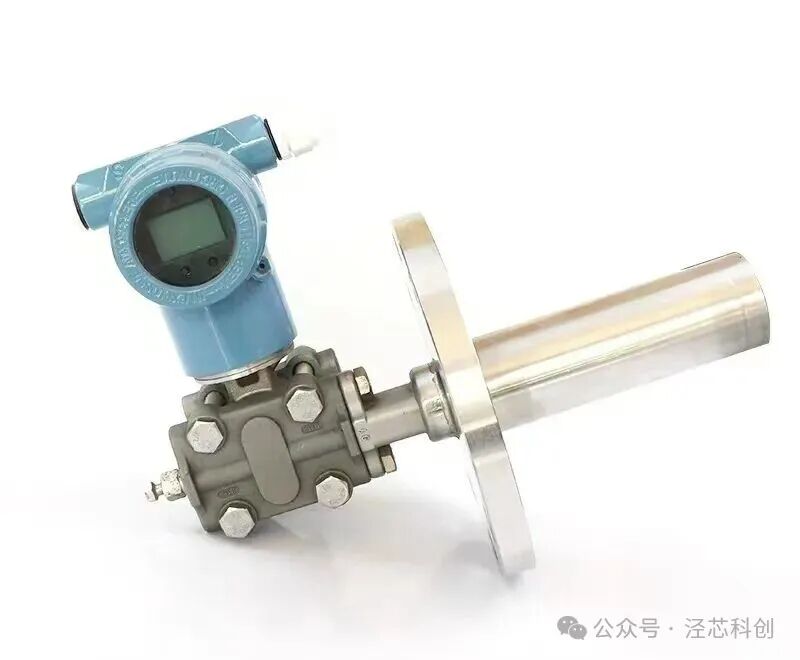
To get started easily, the first step is to learn how to install it. Find a suitable location; generally, the sensor should be installed on the centerline of the airflow to ensure measurement accuracy. During installation, ensure that the connection between the sensor and the pipeline is secure to prevent air leaks.
Next, let’s talk about calibration. Calibration is key to ensuring measurement accuracy. First, you need to prepare a standard pressure gauge for calibration. Connect the standard pressure gauge to the differential pressure transmitter, then adjust the transmitter’s zero point and range. This process may require some patience, but don’t rush; take your time, and you’ll get it done.
Once installation and calibration are complete, it’s time for actual measurement. Here are a few tips:
-
Pay attention to the measurement environment. Try to conduct measurements in a stable environment, avoiding sudden changes in wind speed or pipeline vibrations that could affect the results.
-
Read data quickly. Micro-pressure changes can occur very rapidly, so be quick in reading the data to avoid errors.
-
Regular checks. After prolonged use, the sensor may experience aging or contamination; regular checks can ensure measurement accuracy.
Another point to note is the maintenance of the LFM110 differential pressure transmitter. Regularly clean the sensor and transmitter to keep them tidy, which can extend their lifespan and improve measurement accuracy.
Alright, everyone, that’s a brief introduction to the LFM110 differential pressure transmitter. Although it sounds quite advanced, it’s not complicated to operate. As long as you master these tips, micro-pressure measurement will be as easy as breathing.
Remember, practice makes perfect. Get hands-on and explore; you’ll find yourself getting better at this. Don’t be afraid to make mistakes; every failure is a step towards success. Wishing everyone smooth sailing in the industrial field and mastering the LFM110 differential pressure transmitter! 🚀🌬️🔍