I do not expect life to be smooth; I just hope that when I encounter difficulties, I can be his opponent.
From small screens on mobile phones to large screens on computers and TVs, and outdoor advertising screens on the streets… we are living in a world of “screens.” Different screens are based on different technologies, each with its own characteristics, providing us with various experiences. Common screen types include: LCD, OLED, and QLED.

First, a hot knowledge: LED is not an independent screen type. What we commonly refer to as “LED” screens are not technically true LED screens, but rather LCD screens that use LED backlighting. In other words, the LED mentioned in daily life is actually a modern LCD screen.
1. LCD Screen
The full English name of LCD is Liquid Crystal Display, also known as a liquid crystal display screen. The modern LCD screen is fundamentally an LED backlight panel, where LED stands for Light Emitting Diode. It can control the light switch, and in the middle is the liquid crystal layer, which controls the amount of light entering by adjusting the angle.
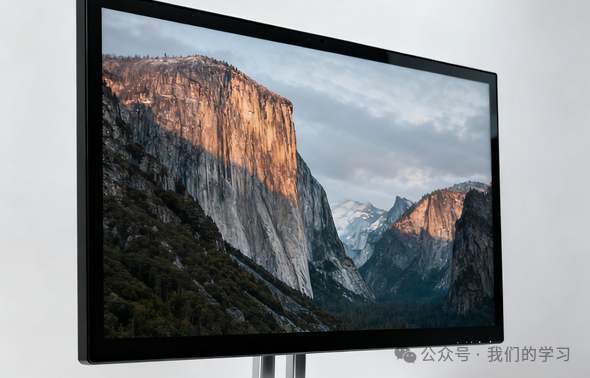
Advantages: The technology is relatively mature, stable, and cost-effective, with good visibility in bright light.
Disadvantages: The liquid crystal cannot completely close, leading to light leakage, and it cannot achieve pure black.
Representative Products: Most office monitors, mid-range mobile phone screens, etc.
2. OLED Screen
The full English name of OLED is Organic Light-Emitting Diode, also known as organic light-emitting semiconductor. OLED screens do not require backlighting; they emit light directly when powered on, with each pixel able to turn on and off individually.

Advantages: The image is transparent and textured, with no motion blur, can be bent and folded, ultra-thin and lightweight, and has lower power consumption.
Disadvantages: Higher price, shorter lifespan compared to LCD screens, and prone to aging.
Representative Products: Most high-end mobile phone screens, foldable phone screens, etc.
3. QLED Screen
The full English name of QLED is Quantum Dot Light Emitting Diodes, also known as quantum dot light-emitting diodes. The structure and light-emitting principle of QLED screens are similar to organic light-emitting diodes (OLED), but they use quantum dot materials as the light-emitting layer. This is a self-emitting display technology based on the electroluminescence principle of quantum dots, which can precisely control light and enhance color gamut and brightness.
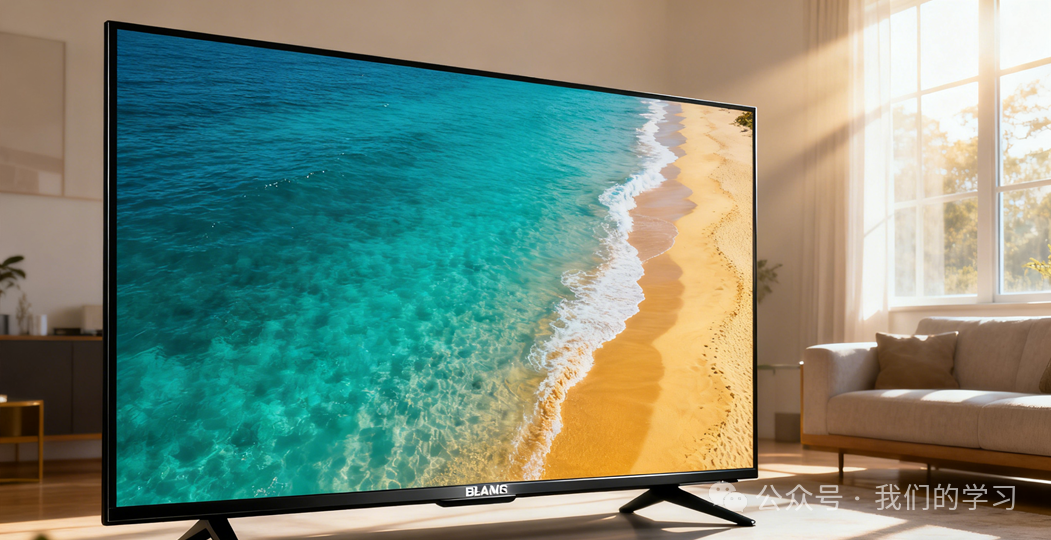
Advantages: High brightness, wide color gamut, more vivid and true color reproduction, and longer lifespan.
Disadvantages: Expensive, and still has light leakage issues.
Representative Products: Some high-end gaming monitors and TV screens.
Conclusion:
Different screens are based on different technologies, each with its own characteristics, providing us with various experiences. Common screen types include: LCD, OLED, and QLED. If the budget is limited and durability is a priority, choose an LCD screen; if you seek a high-end experience with extreme requirements for picture quality, an OLED screen is more suitable; if primarily used for watching HDR movies, needing a large screen TV, or requiring high performance against strong light, choose a QLED screen.
The interfaces used for video transmission on monitors also vary, with common video interfaces including: VGA, DVI, HDMI, and DP. For more details, refer to the introduction of common video interfaces: VGA, DVI, HDMI, and DP.
If you find this useful, remember to like + bookmark, and feel free to share it with friends who need it!
Previous Highlights: Common Compressed File Formats: ZIP, RAR, and 7Z Useful, Practical, and Handy Classroom Random Name Calling Tools Common Image File Formats on Computers: JPEG, BMP, GIF, PNG, and WebP Common Audio File Formats on Computers: MP3, WAV, WMA, and M4A Common Video File Formats on Computers: MP4, AVI, WMV, FLV, and MOV