Click the blue text to follow us
In modern industrial production, the precise positioning of metal parts is crucial for ensuring product quality and production efficiency. Eddy current sensors, as a type of non-contact sensor, demonstrate a wide range of applications in the detection, measurement, and positioning of metal parts due to their unique eddy current effect.
Introduction to Eddy Current Sensors
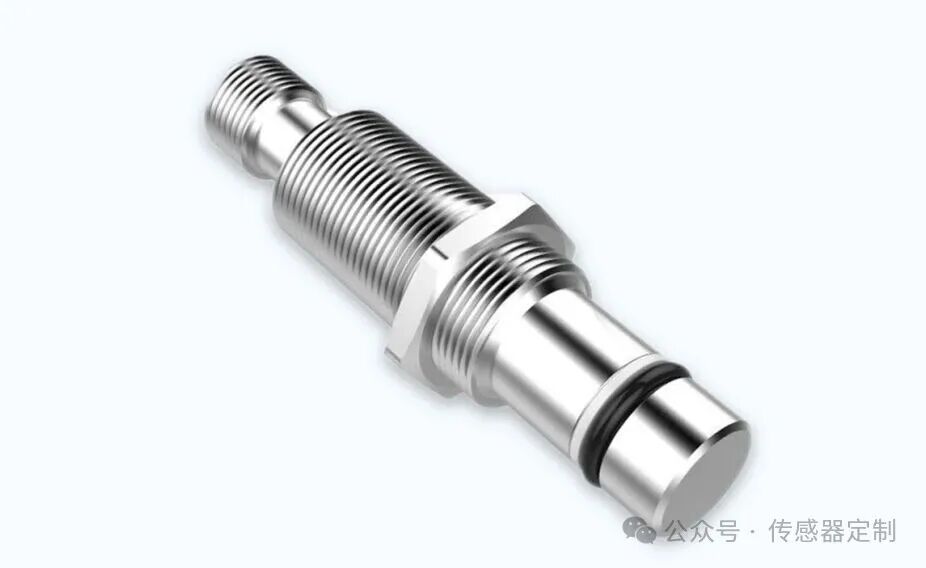
Eddy current sensors are non-contact sensors that operate based on the eddy current effect. When the sensor’s coil approaches a metallic object, eddy currents are induced within the metal object. These eddy currents alter the impedance of the coil, and by measuring this change in impedance, the sensor can obtain information about the position, shape, size, and surface defects of the metal object. Due to their non-contact measurement characteristics, eddy current sensors are widely used in various fields such as industrial automation, machinery manufacturing, automotive manufacturing, and aerospace.
Application Cases of Eddy Current Sensors
1. Detection of Metal Parts
Eddy current sensors can accurately detect the size, shape, and surface defects of metal parts. Whether it is bearings, gears, or complex parts like threads, the sensor can identify potential defects by measuring minute changes on the surface, thereby ensuring the quality and reliability of the parts.
2. Sorting of Metal Materials
In material management, eddy current sensors can sort metal materials based on differences in electrical conductivity. By detecting the conductivity of materials, the sensor can quickly distinguish between different types of metal materials, improving the efficiency and accuracy of material management.
3. Measurement of Metal Coatings
For quality control of metal coatings, eddy current sensors can measure the thickness and quality of the coatings. They can detect corrosion, wear, and other conditions of the coatings, ensuring the integrity and protective performance of the coatings.
4. Detection of Metal Pipelines
In pipeline inspection, eddy current sensors can detect internal and external defects in metal pipelines, such as corrosion and cracks. This detection method is crucial for ensuring the safe operation of pipelines, especially in fields like petrochemicals and aerospace.

5. Detection of Welding Quality of Metals
The quality of welding directly affects the strength and safety of structures. Eddy current sensors can detect the quality of metal weld joints, including defects and cracks in the weld seams. This detection can timely identify issues during the welding process, ensuring welding quality.
6. Positioning of Metal Parts
In mechanical assembly and automated production, eddy current sensors can be used to locate the position of metal parts. By detecting the distance and angle between the part and a reference point, the sensor can achieve high-precision positioning, ensuring the correct installation and fixation of the parts.
Specific Applications of Eddy Current Sensors in Positioning Metal Parts
1. Positioning in Mechanical Assembly
During the mechanical assembly process, eddy current sensors can accurately detect the position of metal parts, ensuring their correct installation and positioning. By measuring the distance and angle between the part and a reference point, the sensor can provide high-precision positioning information, thereby improving the accuracy and reliability of the assembly.
2. Positioning in Automated Production Lines
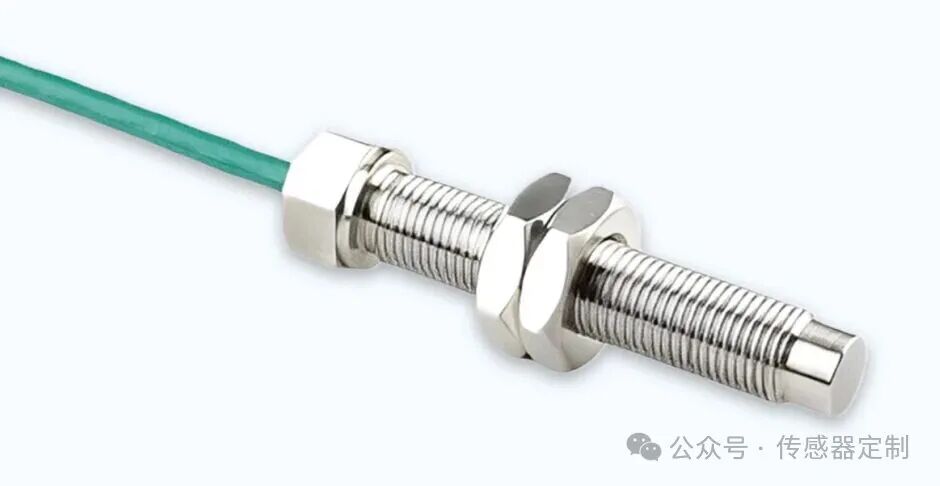
In automated production lines, eddy current sensors can be used to detect the position of metal parts so that robots or other automated devices can accurately grasp and position the parts. This application can significantly improve production efficiency and product quality, reducing production errors caused by inaccurate positioning.
3. Robot Navigation and Positioning
Eddy current sensors can also be used for robot navigation and positioning. By detecting the position of metal landmarks or markers, the sensors can provide accurate navigation information for robots, helping them achieve precise positioning and path planning in complex environments.
4. Detection of Positioning Pins on Metal Parts
During assembly, eddy current sensors can be used to detect the position and status of positioning pins on metal parts. By ensuring the correct installation and fixation of the positioning pins, the sensors can prevent parts from loosening or falling off, thereby enhancing the stability and safety of the assembly.
Eddy current sensors, with their high precision and non-contact measurement characteristics, demonstrate enormous application potential in the detection, measurement, and positioning of metal parts. In mechanical assembly, automated production, and robot navigation, eddy current sensors can provide reliable positioning information, helping to meet precise positioning requirements, thereby improving production efficiency and product quality. With continuous technological advancements, the application range of eddy current sensors will further expand, bringing more convenience and benefits to industrial production.
Some images are sourced from the internet; please contact us for removal if there is any infringement!
END
◀
Previous Recommendations
▶
1. Application of IADS Tilt Sensors in Material Handling
2. Application of Vibration Sensors in Renewable Green Energy
3. Application of Tilt Sensors in Offshore Drilling and Oil Extraction
4. Application of Magnetic Safety Switches in Top Covers and Movable Door Protection
5. Application of Vibration Sensors in Metallurgical Steel Processing