As the aging population accelerates, traditional elderly care models are facing unprecedented challenges. In today’s world where technology and elderly care are deeply integrated, artificial intelligence and robotics have brought revolutionary breakthroughs to elderly care. Smart elderly care is no longer just a concept; it is now realized through specific applications such as wearable devices, smart homes, and telemedicine, significantly enhancing the quality of life for the elderly. Especially for seniors with mobility issues, innovative technologies like exoskeleton robots are becoming effective assistants on the road to rehabilitation, elevating “elderly care” to a new level of “quality elderly care.”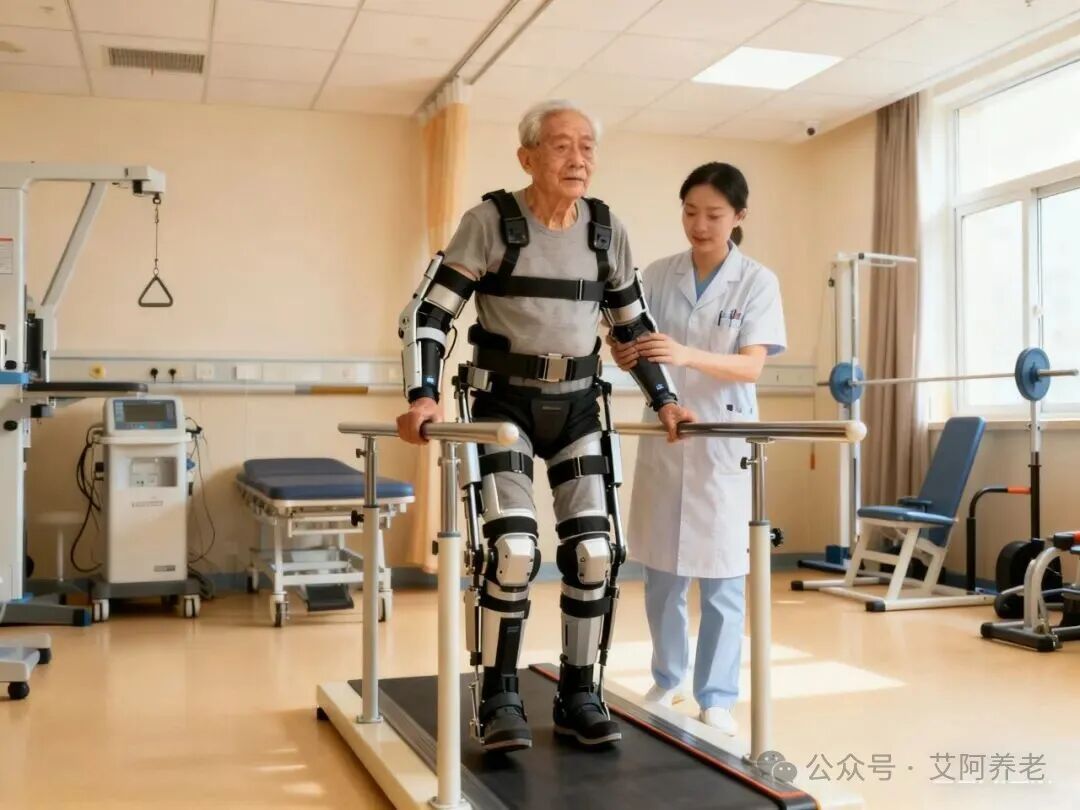
Exoskeleton robots, as significant achievements in the field of rehabilitation medicine, effectively assist elderly individuals with limb disabilities in regaining motor functions through the combination of bionic principles and AI algorithms. These devices typically consist of lightweight alloy frames, sensors, and power systems, capable of monitoring the user’s movement intentions in real-time and providing just the right amount of support. Clinical practice has shown that elderly individuals who continuously use exoskeleton robots for rehabilitation training experience an approximately 40% increase in muscle recovery speed and significant improvements in balance. Even more encouraging is that some severely paralyzed patients have achieved short-distance independent walking after systematic training, which not only represents medical progress but also the return of dignity to life.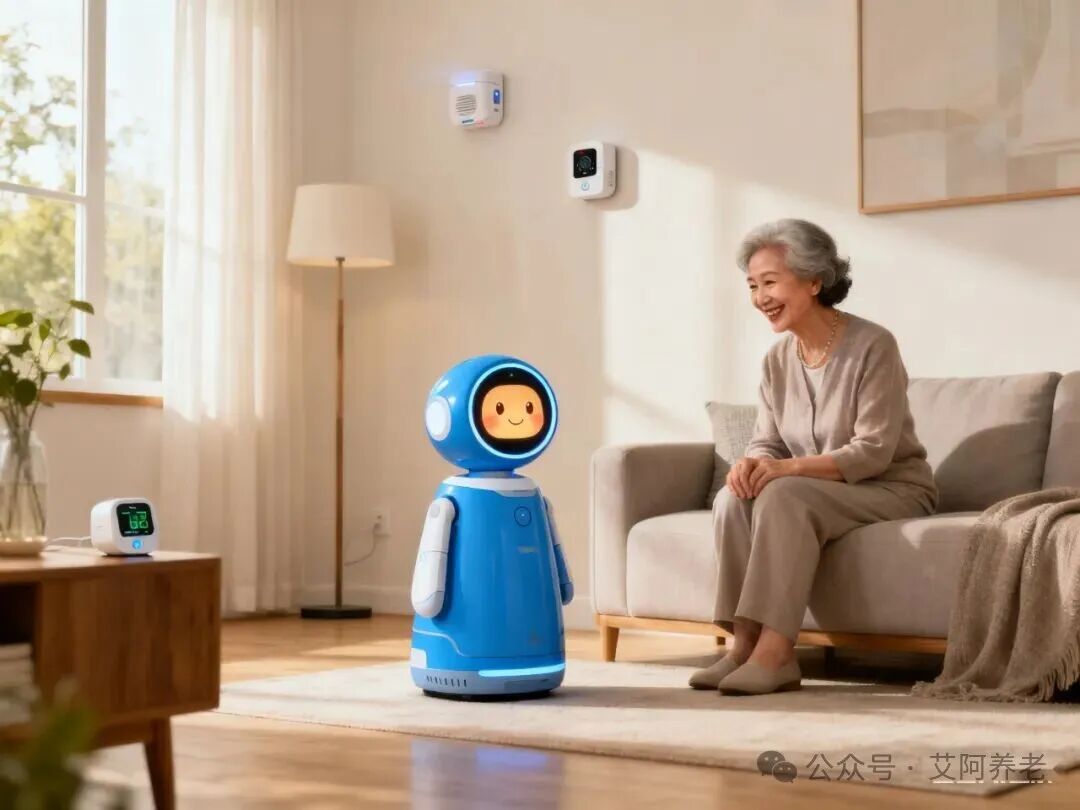
In addition to rehabilitation robots, the application of AI technology in the elderly care sector is showing a diversified development trend. Intelligent companion robots can engage in emotional communication with the elderly through natural language processing technology, alleviating feelings of loneliness; environmental monitoring systems can automatically identify accidents such as falls and issue immediate alerts; cognitive training programs can slow the progression of Alzheimer’s disease. These technologies collectively build a multi-dimensional smart elderly care ecosystem, allowing seniors to enjoy personalized and professional care services whether at home or in care facilities.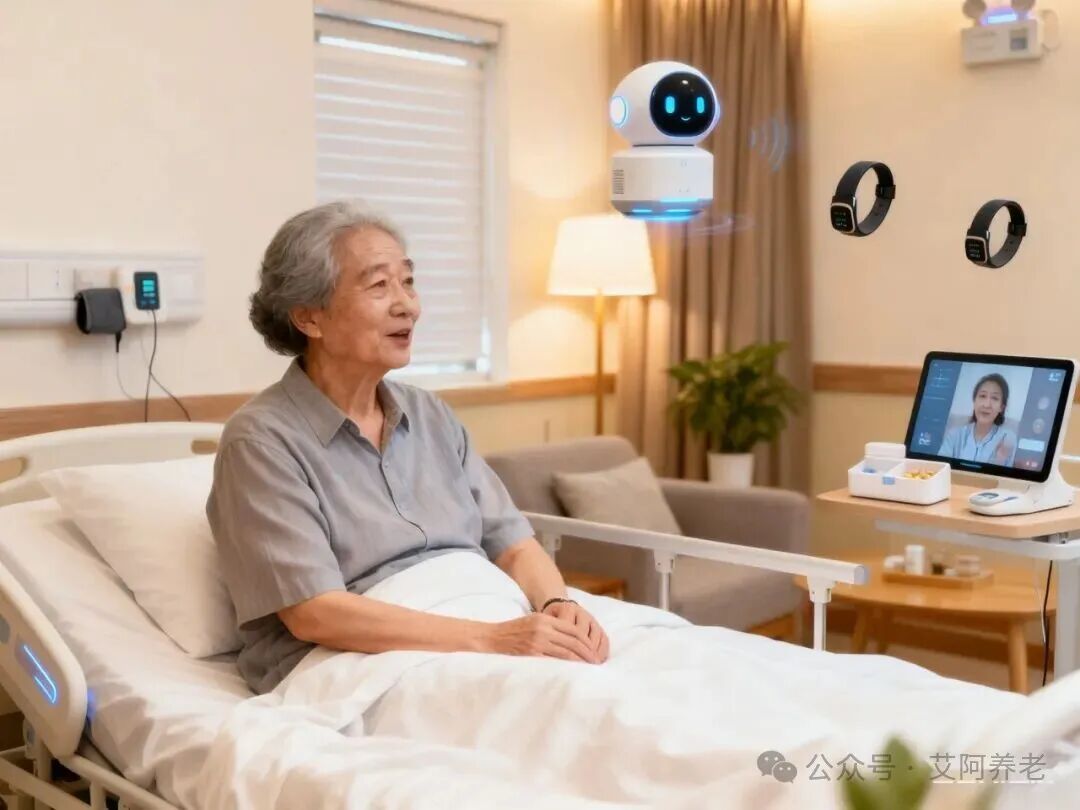
In a model elderly community in Shanghai, 87-year-old Grandma Li has been able to stand from her wheelchair and move from the dining table to the bathroom after using the exoskeleton robot for three months. This case reflects the deeper value of technological elderly care: it is not only about the improvement of physiological functions but also about the reconstruction of autonomy in life. When the elderly regain some self-care abilities, their psychological state also improves significantly, which has immeasurable significance for delaying aging and enhancing happiness in later years. Relevant data indicates that institutions adopting smart elderly care solutions have seen a 25% decrease in depression rates among the elderly and over a 30% increase in family satisfaction.
Looking ahead, with the improvement of new infrastructure such as 5G and the Internet of Things, AI elderly care will enter a new stage of greater intelligence and humanization. It is anticipated that the next generation of rehabilitation robots will have more precise physiological parameter monitoring capabilities and will be able to share data in real-time with attending physicians via the cloud. At the same time, continuous policy support and social capital investment will enable these cutting-edge technologies to benefit ordinary families more quickly. When we use technology to warm the sunset years, we are actually planning a more dignified life for everyone in their later years, which is both an opportunity given by the times and a reflection of civilizational progress.