If you are a professional in the fields of industrial automation, electronic scale manufacturing, or logistics equipment, understanding the internal structure of weighing sensors can help you select more accurately and maintain more efficiently! This article will break down the core components of this “weight translator” in simple language, revealing how it transforms pressure into precise electrical signals.
1. Elastic Element: The “Steel Skeleton” That Withstands Heavy Deformation
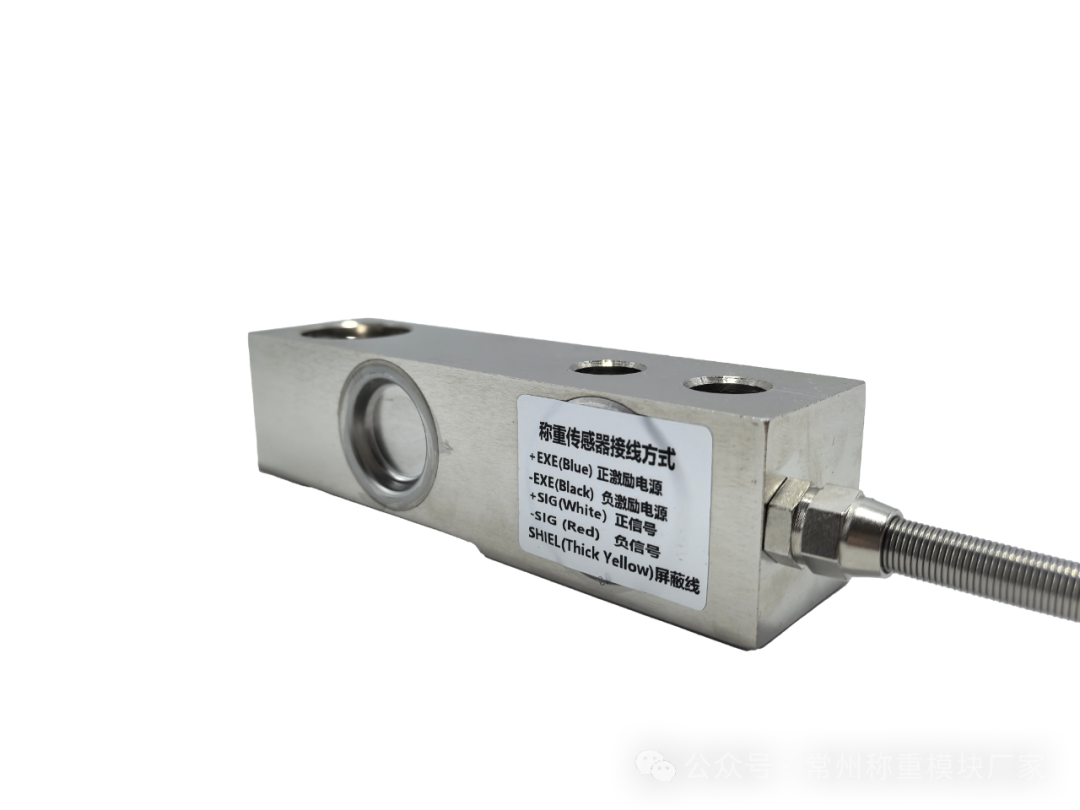
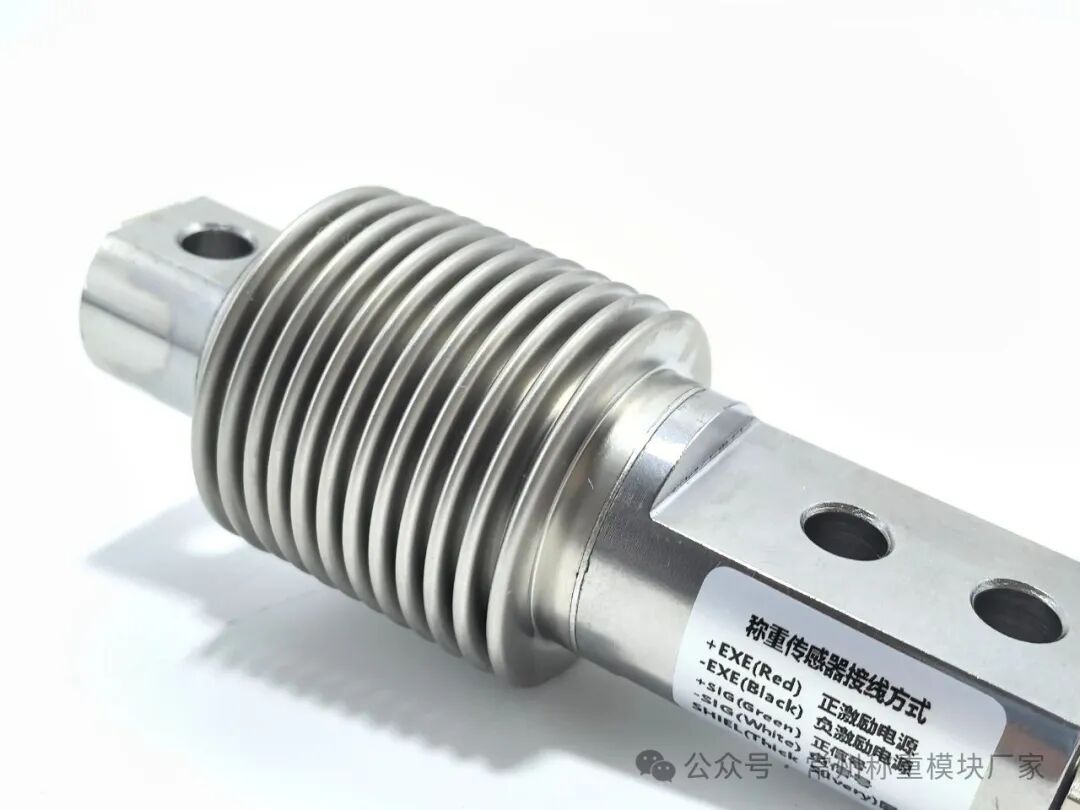
The elastic element serves as the “skeleton” of the sensor, typically made from high-strength alloy steel or aluminum alloy, designed in S-shape, cantilever beam, or disc structure. Its core capability is “micro-deformation under load”—when an object is pressed down, the elastic element undergoes extremely slight deformation (usually only a few micrometers) like a spring. This design accurately transmits the direction of pressure, avoiding lateral forces that could interfere with data.
2. Strain Gauge: The “Electronic Skin” That Senses Deformation
At critical positions on the elastic element, thin metal foil strain gauges (thickness ≈ 0.003mm) are adhered. When the elastic element deforms, the strain gauge is stretched or compressed like skin, causing an internal resistance change of 0.01% to 0.1%. To enhance sensitivity, four sets of strain gauges are typically connected to form a Wheatstone bridge, amplifying the signal significantly.
3. Wheatstone Bridge: The “Translator” for Signal Amplification
The resistance changes in the strain gauges are extremely subtle, requiring a Wheatstone bridge circuit (hidden on the PCB) to decode. It converts the resistance difference into a voltage signal and amplifies it by over 1000 times! For example, a 10kg pressure might only generate a 0.001V voltage, which is processed to become a recognizable 1V output, with an accuracy of ±0.03%FS.
4. Sealed Housing: The “Steel Armor” That Is Dust and Water Resistant
Industrial environments often have dust, oil, or moisture, so the housing is usually made from stainless steel with laser welding, achieving protection ratings of IP67/IP68 (can be temporarily submerged). High-end models may also have silicone or epoxy resin encapsulated inside, which can buffer vibrations and withstand extreme temperatures from -40℃ to 120℃, ensuring circuit stability.
5. Compensation Components: The “Smart Steward” That Eliminates Errors
Temperature changes can cause metallic deformation errors, so temperature compensation resistors are often embedded inside the sensor. Some high-end models also include linear compensation strips that can automatically correct non-linear signal errors, ensuring consistent weighing data in environments ranging from -30℃ cold storage to 50℃ workshops, which is crucial for the food and pharmaceutical industries.
6. Cables: The “Data Transmission Channel” That Resists Interference
The output cable is not an ordinary wire but a silver-plated wire with a double shielding layer (to prevent electromagnetic interference), with rubber sealing rings at the joints to ensure waterproofing. In industrial scenarios, motors and inverters can generate strong electromagnetic interference, and high-quality materials can act like a “filter” to block noise, ensuring zero distortion in signal transmission.
Selection Pitfall Guide (Directly Affects Lifespan!)
Material: Choose stainless steel housing + silicone encapsulation for humid environments; use nickel alloy coating for corrosive conditions.
Range: The actual weight to be measured should occupy 60% to 80% of the sensor’s range (e.g., for a 10-ton scale, choose a 15-ton range).
Accuracy: For ordinary production lines, choose 0.1%FS; for quality inspection processes, require above 0.03%FS.
Protection: For outdoor use, select IP68 waterproof; for dusty workshops, require explosion-proof certification (e.g., Ex ia IIC T6).
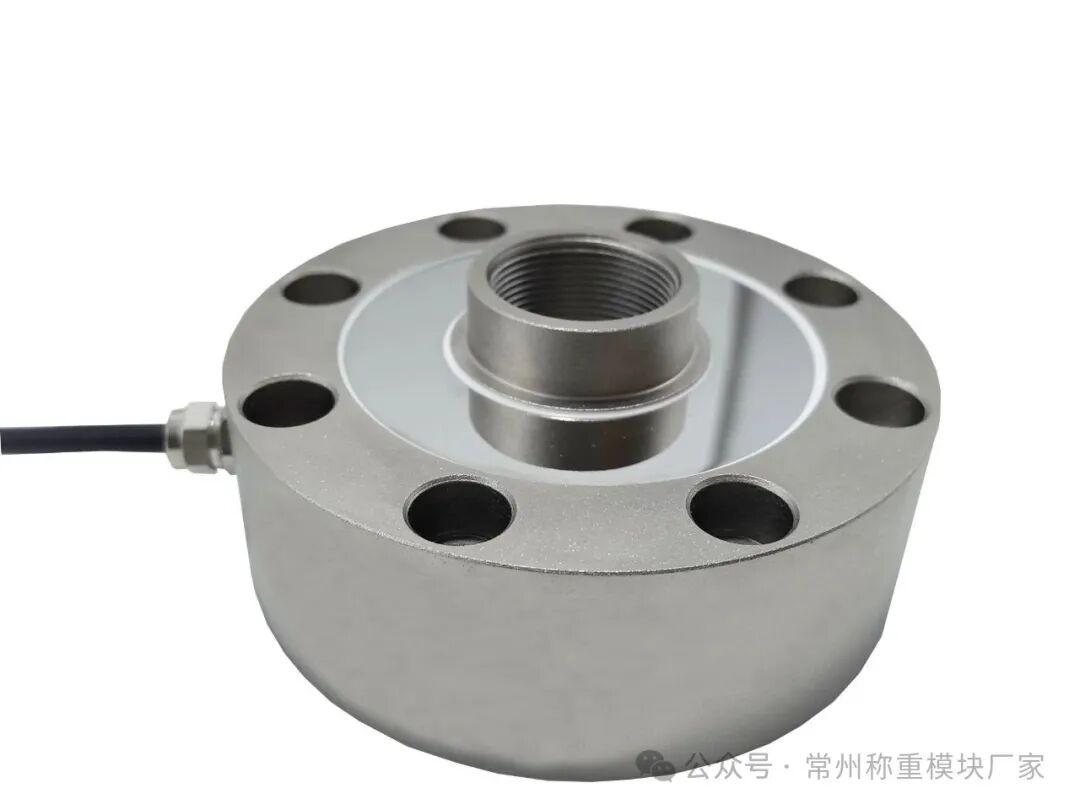
The cost of a set of weighing sensors is allocated as follows: 60% on the elastic element materials and processes, 20% on the precision of strain gauge attachment, and the remainder on circuit and protective design. Now that you have mastered its “internal organs,” the next time you encounter issues like large errors in truck scales or drifting weights on production lines, you will know whether to check for abnormal deformation in the elastic element or moisture in the strain gauge!