PLCs and Industrial PCs (IPCs) are two different control devices in the field of industrial automation, both play important roles in industrial automation, but there are significant differences in functionality, application, and structure between IPCs and PLCs.
Hardware and Reliability
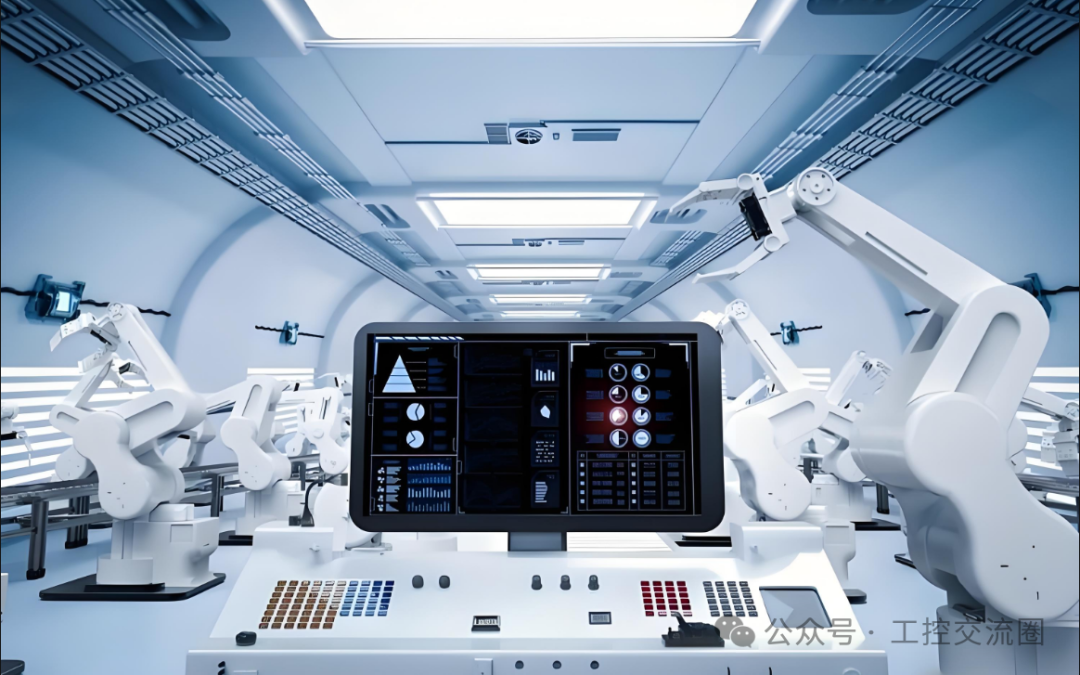
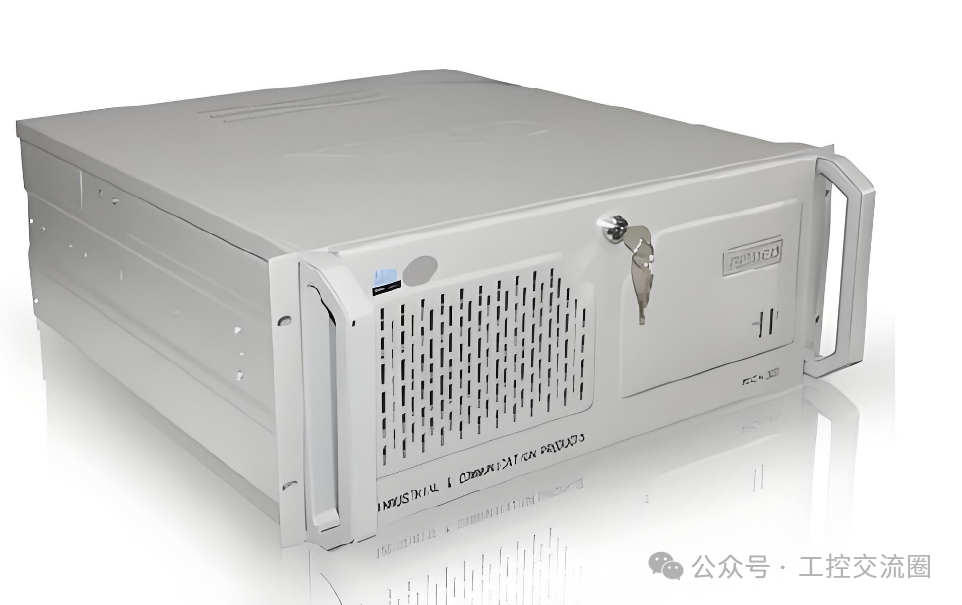
Industrial PCs adopt a rugged hardware design, featuring a complete computer architecture, including processors, memory, hard drives, etc., and can run various operating systems and application software. This endows IPCs with powerful computing and data processing capabilities, making them suitable for complex industrial control tasks.
PLCs, on the other hand, utilize a more compact and specialized hardware structure, primarily consisting of a CPU, instruction and data memory, input/output interfaces, power supply, and other functional units. The programming languages for PLCs typically use graphical programming languages such as ladder diagrams and function block diagrams, making programming more intuitive and straightforward. Additionally, PLCs have high reliability and stability, capable of operating continuously in harsh industrial environments.
Programming and Flexibility
Industrial PCs support multiple programming languages (such as C++, Python), allowing for the development of complex algorithms with high flexibility. They are computer devices specifically designed for industrial environments. They adopt a bus structure, featuring standard computer components such as motherboards, CPUs, hard drives, and memory, and are equipped with operating systems, control networks, and protocols. IPCs are primarily used for monitoring and controlling production processes, electromechanical equipment, and process equipment, possessing strong computing power and a user-friendly interface.
PLCs, or Programmable Logic Controllers, are digital operation electronic systems specifically designed for industrial environments. They utilize programmable memory to store instructions for executing logical operations, sequential control, timing, counting, and arithmetic operations, and control various types of machinery or production processes through digital or analog input/output. PLCs are highly reliable and stable, capable of adapting to harsh industrial environments.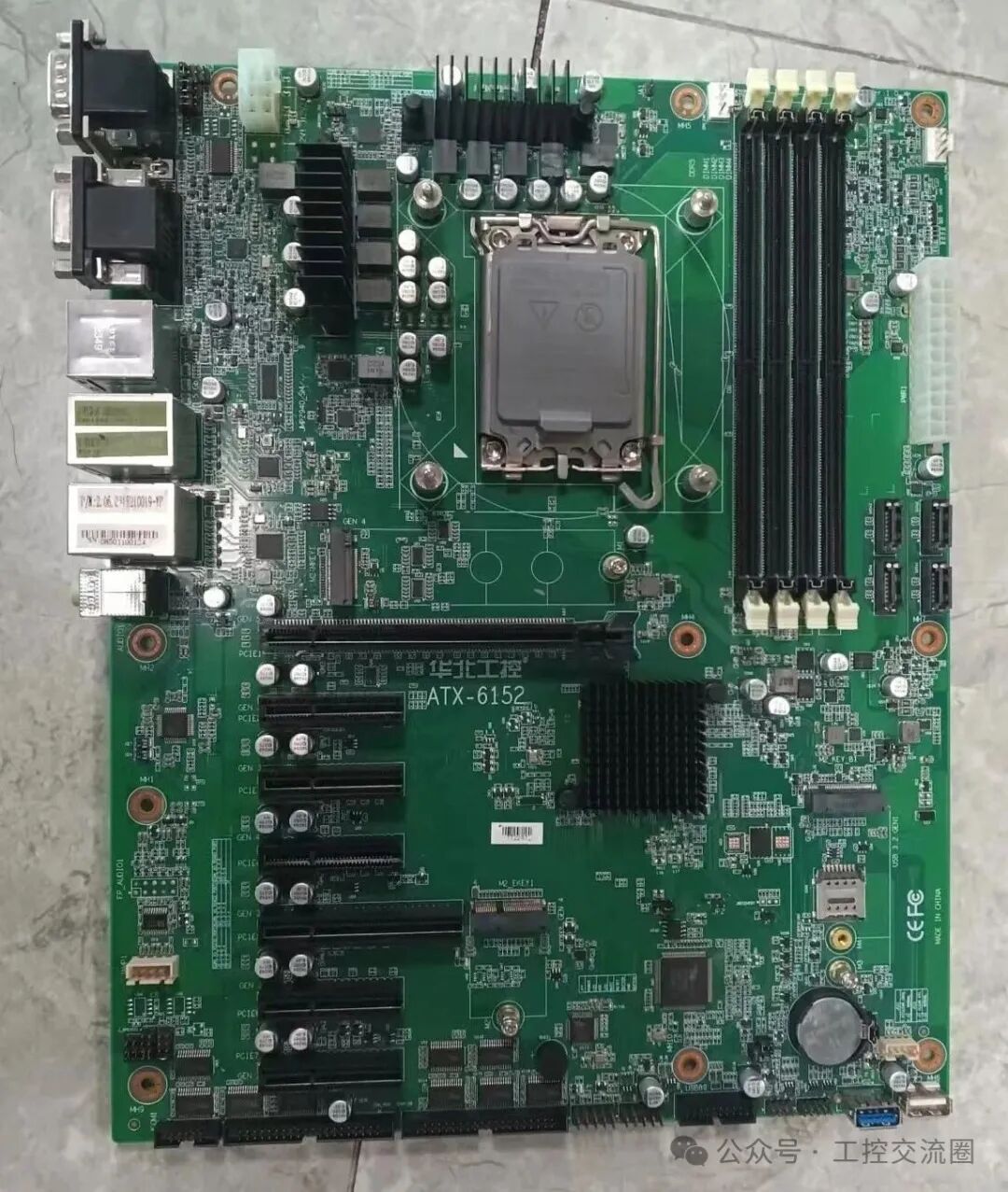
Application Scenarios
Industrial PCs are suitable for core aspects such as monitoring and data analysis in large-scale automation systems. For example, in large production lines and automated warehouses. They need to handle large amounts of data and control complex process flows, thus requiring high computing and data processing capabilities.
PLCs are often used for lower-level control (such as interlocking production line equipment, switch control) and commonly work in conjunction with IPCs (e.g., as I/O stations). For instance, controlling individual machines or localized control on production lines. PLCs have simple and intuitive programming, easy to learn and use, and possess high reliability and stability, meeting most industrial control needs.
Cost and Maintenance
Industrial PCs have a higher initial investment but relatively low maintenance costs.
PLCs have lower initial costs but require professional personnel to handle hardware failures for maintenance.

Scan to join the automation control communication circle,